
Caramel Sweet Potato: Quality, Sourcing & Export Guide
Learn how caramel sweet potato varieties, caramelization chemistry, and Indonesian export quality deliver premium ingredients for global buyers.
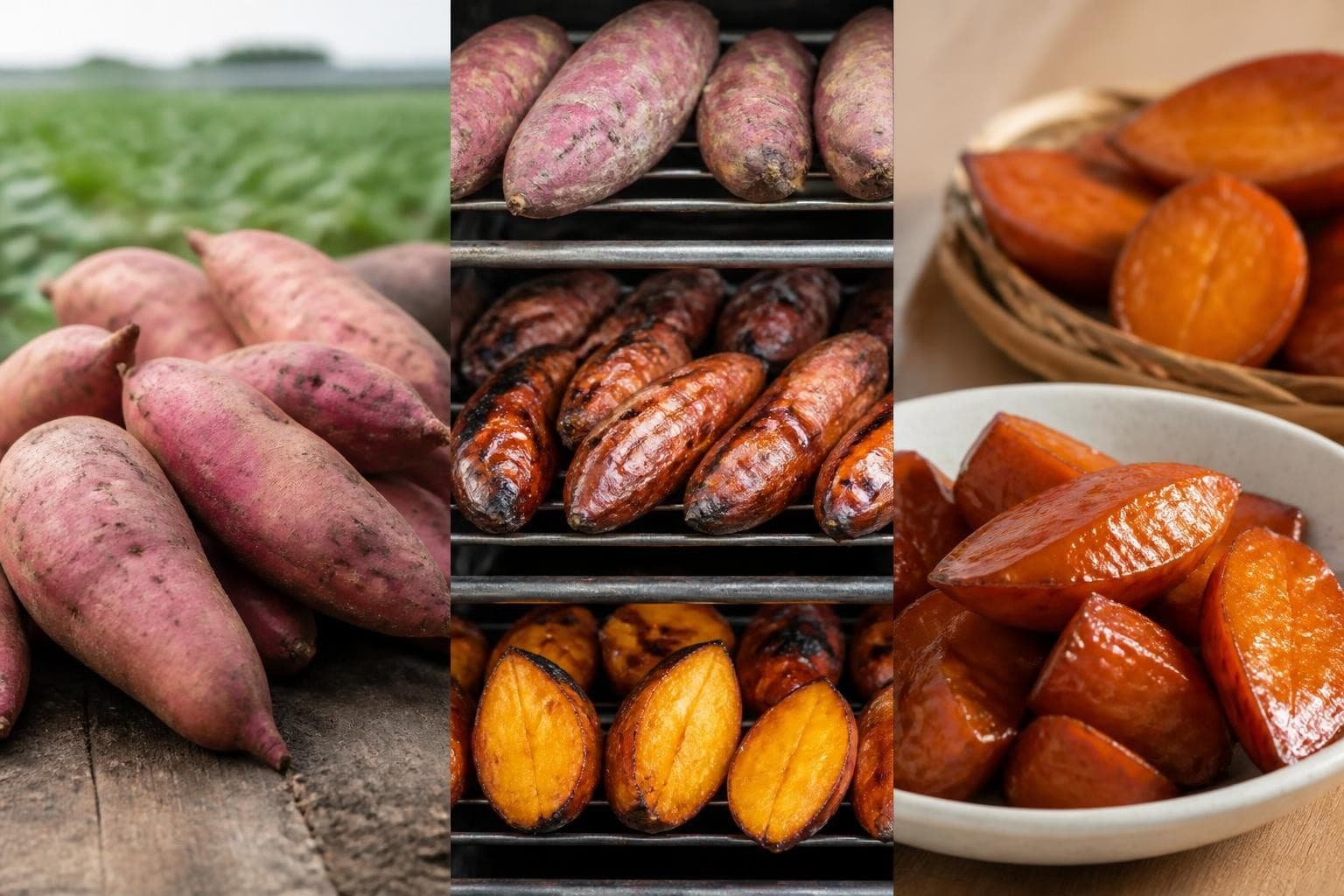
The caramel sweet potato has emerged as a cornerstone ingredient in international food service, retail, and manufacturing. Whether roasted until golden and glossy, glazed with natural sugars, or processed into ready-to-eat snacks, caramel sweet potato preparations depend on consistent raw material quality, reliable supply chains, and export partners who understand the chemistry of flavor development. For B2B buyers sourcing sweet potatoes for value-added production, understanding varietal differences, caramelization mechanisms, and Indonesian export advantages ensures product quality and supply continuity.
Understanding Caramel Sweet Potato Chemistry and Flavor Development
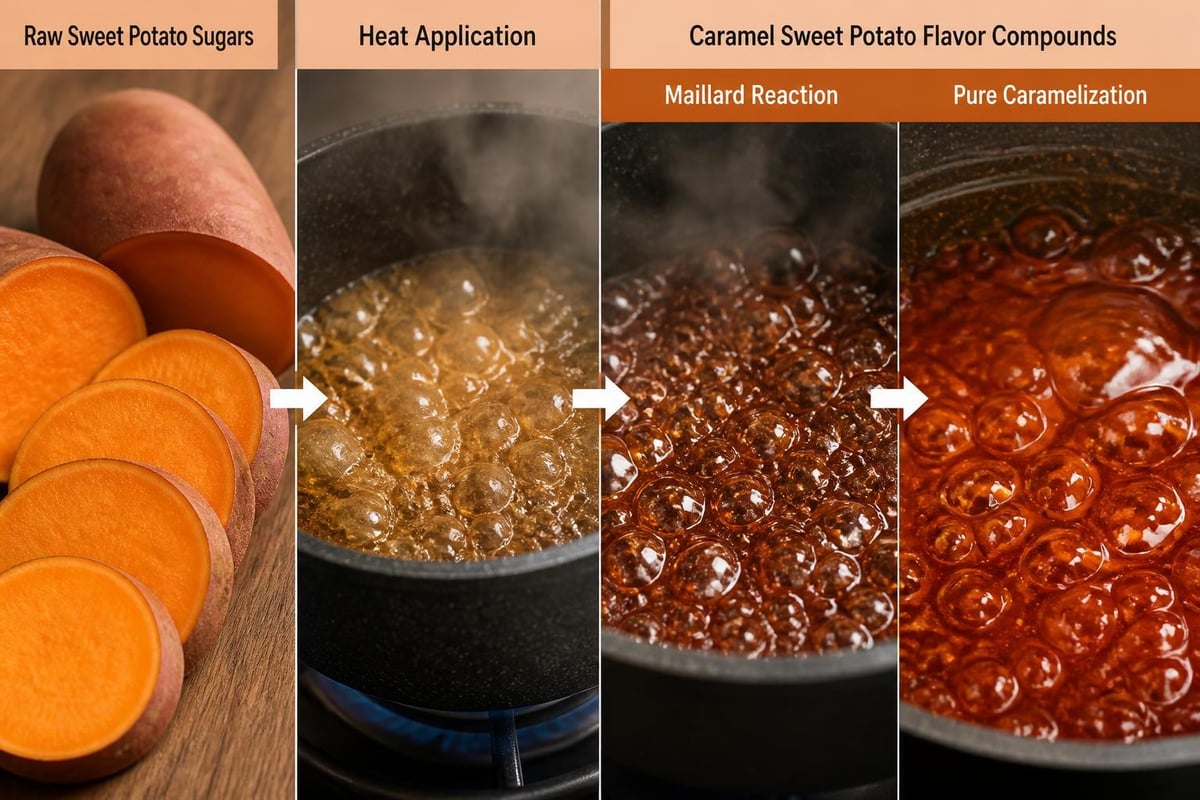
Caramelization transforms the natural sugars in sweet potatoes into complex flavor compounds that deliver sweetness, depth, and golden-brown color. This process occurs when reducing sugars like glucose and fructose are heated above 160°C (320°F), breaking down into hundreds of aromatic molecules including diacetyl, furans, and maltol.
Sweet potatoes are particularly well-suited for caramelization because of their high natural sugar content, typically ranging from 4% to 7% by fresh weight depending on variety and maturity. The nutritional composition and natural sugar profile make sweet potatoes an ideal substrate for thermal processing that requires minimal added sweeteners.
Maillard Reaction vs. Pure Caramelization
While often used interchangeably in culinary contexts, the Maillard reaction and caramelization are distinct chemical processes that both contribute to caramel sweet potato flavor:
- Maillard reaction: Occurs between amino acids and reducing sugars at temperatures as low as 140°C, producing savory, nutty, and roasted notes
- Caramelization: Pure sugar breakdown at higher temperatures (160°C+), creating sweet, butterscotch-like flavors
- Combined effect: Most roasted sweet potato preparations involve both reactions simultaneously
Recent research on Maillard reaction mechanisms and parameters has clarified how time, temperature, moisture content, and pH influence flavor compound formation. For food manufacturers developing caramel sweet potato products, controlling these variables ensures batch-to-batch consistency and optimal sensory profiles.
Optimal Sweet Potato Varieties for Caramelization
Not all sweet potato cultivars perform equally when caramelized. Varietal selection significantly impacts final product color, texture, flavor intensity, and processing yield. The USDA's comprehensive review of sweetpotato varieties documents sugar content, dry matter percentage, and flesh characteristics that influence caramelization performance.
| Variety Type | Flesh Color | Sugar Content | Dry Matter | Caramelization Profile |
|---|---|---|---|---|
| Orange-fleshed (Beauregard) | Deep orange | 5-7% | 18-22% | Rich caramel, moist texture |
| Japanese/Purple (Murasaki) | Cream/Purple | 4-6% | 22-28% | Subtle sweetness, firm texture |
| White-fleshed | Pale yellow | 3-5% | 20-24% | Mild caramel, dry texture |
| Indonesian Cilembu | Golden orange | 6-8% | 20-26% | Intense honey-caramel notes |
Indonesian Cilembu sweet potatoes, grown in West Java's volcanic soils, are particularly prized for caramel sweet potato applications. The cultivar's natural honey-like sweetness intensifies during roasting, requiring minimal added sugar and delivering labor savings in commercial production.
Flesh Color and Caramelization Outcomes
Orange-fleshed varieties rich in beta-carotene typically develop deeper amber tones and more pronounced sweetness when caramelized. Purple and white varieties offer visual contrast and more subtle flavor profiles suitable for applications where caramel sweet potato serves as a component rather than the primary flavor.
For importers and distributors serving food manufacturers, understanding these varietal differences allows for better specification matching. Premium Indonesian sweet potatoes are available in multiple flesh types, each suited to specific caramelization and processing requirements.
Processing Parameters for Commercial Caramel Sweet Potato Production
Commercial production of caramel sweet potato requires precise control over temperature, time, and moisture to achieve consistent quality at scale. Food manufacturers must balance flavor development with texture retention, color uniformity, and food safety compliance.
Roasting Methods and Temperature Profiles
Dry roasting (180-200°C for 35-50 minutes) produces intense caramelization with crispy edges and concentrated sweetness. This method works best with high-dry-matter varieties that resist excessive moisture loss.
Steam-roasting (170-185°C with steam injection) maintains moisture while developing caramel notes, ideal for products requiring softer texture or those destined for further processing.
Vacuum roasting (145-160°C under reduced pressure) enables caramelization at lower temperatures, preserving heat-sensitive nutrients and producing more delicate caramel sweet potato flavors.
Sugar Glazing and Coating Techniques
Many commercial caramel sweet potato products incorporate additional glazes to intensify sweetness and create signature appearances:
- Simple syrup (1:1 sugar:water) applied during final roasting minutes
- Honey glazes for premium retail products (honey and sweet potato combinations offer clean-label appeal)
- Brown sugar or molasses coatings for deeper caramel notes
- Mirin or rice syrup for Asian-style caramel sweet potato snacks
The Japanese sweet potato snack market demonstrates sophisticated glazing techniques that transform simple roasted sweet potatoes into premium confectionery items commanding higher retail prices.
Food Safety Considerations in Caramel Sweet Potato Production
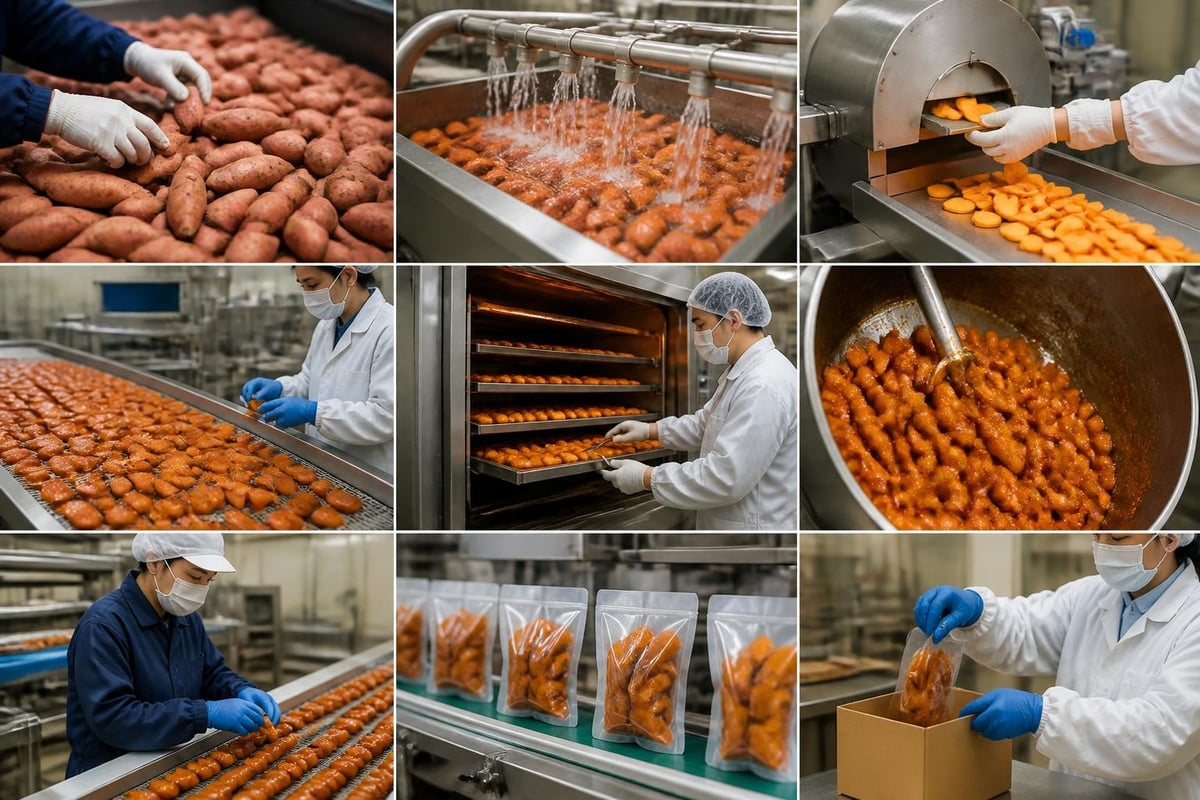
High-temperature processing that creates desirable caramel flavors can also generate food safety concerns if not properly controlled. B2B buyers must ensure suppliers follow best practices for safe caramelization.
Acrylamide Formation and Mitigation
Acrylamide, a potential neurotoxin, forms when asparagine (an amino acid) reacts with reducing sugars at temperatures above 120°C. Sweet potatoes contain moderate asparagine levels, making acrylamide formation a consideration in caramel sweet potato production.
Research on acrylamide formation and inhibition strategies has identified several practical mitigation approaches:
- Pre-blanching in hot water reduces asparagine availability by 30-40%
- Adding calcium chloride or asparaginase enzyme before roasting
- Maintaining roasting temperatures below 180°C when possible
- Avoiding excessively thin cuts that brown more rapidly
Reputable Indonesian exporters implement these controls during contract manufacturing of caramel sweet potato products, providing test certificates documenting acrylamide levels below regulatory thresholds.
Microbial Safety in Glazed Products
Sugar glazes create a protective barrier but do not eliminate microbial risks. Proper handling after glazing ensures product safety:
- Rapid cooling to below 5°C within two hours
- Modified atmosphere packaging (MAP) for extended shelf life
- Water activity (aw) control below 0.85 for shelf-stable products
- Clear cold-chain requirements for refrigerated caramel sweet potato items
Food manufacturers should verify that suppliers maintain HACCP certification and conduct regular pathogen testing, particularly for ready-to-eat caramel sweet potato products destined for international markets.
Sourcing Quality Sweet Potatoes for Caramelization Applications
Raw material quality determines the success of caramel sweet potato production. Importers must establish specifications addressing maturity, sugar content, defects, and post-harvest handling.
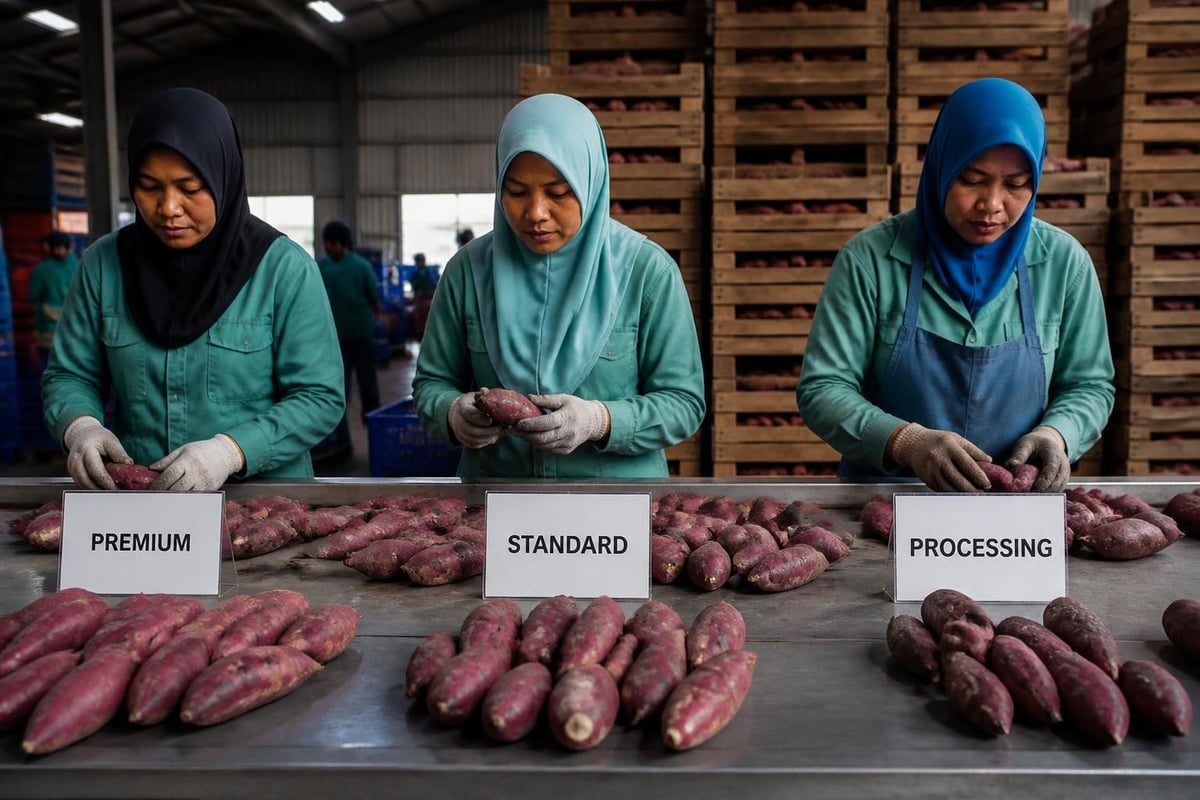
Grading Specifications for Processing-Grade Sweet Potatoes
| Grade Parameter | Premium (Grade A) | Standard (Grade B) | Processing (Grade C) |
|---|---|---|---|
| Sugar content (Brix) | 6.5+ | 5.0-6.4 | 4.0-4.9 |
| Dry matter (%) | 22+ | 18-21 | 16-17 |
| Defects | <2% surface area | <5% surface area | <10% surface area |
| Size uniformity | ±15% diameter | ±25% diameter | Mixed sizes acceptable |
| Sprouting/aging | None | Minimal eyes | Light sprouting OK |
Premium grades deliver superior caramelization but command higher prices. For caramel sweet potato applications where tubers will be peeled and cut, processing grades may offer better cost-efficiency while still achieving excellent flavor development.
Indonesian exporters like those working with partner farms in West Java have refined grading systems specifically for international buyers, ensuring consistent quality that meets caramelization requirements.
Harvest Timing and Sugar Development
Sweet potato sugar content increases during curing and storage. Freshly harvested tubers contain primarily starch, which converts to sugars through enzymatic activity during the first 4-8 weeks post-harvest.
For optimal caramel sweet potato results:
- Source tubers 3-6 weeks post-harvest when sugar conversion peaks
- Verify curing (14 days at 28-30°C, 85-90% humidity) has occurred
- Request sugar content certification (refractometer testing)
- Understand that sweet potato shelf life for export extends to 6-9 months under proper storage
Proper storage of fresh sweet potatoes at 13-15°C preserves sugar levels and prevents sprouting or decay during international shipment.
Market Applications and Product Development Opportunities
The versatility of caramel sweet potato enables diverse product categories across foodservice, retail, and ingredient markets. Understanding current applications helps buyers identify opportunities and sourcing requirements.
Retail and Foodservice Products
Frozen caramelized sweet potato wedges serve the quick-service restaurant sector, offering labor savings and consistent quality. Products typically include pre-roasted, flash-frozen wedges with optional glaze sachets.
Vacuum-packed roasted whole sweet potatoes dominate Japanese and Korean convenience stores, where consumers purchase ready-to-eat caramel sweet potato as afternoon snacks. This segment values premium varieties like Murasaki sweet potatoes for their creamy texture.
Dehydrated caramel sweet potato chips appeal to health-conscious snackers seeking alternatives to fried potato chips. The category has grown 23% annually in North American natural food channels since 2022.
Industrial Ingredient Applications
Food manufacturers incorporate caramel sweet potato in multiple forms:
- Purees and pastes for bakery fillings, baby foods, and beverage smoothies
- Freeze-dried powders adding sweet potato flavoring to cereals, nutrition bars, and seasonings
- Concentrated extracts delivering caramel notes to beverages and confectionery
- Dice and chunks for ready meals, soups, and grain bowls
The global sweet potato ingredient market has expanded alongside consumer demand for nutritious, naturally sweet components that reduce added sugar requirements.
Indonesian Sweet Potato Export Advantages for Caramel Applications
Indonesia's sweet potato sector offers unique advantages for buyers sourcing raw materials for caramel sweet potato production. Understanding these benefits helps importers evaluate supplier options and optimize supply chains.
Year-Round Production and Harvest Cycles
Indonesia's equatorial climate enables continuous sweet potato harvest throughout the year, eliminating the seasonal supply gaps common in temperate growing regions. West Java's staggered planting schedules ensure consistent availability for contract manufacturing and regular shipment schedules.
This reliability proves critical for food manufacturers requiring steady supplies of caramel sweet potato ingredients without the inventory burden of large seasonal purchases.
Varietal Diversity and Flavor Profiles
Indonesian farms cultivate orange, purple, white, and yellow-fleshed varieties, each offering distinct caramelization characteristics:
- Cilembu (orange): Natural honey notes that intensify when roasted
- Local purple cultivars: Anthocyanin-rich flesh for premium applications
- Japanese varieties (Japanese sweet potato varieties): Cultivated under license for export to Asian markets
- Beauregard: Grown for North American and European buyers
This diversity allows buyers to specify exact varieties for their caramel sweet potato applications rather than accepting generic "orange sweet potato" shipments.
Cost Competitiveness and Trade Access
Indonesian sweet potato exports benefit from favorable trade agreements, competitive labor costs, and proximity to major Asian markets. Shipping costs to Japan, Korea, Singapore, and Middle Eastern destinations remain significantly lower than alternatives from the Americas or Africa.
For buyers evaluating how to import sweet potatoes, Indonesian suppliers offer transparent pricing, established logistics networks, and experience with international sweet potato import requirements.
Export Packaging and Logistics for Caramel Sweet Potato Raw Materials
Proper packaging and logistics preserve the quality attributes essential for successful caramelization. Export specifications must address protection, ventilation, temperature control, and documentation.
Packaging Options for Export Shipments
Mesh bags (10-20 kg) provide ventilation for long-distance shipments, preventing moisture buildup that promotes sprouting and decay. Standard for commodity-grade shipments.
Corrugated cartons with ventilation holes (5-10 kg) offer better protection against mechanical damage during handling. Preferred for premium grades and retail-ready packaging.
Bulk bins (300-500 kg) serve food manufacturers requiring large volumes, reducing packaging waste and per-unit costs. Requires receiver to have proper handling equipment.
Experienced exporters follow sweet potatoes export packaging best practices that balance protection, cost, and destination market requirements.
Temperature Management During Shipment
Sweet potatoes destined for caramel applications require careful temperature control throughout the supply chain:
| Stage | Temperature Range | Duration Limit | Purpose |
|---|---|---|---|
| Pre-shipment storage | 13-15°C | Up to 4 months | Maintain sugar content |
| Container loading | 13-16°C | 24-48 hours | Prevent temperature shock |
| Ocean transit | 12-14°C | 14-28 days | Slow respiration, prevent sprouting |
| Destination storage | 13-15°C | 2-8 weeks | Preserve quality until processing |
Refrigerated containers (reefers) maintain these temperatures but represent additional costs. Buyers must balance the quality benefits against freight expenses, particularly for shorter shipping routes where ventilated containers may suffice.
Nutritional Considerations in Caramel Sweet Potato Products
While caramelization enhances flavor, it also affects nutritional composition. B2B buyers developing health-positioned products must understand these changes and communicate accurately to consumers.
Impact of Heat Processing on Nutrients
Roasting sweet potatoes to achieve caramelization:
- Preserves: Most minerals (potassium, magnesium) and dietary fiber remain stable
- Reduces: Vitamin C content declines 15-30% due to heat sensitivity
- Enhances: Beta-carotene bioavailability increases through cell wall breakdown
- Concentrates: Sugar density increases as moisture evaporates
The glycemic index of sweet potatoes rises moderately with caramelization as starches convert to simple sugars, though values remain lower than white potatoes.
Clean Label and Natural Sweetness Claims
Caramel sweet potato products appeal to clean-label trends because sweetness derives primarily from the vegetable's natural sugars rather than added refined sweeteners. Marketing claims must remain truthful:
- Acceptable: "Naturally sweet," "No artificial sweeteners," "Made with real sweet potatoes"
- Requires qualification: "No added sugar" (only if no sugar/honey glaze applied)
- Potentially misleading: "Sugar-free" (sweet potatoes contain natural sugars)
Buyers sourcing ingredients for health-focused brands should review recipes from sources like Bon Appétit's sweet potato collection for inspiration on clean-label caramel sweet potato applications.
Quality Control and Specification Management
Consistent caramel sweet potato quality requires rigorous quality control at origin and clear specifications in purchase contracts. B2B buyers should implement these practices.
Critical Control Points for Importers
- Varietal verification: Confirm cultivar through sensory evaluation or DNA testing
- Sugar content testing: Require minimum Brix readings (typically 5.5-6.5° for caramelization applications)
- Defect inspection: Establish maximum allowable percentages for cuts, bruises, decay
- Size grading: Specify diameter ranges to ensure uniform roasting times
- Shipment audits: Inspect random samples from each container
Working with established Indonesian sweet potato manufacturers who maintain traceability systems and quality documentation reduces quality variability.
Sample Approval Process
Before committing to large shipments, buyers should:
- Request representative samples (5-10 kg) from upcoming harvest
- Conduct pilot roasting tests to verify caramelization performance
- Evaluate color development, texture, and flavor intensity
- Document specifications based on successful samples
- Reference approved samples in purchase contracts
This process prevents costly disputes and ensures both parties share quality expectations.
Understanding caramel sweet potato quality from varietal selection through processing chemistry enables buyers to make informed sourcing decisions that deliver consistent, premium ingredients. Indonesian sweet potato production offers reliable supply, varietal diversity, and cost advantages that support long-term partnerships.
PT Cakra Baja Niaga works directly with partner farms in West Java to supply premium sweet potatoes specifically suited for caramelization and value-added processing. Our grading systems, quality controls, and export experience ensure international buyers receive the consistency and documentation required for successful caramel sweet potato production. Contact our export team for variety specifications, sample shipments, and quotations tailored to your processing requirements.
Looking to source premium Indonesian sweet potatoes?
PT Cakra Baja Niaga supplies export-grade Cilembu, Purple, and Murasaki varieties to buyers worldwide.
Continue reading
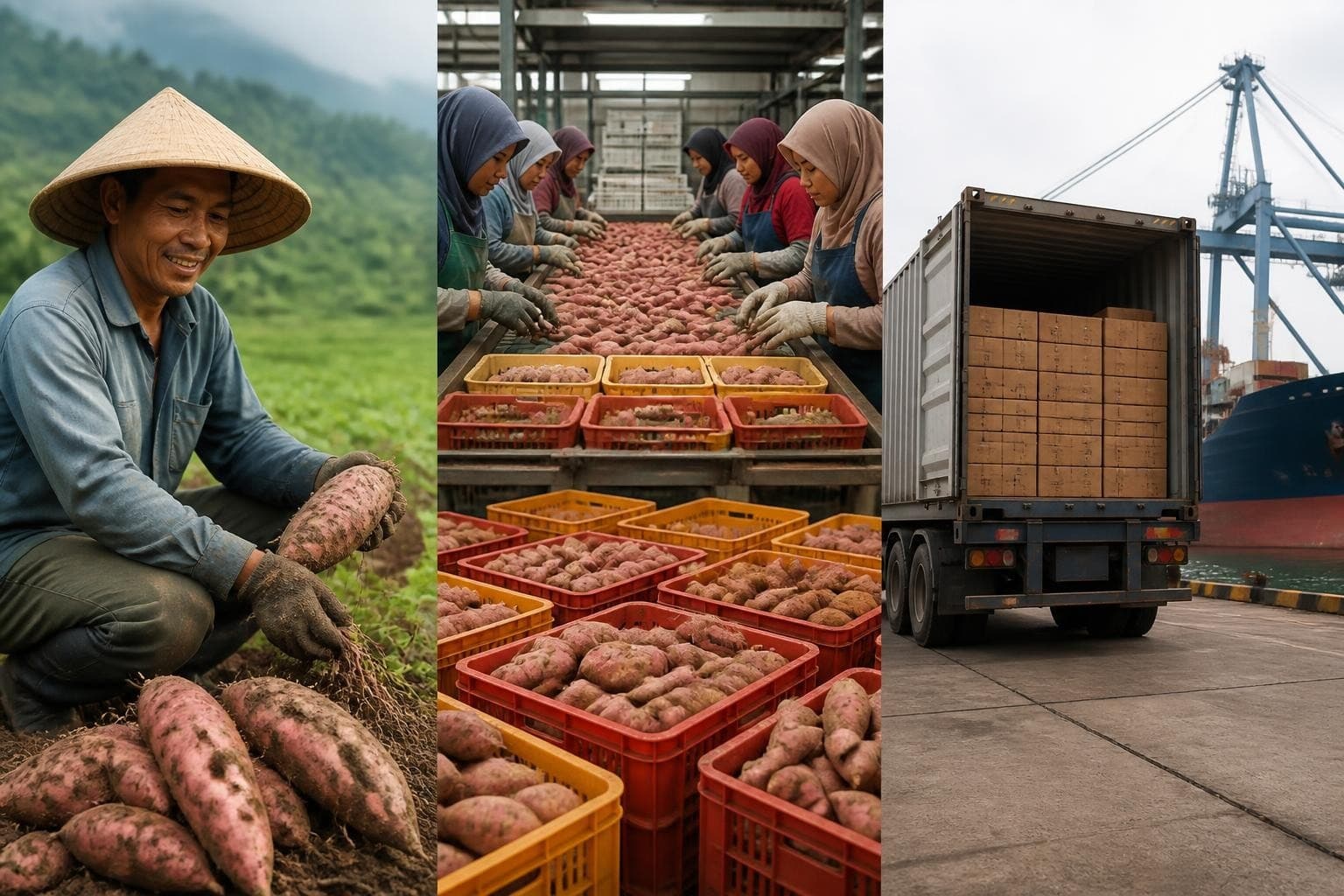
Wholesale Sweet Potatoes Indonesia: B2B Export Guide 2026
Source premium wholesale sweet potatoes Indonesia for import. Quality standards, export logistics, varieties, pricing & supplier partnerships.
Read article
Sweet Potatoes Supplier Indonesia: Quality & Export Guide
Find reliable sweet potatoes supplier Indonesia offering premium export quality. Learn about sourcing, grading, logistics, and partnerships.
Read article
Sweet Potatoes Grading Guide for International Buyers
Comprehensive sweet potatoes grading guide for exporters and importers. Learn USDA standards, size classification, defect tolerance, and quality control.
Read article