
Discover murasaki sweet potatoes: nutritional profile, health benefits, market demand, and sourcing insights for international buyers in 2026.
The global sweet potato market continues to expand in 2026, driven by consumer demand for nutritious, versatile produce. Among specialty varieties, murasaki sweet potatoes have emerged as a premium option attracting international buyers, distributors, and retailers. With their distinctive appearance and nutritional profile, these Japanese-origin tubers offer importers a unique product that stands out in competitive markets. Understanding their characteristics, benefits, and sourcing requirements enables buyers to make informed decisions when establishing supply partnerships with exporters.
Understanding Murasaki Sweet Potatoes and Their Unique Characteristics
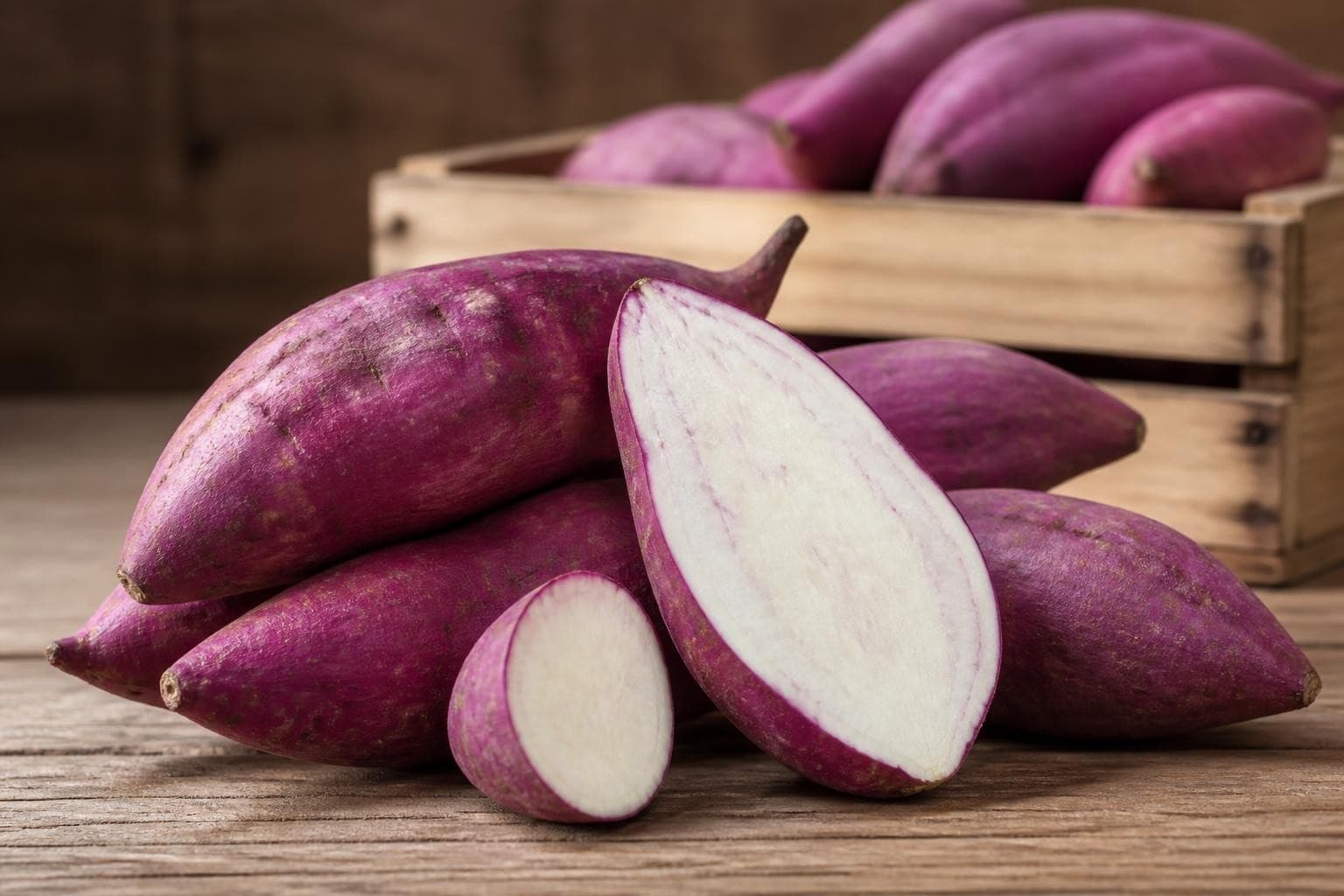
Murasaki sweet potatoes originated in Japan and have gained recognition worldwide for their striking purple skin and creamy white or pale yellow flesh. Unlike their orange-fleshed counterparts, these tubers provide a different flavor profile that appeals to diverse culinary applications.
The name "murasaki" translates to "purple" in Japanese, directly referencing the variety's most distinctive visual feature. When harvested, these sweet potatoes display a deep burgundy to purple exterior that immediately differentiates them from standard varieties on retail shelves.
Physical and Flavor Profile
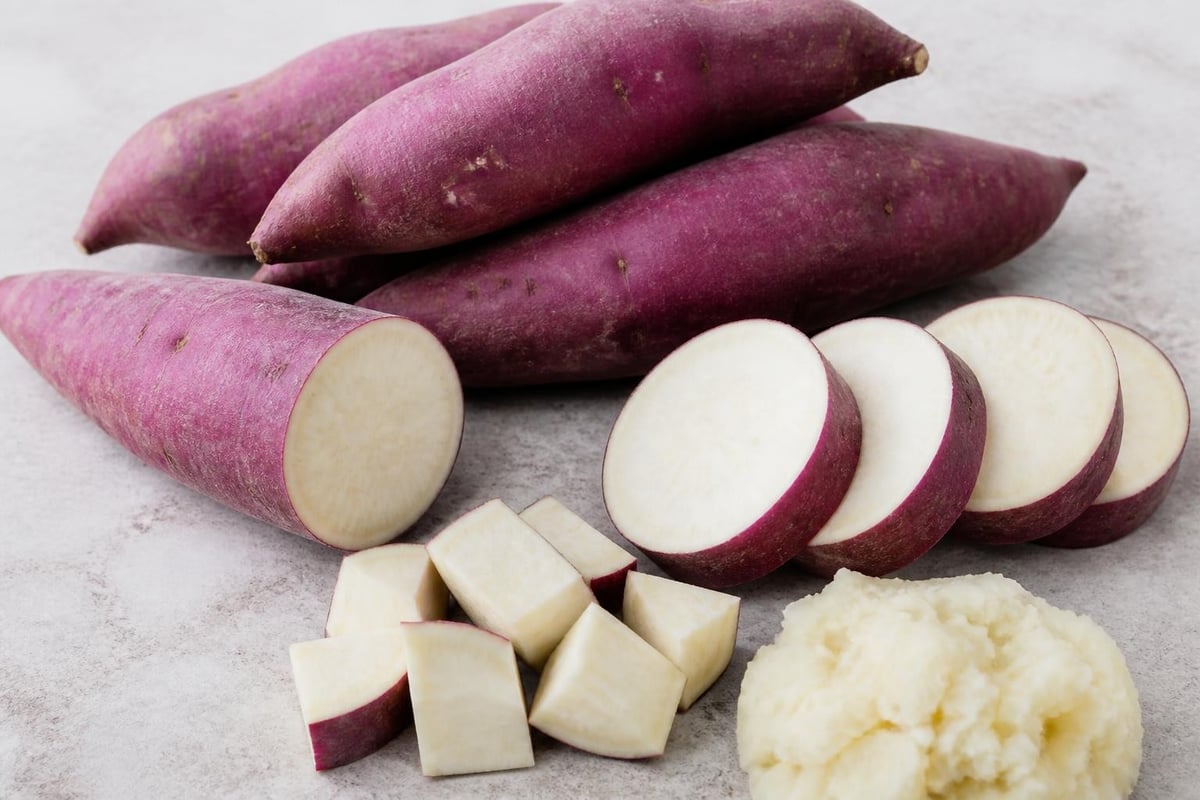
These sweet potatoes typically present an elongated, tapered shape with relatively smooth skin. The flesh inside contrasts sharply with the exterior, revealing a pale cream to white interior that darkens slightly upon cooking.
Key identifying characteristics include:
- Deep purple to burgundy skin coloration
- White to pale yellow interior flesh
- Medium to large size, typically 4-8 inches in length
- Smooth, firm texture when fresh
- Earthy, subtly sweet flavor when cooked
The flavor profile sets murasaki sweet potatoes apart from orange varieties. They deliver a milder, less sugary taste with nutty undertones that complement both savory and sweet preparations. This versatility makes them attractive to chefs and consumers seeking alternatives to traditional sweet potato varieties.
Nutritional Profile and Health Benefits for Consumer Markets
The nutritional content of Murasaki sweet potatoes positions them as a valuable addition to health-conscious consumer diets. International buyers targeting wellness-focused markets will find this variety particularly appealing.
A 100-gram serving of murasaki sweet potatoes typically provides approximately 86 calories, making them a nutrient-dense yet moderate-calorie food option. They contain minimal fat while delivering substantial complex carbohydrates for sustained energy.
Vitamin and Mineral Content
These tubers pack an impressive array of essential nutrients that support various bodily functions. The vitamin C content alone makes them noteworthy, with a single serving providing a significant portion of daily requirements.
| Nutrient | Amount per 100g | Daily Value % |
|---|---|---|
| Vitamin C | 15-20 mg | 20-25% |
| Potassium | 337 mg | 10% |
| Fiber | 3.0 g | 12% |
| Vitamin B6 | 0.2 mg | 10% |
| Manganese | 0.3 mg | 15% |
The fiber content supports digestive health and promotes satiety, making these sweet potatoes valuable for weight management programs. Potassium contributes to cardiovascular health and proper muscle function, addressing consumer wellness priorities.
Antioxidant Properties and Purple Pigmentation
While the flesh of murasaki sweet potatoes appears pale, the purple skin contains anthocyanins, powerful antioxidant compounds. According to research on Murasaki sweet potato health properties, these antioxidants help combat oxidative stress and may support overall cellular health.
The anthocyanin concentration in the skin varies based on growing conditions, soil quality, and harvest timing. Premium suppliers in regions like West Java optimize cultivation practices to maximize these beneficial compounds, adding value for health-focused retail channels.
Key health benefits include:
- Blood sugar regulation through complex carbohydrates and fiber
- Immune system support via vitamin C and other micronutrients
- Anti-inflammatory effects from antioxidant compounds
- Digestive health promotion through dietary fiber
- Cardiovascular support from potassium content
These benefits align with current consumer trends favoring functional foods that deliver nutrition beyond basic sustenance, creating market opportunities for importers and distributors.
Market Demand and Commercial Applications
The commercial appeal of murasaki sweet potatoes extends across multiple market segments in 2026. Importers serving diverse retail channels find these tubers adaptable to various consumer needs and purchasing behaviors.
Restaurant and foodservice operators increasingly feature murasaki sweet potatoes on menus as consumers seek novel dining experiences. The mild flavor and attractive presentation when sliced make them ideal for upscale establishments and health-focused cafes.
Retail Market Positioning
Specialty grocery stores and premium supermarket sections position murasaki sweet potatoes as gourmet alternatives to standard varieties. The distinctive appearance justifies premium pricing, improving margin potential for distributors and retailers.
Consumer segments showing strongest demand include:
- Health-conscious shoppers seeking nutrient-dense produce
- Asian cuisine enthusiasts familiar with Japanese ingredients
- Culinary experimenters looking for recipe diversity
- Organic and natural food buyers prioritizing quality
The general health benefits of sweet potatoes resonate with mainstream consumers, while murasaki varieties attract those seeking specialty options. This dual appeal creates opportunities across conventional and premium retail channels.
Foodservice and Processing Applications
Beyond fresh retail sales, murasaki sweet potatoes serve various processing and foodservice needs. Their firm texture holds up well during cooking, making them suitable for diverse preparation methods.
Commercial applications include:
- Restaurant side dishes and entree components
- Pre-cut vegetable processors serving institutional buyers
- Frozen food manufacturers creating value-added products
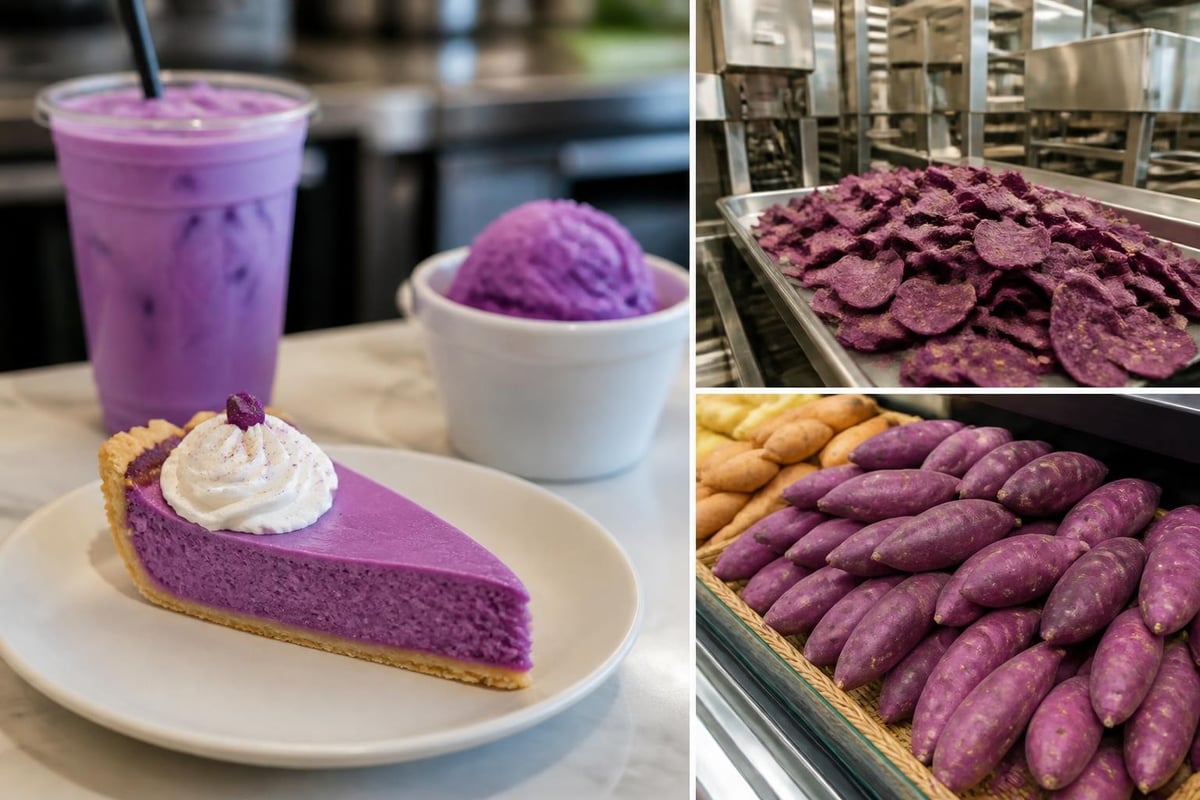
- Snack food companies developing sweet potato chips
- Baby food producers requiring nutrient-dense ingredients
The versatility demonstrated across these applications strengthens demand stability, reducing market risk for importers establishing long-term supply relationships. Exporters working with partner farms in West Java can leverage this demand diversity to maintain consistent production volumes.
Cultivation Requirements and Quality Considerations
Understanding the agricultural requirements for murasaki sweet potatoes helps international buyers evaluate potential suppliers and anticipate supply chain considerations. These cultivation factors directly impact product quality and availability.
Murasaki sweet potatoes thrive in warm climates with well-drained, slightly acidic soil. Indonesian growing regions, particularly in West Java, provide ideal conditions with consistent temperatures and appropriate rainfall patterns throughout the growing season.
Growing Conditions and Harvest Timing
The typical growing cycle spans 90-120 days from planting to harvest, depending on climate conditions and desired tuber size. Farmers monitor soil moisture carefully, as excessive water can compromise skin quality and reduce storage life.
Optimal growing parameters include:
- Soil pH between 5.5 and 6.5
- Temperatures consistently above 70°F (21°C)
- Moderate, consistent moisture without waterlogging
- Full sun exposure for at least 6 hours daily
- Loose, sandy loam soil structure
Harvest timing significantly affects both yield and quality. Premature harvesting results in smaller tubers with thinner skin prone to damage during handling and transport. Delayed harvesting may increase size but can reduce sweetness and overall flavor quality.
Post-Harvest Handling and Quality Standards
Proper post-harvest handling preserves the distinctive characteristics that make murasaki sweet potatoes valuable in export markets. The purple skin is particularly susceptible to abrasion and bruising, requiring careful sorting and packing protocols.
Curing, a controlled process of holding harvested sweet potatoes at specific temperature and humidity levels, enhances skin thickness and extends storage life. Professional exporters implement standardized curing procedures to ensure product consistency across shipments.
| Quality Parameter | Grade A Standard | Grade B Standard |
|---|---|---|
| Skin Condition | Smooth, unblemished | Minor surface marks |
| Size Range | 4-7 inches length | 3-8 inches length |
| Shape | Uniform, tapered | Varied shapes accepted |
| Flesh Color | Consistent white/cream | Acceptable variation |
| Firmness | Very firm | Moderately firm |
International buyers specifying quality grades ensure their retail or foodservice channels receive product meeting customer expectations. The nutritional profile of Murasaki sweet potatoes remains consistent across quality grades, though visual presentation differs.
Storage, Transport, and Shelf Life Management
Extended shelf life represents a critical advantage for international sweet potato trade. Proper storage and transport protocols maintain the quality characteristics that justify premium pricing in destination markets.
Murasaki sweet potatoes require specific environmental conditions to preserve freshness during the weeks-long journey from Indonesian farms to international retail shelves. Temperature control throughout the supply chain prevents quality degradation and economic losses.
Optimal Storage Conditions
Unlike many vegetables requiring refrigeration, sweet potatoes store best at moderate temperatures. Excessive cold triggers physiological changes that compromise texture and flavor, while excessive heat accelerates sprouting and decay.
Recommended storage parameters include:
- Temperature range of 55-60°F (13-16°C)
- Relative humidity of 85-90%
- Good air circulation to prevent moisture accumulation
- Dark conditions to inhibit sprouting
- Separation from ethylene-producing fruits
Under optimal conditions, properly cured murasaki sweet potatoes maintain quality for 4-6 months. This extended shelf life enables sea freight shipment to distant markets while providing retailers adequate selling windows upon arrival.
Transportation Considerations for International Trade
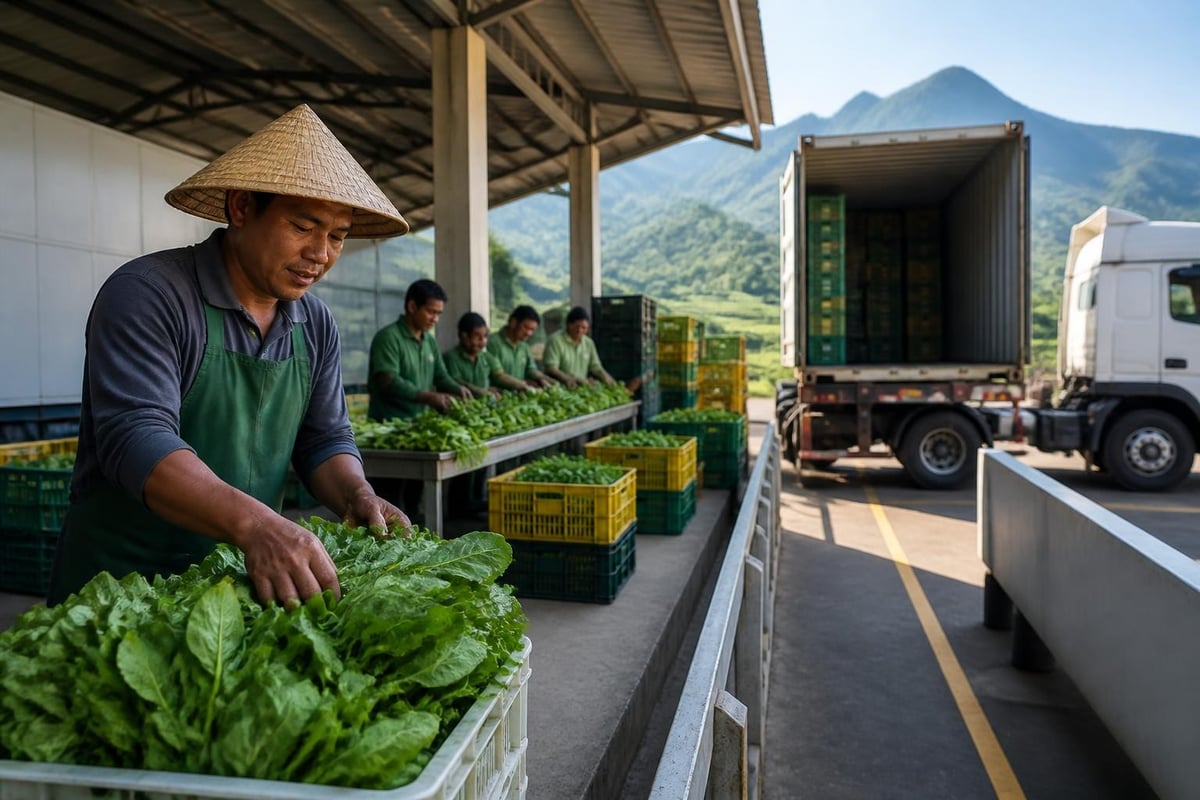
Container shipping from Indonesian ports to major international markets typically requires 14-30 days depending on destination. Temperature-controlled containers maintain the cool, humid environment necessary for quality preservation during transit.
Ventilation within shipping containers prevents carbon dioxide buildup that can accelerate deterioration. Professional exporters configure container loading to maximize airflow while minimizing movement that could cause bruising.
Critical transport factors include:
- Container temperature monitoring throughout journey
- Proper packaging to cushion tubers and prevent abrasion
- Ventilation openings positioned for optimal air circulation
- Inspection protocols at origin and destination ports
- Documentation ensuring customs clearance efficiency
Buyers partnering with experienced exporters benefit from established logistics systems that minimize quality risks during international shipment. Companies specializing in sweet potato export understand these nuances and implement proven protocols.
Sourcing Strategies for International Buyers
Establishing reliable sourcing relationships for murasaki sweet potatoes requires understanding supplier capabilities, quality systems, and market dynamics. International buyers face choices between direct farm relationships, export brokers, and specialized trading companies.
Direct partnerships with Indonesian farms offer potential cost advantages but require buyers to manage logistics, quality control, and regulatory compliance independently. Many importers lack the resources or expertise to handle these complexities effectively.
Evaluating Export Partners
Specialized trading companies bridge the gap between farms and international buyers, providing essential services that ensure consistent supply and quality. The benefits of working with established exporters include quality assurance systems, logistics management, and market knowledge.
When evaluating potential export partners, buyers should assess:
- Farm partnership networks and production capacity
- Quality control procedures and grading systems
- Storage and packing facility capabilities
- Export documentation and compliance expertise
- Track record with similar buyers and markets
Transparency in farming practices and supply chain operations indicates professional exporters committed to long-term partnerships rather than transactional relationships. Buyers seeking consistent quality prioritize suppliers offering farm traceability and documented quality procedures.
Volume Planning and Supply Agreements
Seasonal production cycles affect sweet potato availability and pricing throughout the year. Understanding Indonesian harvest seasons enables buyers to plan inventory and negotiate favorable supply agreements.
West Java's climate supports year-round sweet potato cultivation, though peak harvest periods yield optimal quality and volume. Buyers can structure agreements to align with their market demand patterns while respecting agricultural realities.
Supply agreement considerations include:
- Minimum order quantities and shipment frequencies
- Quality specifications and acceptance criteria
- Pricing structures and payment terms
- Force majeure provisions for weather disruptions
- Communication protocols for supply updates
The nutritional facts and benefits of Murasaki sweet potatoes remain consistent across harvest periods, though size distribution may vary seasonally. Buyers specifying flexible size ranges accommodate natural variation while maintaining supply continuity.
Culinary Applications and Consumer Education
Market success for murasaki sweet potatoes often depends on consumer education about preparation methods and recipe applications. Unlike orange sweet potatoes with universal consumer recognition, murasaki varieties benefit from informational support at retail and foodservice levels.
The mild, nutty flavor profile suits both traditional sweet potato applications and innovative culinary creations. Chefs appreciate the visual contrast when sliced, revealing the white flesh against purple skin.
Preparation Methods and Recipe Ideas
Basic preparation methods include roasting, steaming, boiling, and microwaving. According to preparation insights from specialty farms, roasting at 400°F (200°C) for 45-60 minutes intensifies the natural sweetness and creates appealing caramelization.
Common culinary applications include:
- Roasted wedges seasoned with herbs and olive oil
- Mashed preparations with butter and seasonings
- Tempura and fried applications for crispy textures
- Soups and stews adding hearty substance
- Salads featuring cubed roasted sweet potatoes
- Purees for baby food and smooth side dishes
The versatility demonstrated across these applications expands market opportunities beyond consumers seeking direct substitutes for orange sweet potatoes. Recipe resources and cooking tips help retailers and distributors provide value-added information supporting product sales.
Nutritional Messaging for Retail Marketing
Effective point-of-sale materials highlighting health benefits drive trial purchases among nutrition-conscious consumers. Simple messaging emphasizing vitamin content, fiber, and antioxidant properties resonates with target demographics.
Retailers successfully merchandising murasaki sweet potatoes often provide recipe cards, preparation tips, and nutritional information directly at the display. This educational approach reduces purchase hesitation and encourages experimentation.
The key benefits of Murasaki sweet potatoes translate well to consumer-facing materials: nutrient density, culinary versatility, and distinctive appearance. Importers supporting retail partners with these materials strengthen market penetration and repeat purchase rates.
Quality Assurance and Certification Standards
International sweet potato trade requires adherence to phytosanitary regulations, food safety standards, and quality certifications demanded by destination markets. Professional exporters maintain systems ensuring compliance with these requirements.
GlobalGAP certification demonstrates adherence to good agricultural practices throughout the production process. Many European and North American buyers require this certification as a minimum supplier qualification.
Food Safety and Traceability Systems
Traceability from specific farms to final shipment enables rapid response to quality issues and demonstrates professional supply chain management. Exporters implementing batch coding and documentation systems provide buyers with confidence in product integrity.
Additional certifications valuable for premium markets include:
- Organic certification for chemical-free production
- Fair trade certification supporting sustainable farming
- Rainforest Alliance certification for environmental practices
- HACCP compliance for food safety management
- ISO quality management system certification
Buyers targeting premium retail segments often require multiple certifications, justifying the investment through higher pricing and market access. The gallery of quality facilities and certifications helps buyers assess supplier capabilities during partner selection.
Laboratory Testing and Quality Documentation
Reputable exporters conduct regular laboratory testing for pesticide residues, heavy metals, and microbiological contamination. Test results accompany shipments, providing documentation for customs clearance and buyer quality assurance programs.
Standard quality documentation includes:
- Phytosanitary certificates from Indonesian agriculture authorities
- Certificate of origin establishing product source
- Laboratory test results for food safety parameters
- Packing lists detailing quantities and grades
- Commercial invoices for customs valuation
This documentation package facilitates smooth customs clearance and demonstrates professional export operations. Buyers unfamiliar with import procedures benefit from exporters experienced in destination market requirements.
Murasaki sweet potatoes offer international buyers a premium specialty product combining nutritional benefits, culinary versatility, and distinctive market positioning. Success requires reliable sourcing partnerships with exporters maintaining consistent quality standards, professional logistics capabilities, and transparent farming practices. PT Cakra Baja Niaga specializes in connecting international buyers with premium Indonesian sweet potatoes through direct partnerships with West Java farms, ensuring the quality, consistency, and dependable supply your business requires. Contact PT Cakra Baja Niaga to discuss your sourcing needs and establish a partnership built on transparency and mutual success.
Looking to source premium Indonesian sweet potatoes?
PT Cakra Baja Niaga supplies export-grade Cilembu, Purple, and Murasaki varieties to buyers worldwide.
Continue reading
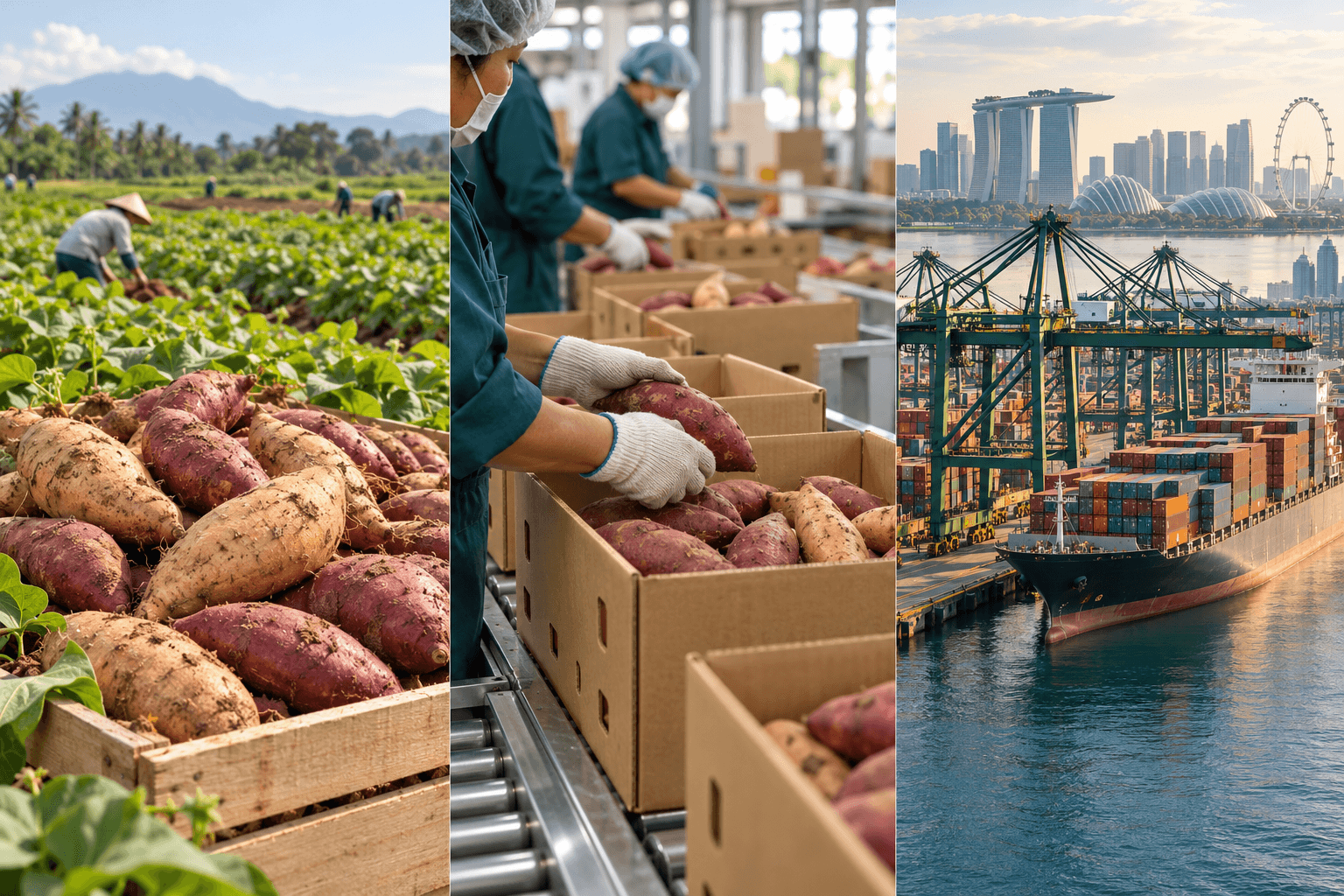
Sweet Potatoes Import Singapore Market Report
Explore Singapore’s sweet potato imports, leading suppliers, SFA requirements, pricing factors, and sourcing opportunities for Indonesian exporters.
Read article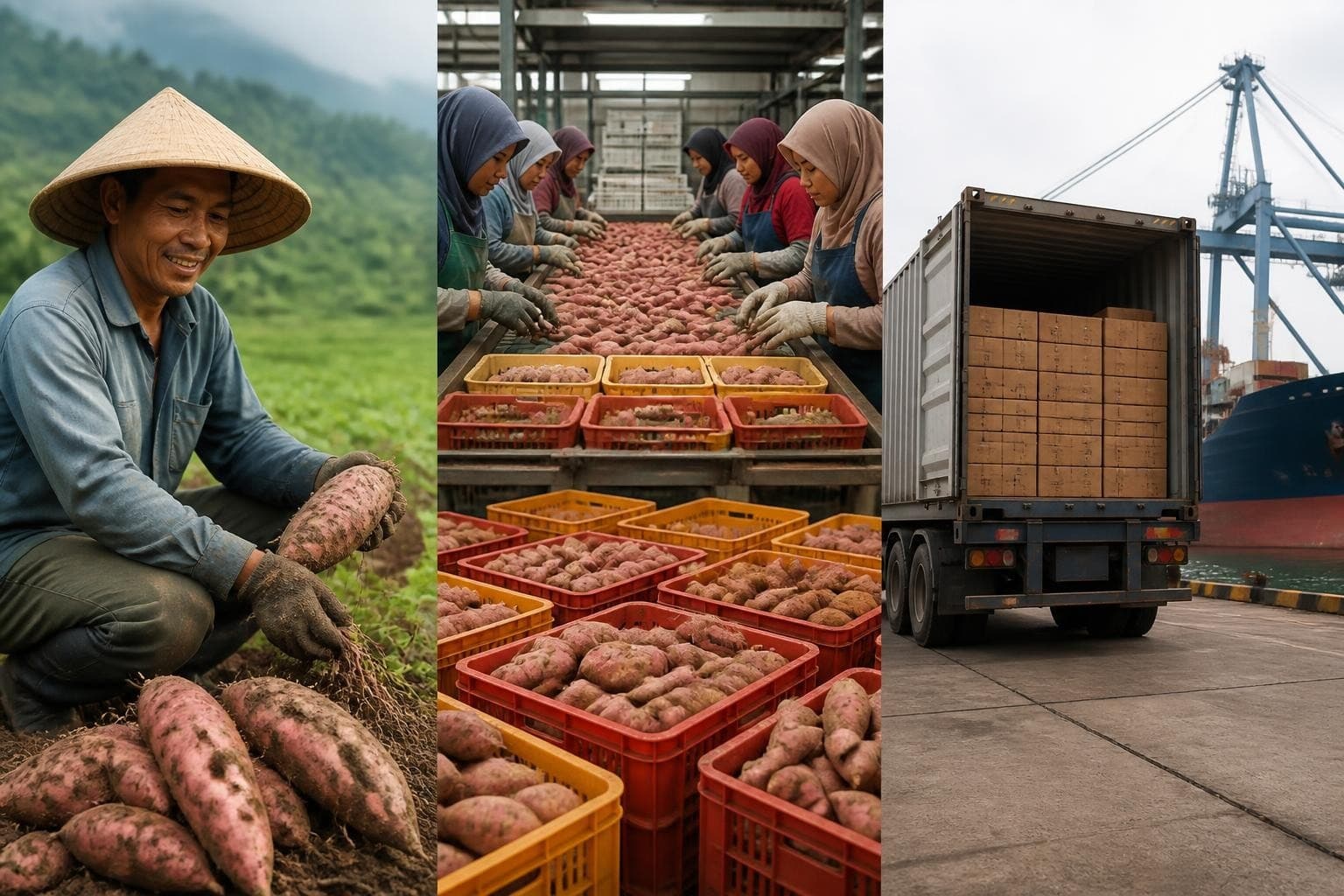
Wholesale Sweet Potatoes Indonesia: B2B Export Guide 2026
Source premium wholesale sweet potatoes Indonesia for import. Quality standards, export logistics, varieties, pricing & supplier partnerships.
Read article
Sweet Potatoes Supplier Indonesia: Quality & Export Guide
Find reliable sweet potatoes supplier Indonesia offering premium export quality. Learn about sourcing, grading, logistics, and partnerships.
Read article