
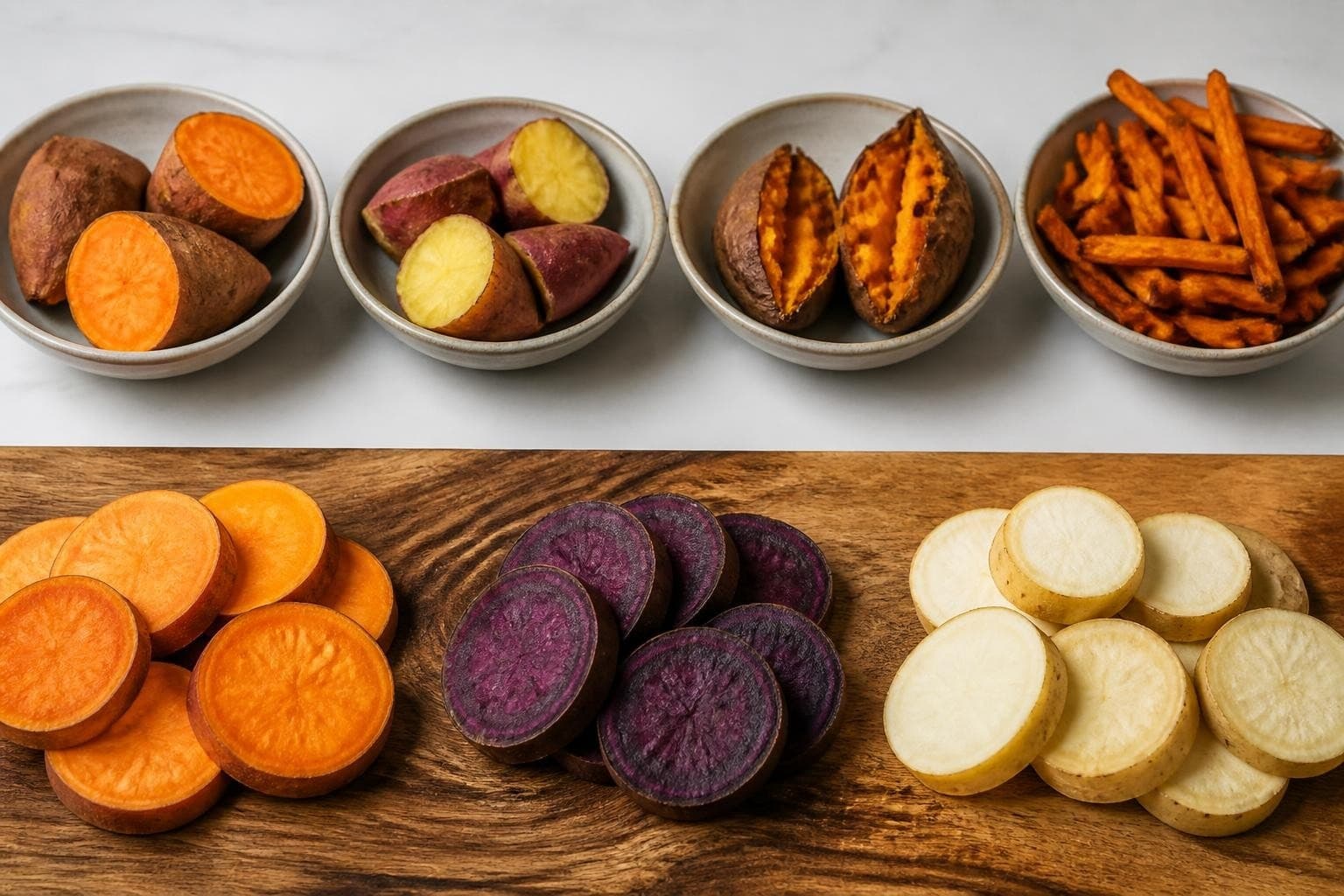
Understand sweet potato glycemic index ratings, how preparation affects GI values, and what importers need to know for health-focused markets.
The sweet potato glycemic index has become a crucial factor for health-conscious consumers and food buyers worldwide. As international demand shifts toward nutritious, low-glycemic foods, understanding how different sweet potato varieties and preparation methods affect blood sugar response helps importers, distributors, and retailers position their products effectively. For B2B buyers sourcing from Indonesia, glycemic index knowledge influences product selection, marketing strategies, and target market alignment.
Understanding Sweet Potato Glycemic Index Fundamentals
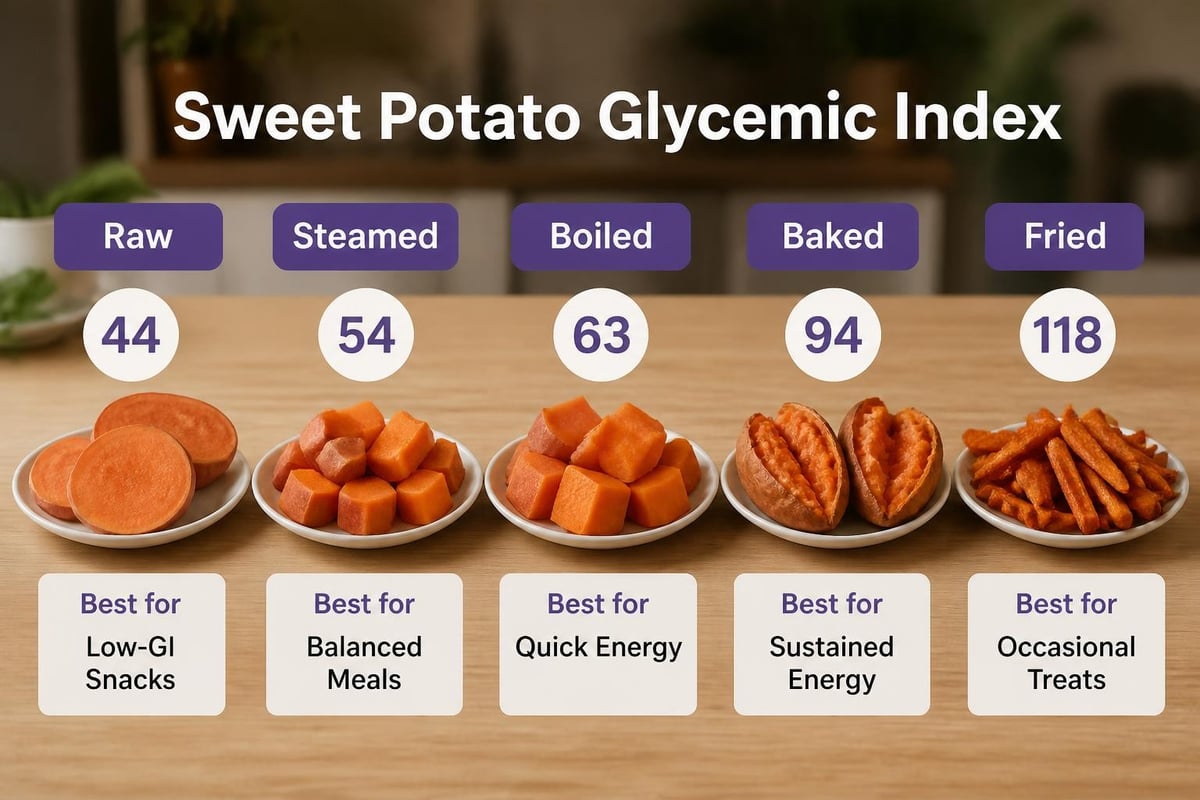
The glycemic index measures how quickly carbohydrate-containing foods raise blood glucose levels compared to pure glucose or white bread. Sweet potatoes typically range from 44 to 94 on the glycemic index scale, depending on variety, cooking method, and preparation techniques. This wide variation creates opportunities for buyers targeting different market segments.
Low glycemic foods (GI below 55) cause gradual blood sugar increases, making them suitable for diabetic-friendly products and weight management markets. Medium glycemic foods (GI 56-69) offer balanced energy release. High glycemic foods (GI 70 and above) provide rapid energy but may not suit health-focused consumers.
Factors Affecting Sweet Potato GI Values
Several variables determine the final sweet potato glycemic index rating:
- Variety and flesh color: Purple and orange varieties typically register lower GI values than white-fleshed types
- Cooking method: Boiling produces lower GI values than baking or frying
- Cooking duration: Longer cooking times break down starches, increasing GI
- Temperature when consumed: Cooled sweet potatoes develop resistant starch, lowering effective GI
- Ripeness: Fully mature sweet potatoes contain more converted sugars
- Processing and preparation: Mashing increases GI compared to eating whole pieces

The premium Indonesian sweet potatoes grown in West Java offer distinct advantages for health-conscious markets. The tropical climate and volcanic soil contribute to unique starch compositions that affect glycemic response differently than sweet potatoes from other origins.
Glycemic Index Variations by Sweet Potato Variety
Different sweet potato varieties exhibit significantly different glycemic index values, which matters for buyers targeting specific health segments.
| Variety Type | Typical GI Range | Best Market Application |
|---|---|---|
| Purple-fleshed | 44-54 (Low) | Diabetic-friendly products, premium health markets |
| Orange-fleshed | 50-70 (Low-Medium) | General retail, balanced nutrition positioning |
| White-fleshed | 65-85 (Medium-High) | Traditional markets, energy-focused products |
| Japanese/Murasaki | 48-58 (Low-Medium) | Specialty Asian markets, health retailers |
Purple sweet potatoes consistently demonstrate lower glycemic index values due to their anthocyanin content and resistant starch structure. These varieties, including the popular murasaki sweet potatoes, command premium prices in health food channels and specialty retailers focusing on functional foods.
Orange-fleshed varieties balance nutritional benefits with familiar taste profiles. Their moderate glycemic index makes them versatile for both mainstream and health-conscious markets. The beta-carotene content adds marketing value beyond glycemic considerations.
Indonesian Variety Selection for GI-Conscious Markets
Indonesian farms cultivate multiple sweet potato varieties with documented glycemic index profiles. For importers developing product lines around specific GI claims, variety selection becomes the foundation of sourcing strategy.
Cilembu sweet potatoes, a specialty variety from West Java, offer unique characteristics. Their natural honey-like sweetness develops during proper storage and preparation, yet they maintain relatively moderate glycemic values when prepared using appropriate cooking methods. This variety exemplifies how Indonesian sweet potato farms can provide differentiated products for discerning international buyers.
Purple varieties grown in Indonesian volcanic soils show particularly stable GI profiles across different growing seasons. This consistency matters for food manufacturers requiring predictable nutritional specifications for labeled products.
How Cooking Methods Impact Sweet Potato Glycemic Index
Preparation method dramatically alters the sweet potato glycemic index, creating opportunities for buyers to educate end customers and develop value-added products.
Boiling: Lowest Glycemic Impact
Boiling sweet potatoes produces the lowest glycemic index values, typically ranging from 44 to 61. The water-based cooking method prevents excessive starch gelatinization while maintaining structural integrity. For importers supplying food service operations or meal prep companies, promoting proper boiling techniques enhances product positioning.
Boiled sweet potatoes retain more resistant starch, which behaves like dietary fiber rather than rapidly digestible carbohydrate. This characteristic appeals to weight management programs and diabetic meal services.
Baking and Roasting: Moderate to High Impact
Baked sweet potatoes register higher on the glycemic index, often reaching 70-94 depending on temperature and duration. The dry heat fully gelatinizes starches, making them more rapidly digestible. However, Japanese sweet potato baked preparations remain popular despite higher GI values due to superior taste and texture.
Extended baking at high temperatures increases the sweet potato glycemic index substantially. For retailers positioning products for home cooking, providing temperature and timing guidance helps customers achieve desired glycemic outcomes.
Steaming: Balanced Approach
Steaming offers a middle ground with glycemic index values typically between 55 and 70. This method preserves nutrients while moderating starch conversion. Food manufacturers developing frozen or prepared sweet potato products often prefer steaming for nutritional consistency.
Cooling and Resistant Starch Formation
Cooked and cooled sweet potatoes develop increased resistant starch content, effectively lowering their glycemic impact when consumed cold or reheated. This property creates opportunities for:
- Ready-to-eat cold salad products
- Meal prep ingredients designed for refrigerated storage
- Functional food applications emphasizing blood sugar control
- Value-added processing that enhances nutritional profiles
Glycemic Load Versus Glycemic Index Considerations
While the sweet potato glycemic index measures blood sugar response per gram of carbohydrate, glycemic load accounts for typical serving sizes. This distinction matters for accurate product marketing and consumer education.
A medium sweet potato (150g) contains approximately 20-25g of carbohydrate. Even varieties with moderate GI values produce relatively low glycemic loads due to their fiber content and nutrient density. Buyers can leverage this nuance when positioning products against higher-GI alternatives like white potatoes or refined grains.
Glycemic Load Calculations:
- Low GL: 10 or below
- Medium GL: 11-19
- High GL: 20 or above
Most sweet potato servings fall into the medium glycemic load category, even when the sweet potato glycemic index rating appears moderately high. This makes them suitable for broader market applications than GI values alone might suggest.
Commercial Applications for Different GI Profiles
Understanding sweet potato glycemic index variations enables strategic product development and market positioning for B2B buyers.
Health Food Retail Channel
Retailers specializing in diabetic-friendly, weight management, or low-glycemic products require varieties with documented GI values below 55. Purple sweet potatoes and specifically prepared products meet these requirements. Importers should provide:
- Third-party GI testing documentation
- Preparation guidelines maintaining low GI values
- Consistent variety specifications across shipments
- Traceability to specific growing regions
Mainstream Supermarket Distribution
General grocery distribution benefits from moderate-GI orange varieties offering nutritional advantages over conventional potatoes. Marketing emphasizes vitamin content, fiber, and reasonable glycemic response rather than extreme low-GI claims. The bulk sweet potatoes supplier relationship must ensure variety consistency for retailer private label programs.
Food Manufacturing and Processing
Manufacturers developing formulated products need stable, predictable glycemic properties. This requires:
- Documented variety specifications with GI test results
- Consistent processing protocols affecting final GI values
- Quality control ensuring uniform starch composition
- Seasonal variation understanding and management
Food Service and Institutional Markets
Hospitals, schools, and corporate dining operations increasingly specify low-glycemic menu options. Providing education about preparation methods that minimize sweet potato glycemic index elevation adds value beyond basic supply relationships.
Quality Specifications Affecting Glycemic Properties
Beyond variety selection, several quality factors influence how sweet potatoes perform on glycemic measures after reaching international markets.
| Quality Factor | Impact on GI | Buyer Verification Method |
|---|---|---|
| Maturity at harvest | Fully mature tubers have higher sugar conversion | Visual inspection, growing records |
| Storage conditions | Extended storage increases sugar content | Temperature logs, storage duration |
| Physical damage | Stress responses alter starch composition | Quality grading at receipt |
| Size consistency | Affects cooking uniformity and GI variation | Size specification compliance |
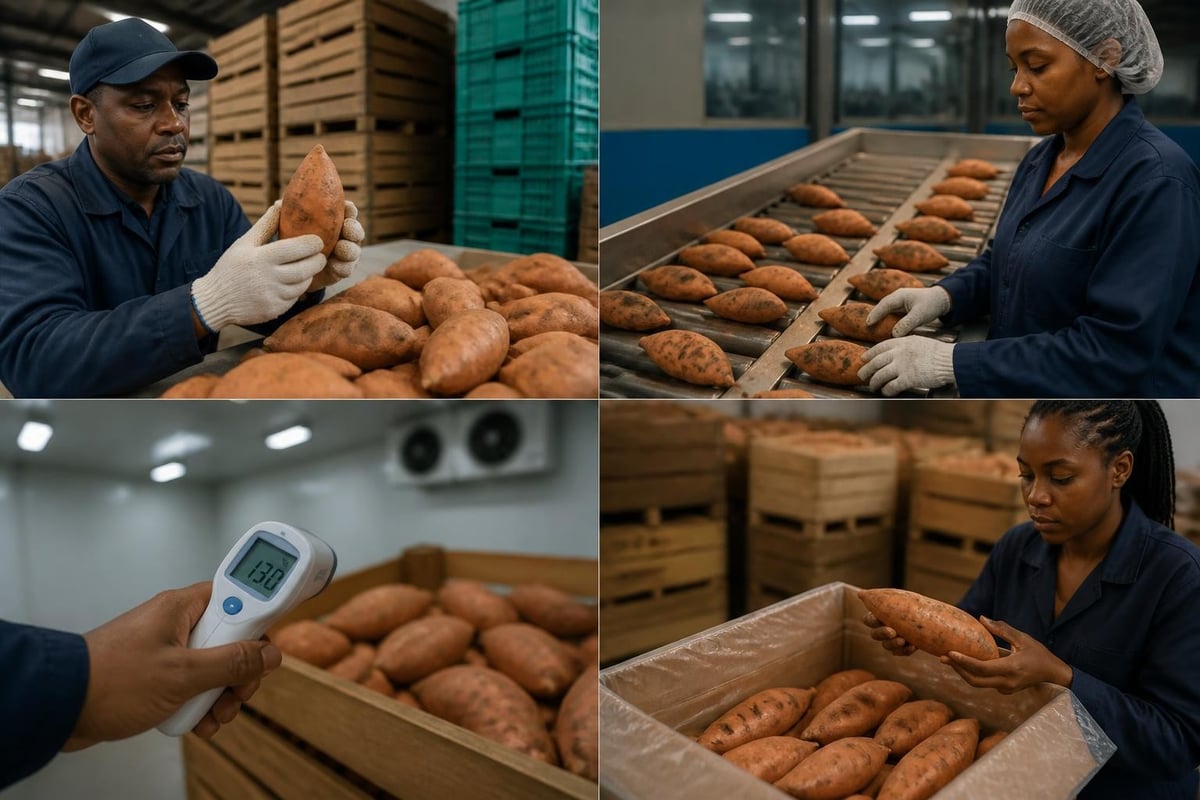
Professional sweet potatoes export packaging protects tubers from damage that could trigger stress responses affecting carbohydrate composition. Proper ventilation, temperature control, and handling prevent quality degradation that might alter glycemic properties.
Sourcing Strategies for GI-Specific Requirements
Importers developing health-focused product lines need systematic approaches to sourcing sweet potatoes with specific glycemic profiles.
Farm Partnership and Variety Control
Working with dedicated farm networks ensures variety consistency. The best sweet potatoes supplier in Asia relationships involve variety verification at the field level, preventing mixing that could compromise GI claims on finished products.
Direct farm relationships enable:
- Variety-specific harvest scheduling
- GI testing coordination with research institutions
- Growing practice optimization for desired starch profiles
- Documentation supporting health claims in target markets
Testing and Documentation Requirements
Markets making glycemic index claims require third-party testing following standardized protocols. Importers should establish testing relationships in origin countries or destination markets, depending on regulatory requirements.
Testing frequency depends on claimed accuracy and market regulations. Annual testing per variety and growing region provides baseline documentation, while lot-specific testing supports premium positioning or therapeutic food applications.
Seasonal Considerations
Sweet potato glycemic index can vary between growing seasons due to climate variations affecting starch development. Indonesian farms benefit from relatively stable tropical conditions, but understanding seasonal patterns prevents unexpected GI variations that could affect product claims.
Buyers should request multi-season GI data when available, particularly for varieties marketed specifically on glycemic properties. This due diligence protects against consumer complaints or regulatory issues in destination markets.
Regional Growing Advantages in Indonesia
Indonesian sweet potato production offers specific advantages for buyers focused on glycemic properties and health positioning. The volcanic soils in West Java contribute mineral compositions affecting starch structure and resistant starch formation.
Tropical growing conditions enable year-round production with minimal seasonal variation in tuber composition. This consistency supports predictable glycemic properties across supply cycles, reducing the testing burden and claim verification complexity that plague temperate-region suppliers.
Traditional Indonesian varieties have been cultivated for generations in conditions producing naturally lower-glycemic tubers. Modern agricultural practices combined with traditional variety knowledge create optimal conditions for health-focused sweet potato production.
Market Trends Driving GI Awareness
Global consumer awareness of glycemic index continues expanding, creating opportunities for properly positioned sweet potato imports. Several trends drive this growth:
- Diabetes epidemic: Rising global diabetes rates increase demand for blood-sugar-friendly foods
- Weight management focus: Low-GI diets gain mainstream acceptance for sustainable weight control
- Sports nutrition: Athletes recognize benefits of low-GI carbohydrates for sustained energy
- Functional food growth: Consumers seek foods providing specific health benefits beyond basic nutrition
- Clean eating movements: Whole foods with documented health properties replace processed alternatives
For sweet potatoes for weight loss positioned products, glycemic index becomes a primary selling feature. Importers and distributors capitalizing on these trends require reliable suppliers providing consistent glycemic properties with proper documentation.
Regulatory and Labeling Considerations
Different markets regulate glycemic index claims with varying stringency. Buyers must understand destination market requirements before making GI-specific sourcing decisions.
Key regulatory variations:
- Testing protocol requirements (ISO standards vs. regional methods)
- Minimum sample sizes for valid GI determination
- Claim substantiation documentation
- Labeling language restrictions
- Comparative claim limitations
Working with exporters experienced in international food regulations prevents costly compliance failures. The documentation supporting sweet potato glycemic index claims must meet both origin country export requirements and destination market import standards.
Building Customer Education Programs
Successful sweet potato marketing based on glycemic properties requires customer education beyond simple GI numbers. Distributors and retailers benefit from supplier-provided materials explaining:
- How preparation affects final glycemic impact
- Portion size recommendations for glycemic load management
- Recipe development maintaining low-GI properties
- Storage and handling preserving nutritional characteristics
- Comparative advantages versus alternative carbohydrate sources
Educational content adds value to basic supply relationships, differentiating knowledgeable suppliers from commodity traders. Point-of-sale materials, digital content, and food service training programs extend the value proposition beyond product delivery.
Integration with Broader Nutritional Positioning
The sweet potato glycemic index represents one component of comprehensive nutritional value. Successful market positioning integrates GI information with other health attributes including vitamin content, antioxidant properties, fiber density, and mineral composition.
Purple varieties offer particularly rich marketing narratives combining low glycemic index with high anthocyanin antioxidants. Orange varieties balance moderate GI with exceptional beta-carotene content. This multi-dimensional positioning appeals to sophisticated health-conscious consumers beyond single-attribute focus.
Importers should request complete nutritional analysis alongside GI testing, enabling comprehensive product stories that resonate across diverse market segments. The health sweet potatoes conversation extends well beyond glycemic considerations alone.
Understanding sweet potato glycemic index variations empowers importers, distributors, and retailers to strategically position products for health-conscious markets while educating customers about preparation methods that optimize nutritional benefits. Working with experienced Indonesian exporters who understand both agricultural factors and international market requirements ensures consistent quality and proper documentation. PT Cakra Baja Niaga partners with West Java farms to supply premium sweet potatoes with verified quality specifications, supporting international buyers developing health-focused product lines with reliable sourcing, transparent partnerships, and comprehensive export documentation.
Looking to source premium Indonesian sweet potatoes?
PT Cakra Baja Niaga supplies export-grade Cilembu, Purple, and Murasaki varieties to buyers worldwide.
Continue reading
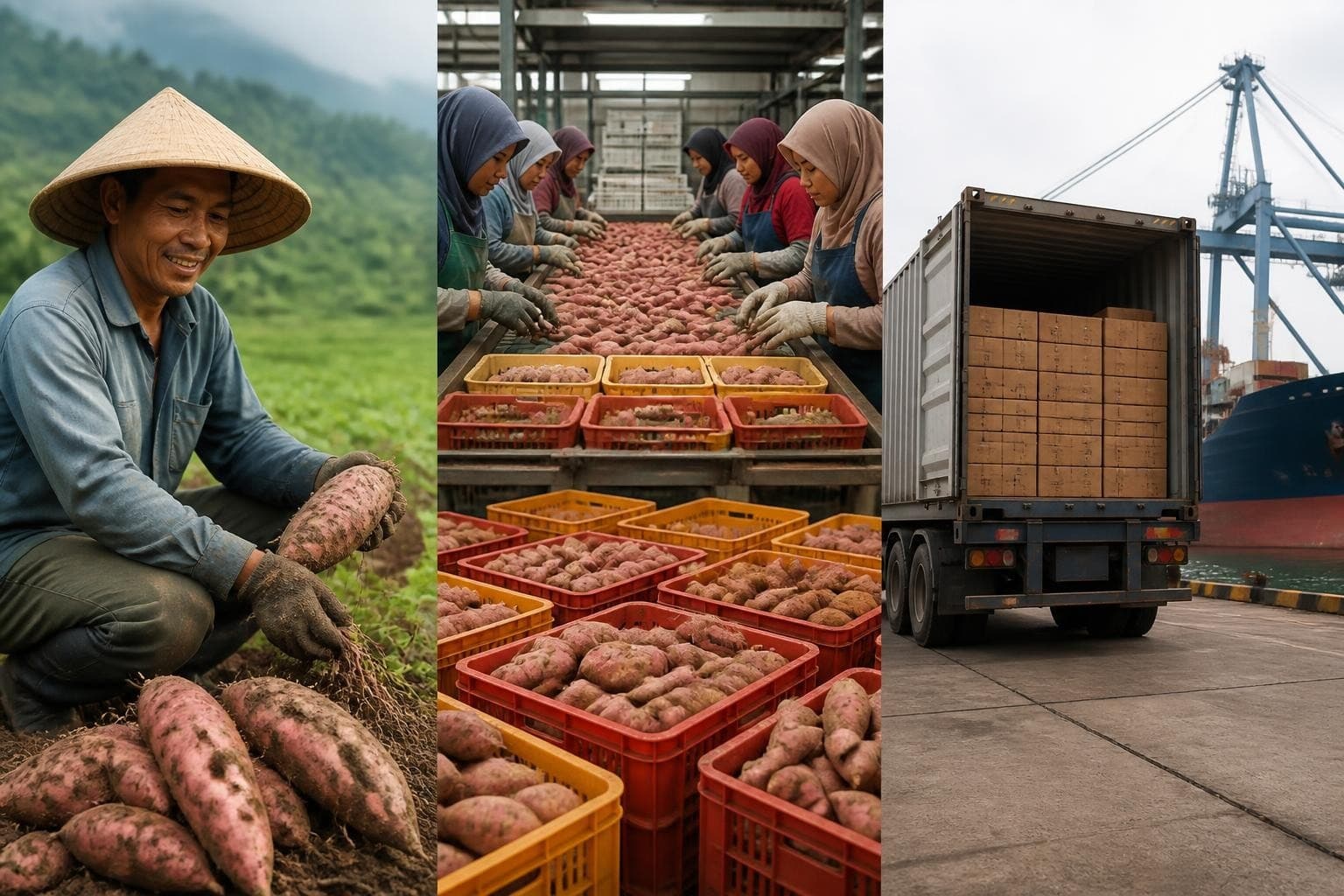
Wholesale Sweet Potatoes Indonesia: B2B Export Guide 2026
Source premium wholesale sweet potatoes Indonesia for import. Quality standards, export logistics, varieties, pricing & supplier partnerships.
Read article
Sweet Potatoes Supplier Indonesia: Quality & Export Guide
Find reliable sweet potatoes supplier Indonesia offering premium export quality. Learn about sourcing, grading, logistics, and partnerships.
Read article
Sweet Potatoes Grading Guide for International Buyers
Comprehensive sweet potatoes grading guide for exporters and importers. Learn USDA standards, size classification, defect tolerance, and quality control.
Read article