
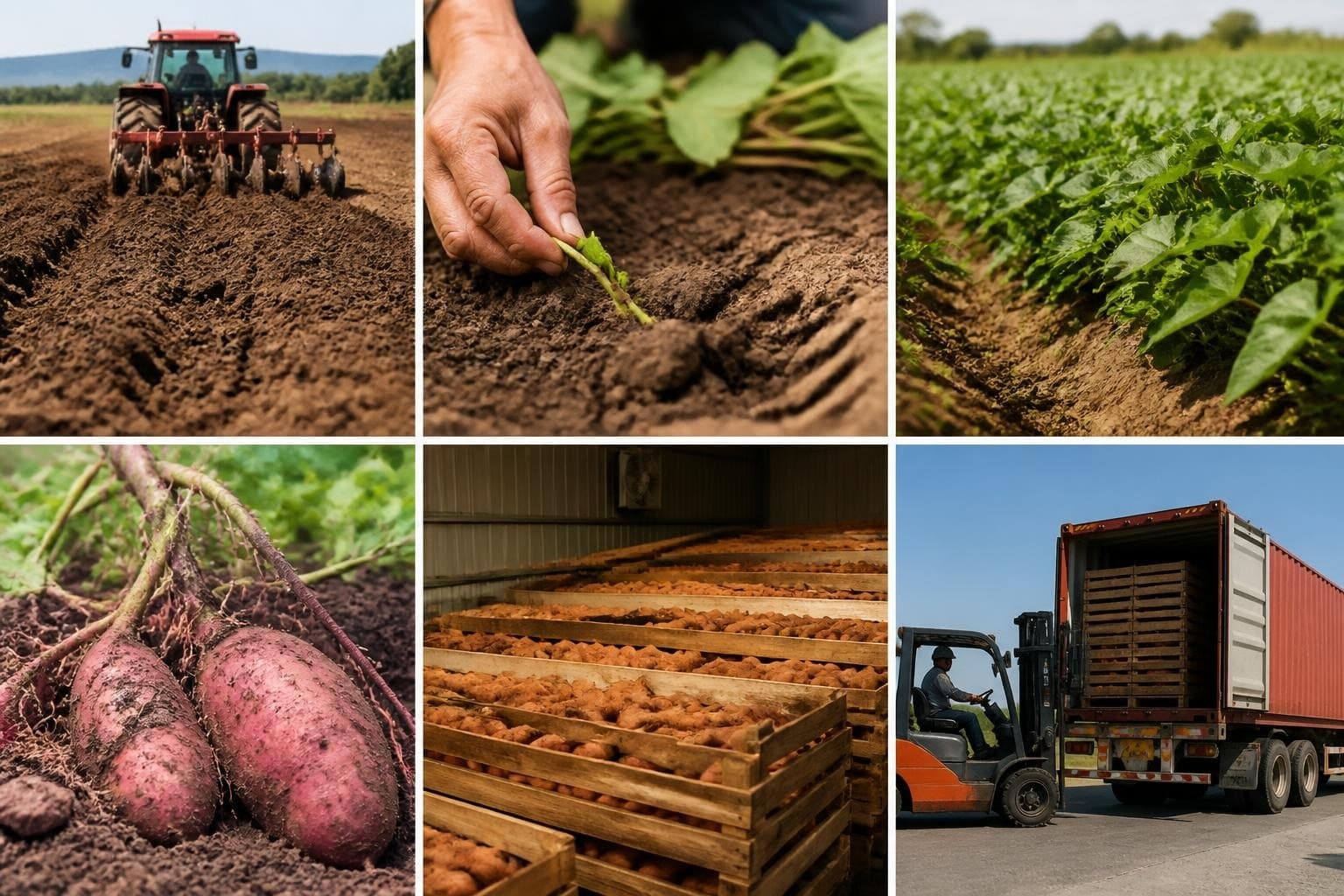
Explore how sweet potato farms operate, from cultivation to export. Learn best practices, production methods, and quality standards.
Sweet potato farms represent a critical component of global food security and agricultural commerce. As international demand for this nutritious crop continues to expand, understanding the operations, best practices, and quality standards that define successful sweet potato cultivation has become essential for importers, distributors, and retailers. From small family operations to large-scale commercial ventures, these farms employ specialized techniques to produce consistent, premium-grade products that meet the exacting standards of global markets.
Understanding Sweet Potato Farm Operations
Sweet potato farms vary significantly in scale, methodology, and market focus. Commercial operations typically span multiple hectares and employ sophisticated farming techniques to maximize yield and quality. These farms invest heavily in soil preparation, irrigation infrastructure, and post-harvest facilities to ensure their products meet international standards.
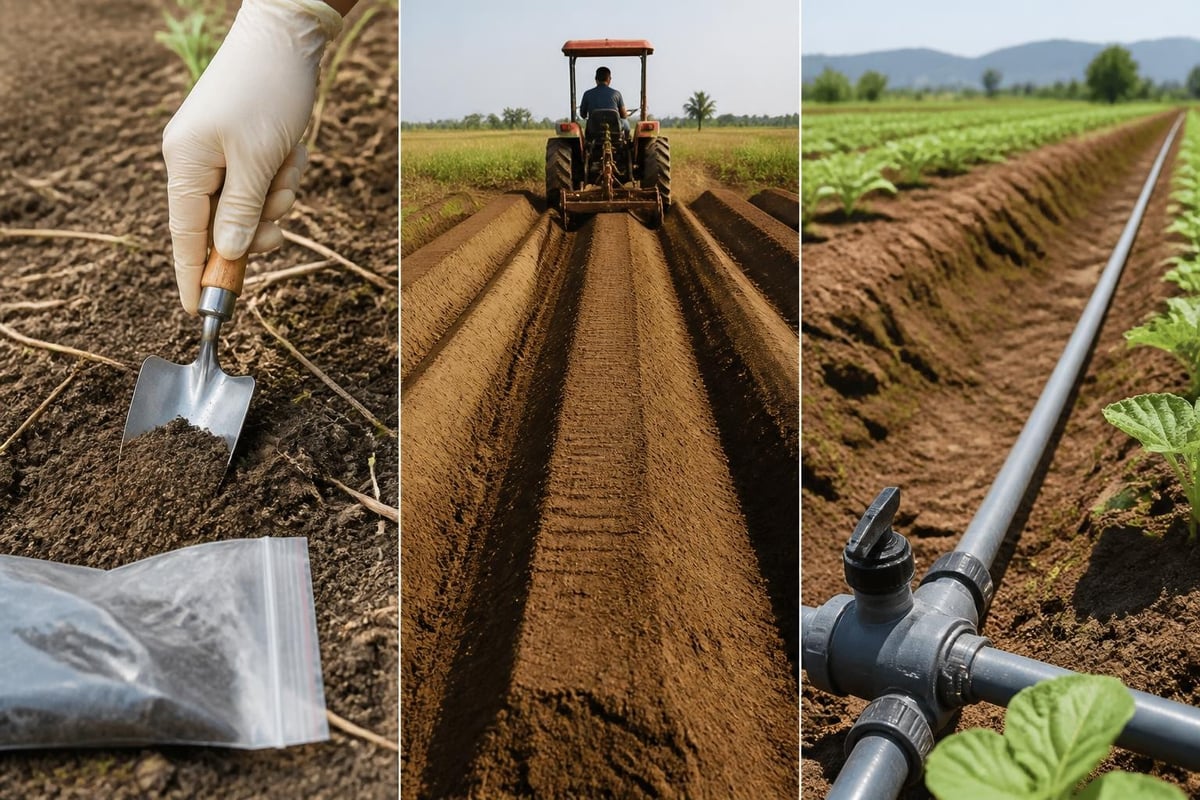
The operational framework of successful sweet potato farms begins with strategic land selection. Farmers prioritize well-drained soils with optimal pH levels between 5.8 and 6.2, as these conditions promote healthy root development and minimize disease pressure. Proper soil preparation and timing create the foundation for productive growing seasons.
Site Selection and Preparation
Modern sweet potato farms implement rigorous site evaluation protocols before planting. Key considerations include:
- Drainage capacity: Prevents waterlogging that causes root rot
- Previous crop history: Reduces pest and disease carryover
- Accessibility: Ensures efficient harvest and transportation logistics
- Soil composition: Sandy loam provides ideal growing conditions
- Sunlight exposure: Full sun exposure maximizes photosynthesis
Farmers typically prepare fields 4-6 weeks before planting, incorporating organic matter and adjusting pH levels as needed. Ridge or bed formation follows, creating elevated planting areas that enhance drainage and simplify harvesting operations. These preparation steps directly influence crop quality and marketability.
Cultivation Practices on Sweet Potato Farms
Successful cultivation requires attention to detail throughout the growing season. Sweet potato farms employ various propagation methods, with slip production and vine cuttings being most common. Commercial operations often maintain dedicated propagation beds to ensure disease-free planting material.
| Cultivation Stage | Timeline | Key Activities | Quality Impact |
|---|---|---|---|
| Propagation | Weeks 1-4 | Slip production, cutting preparation | Disease prevention |
| Planting | Week 5 | Field placement, spacing optimization | Uniform growth |
| Vegetative Growth | Weeks 6-14 | Irrigation, weed control, fertilization | Vine health |
| Root Development | Weeks 15-20 | Reduced watering, pest monitoring | Tuber formation |
| Maturation | Weeks 21-26 | Water restriction, harvest planning | Sugar content |
The growing process demands consistent management from experienced agricultural teams. Temperature regulation, particularly in tropical and subtropical regions, influences both yield and quality characteristics that international buyers prioritize.
Water Management Strategies
Irrigation practices significantly affect sweet potato quality and shelf life. Farms implement precision watering schedules that vary throughout the growth cycle. Early-stage plants require consistent moisture to establish root systems, while mature crops benefit from controlled water stress that concentrates sugars and improves storage characteristics.
Modern sweet potato farms increasingly adopt drip irrigation systems that deliver water directly to root zones. This approach conserves resources, reduces disease pressure, and enables precise nutrient delivery through fertigation programs. Water management becomes particularly critical during the final 3-4 weeks before harvest, when strategic reduction promotes skin hardening and extends post-harvest viability.
Quality Control and Certification
International buyers demand verifiable quality standards, driving sweet potato farms to implement comprehensive certification programs. These protocols encompass field practices, harvest procedures, and post-harvest handling that ensure products meet global food safety requirements.
Third-party certifications provide transparency that builds importer confidence. Many commercial farms pursue GlobalGAP, HACCP, or organic certifications that demonstrate commitment to sustainable practices and food safety. Documentation systems track every batch from planting through export, creating accountability that protects both producers and buyers.
Grading and Selection Standards
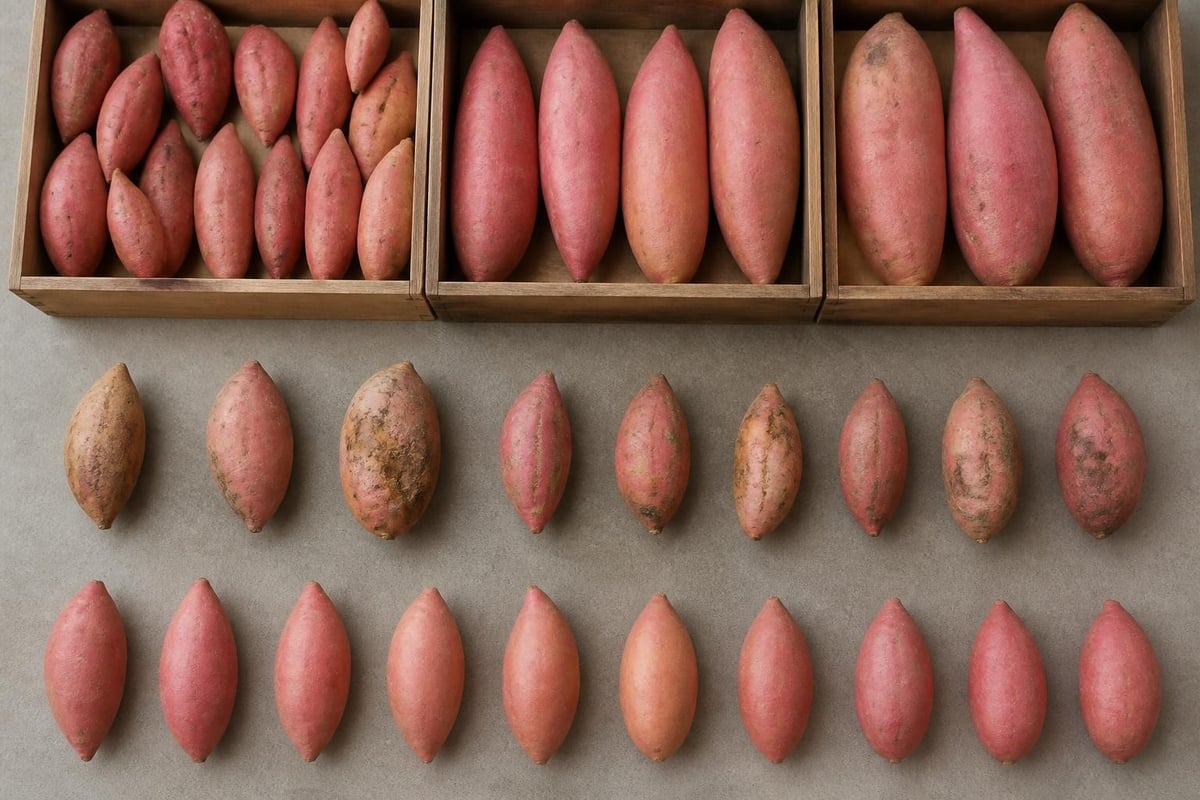
Professional sweet potato farms maintain strict grading systems that categorize products by size, shape, color uniformity, and surface quality. Standard classifications include:
- Premium Grade: Uniform size (200-400g), smooth skin, no defects
- Grade A: Consistent appearance, minimal cosmetic imperfections
- Grade B: Suitable for processing, variable size and shape
- Culls: Unsuitable for fresh market, used for animal feed or processing
This systematic approach ensures customers receive consistent products that meet their specific market requirements. Importers working with certified farms benefit from predictable quality that reduces waste and enhances consumer satisfaction.
Harvest and Post-Harvest Management
Timing harvest operations correctly distinguishes exceptional sweet potato farms from average producers. Commercial operations monitor crop maturity through regular field assessments, measuring both vine senescence and tuber development. Most varieties reach optimal maturity 100-140 days after planting, though specific timing depends on variety and growing conditions.
The harvest process requires careful handling to minimize skin damage that reduces marketability and storage life. Professional farms employ mechanical diggers that lift tubers with minimal bruising, followed by hand sorting that removes damaged or diseased roots.
Curing and Storage Protocols
Post-harvest curing represents a critical quality enhancement step that many sweet potato farms have perfected. This controlled process heals minor harvest wounds, develops optimal flavor profiles, and extends shelf life by weeks or months.
Professional curing facilities maintain specific environmental conditions:
- Temperature: 28-30°C (82-86°F)
- Humidity: 85-95% relative humidity
- Duration: 7-10 days
- Ventilation: Controlled air circulation prevents condensation
Following curing, farms transfer sweet potatoes to long-term storage facilities maintained at 13-16°C with 85% humidity. These conditions preserve quality for 6-12 months, enabling year-round supply that international markets require. Storage facility investment separates professional operations from small-scale producers unable to maintain consistent export availability.
Economic Considerations for Sweet Potato Farms
Understanding production economics helps importers appreciate pricing structures and supply chain dynamics. Commercial sweet potato farms face significant capital requirements for land preparation, irrigation infrastructure, curing facilities, and storage warehouses. These investments demand careful financial planning and market analysis.
| Cost Category | Percentage of Total | Optimization Strategies |
|---|---|---|
| Labor | 35-40% | Mechanization, seasonal workforce |
| Inputs | 25-30% | Bulk purchasing, integrated pest management |
| Infrastructure | 15-20% | Multi-year amortization, shared facilities |
| Transportation | 10-15% | Strategic location, consolidated shipping |
| Overhead | 5-10% | Efficient administration, technology adoption |
The economic impact of sweet potato production extends beyond individual farms to regional development. Many producing areas have built processing industries, transportation networks, and agricultural services that support farming communities and create employment opportunities.
Risk Management Approaches
Professional sweet potato farms implement diversification strategies that protect against market volatility and production challenges. These include:
- Variety selection: Multiple cultivars with different maturity dates
- Market diversification: Fresh market, processing, and export channels
- Crop insurance: Weather and price protection programs
- Forward contracts: Guaranteed pricing with established buyers
- Technology investment: Precision agriculture reduces input costs
Importers benefit from partnering with farms that employ sophisticated risk management, as these operations demonstrate greater supply consistency and business longevity.
Disease and Pest Management
Maintaining plant health throughout the growing season directly impacts marketable yield and export quality. Sweet potato farms contend with various pathogens and pests that threaten production, requiring integrated management approaches that combine cultural practices, biological controls, and judicious pesticide application.
Common challenges include sweet potato weevil, wireworms, root-knot nematodes, and fungal diseases like Fusarium wilt and black rot. Research on pathogen management demonstrates that preventive strategies deliver better economic outcomes than reactive treatments.
Preventive Health Strategies
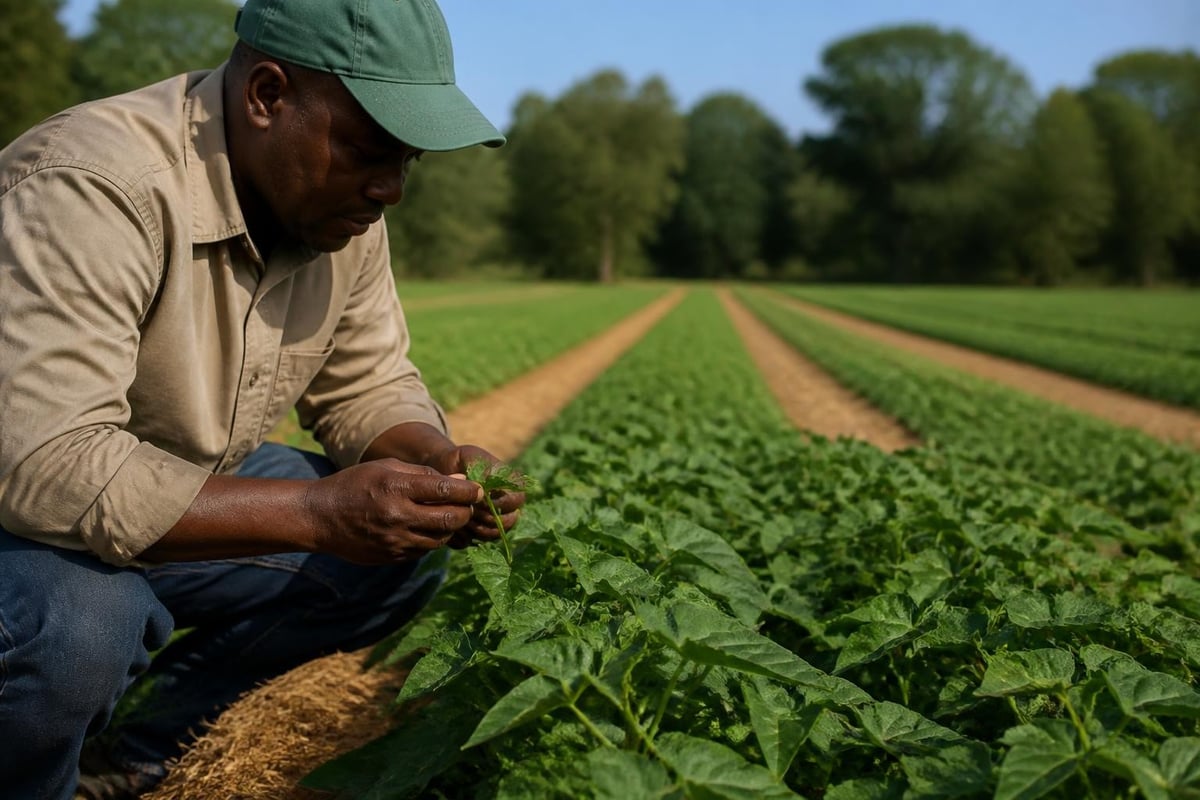
Leading sweet potato farms prioritize prevention through systematic protocols:
- Clean planting material: Disease-free slips from certified sources
- Crop rotation: 3-4 year cycles with non-host crops
- Field sanitation: Removal of infected plants and crop residues
- Beneficial insects: Natural predators for pest suppression
- Monitoring programs: Weekly scouting identifies problems early
These practices reduce chemical inputs, lower production costs, and create products that meet international residue standards. Importers increasingly request testing certificates that verify compliance with destination country regulations, making preventive management both economically and commercially advantageous.
Sustainable Farming Practices
Environmental stewardship has become essential for sweet potato farms targeting premium markets. Sustainable practices address soil health, water conservation, biodiversity, and carbon footprint reduction while maintaining economic viability.
Progressive farms implement conservation tillage that minimizes soil disturbance, preserves organic matter, and reduces erosion. Cover cropping between production cycles adds nitrogen, suppresses weeds, and improves soil structure. These approaches enhance long-term productivity while demonstrating environmental responsibility that resonates with conscious consumers.
Organic Production Systems
Organic sweet potato farms represent the fastest-growing segment of specialty production. These operations substitute synthetic inputs with approved alternatives like composted manure, mineral amendments, and biological pest controls. While organic certification requires 3-year transition periods and intensive management, premium pricing often justifies additional effort.
Organic farms face unique challenges including limited weed control options and restricted disease management tools. Successful organic cultivation requires exceptional soil fertility, diverse crop rotations, and meticulous field hygiene that prevents pest and disease establishment.
International Trade Considerations
Sweet potato farms serving export markets must navigate complex regulatory requirements that vary by destination country. Understanding phytosanitary standards, residue limits, and documentation requirements separates successful exporters from operations limited to domestic markets.
Professional farms maintain relationships with agricultural authorities, testing laboratories, and certification bodies that facilitate international trade. Pre-shipment inspections verify products meet importing country standards, while comprehensive documentation proves compliance with food safety regulations.
Building Buyer Relationships
Long-term partnerships between sweet potato farms and international buyers create mutual benefits. Farms gain market stability and planning certainty, while importers secure reliable supply chains and consistent quality. Successful relationships typically involve:
- Direct communication: Farm visits and regular updates build trust
- Transparent pricing: Clear cost structures and market-based adjustments
- Quality guarantees: Specifications agreed in advance with testing protocols
- Flexible production: Variety selection aligned with buyer preferences
- Supply planning: Harvest scheduling coordinated with import requirements
Many international buyers, including distributors and retailers, prefer working with farms that demonstrate professional management, quality consistency, and growth capacity. For those seeking additional insights into agricultural best practices and industry developments, the PT Cakra Baja Niaga blog offers valuable resources about sweet potato production and export operations.
Technology Adoption in Modern Farming
Innovative sweet potato farms increasingly leverage technology to improve efficiency, reduce costs, and enhance product quality. Precision agriculture tools enable data-driven decision-making that optimizes inputs and maximizes returns.
GPS-guided planting equipment ensures consistent spacing and bed formation that simplify mechanical harvesting. Soil moisture sensors trigger irrigation only when necessary, conserving water while preventing stress. Drone imagery identifies pest hotspots and nutrient deficiencies before visible symptoms appear, enabling targeted interventions that reduce input costs.
Data Management Systems
Commercial operations implement farm management software that tracks field activities, input applications, labor allocation, and harvest yields. These systems generate reports that satisfy certification requirements, identify improvement opportunities, and provide financial transparency that facilitates business planning.
Advanced farms integrate weather monitoring, soil testing results, and historical yield data to create predictive models that inform planting decisions and variety selection. This analytical approach reduces guesswork and improves consistency across growing seasons.
Regional Production Characteristics
Sweet potato farms operate across diverse geographical regions, each offering unique advantages and challenges. Understanding regional characteristics helps importers identify optimal sourcing locations for specific market needs.
| Region | Growing Season | Primary Varieties | Key Advantages | Typical Challenges |
|---|---|---|---|---|
| Southeast Asia | Year-round | Orange, purple varieties | Consistent supply, low labor costs | Monsoon disruptions, disease pressure |
| East Africa | Bimodal seasons | Orange-fleshed improved varieties | Expanding production, competitive pricing | Infrastructure limitations, certification gaps |
| North America | April-October | Beauregard, Covington | Advanced technology, quality certifications | Higher costs, seasonal availability |
| Central America | Extended season | Traditional and improved types | Proximity to North American markets | Hurricane risk, smaller farm scale |
West Java, Indonesia, exemplifies tropical production advantages with reliable rainfall, fertile volcanic soils, and established agricultural infrastructure. The region's sweet potato farms benefit from experienced workforce, proximity to export ports, and supportive government policies that facilitate international trade.
Workforce Development and Training
Skilled labor represents the foundation of quality sweet potato production. Progressive farms invest in workforce training that covers planting techniques, pest identification, harvest timing, and post-harvest handling. This knowledge transfer ensures consistent practices across all team members.
Many commercial operations establish training programs for seasonal workers who return annually for harvest operations. Experienced teams develop efficiency that reduces labor costs per unit while improving product quality through careful handling. Understanding cultivation requirements enables workers to identify and address problems before they impact marketable yield.
Safety and Compliance Training
Professional sweet potato farms prioritize worker safety through comprehensive training programs and protective equipment provision. Safety protocols cover equipment operation, chemical handling, heat stress prevention, and emergency response procedures.
Compliance training ensures workers understand food safety requirements, quality standards, and documentation procedures that support certification programs. Well-trained teams become quality ambassadors who take ownership of production outcomes and contribute to continuous improvement initiatives.
Future Trends in Sweet Potato Production
The sweet potato industry continues evolving in response to market demands, environmental challenges, and technological innovations. Forward-thinking farms monitor emerging trends and adapt practices to maintain competitive advantages.
Climate-resilient varieties developed through conventional breeding and biotechnology offer improved drought tolerance, pest resistance, and nutritional profiles. These cultivars enable production expansion into marginal lands while reducing input requirements and environmental impact.
Consumer preferences increasingly favor specialty varieties including purple-fleshed types rich in anthocyanins and white-fleshed varieties popular in Asian markets. Farms that diversify variety portfolios position themselves to capture premium market segments.
Mechanization Advances
Labor availability challenges drive mechanization investment across sweet potato farms worldwide. Improved harvesting equipment minimizes tuber damage while reducing workforce requirements. Automated grading systems sort products by size and quality with precision exceeding manual operations.
These technological advances particularly benefit medium and large-scale operations capable of justifying capital investments through volume production. Advanced farming techniques continue emerging as equipment manufacturers develop solutions specific to sweet potato handling characteristics.
Sweet potato farms play an essential role in feeding growing global populations while creating economic opportunities for agricultural communities. Understanding the complexities of cultivation, quality management, and international trade requirements enables importers and distributors to build successful supply chains that deliver consistent value. For international buyers seeking reliable sources of premium sweet potatoes backed by transparent partnerships and professional farm management, PT Cakra Baja Niaga connects you directly with certified West Java producers committed to quality, sustainability, and long-term collaboration.
Looking to source premium Indonesian sweet potatoes?
PT Cakra Baja Niaga supplies export-grade Cilembu, Purple, and Murasaki varieties to buyers worldwide.
Continue reading
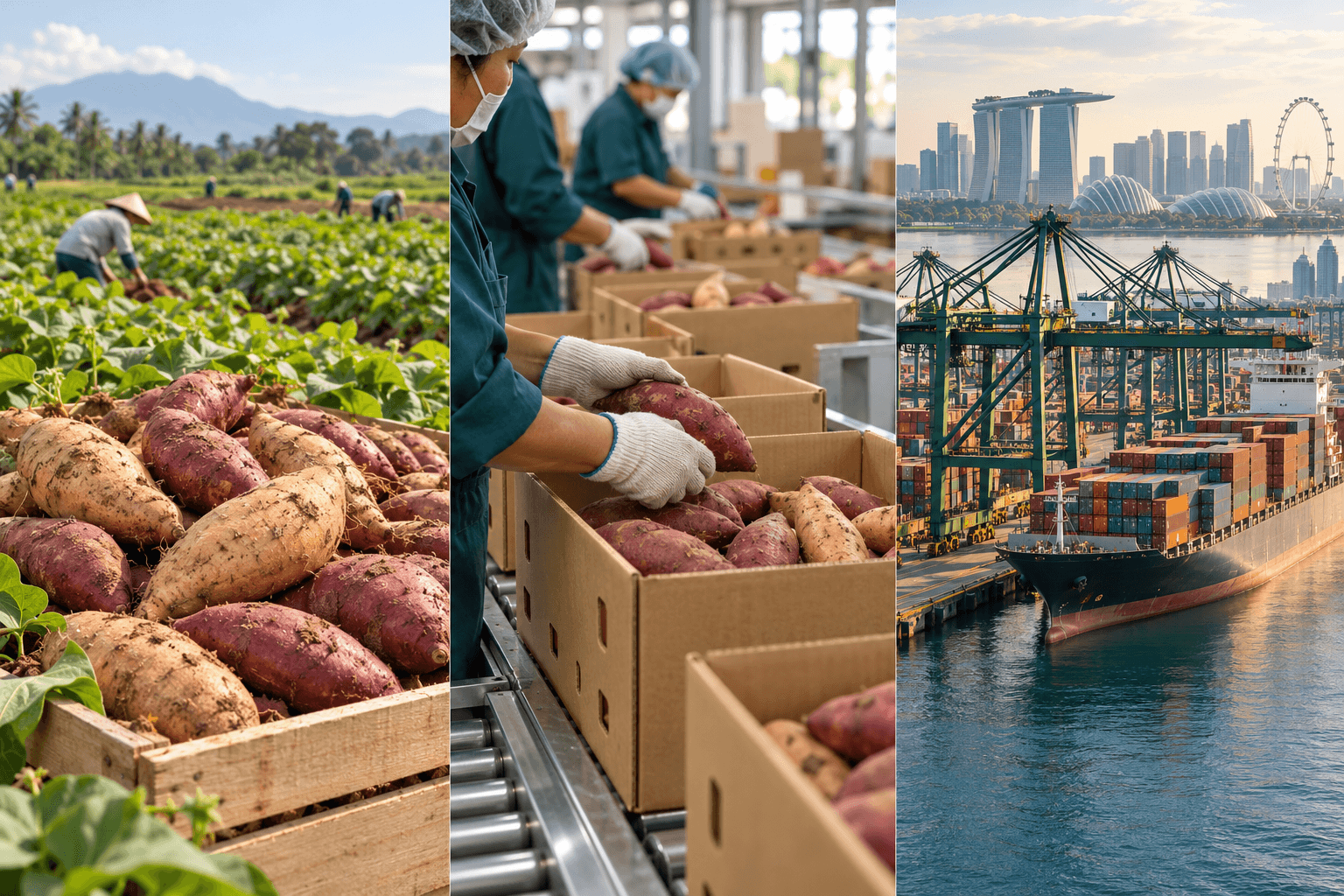
Sweet Potatoes Import Singapore Market Report
Explore Singapore’s sweet potato imports, leading suppliers, SFA requirements, pricing factors, and sourcing opportunities for Indonesian exporters.
Read article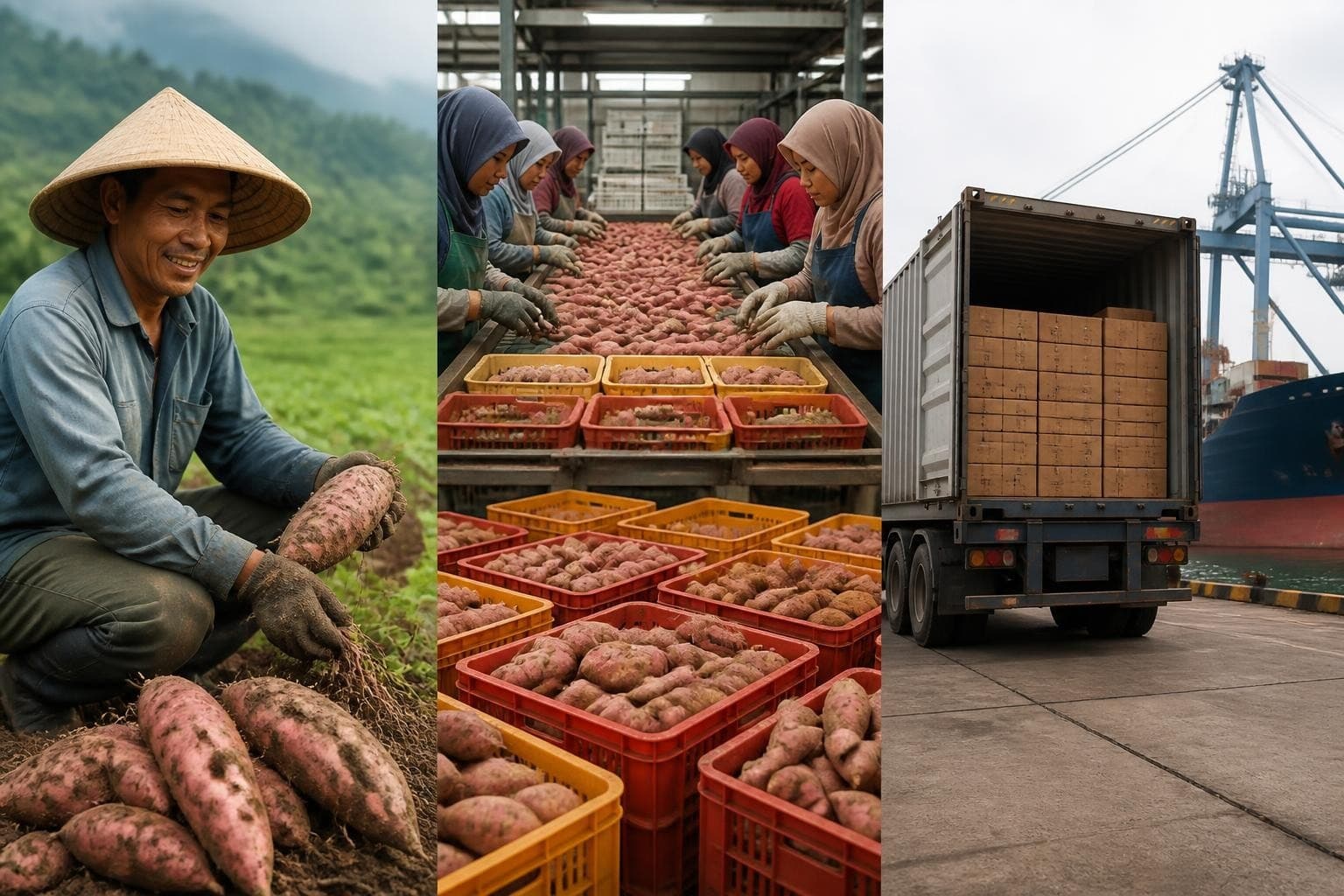
Wholesale Sweet Potatoes Indonesia: B2B Export Guide 2026
Source premium wholesale sweet potatoes Indonesia for import. Quality standards, export logistics, varieties, pricing & supplier partnerships.
Read article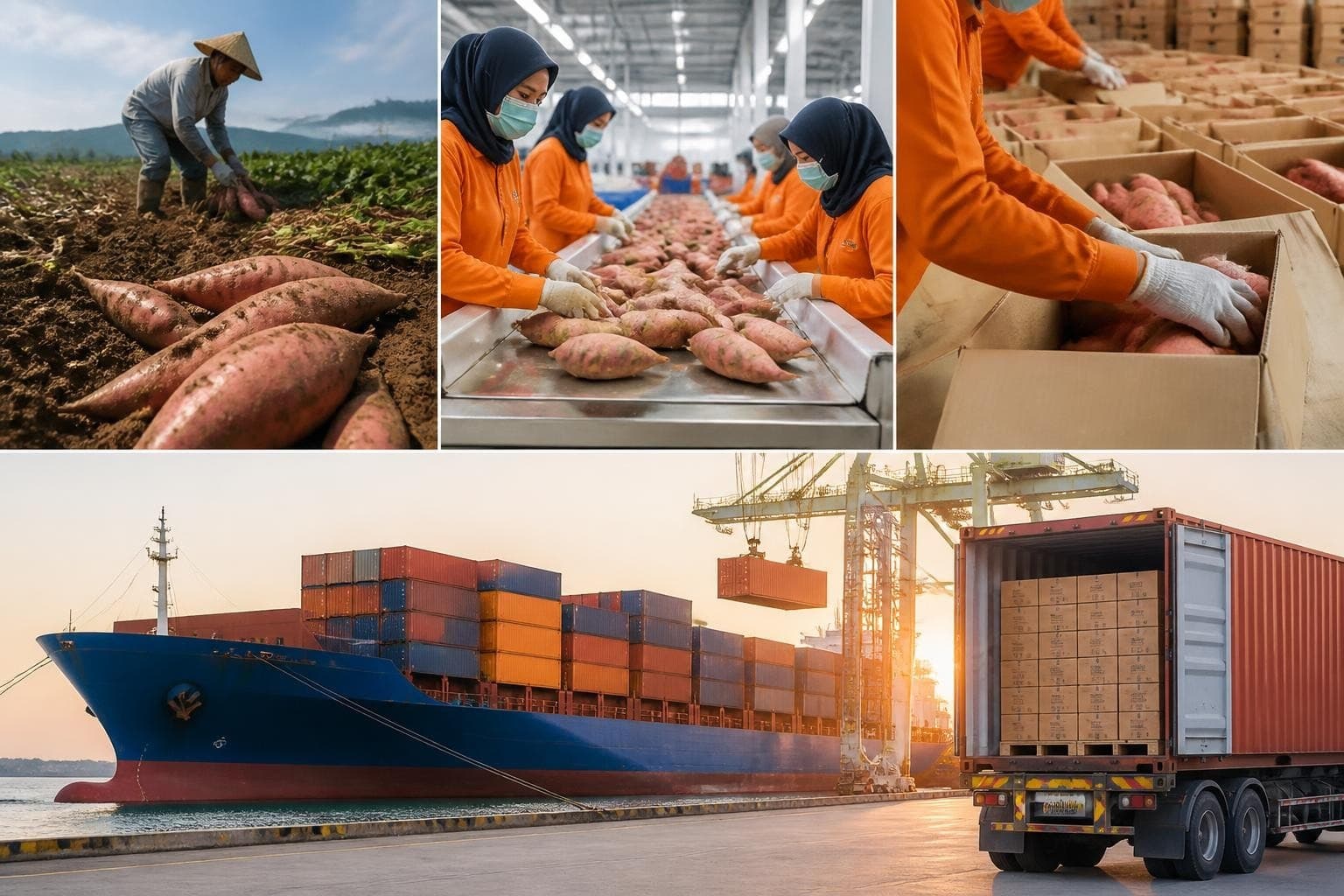
Sweet Potatoes Supplier Indonesia: Quality & Export Guide
Find reliable sweet potatoes supplier Indonesia offering premium export quality. Learn about sourcing, grading, logistics, and partnerships.
Read article