
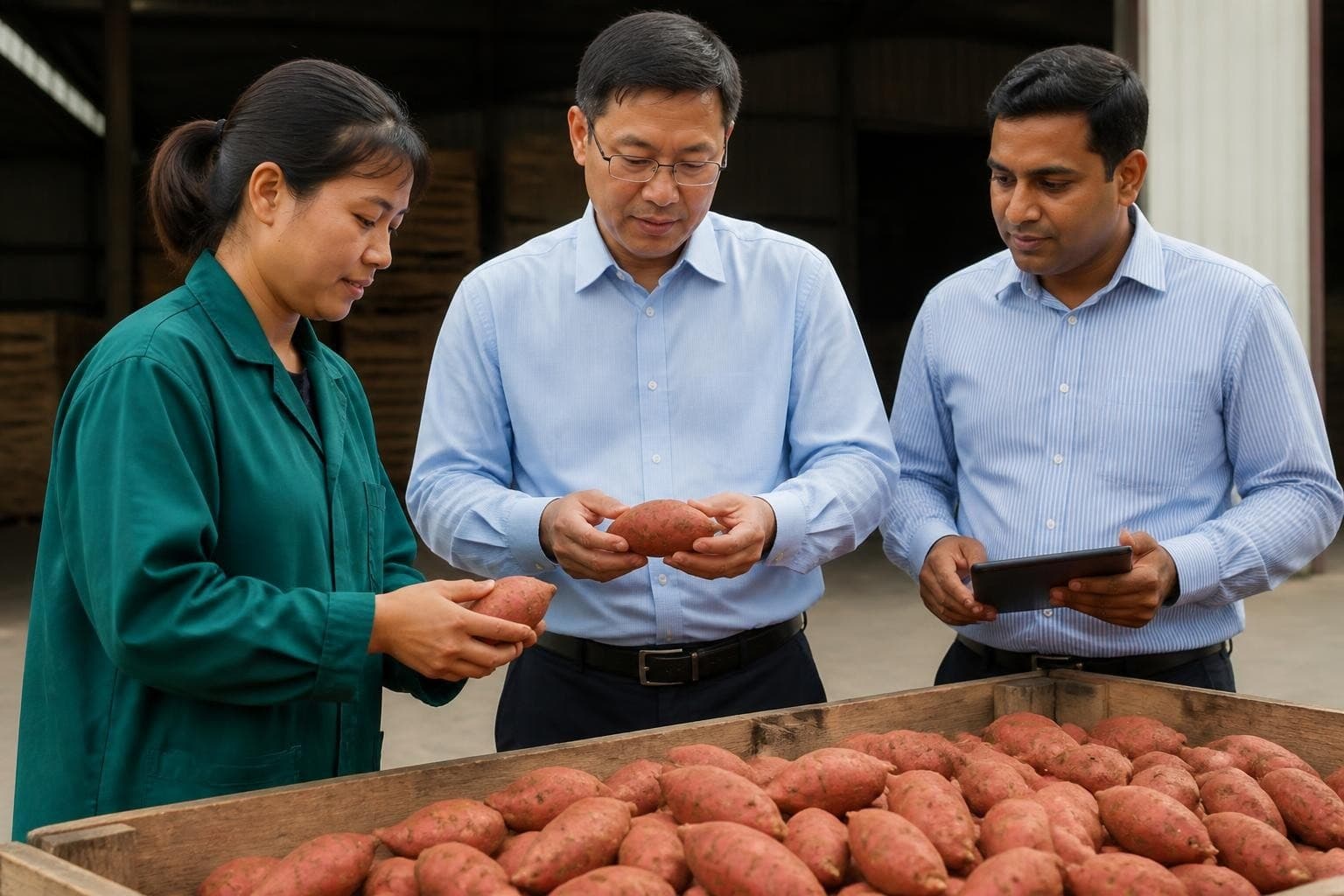
Find the best sweet potatoes supplier in Asia. Compare quality standards, certifications, logistics, and export capabilities for B2B buyers.
Asia dominates global sweet potato production, accounting for over 85% of the world's output according to data from sweet potato production across the continent. For international importers, distributors, and food manufacturers seeking reliable sweet potato sources, identifying the best sweet potatoes supplier in Asia requires evaluating production capacity, quality control systems, export infrastructure, and compliance with international food safety standards. This comprehensive guide examines the critical factors that distinguish premium suppliers from commodity traders, helping B2B buyers make informed sourcing decisions.
Regional Production Landscape and Supplier Concentration
Asian sweet potato production centers around several key regions, each offering distinct advantages for export-focused operations. China leads in absolute volume, while Indonesia, Vietnam, India, and Bangladesh contribute substantial production targeted at both domestic and international markets.
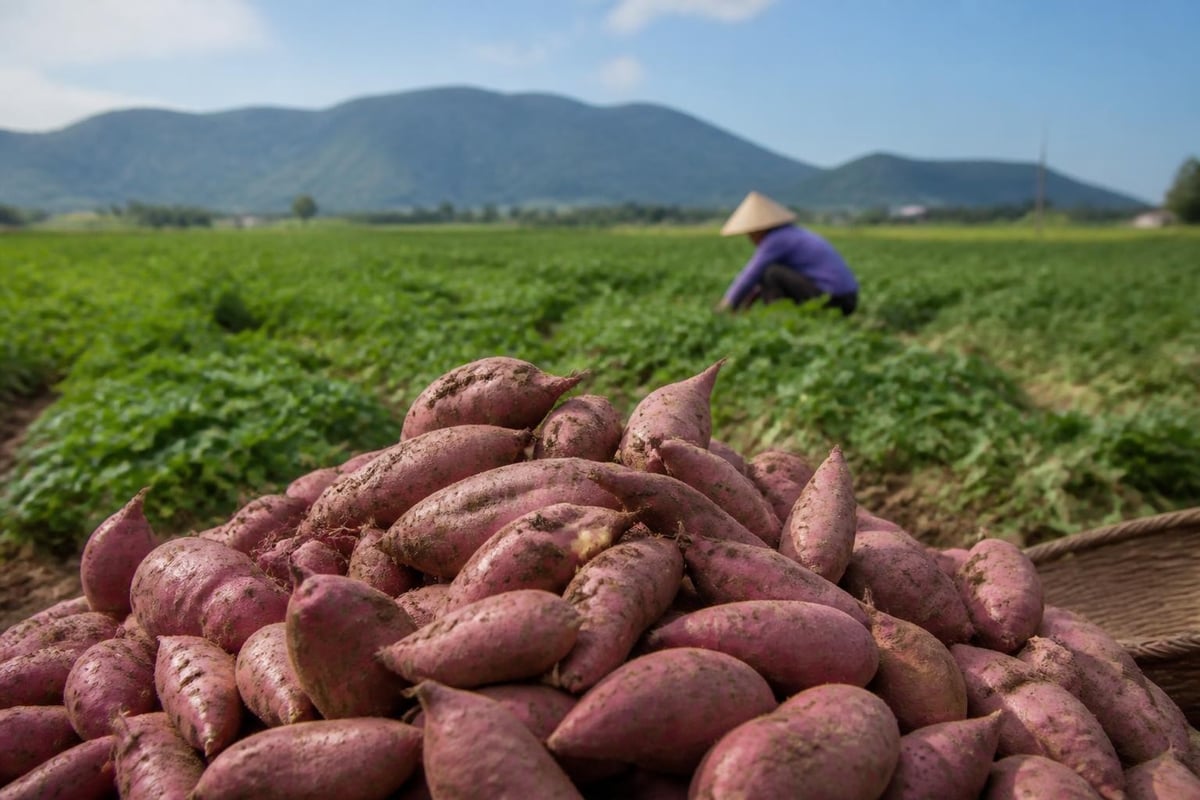
Indonesia's West Java region has emerged as a strategic sourcing hub for premium sweet potatoes, particularly varieties like Cilembu that meet international taste preferences. The region's volcanic soil composition, tropical climate with distinct wet and dry seasons, and established farming communities create ideal growing conditions.
Production Volume Versus Export Quality
Understanding the distinction between production volume and export-grade quality proves essential when selecting suppliers. The economic significance of sweet potatoes in Asia extends beyond raw tonnage to encompass value-added capabilities.
| Country | Annual Production | Export Infrastructure | Quality Consistency | Certification Adoption |
|---|---|---|---|---|
| Indonesia | 1.8M tons | High | Excellent | GAP, GlobalGAP |
| China | 51M tons | Moderate | Variable | Mixed standards |
| Vietnam | 1.4M tons | Growing | Good | Improving |
| India | 1.1M tons | Limited | Inconsistent | Regional variance |
Indonesia's combination of moderate production scale with superior export infrastructure positions suppliers like PT Cakra Baja Niaga to deliver consistent quality without the logistics bottlenecks common in higher-volume markets.
Quality Control Systems and Grading Standards
The best sweet potatoes supplier in Asia implements comprehensive quality control beginning at the farm level and continuing through post-harvest handling, storage, and export preparation. Premium suppliers establish formal grading criteria aligned with international buyer specifications.
Farm-Level Quality Management
Direct partnerships with certified farms enable suppliers to control variety selection, cultivation practices, and harvest timing. Indonesian exporters working with West Java farming communities typically implement:
- Soil testing and amendment programs to maintain optimal nutrient profiles
- Irrigation management systems ensuring consistent moisture during tuber development
- Integrated pest management reducing chemical residue concerns
- Harvest scheduling coordinated with export shipment timelines
This farm-level engagement distinguishes premium suppliers from commodity brokers who purchase from spot markets without production oversight.
Post-Harvest Processing Standards
Professional grading facilities equipped with calibrated sorting equipment separate sweet potatoes by size, shape, color uniformity, and absence of defects. Export-grade processing includes:
- Initial field sorting removing damaged or undersized tubers
- Washing and curing optimizing skin set and storage life
- Mechanical grading by diameter and weight classifications
- Manual inspection eliminating surface defects
- Pre-cooling and storage at controlled temperature and humidity
The health benefits of sweet potatoes remain intact when suppliers maintain cold chain integrity from field to container.
Certification and Compliance Framework
International food safety certifications serve as objective verification of supplier capabilities. When evaluating the best sweet potatoes supplier in Asia, B2B buyers should prioritize partners holding recognized third-party certifications.
Essential certifications for export suppliers include:
- Good Agricultural Practices (GAP) certification demonstrating food safety at production level
- GlobalGAP providing internationally recognized farm assurance
- HACCP certification for processing and packing facilities
- Phytosanitary compliance meeting import country plant health requirements
- Organic certification when targeting premium organic segments
Indonesian suppliers benefit from government support programs facilitating certification adoption, making compliance standards more accessible compared to fragmented markets where individual farms struggle with certification costs.

Traceability and Documentation
Modern importers increasingly require complete traceability from specific farm plots through export documentation. Premium Asian suppliers implement digital tracking systems recording:
| Documentation Element | Purpose | Buyer Benefit |
|---|---|---|
| Farm registration | Source identification | Quality accountability |
| Planting records | Variety verification | Consistency assurance |
| Input logs | Chemical compliance | Food safety confidence |
| Harvest dates | Age verification | Storage life prediction |
| Lot numbers | Batch tracking | Recall capability |
This transparency level enables buyers to meet their own downstream traceability obligations while building confidence in supplier reliability.
Export Logistics and Supply Chain Infrastructure
The best sweet potatoes supplier in Asia maintains robust export logistics capabilities ensuring product arrives in optimal condition regardless of destination market. Infrastructure considerations extend beyond production quality to encompass the entire supply chain.
Container Management and Cold Chain
Sweet potatoes destined for distant markets require precise temperature and humidity control throughout shipping. Professional exporters utilize:
- Refrigerated container options for temperature-sensitive varieties
- Modified atmosphere packaging extending shelf life
- Container stuffing protocols preventing mechanical damage
- Real-time monitoring systems tracking temperature during transit
Indonesian export suppliers benefit from direct access to major shipping lanes through Jakarta's Tanjung Priok port and Surabaya's Tanjung Perak port, offering competitive transit times to Middle East, Asian, and European markets.
Documentation and Customs Expertise
Export documentation complexity often separates efficient suppliers from those causing shipment delays. Experienced exporters handle:
- Phytosanitary certificates from agriculture authorities
- Certificate of Origin documents
- Fumigation certificates when required by import regulations
- Commercial invoices with accurate HS code classification
- Packing lists detailing container contents
- Bill of lading coordinated with freight forwarders
Companies like PT Cakra Baja Niaga specializing in sweet potato exports maintain dedicated export compliance teams preventing documentation errors that delay customs clearance.
Variety Selection and Market Matching
Different international markets favor specific sweet potato varieties based on culinary traditions, color preferences, and taste profiles. The best sweet potatoes supplier in Asia offers variety expertise matching products to target markets.
Popular Asian Export Varieties
Indonesian suppliers typically cultivate multiple varieties serving distinct market segments:
- Cilembu (honey sweet potato) with naturally sweet flavor appealing to East Asian and Middle Eastern buyers interested in honey sweet potatoes
- Murasaki sweet potatoes featuring purple skin and white flesh favored in Japanese markets
- Orange-fleshed varieties high in beta-carotene targeting health-conscious European markets
- Purple-fleshed varieties with antioxidant properties for premium retail channels
Understanding different colors of sweet potatoes and their market applications enables buyers to select appropriate varieties for their customer base.
Seasonal Production Planning
Unlike temperate regions with single annual harvests, tropical Indonesian production enables multiple planting cycles coordinated with international demand patterns. Strategic suppliers schedule plantings to ensure year-round availability, avoiding supply gaps common in seasonal markets.
Supplier Evaluation Criteria for B2B Buyers
Systematic supplier assessment reduces sourcing risk and establishes foundation for long-term partnerships. Professional procurement teams evaluate potential Asian sweet potato suppliers across multiple dimensions.
Financial stability and business longevity indicate supplier capacity to fulfill contracts during market fluctuations. Request audited financial statements and verify business registration with relevant government authorities.
Production capacity verification ensures suppliers can meet volume requirements without quality compromises. Visit partner farms or request third-party production audits confirming claimed capacity.
References from existing international buyers provide insight into supplier performance under real commercial conditions. Contact current customers in similar market segments assessing delivery reliability and quality consistency.

Sample Evaluation and Trial Orders
Before committing to large contracts, conduct systematic product evaluation through sample shipments and trial orders:
- Request certified samples shipped via export logistics (not courier) replicating commercial conditions
- Conduct organoleptic testing evaluating appearance, texture, taste, and cooking characteristics
- Measure shelf life under your distribution conditions
- Assess packaging integrity after simulated handling
- Place trial container order verifying supplier operational capabilities
This graduated approach minimizes risk while establishing performance baseline for ongoing business.
Pricing Structures and Payment Terms
Understanding Asian sweet potato pricing dynamics enables buyers to negotiate effectively while ensuring supplier sustainability. The best sweet potatoes supplier in Asia maintains transparent pricing reflecting actual costs rather than opportunistic market speculation.
Cost Components in Export Pricing
Professional suppliers provide detailed pricing breakdowns including:
| Cost Element | Typical Range | Variability Factors |
|---|---|---|
| Farm gate price | 35-45% | Season, variety, quality grade |
| Processing & grading | 15-20% | Quality standards, rejection rates |
| Packaging materials | 8-12% | Carton specifications, branding |
| Domestic logistics | 5-8% | Farm distance, infrastructure |
| Export documentation | 2-3% | Certification requirements |
| Freight to port | 3-5% | Container consolidation efficiency |
| Supplier margin | 10-15% | Volume, relationship, payment terms |
This transparency allows buyers to understand pricing sensitivity to various factors and structure contracts accordingly.
Payment Term Negotiations
Standard international trade payment terms for sweet potato exports typically involve Letters of Credit or advance payment arrangements for new relationships. Established partnerships may graduate to:
- Net 30-60 day terms for buyers with proven payment history
- Consignment arrangements for market development initiatives
- Volume rebates rewarding annual commitment levels
- Quality incentives encouraging continuous improvement
Indonesian exporters generally offer more flexible terms than larger markets where suppliers have less incentive to accommodate individual buyer requirements.
Sustainability and Social Responsibility
Modern B2B buyers increasingly evaluate suppliers on environmental and social performance alongside traditional quality and price metrics. The best sweet potatoes supplier in Asia demonstrates commitment to sustainable practices benefiting farming communities.
Environmental stewardship initiatives worth evaluating include:
- Water conservation through drip irrigation and rainwater harvesting
- Soil health programs incorporating organic matter and crop rotation
- Renewable energy adoption in processing facilities
- Packaging materials using recyclable or biodegradable options
Social responsibility programs that distinguish premium suppliers:
- Fair pricing structures providing sustainable farmer incomes
- Training programs upgrading farming community skills
- Transparent business relationships without exploitative intermediaries
- Community development investments in rural infrastructure
Understanding the origin of sweet potatoes and traditional cultivation in Indonesian farming communities provides context for evaluating supplier community relationships.
Risk Management and Business Continuity
Supply chain resilience has become critical for buyers following recent global disruptions. The best sweet potatoes supplier in Asia implements risk mitigation strategies protecting against production, logistics, and regulatory challenges.
Production Risk Mitigation
Diversification across multiple farm partners in different microclimates reduces weather-related supply disruptions. Premium suppliers maintain:
- Geographic diversity spreading production across regions with different rainfall patterns
- Variety diversification offering alternatives if specific varieties face disease pressure
- Inventory buffers through controlled-atmosphere storage extending supply beyond immediate harvest
- Agronomic support helping partner farms prevent pest and disease issues
Logistics Contingency Planning
Export logistics face potential disruptions from port congestion, container shortages, or freight capacity constraints. Experienced suppliers prepare contingencies including:
- Multiple port options avoiding single point of failure
- Freight forwarder relationships across multiple carriers
- Alternative routing when primary shipping lanes face delays
- Communication protocols keeping buyers informed of potential impacts
This proactive approach demonstrates supplier commitment to delivery reliability beyond simple price competition.
Technology Adoption and Innovation
Forward-looking sweet potato suppliers leverage technology improving quality, traceability, and operational efficiency. When selecting the best sweet potatoes supplier in Asia, consider innovation indicators suggesting continuous improvement capability.
Precision agriculture technologies being adopted by leading Indonesian suppliers include:
- Soil moisture sensors optimizing irrigation timing
- Drone imagery identifying crop health issues early
- Weather station networks informing harvest scheduling
- Digital record-keeping replacing paper-based farm logs
Supply chain digitization enhancing buyer experience through:
- Online ordering portals providing real-time inventory visibility
- Shipment tracking dashboards with container location updates
- Digital quality documentation replacing physical certificates
- Blockchain traceability pilots for premium product lines
Suppliers investing in these capabilities demonstrate commitment to long-term competitiveness rather than short-term profit maximization.
Building Strategic Supplier Partnerships
The most successful B2B sweet potato sourcing relationships evolve beyond transactional spot purchases toward strategic partnerships delivering mutual value. The best sweet potatoes supplier in Asia seeks collaborative relationships rather than arm's-length commodity transactions.
Partnership development strategies include:
- Joint product development customizing varieties or grades for specific market needs
- Shared market intelligence exchanging demand forecasts improving production planning
- Co-investment in quality where buyers fund farm improvements benefiting both parties
- Long-term contracts providing volume visibility enabling supplier capacity expansion
Indonesian exporters with production flexibility appreciate buyers willing to commit to partnership approaches, often responding with preferential pricing, priority allocation during tight supply periods, and collaborative problem-solving when challenges arise.
Communication and Relationship Management
Cultural understanding and communication effectiveness significantly impact relationship success. When working with Asian suppliers, recognize:
- Decision-making processes may involve consultation across organizational levels
- Face-to-face meetings (or video calls) build trust more effectively than email alone
- Holiday periods (especially Chinese New Year and Idul Fitri) affect production schedules
- Clear specifications prevent misunderstandings better than assumptions
Investing time in relationship development yields dividends through improved responsiveness, flexibility during unexpected situations, and preferential treatment when supply tightens.
Finding the best sweet potatoes supplier in Asia requires systematic evaluation of quality systems, certifications, logistics capabilities, and partnership potential beyond simple price comparison. For international buyers seeking premium Indonesian sweet potatoes with consistent quality and reliable export service, PT Cakra Baja Niaga offers direct farm partnerships in West Java, comprehensive quality control, and transparent business practices. Contact their export team for product specifications, certifications, sample shipments, and customized quotations matching your specific market requirements.
Looking to source premium Indonesian sweet potatoes?
PT Cakra Baja Niaga supplies export-grade Cilembu, Purple, and Murasaki varieties to buyers worldwide.
Continue reading
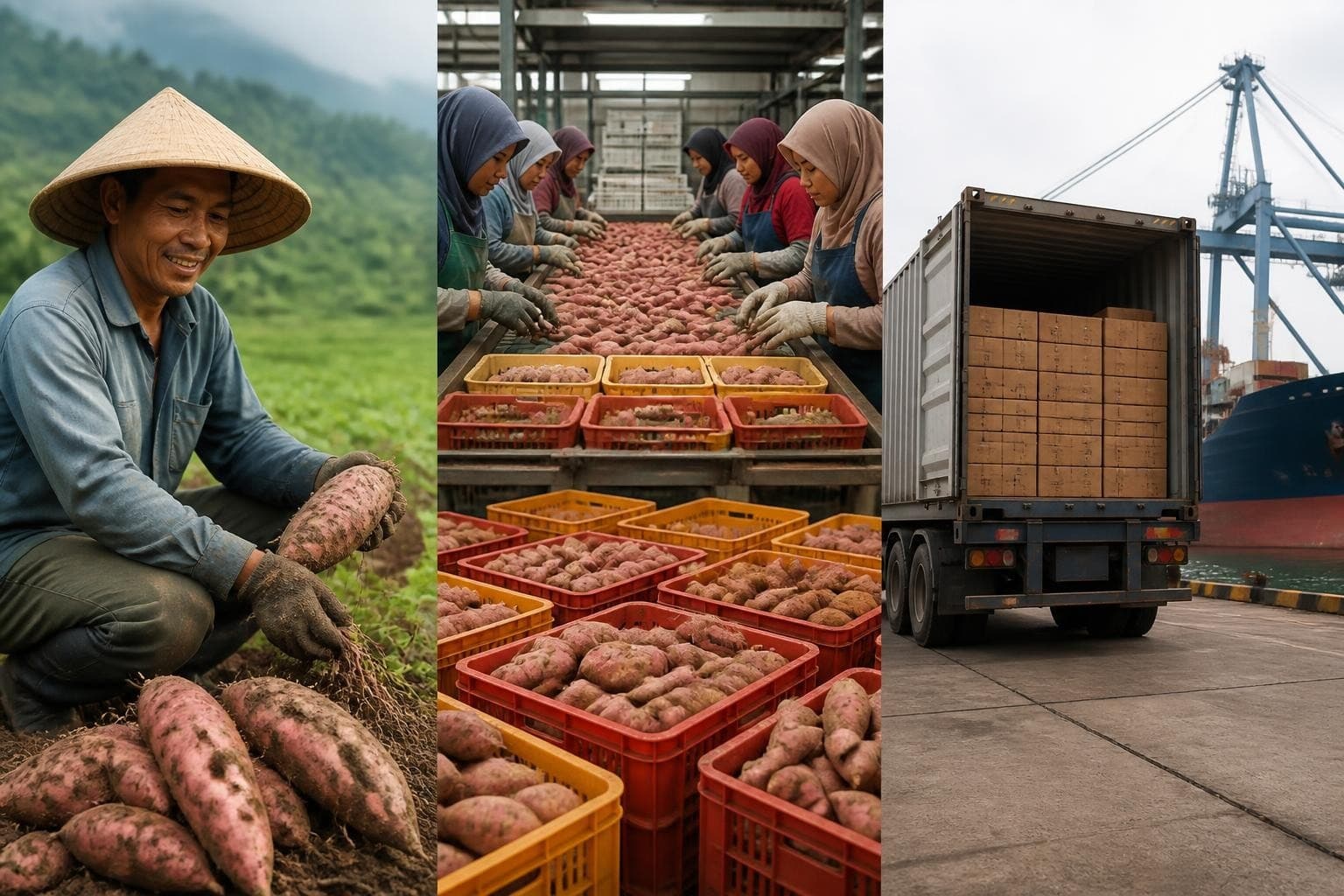
Wholesale Sweet Potatoes Indonesia: B2B Export Guide 2026
Source premium wholesale sweet potatoes Indonesia for import. Quality standards, export logistics, varieties, pricing & supplier partnerships.
Read article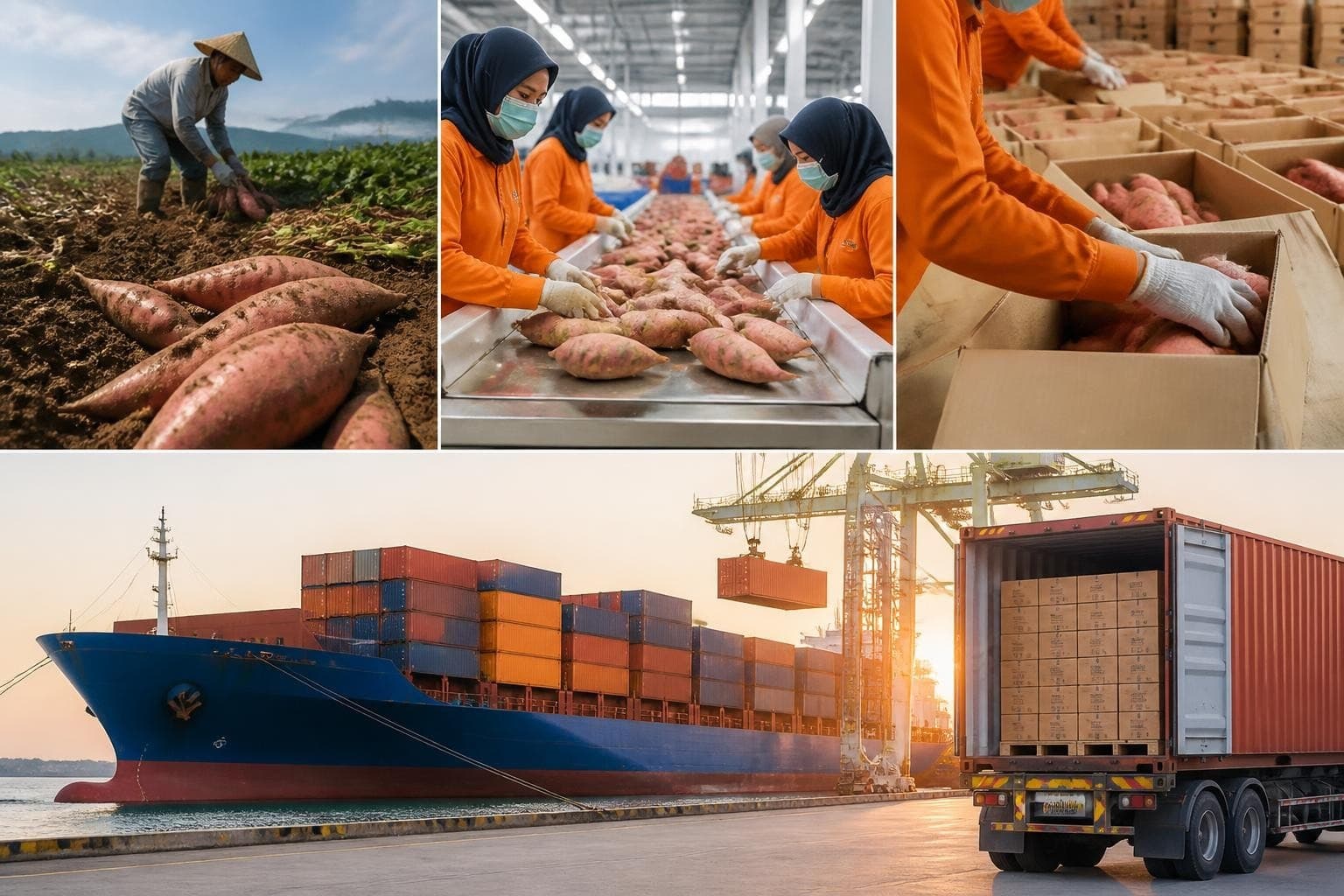
Sweet Potatoes Supplier Indonesia: Quality & Export Guide
Find reliable sweet potatoes supplier Indonesia offering premium export quality. Learn about sourcing, grading, logistics, and partnerships.
Read article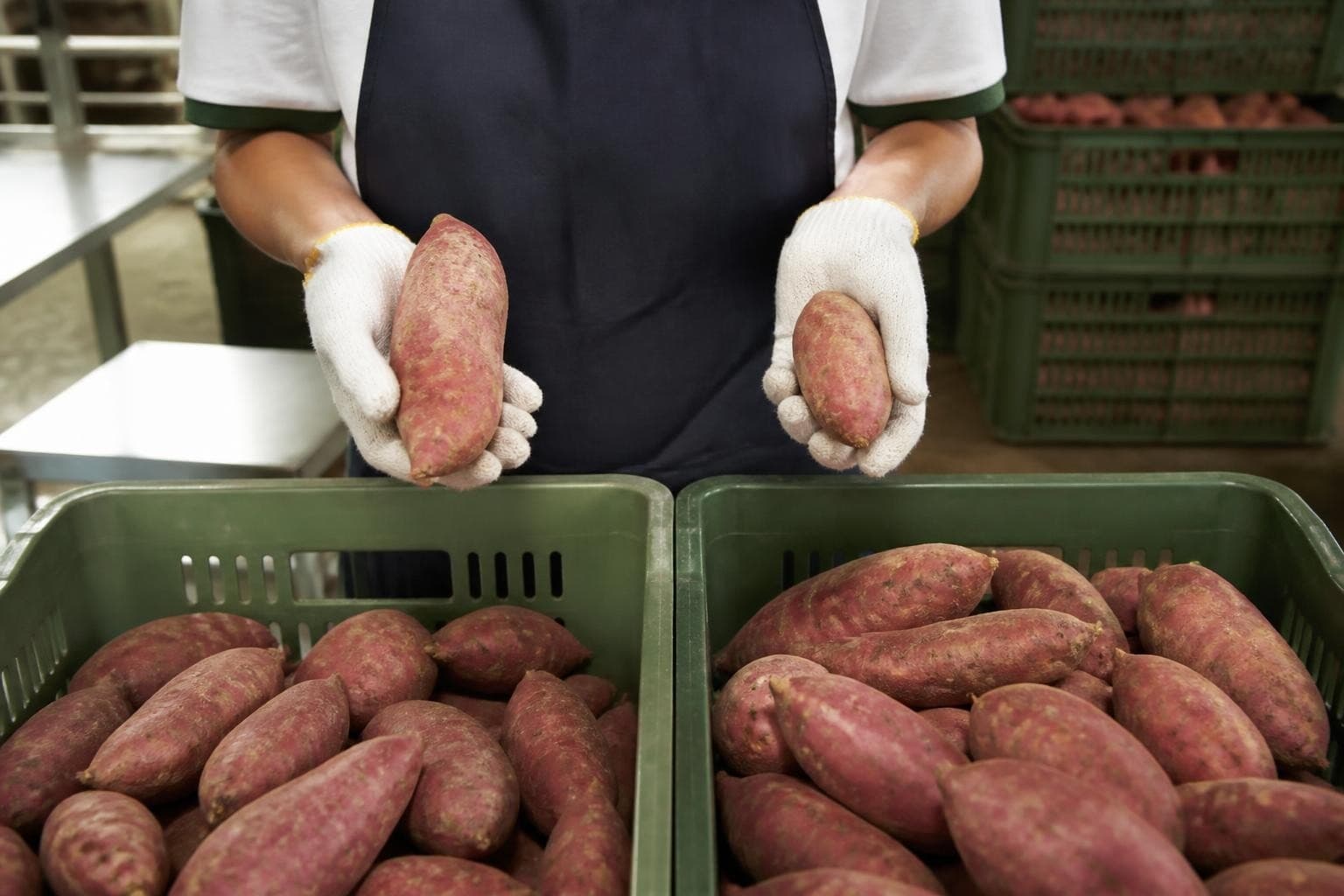
Sweet Potatoes Grading Guide for International Buyers
Comprehensive sweet potatoes grading guide for exporters and importers. Learn USDA standards, size classification, defect tolerance, and quality control.
Read article