
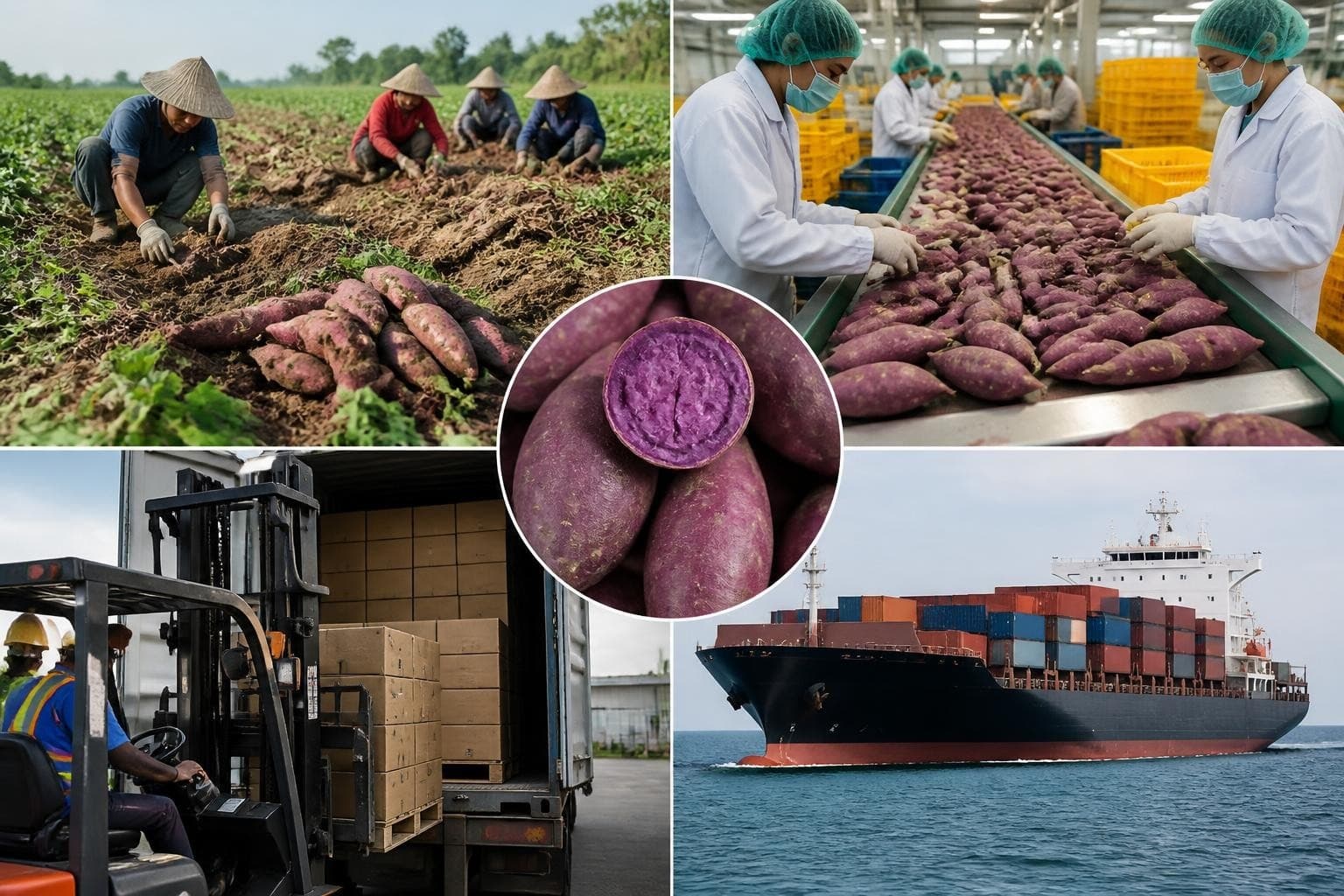
Discover the nutritional benefits, market demand, and quality standards for purple flesh sweet potato exports. Essential guide for importers.
The purple flesh sweet potato has emerged as one of the most sought-after specialty crops in international markets, valued for its distinctive color, superior nutritional profile, and versatile culinary applications. For importers, distributors, and retailers seeking to meet growing consumer demand for nutrient-dense foods, understanding the characteristics, benefits, and sourcing considerations of this remarkable tuber is essential. This comprehensive guide examines the qualities that make purple flesh sweet potato a premium export product and provides practical insights for businesses looking to establish reliable supply chains from Indonesian producers.
Nutritional Profile and Health Benefits
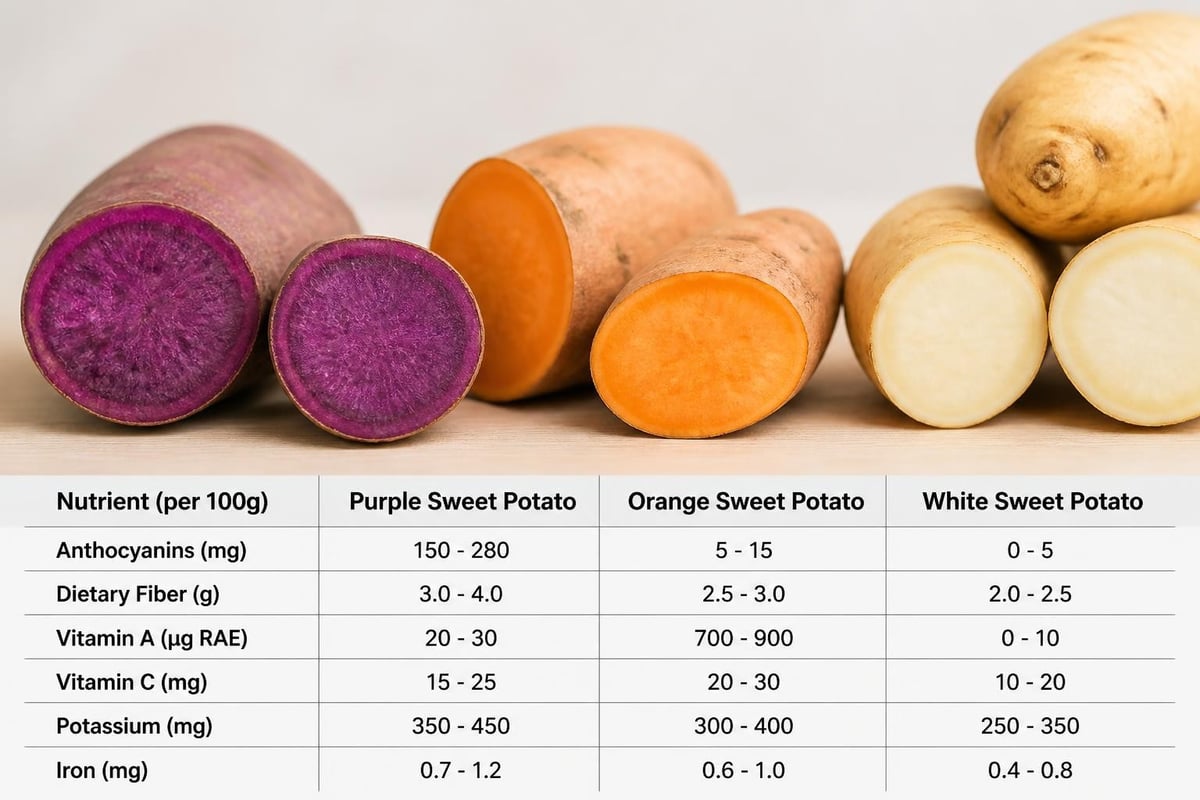
The purple flesh sweet potato stands apart from conventional varieties due to its exceptional concentration of anthocyanins, the same powerful antioxidants found in blueberries and red wine. These compounds not only give the flesh its striking purple color but also deliver significant health benefits that resonate with health-conscious consumers worldwide.
Research published in scientific journals demonstrates that purple sweet potatoes contain remarkably high levels of anthocyanins, which have been associated with reduced oxidative stress and potential cancer-prevention properties. The antioxidant capacity of purple flesh sweet potato exceeds that of orange-fleshed varieties by a considerable margin, making it particularly attractive to specialty food markets and health-focused retailers.
Key Nutritional Components
Beyond anthocyanins, purple flesh sweet potato offers a comprehensive nutritional package that meets modern dietary preferences:
- Complex carbohydrates with a lower glycemic index compared to regular potatoes
- Dietary fiber supporting digestive health and satiety
- Vitamin C for immune function and skin health
- Potassium essential for cardiovascular health
- Beta-carotene contributing to eye health and immune support
According to nutritional analysis from health experts, these tubers provide substantial vitamins and minerals while maintaining relatively low calorie density. This combination makes purple flesh sweet potato ideal for markets targeting wellness-oriented consumers, including fitness enthusiasts, families seeking nutritious meal options, and individuals managing chronic health conditions.
Market Demand and Commercial Applications
The global market for purple flesh sweet potato has expanded significantly over the past five years, driven by increasing consumer awareness of functional foods and the growing preference for naturally colorful ingredients in food manufacturing and restaurant applications.
Primary Market Segments
International buyers typically fall into several distinct categories, each with specific requirements for quality, consistency, and supply volume:
- Specialty grocery retailers seeking premium produce for health-conscious shoppers
- Food manufacturers developing natural food colorings and functional ingredients
- Restaurant and hospitality groups incorporating unique ingredients into signature dishes
- Online organic food distributors serving direct-to-consumer markets
- Institutional buyers including hospitals and universities emphasizing nutritional quality
The University of California research highlights how purple flesh sweet potato has transitioned from a specialty item to a mainstream ingredient, particularly in North American and European markets where consumers actively seek alternatives to conventional starches.
| Market Segment | Primary Use | Quality Priority | Volume Requirement |
|---|---|---|---|
| Retail Chains | Fresh consumption | Size uniformity, appearance | High, consistent |
| Food Manufacturing | Processing, powder | Anthocyanin content | Very high |
| Restaurants | Premium dishes | Visual appeal, flavor | Medium, regular |
| Export Wholesale | Distribution | Shelf life, durability | High, seasonal peaks |
Quality Standards for Export
Establishing purple flesh sweet potato export operations requires strict adherence to international quality standards and buyer specifications. Indonesian producers who partner with experienced export companies gain access to quality control systems that ensure product consistency and market competitiveness.
Physical Quality Parameters
Export-grade purple flesh sweet potato must meet specific criteria that vary slightly by destination market but generally include:
Size specifications typically range from 150 to 400 grams per tuber, with premium markets preferring uniform sizing within narrow ranges. Tubers outside these parameters may be acceptable for processing applications but command lower prices in fresh markets.
Surface quality assessment examines skin integrity, absence of mechanical damage, and freedom from disease symptoms. Export inspectors reject tubers showing cuts deeper than 5mm, extensive scarring, or signs of rot or pest damage.
Internal quality verification ensures the characteristic purple color intensity meets buyer expectations. Color degradation, hollow heart, or internal discoloration results in downgrading or rejection.
Post-Harvest Handling Requirements
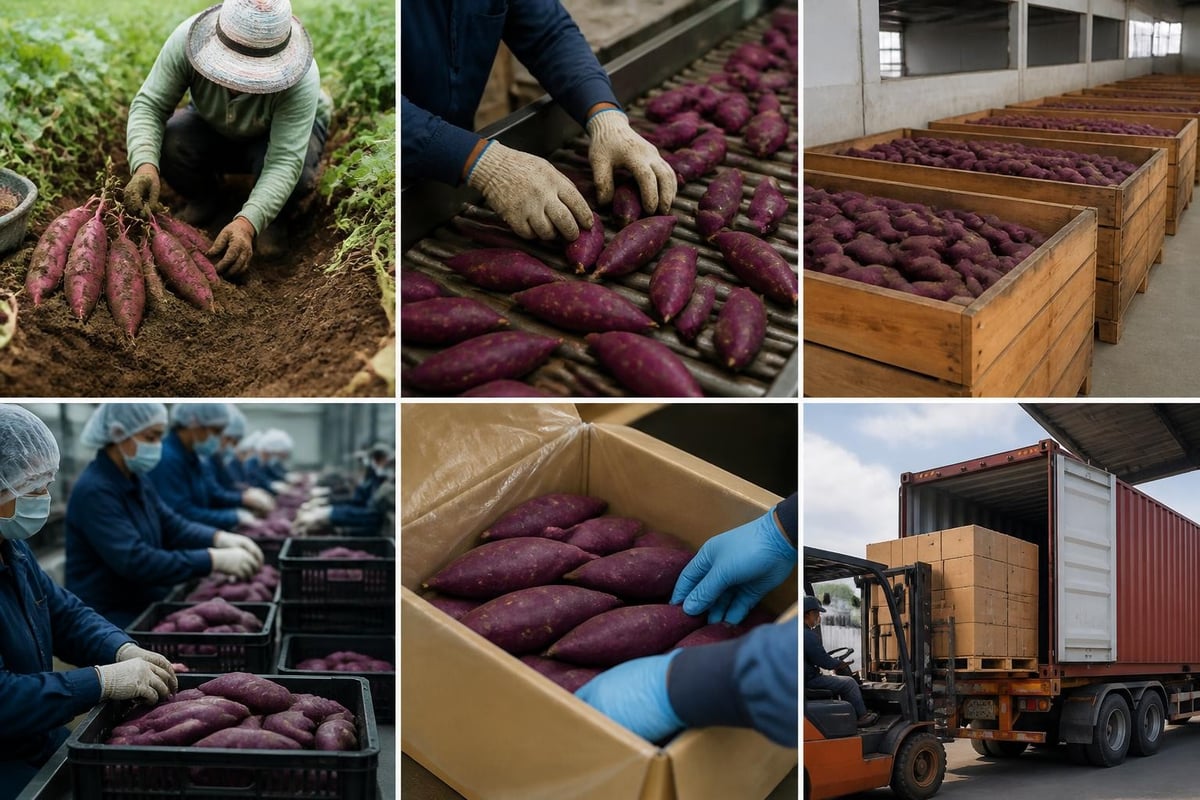
The journey from farm to international buyer demands careful handling at every stage:
- Curing period of 5-7 days at controlled temperature and humidity to heal minor surface injuries
- Temperature management maintaining 13-15°C during storage to prevent chilling injury
- Humidity control at 85-90% to minimize moisture loss while preventing fungal growth
- Gentle handling protocols to avoid bruising and mechanical damage during sorting and packing
These specifications align with international standards that protect both product quality and food safety throughout the supply chain.
Sourcing Considerations for International Buyers
Establishing a reliable supply chain for purple flesh sweet potato requires careful evaluation of potential suppliers and understanding regional production capabilities. Indonesia, particularly West Java, has emerged as a significant origin for premium sweet potato varieties due to favorable growing conditions and established agricultural infrastructure.
Evaluating Supplier Capabilities
When assessing Indonesian exporters, international buyers should consider several critical factors:
Farm partnerships determine supply consistency and quality control effectiveness. Exporters working directly with dedicated farm networks can ensure standardized cultivation practices, timely harvesting schedules, and rapid post-harvest processing that preserves nutritional value.
Quality assurance systems separate professional exporters from commodity traders. Look for suppliers implementing documented quality control procedures, regular laboratory testing for nutritional content, and traceability systems linking each shipment to specific production lots.
Export experience with purple flesh sweet potato specifically matters because this variety requires different handling than conventional sweet potatoes. Suppliers familiar with international buyer expectations for color intensity, sweetness levels, and texture characteristics deliver more consistent results.
Supply Chain Transparency
Modern importers increasingly demand visibility into their supply chains, both for quality assurance and sustainability reporting. Research on purple and yellow-fleshed sweet potatoes emphasizes the importance of proper cultivation and handling methods in preserving the beneficial phytochemical compounds that give these products their market value.
Transparent suppliers provide:
- Farm location information and growing practice documentation
- Harvest scheduling and volume forecasting
- Quality testing results including anthocyanin content analysis
- Shipping documentation and container tracking
- Responsive communication throughout the order fulfillment process
This transparency enables buyers to build consumer trust and meet increasingly stringent regulatory requirements in destination markets.
Cultivation Regions and Seasonal Availability
West Java's volcanic soils and tropical highland climate create ideal conditions for producing premium purple flesh sweet potato with high anthocyanin concentrations and excellent flavor profiles. The region's elevation range of 700-1,500 meters provides the temperature variation that enhances color development and nutritional content.
Production Cycles and Peak Seasons
Indonesian purple flesh sweet potato production follows predictable cycles that informed buyers can leverage for supply planning:
Primary harvest season runs from April through July, when weather conditions optimize tuber development and post-harvest handling. During these months, volume availability peaks and quality consistency reaches its highest levels.
Secondary production occurs from September through November, offering additional supply windows for buyers requiring year-round availability. While volumes may be lower than primary season, quality remains high when producers follow proper cultivation practices.
Understanding these cycles allows importers to coordinate inventory planning, negotiate pricing based on supply dynamics, and ensure continuous availability for retail customers or manufacturing operations.
| Month | Production Level | Quality Rating | Typical FOB Price Range |
|---|---|---|---|
| Jan-Mar | Low | Good | Higher |
| Apr-Jul | Peak | Excellent | Competitive |
| Aug | Moderate | Good | Moderate |
| Sep-Nov | Moderate-High | Excellent | Moderate |
| Dec | Low | Good | Higher |
Processing and Value-Added Opportunities
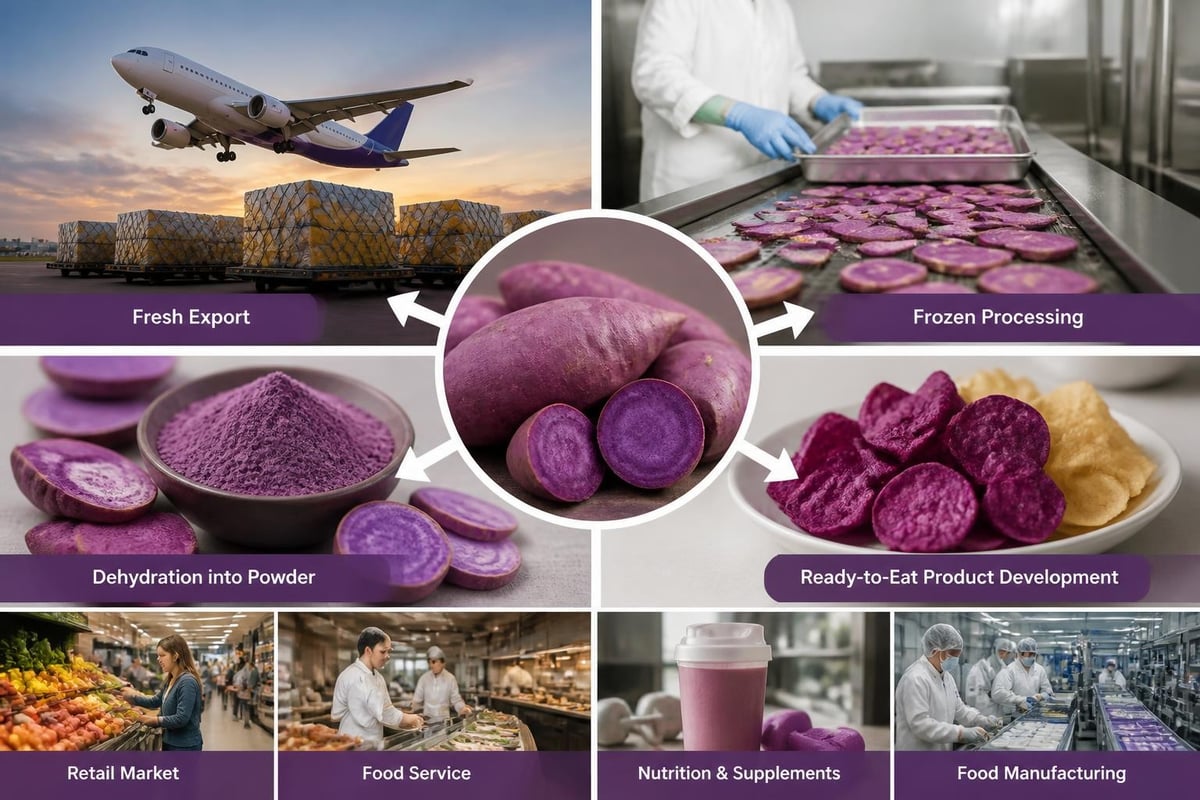
Beyond fresh market sales, purple flesh sweet potato offers numerous processing applications that extend shelf life, reduce transportation costs, and create higher-value products for specialized markets. Studies on purple-fleshed sweet potatoes in bakery products demonstrate the versatility of this ingredient in food manufacturing.
Commercial Processing Applications
Forward-thinking importers and distributors explore value-added processing to diversify revenue streams and reduce dependency on fresh market fluctuations:
Frozen products including pre-cut fries, cubes, and mash maintain nutritional value while offering convenience to foodservice and retail customers. Flash-freezing technology preserves the characteristic purple color and antioxidant content.
Dehydrated products such as chips, flour, and powder concentrate nutrients and color compounds while dramatically reducing shipping weights and enabling ambient temperature storage. Purple sweet potato powder has found particular success in natural food coloring applications and functional food formulations.
Ready-to-eat products from vacuum-packed whole tubers to individually portioned sides serve convenience-oriented markets willing to pay premium prices for preparation-free options.
These processing opportunities require suppliers capable of coordinating larger volumes and maintaining strict quality standards throughout processing operations. For more information on Indonesian sweet potato export capabilities, visit PT Cakra Baja Niaga's blog.
Storage and Shelf Life Management
Proper storage management critically impacts the commercial viability of purple flesh sweet potato in international trade. Unlike some produce that tolerates extended cold storage, sweet potatoes require specific conditions to maintain quality and prevent physiological disorders.
Optimal Storage Conditions
Professional storage facilities maintain environmental parameters within narrow ranges:
- Temperature: 13-15°C (55-59°F) to prevent chilling injury and sprouting
- Relative humidity: 85-90% to minimize moisture loss without promoting fungal growth
- Ventilation: Adequate air circulation preventing CO2 accumulation
- Light exclusion: Complete darkness to prevent greening and nutrient degradation
Under optimal conditions, export-quality purple flesh sweet potato maintains marketable quality for 8-12 weeks, providing sufficient time for international shipping and distribution through retail channels.
Shelf Life Extension Techniques
Innovative suppliers implement additional measures to extend usable shelf life:
- Modified atmosphere packaging for premium retail markets
- Temperature-controlled container shipping maintaining optimal conditions during ocean transit
- Ethylene management preventing premature ripening and sprouting
- Regular quality monitoring identifying potential issues before they impact marketability
These techniques require investment in infrastructure and expertise but enable suppliers to serve distant markets and maintain competitive advantages in quality-sensitive segments.
Food Safety and Certification Requirements
International sweet potato trade requires compliance with destination country regulations and voluntary certification programs that verify production standards and food safety practices. Buyers increasingly expect suppliers to demonstrate adherence to recognized standards that protect consumer health and ensure product integrity.
Mandatory Compliance Requirements
Different destination markets impose varying regulatory requirements:
Phytosanitary certification from Indonesian agricultural authorities confirms freedom from quarantine pests and diseases, required by virtually all importing countries for fresh produce.
Pesticide residue testing verifies compliance with maximum residue limits (MRLs) specific to each destination market. Health benefits of purple sweet potatoes attract health-conscious consumers who particularly value clean agricultural practices.
Food safety documentation including Hazard Analysis Critical Control Points (HACCP) implementation and Good Agricultural Practices (GAP) certification increasingly becomes standard buyer requirements rather than optional differentiators.
Voluntary Quality Certifications
Progressive exporters obtain additional certifications that open premium market segments:
- Organic certification for markets demanding chemical-free production
- Fair trade certification appealing to socially conscious buyers
- ISO quality management standards demonstrating systematic operational excellence
- Sustainability certifications addressing environmental impact concerns
These certifications require ongoing investment and audit compliance but provide access to higher-value market segments and strengthen buyer relationships through demonstrated commitment to quality and responsibility.
Building Long-Term Supplier Relationships
Successful purple flesh sweet potato sourcing depends on establishing partnerships with reliable exporters who understand international market requirements and maintain consistent quality standards throughout seasonal variations and supply challenges.
Characteristics of Reliable Export Partners
Professional sweet potato exporters demonstrate several distinguishing characteristics:
Direct farm relationships rather than spot market purchasing enable quality control from cultivation through harvest, ensuring consistency in size, color intensity, and nutritional content that meets buyer specifications.
Technical expertise in post-harvest handling, quality assessment, and logistics management separates experienced exporters from general commodity traders. This expertise becomes particularly important for specialty products like purple flesh sweet potato where improper handling can significantly degrade marketable quality.
Communication reliability including responsive customer service, proactive problem-solving, and transparent reporting about supply conditions or quality variations builds the trust necessary for long-term partnerships.
Financial stability ensures suppliers can maintain operations through seasonal fluctuations and invest in quality infrastructure, cold storage facilities, and staff training that benefit buyer relationships.
Partnership Development Strategies
International buyers establish successful supplier relationships through systematic approaches:
Start with trial orders to evaluate product quality, packaging adequacy, and shipping procedures before committing to larger volumes. This risk-management approach protects against costly mistakes while allowing both parties to demonstrate capabilities.
Communicate specifications clearly, including size ranges, color requirements, packaging preferences, and delivery schedules. Detailed specifications prevent misunderstandings and establish objective quality standards for ongoing evaluation.
Visit supplier facilities when possible to assess operational capabilities, quality control systems, and farm partnerships firsthand. Direct observation provides insights impossible to gain through documentation alone.
Establish regular communication cadences for order planning, quality feedback, and market intelligence sharing that benefit both parties and strengthen commercial relationships beyond transactional interactions.
Pricing Dynamics and Contract Structures
Purple flesh sweet potato pricing reflects multiple factors including production costs, seasonal availability, quality grade, order volume, and destination market conditions. Understanding these dynamics enables buyers to negotiate effectively and structure agreements that balance cost management with supply security.
Price Influencing Factors
Several variables impact export pricing:
Seasonal supply fluctuations create price variations with peak harvest months typically offering more competitive rates due to higher availability and lower storage costs for exporters.
Quality specifications directly correlate with pricing, as premium grades meeting strict size uniformity and appearance standards command higher prices than processing-grade products acceptable for manufacturing applications.
Order volume affects per-unit pricing, with larger commitments enabling exporters to optimize logistics, reduce handling costs, and provide volume discounts while securing predictable demand.
Payment terms influence pricing structures, as immediate payment or letters of credit reduce supplier financing costs compared to extended payment terms requiring working capital investment.
Contract Structure Options
Buyers employ various contracting approaches based on their operational requirements and risk tolerance:
| Contract Type | Duration | Price Mechanism | Best For |
|---|---|---|---|
| Spot Purchase | Single shipment | Current market rate | Trial orders, irregular needs |
| Fixed Price | 3-6 months | Agreed rate | Budget certainty, stable demand |
| Formula Pricing | 6-12 months | Index-linked | Shared risk, long-term partnerships |
| Annual Agreement | 12 months | Periodic renegotiation | Large volumes, strategic suppliers |
Each structure offers distinct advantages depending on buyer priorities, market conditions, and relationship maturity with specific suppliers.
Marketing Purple Flesh Sweet Potato to End Consumers
Importers and distributors maximize market success by effectively communicating the unique attributes and benefits of purple flesh sweet potato to retail customers and end consumers. Seven health benefits of purple potatoes provide compelling messaging opportunities for health-focused marketing campaigns.
Consumer Education Strategies
Successful retailers implement multifaceted approaches to build awareness and drive trial:
In-store demonstrations allowing customers to taste prepared samples overcome hesitation about unfamiliar products and showcase the sweet, nutty flavor profile that distinguishes purple flesh sweet potato from conventional varieties.
Recipe cards and preparation guides address consumer uncertainty about cooking methods and culinary applications, providing practical inspiration that converts interest into purchases.
Nutritional messaging highlighting anthocyanin content, fiber levels, and comprehensive nutritional benefits resonates with health-conscious shoppers seeking functional foods that support wellness goals.
Visual merchandising leveraging the striking purple color creates eye-catching displays that attract attention in produce departments and differentiate the product from standard sweet potato offerings.
Digital Marketing Opportunities
Online channels amplify reach and enable targeted messaging:
- Social media content featuring vibrant photography and preparation videos
- Influencer partnerships with health and wellness content creators
- Email campaigns to existing customer bases highlighting seasonal availability
- E-commerce platform optimization with detailed product descriptions and nutritional information
These digital strategies complement traditional retail marketing and reach younger, digitally-native consumers who drive trends in specialty food categories.
The purple flesh sweet potato represents a premium export opportunity characterized by strong nutritional benefits, growing international demand, and significant value-added potential for importers, distributors, and retailers. Success in this market requires partnerships with experienced exporters who maintain rigorous quality standards, transparent communication, and reliable supply capabilities throughout seasonal production cycles. PT Cakra Baja Niaga specializes in connecting international buyers with premium Indonesian sweet potato production through direct farm partnerships in West Java, ensuring consistent quality, dependable supply, and the transparent relationships that drive long-term business success.
Looking to source premium Indonesian sweet potatoes?
PT Cakra Baja Niaga supplies export-grade Cilembu, Purple, and Murasaki varieties to buyers worldwide.
Continue reading

Sweet Potatoes Import Singapore Market Report
Explore Singapore’s sweet potato imports, leading suppliers, SFA requirements, pricing factors, and sourcing opportunities for Indonesian exporters.
Read article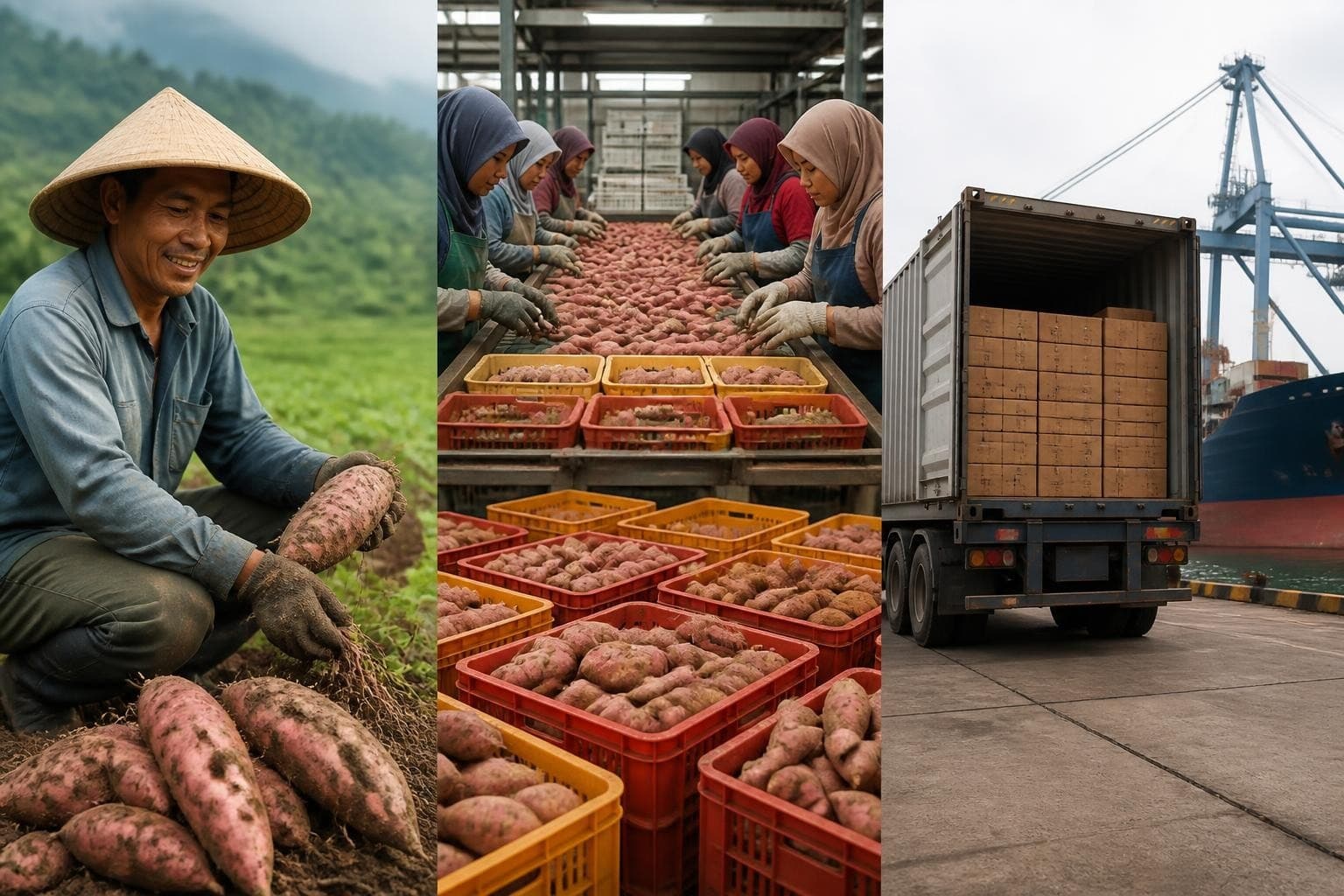
Wholesale Sweet Potatoes Indonesia: B2B Export Guide 2026
Source premium wholesale sweet potatoes Indonesia for import. Quality standards, export logistics, varieties, pricing & supplier partnerships.
Read article
Sweet Potatoes Supplier Indonesia: Quality & Export Guide
Find reliable sweet potatoes supplier Indonesia offering premium export quality. Learn about sourcing, grading, logistics, and partnerships.
Read article