
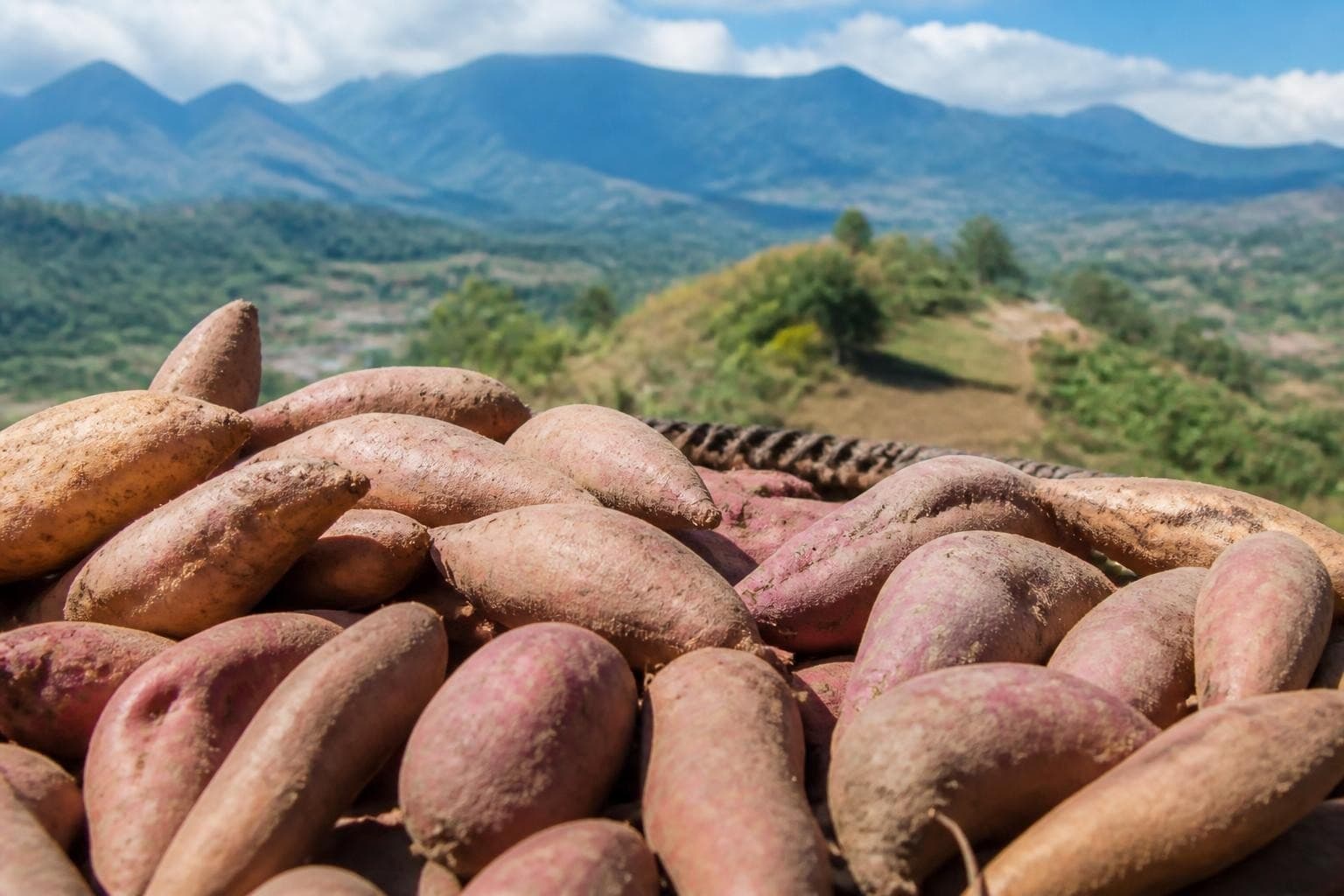
Discover the fascinating origin of sweet potato, from ancient Central America to global cultivation. Essential insights for importers and exporters.
The sweet potato stands as one of the world's most important root vegetables, feeding millions across continents and supporting robust international trade networks. For importers, distributors, and agricultural businesses engaged in global sweet potato commerce, understanding the origin of sweet potato provides essential context for appreciating the crop's remarkable adaptability, nutritional value, and economic significance. This ancient crop's journey from its ancestral homeland to modern export markets reveals insights that remain relevant for today's agricultural trade professionals.
Archaeological Evidence of Sweet Potato Domestication
The origin of sweet potatoes traces back to Central and South America, where archaeological findings have uncovered evidence of cultivation dating back thousands of years. Researchers have identified the Yucatán Peninsula and surrounding regions as the primary center of domestication, though pinpointing an exact location remains challenging due to the crop's extensive early distribution.
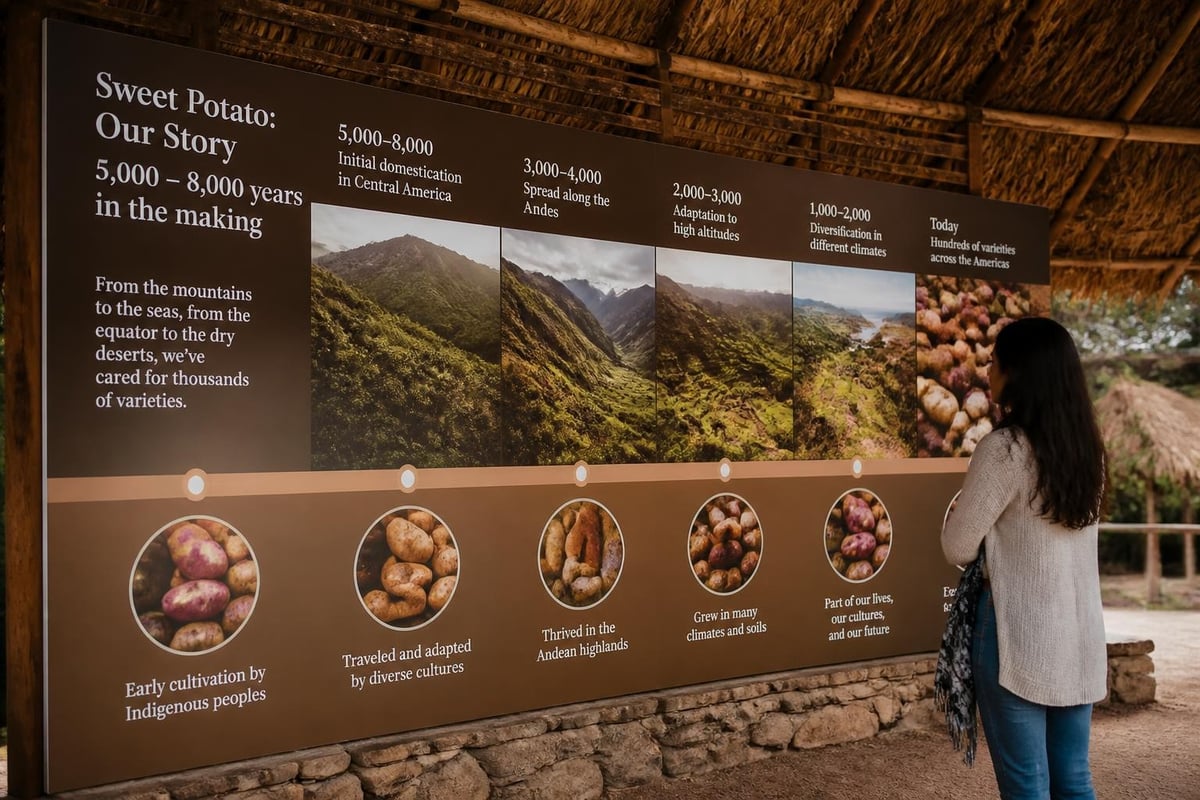
Genetic studies combined with archaeological evidence suggest that sweet potato domestication occurred approximately 5,000 to 8,000 years ago. Ancient civilizations in present-day Peru and Ecuador cultivated these tuberous roots as staple foods, developing diverse varieties suited to different climates and elevations. The crop's ability to thrive in varied conditions contributed to its rapid spread throughout the Americas.
Central American Origins and Early Cultivation
The precise origin of sweet potato within Central America involves multiple potential sites, each offering unique archaeological evidence. Studies examining ancient storage pits, cultivation terraces, and preserved plant remains indicate that indigenous populations developed sophisticated agricultural techniques specifically for sweet potato production.
Key domestication sites include:
- Yucatán Peninsula coastal regions with evidence of early maritime trade
- Highland valleys in Peru showing terraced cultivation systems
- Ecuadorian lowlands with preserved ancient tuber specimens
- Caribbean islands demonstrating early island-to-island distribution
Botanical research reveals that wild relatives of the sweet potato still grow in Central American forests, supporting theories about the region's role as the crop's ancestral home. These wild varieties exhibit characteristics similar to cultivated sweet potatoes but produce smaller, less palatable tubers, illustrating the transformation achieved through selective breeding by ancient farmers.
Botanical Classification and Evolutionary History
Understanding the origin of sweet potato requires examining its botanical classification within the Convolvulaceae family, commonly known as the morning glory family. The sweet potato, scientifically named Ipomoea batatas, represents a unique evolutionary development within this plant family, distinguished by its edible storage roots and agricultural importance.
Recent genetic research has introduced intriguing questions about the morning glory family's broader origins, with some studies suggesting Asian ancestral connections for the plant family itself. However, the cultivated sweet potato's domestication clearly occurred in the Americas, where indigenous peoples transformed a wild vine into one of agriculture's most productive crops.
| Taxonomic Level | Classification | Significance for Trade |
|---|---|---|
| Family | Convolvulaceae | Includes ornamental and agricultural species |
| Genus | Ipomoea | Over 500 species, only one domesticated for roots |
| Species | batatas | Produces edible storage roots with high yield potential |
| Cultivar Groups | Orange, Purple, White flesh types | Market preferences vary by region and culture |
Genetic Diversity and Regional Adaptation
The origin of sweet potato in Central and South America established a foundation of genetic diversity that continues to benefit modern agriculture. Ancient farmers developed hundreds of distinct varieties adapted to specific environmental conditions, from coastal lowlands to high-altitude mountain valleys.
This genetic wealth enabled the sweet potato to adapt successfully when introduced to new continents. Different flesh colors, growth habits, and nutritional profiles emerged through both natural selection and deliberate cultivation choices by farming communities across the Americas.
Pre-Columbian Distribution Throughout the Americas
Before European contact, sweet potatoes had already spread throughout the Americas through indigenous trade networks and migration patterns. The crop reached North America, where it became established in what is now the southeastern United States, and extended southward to Chile and Argentina.

Caribbean and Pacific Distribution Mysteries
One fascinating aspect of sweet potato history involves its presence in Polynesia before documented European contact. Archaeological evidence shows sweet potatoes in Pacific islands centuries before Spanish and Portuguese explorers could have introduced them, raising questions about pre-Columbian transoceanic contact.
Theories explaining Pacific distribution include:
- Polynesian voyagers reaching South American coasts and returning with sweet potatoes
- South American rafts drifting westward carrying cultivated plants
- Independent but undocumented early European or Asian contact
- Natural dispersal through ocean currents carrying viable plant material
This distribution pattern demonstrates the sweet potato's remarkable ability to establish itself in new environments, a characteristic that would later prove essential for its global expansion and commercial success.
European Introduction and Global Expansion
The documented global spread of sweet potatoes began with Christopher Columbus's voyages, when Spanish explorers encountered the crop in the Caribbean. The linguistic term "sweet potato" itself evolved as European languages attempted to describe this unfamiliar American crop, distinguishing it from the already-known white potato.
Spanish and Portuguese traders quickly recognized the sweet potato's agricultural potential and introduced it to their colonies and trading posts worldwide. By the 16th century, sweet potatoes reached Africa, Asia, and other regions through maritime trade routes, forever changing global food systems.
Asian Adoption and Agricultural Integration
The introduction of sweet potatoes to Asia represents one of history's most significant agricultural transformations. Chinese farmers adopted the crop enthusiastically, developing cultivation techniques suited to local conditions and creating new varieties through selective breeding.
Japan received sweet potatoes through Chinese and Portuguese trade connections, where the crop became known as "satsuma-imo" after the Satsuma domain that popularized its cultivation. The crop's ability to grow in marginal soils and resist certain pests made it valuable for food security throughout Asia.
| Region | Introduction Period | Primary Uses | Modern Significance |
|---|---|---|---|
| China | 1560s-1580s | Staple food, famine relief | Largest global producer |
| Japan | 1600s | Supplementary crop | Premium variety development |
| India | 1600s | Regional specialty | Growing export potential |
| Southeast Asia | 1500s-1600s | Diverse culinary applications | Major production zones |
Modern Understanding Through Scientific Research
Contemporary research continues to refine our understanding of the origin of sweet potato through advanced genetic analysis and archaeological techniques. DNA sequencing has enabled scientists to trace the relationships between wild and cultivated varieties, confirming Central and South American origins while revealing unexpected complexity in the crop's evolutionary history.
Studies examining ancient pollen records, preserved plant remains, and molecular clocks provide increasingly precise timelines for sweet potato domestication and dispersal. This research benefits modern agriculture by identifying genetic traits associated with disease resistance, nutritional content, and environmental adaptability.
Implications for Commercial Production
For businesses involved in sweet potato export, such as PT Cakra Baja Niaga, understanding the crop's origin provides valuable context for quality management and variety selection. The genetic diversity originating in Central America continues to influence which cultivars succeed in different markets and growing regions.
Modern production considerations rooted in historical origins:
- Soil preferences reflecting ancestral tropical and subtropical environments
- Temperature requirements based on Central American climate conditions
- Pest resistance traits developed over millennia of cultivation
- Nutritional profiles varying among distinct genetic lineages
- Market preferences influenced by regional introduction histories
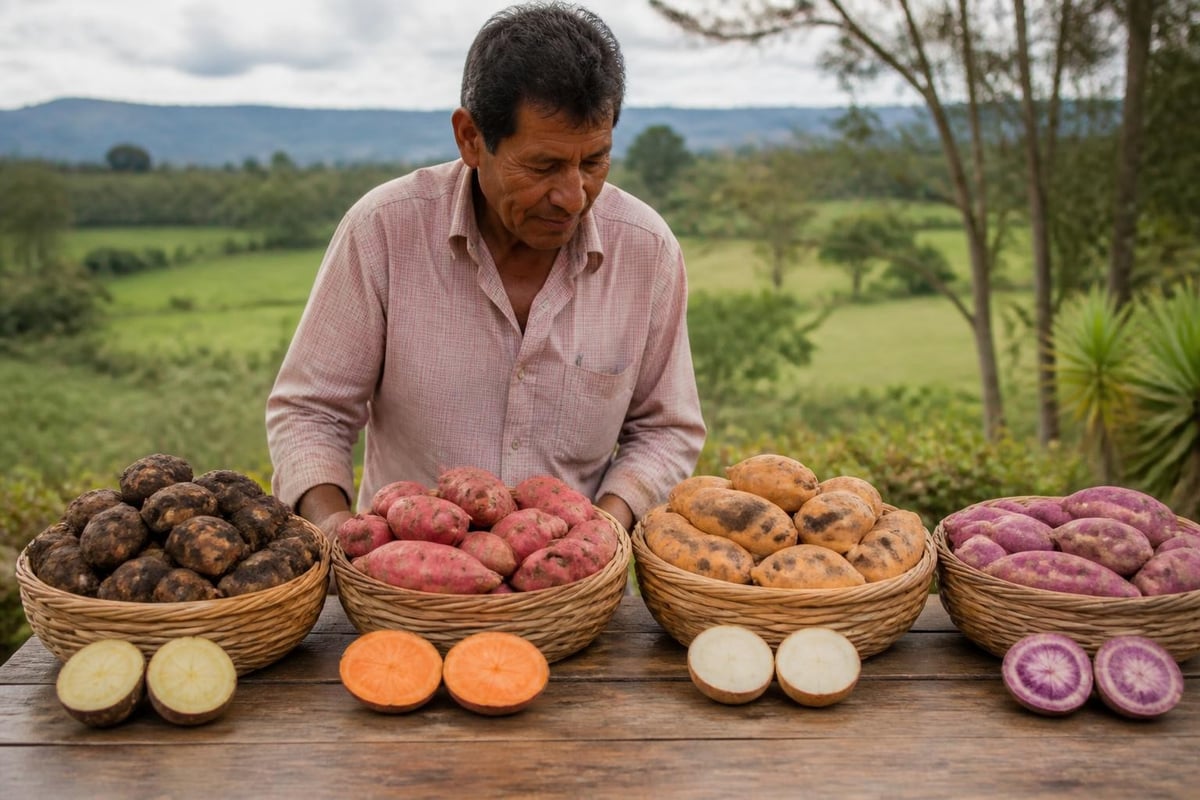
Indonesian production, particularly in West Java where premium varieties thrive, benefits from centuries of agricultural knowledge accumulated since the crop's introduction to Southeast Asia. The region's volcanic soils and climate conditions suit sweet potato cultivation, enabling consistent quality production for international markets.
Cultural Significance and Global Trade Evolution
The origin of sweet potato in the Americas established cultural connections to the crop that persist today, even as it has become thoroughly integrated into cuisines worldwide. Traditional preparation methods from ancient Peru coexist with modern culinary innovations in Asia, Africa, and beyond.
International trade in sweet potatoes has grown substantially as global consumers increasingly appreciate the crop's nutritional benefits, versatility, and flavor profiles. Export markets demand consistent quality, appropriate varieties for specific uses, and reliable supply chains connecting production regions with consumer markets.
Contemporary Market Dynamics
Today's sweet potato trade reflects both historical distribution patterns and modern consumer preferences. Markets that received sweet potatoes centuries ago have developed distinct variety preferences and quality standards that exporters must understand and meet.
Major import markets and their historical connections:
- European Union – Mediterranean regions received early introductions; northern markets developed later
- East Asia – Long cultivation history creates sophisticated consumer expectations
- Middle East – Relatively recent market development with growing demand
- North America – Indigenous cultivation traditions merged with diverse immigrant preferences
The comprehensive history documented across multiple sources demonstrates how the origin of sweet potato in Central America launched a agricultural success story spanning five continents and thousands of years.
Nutritional Heritage and Modern Applications
The nutritional characteristics that made sweet potatoes valuable to ancient American civilizations remain relevant for modern health-conscious consumers. High beta-carotene content in orange-fleshed varieties, complex carbohydrates providing sustained energy, and significant fiber content all contributed to the crop's historical importance and current market appeal.
Ancient farmers who first domesticated sweet potatoes could not have anticipated global markets or modern nutritional science, yet their selection criteria aligned remarkably well with contemporary health priorities. Tubers that stored well, provided substantial calories, and resisted spoilage became the foundation for varieties still cultivated today.
Value Chain Considerations for Exporters
Understanding the origin of sweet potato helps exporters position their products effectively in international markets. Different regions value specific characteristics based on their introduction history and culinary traditions, requiring suppliers to match varieties with market expectations.
Premium export operations maintain direct relationships with growers, ensuring variety selection, cultivation practices, and post-harvest handling align with target market requirements. This approach mirrors historical trade patterns where successful sweet potato introduction depended on matching the right varieties to new environments and cultural contexts.
Importers seeking reliable sweet potato suppliers benefit from working with exporters who understand both the crop's agronomic requirements and market-specific quality standards. The galleries showcasing premium Indonesian sweet potatoes demonstrate the quality achievable through careful variety selection and professional cultivation management.
Regional Production Excellence
The origin of sweet potato in tropical and subtropical America established climatic preferences that guide modern production site selection. Successful commercial cultivation requires understanding these environmental requirements and matching them with appropriate growing regions.
West Java's combination of volcanic soils, adequate rainfall, and suitable temperatures creates ideal conditions for premium sweet potato production. These natural advantages, combined with experienced farmers and established agricultural infrastructure, enable consistent quality output for export markets.
Critical production factors derived from ancestral environments:
- Soil composition – Well-drained, moderately fertile soils produce optimal results
- Temperature ranges – Warm growing seasons with adequate heat accumulation
- Water management – Consistent moisture without waterlogging
- Growing season length – Sufficient frost-free days for tuber development
- Elevation considerations – Different varieties adapted to specific altitude ranges
Export-focused production requires additional attention to variety selection, harvest timing, and post-harvest handling to ensure products reach international buyers in optimal condition. The agricultural knowledge accumulated since the origin of sweet potato in Central America informs these modern practices, adapted for contemporary market demands.
The origin of sweet potato in Central and South America launched one of agriculture's most successful global distribution stories, creating opportunities that persist in today's international trade. For businesses seeking reliable sweet potato suppliers with deep understanding of quality requirements and market dynamics, PT Cakra Baja Niaga offers transparent partnerships connecting West Java's premium production with importers, distributors, and retailers worldwide.
Looking to source premium Indonesian sweet potatoes?
PT Cakra Baja Niaga supplies export-grade Cilembu, Purple, and Murasaki varieties to buyers worldwide.
Continue reading
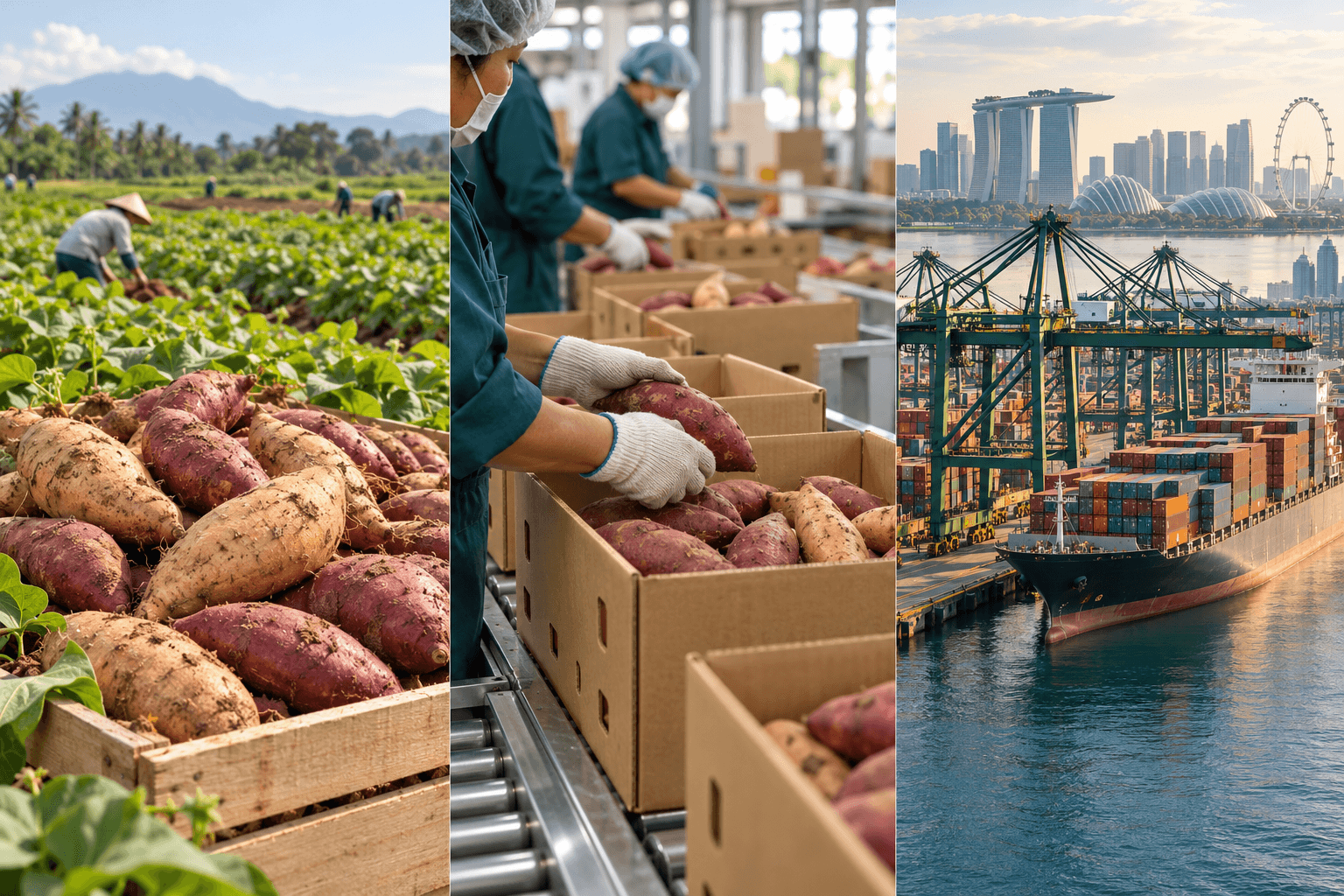
Sweet Potatoes Import Singapore Market Report
Explore Singapore’s sweet potato imports, leading suppliers, SFA requirements, pricing factors, and sourcing opportunities for Indonesian exporters.
Read article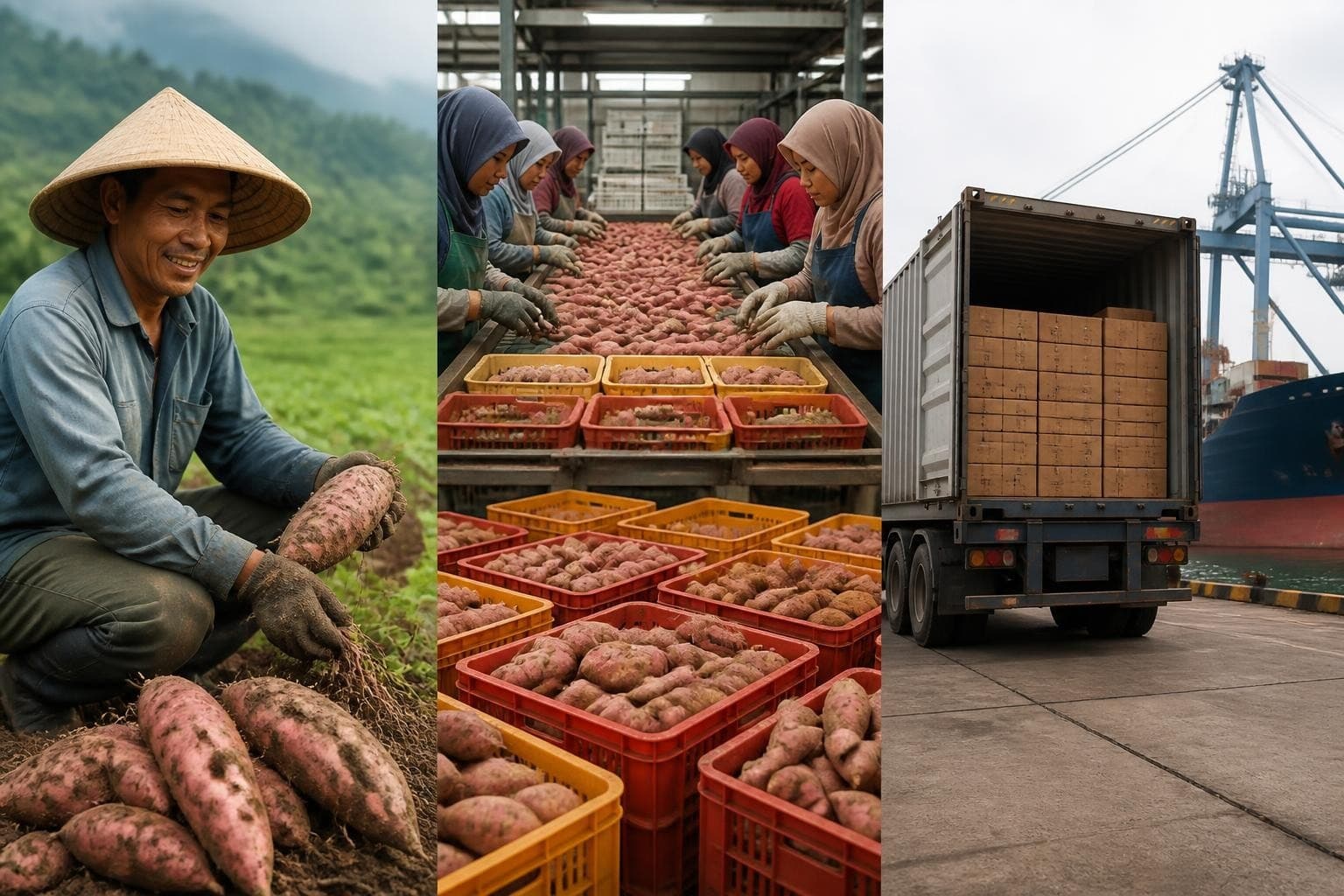
Wholesale Sweet Potatoes Indonesia: B2B Export Guide 2026
Source premium wholesale sweet potatoes Indonesia for import. Quality standards, export logistics, varieties, pricing & supplier partnerships.
Read article
Sweet Potatoes Supplier Indonesia: Quality & Export Guide
Find reliable sweet potatoes supplier Indonesia offering premium export quality. Learn about sourcing, grading, logistics, and partnerships.
Read article