
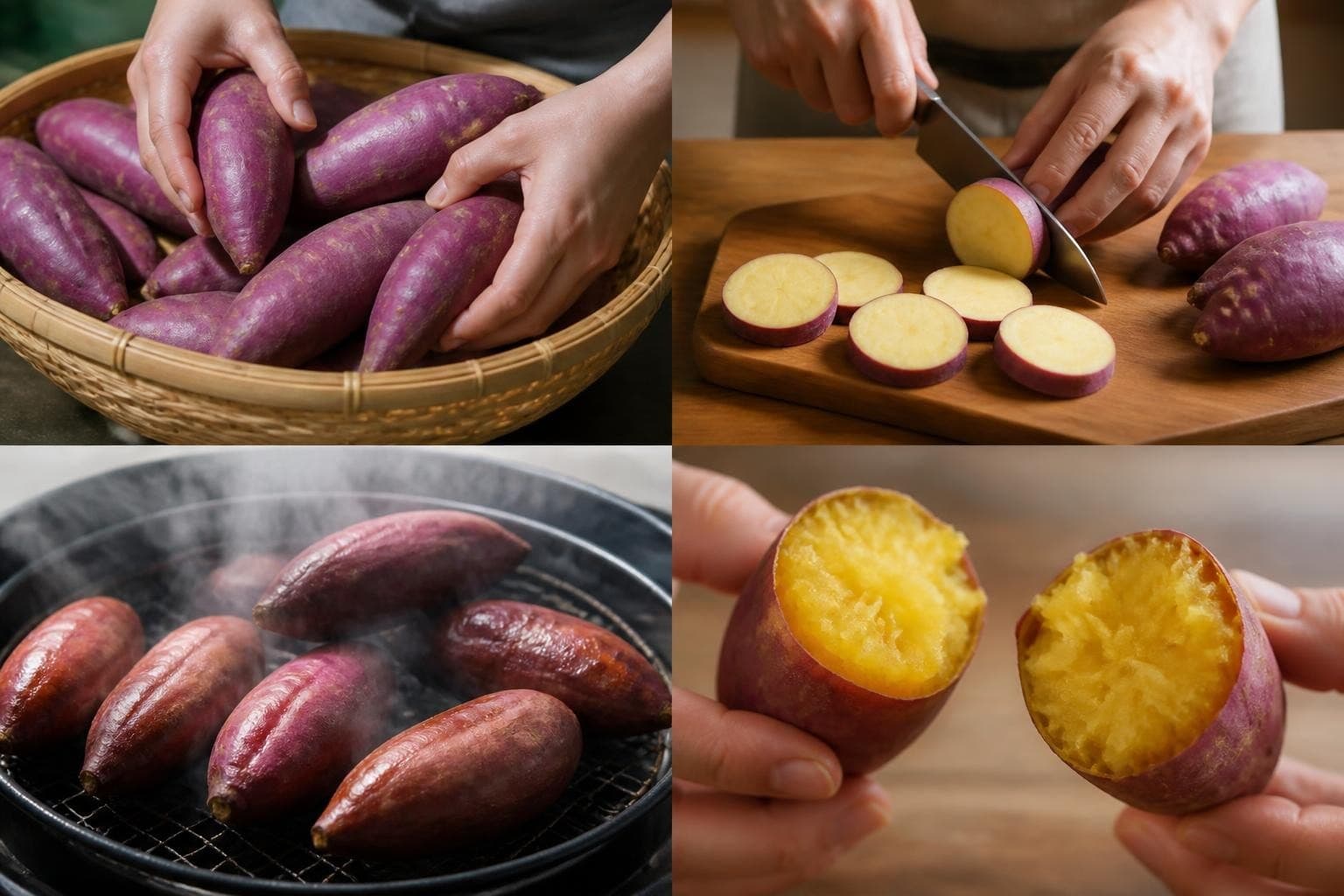
Master japanese sweet potato baked techniques with our expert guide. Learn preparation, health benefits, and culinary methods for premium results.
The art of preparing japanese sweet potato baked dishes has experienced remarkable growth across global markets, driven by increasing consumer awareness of healthier alternatives and the unique characteristics of this premium variety. Unlike conventional orange-fleshed sweet potatoes, Japanese varieties offer distinctive purple skin, creamy yellow flesh, and a naturally sweet, chestnut-like flavor that intensifies during the baking process. For importers, distributors, and retailers working with premium sweet potato suppliers, understanding the preparation techniques and market preferences surrounding japanese sweet potato baked recipes provides valuable insights into consumer demand patterns and product positioning strategies in international markets.
Understanding Japanese Sweet Potato Varieties and Selection
Japanese sweet potatoes, known locally as satsumaimo, represent a distinct category within the global sweet potato trade. These tubers feature purple or reddish skin with pale yellow to cream-colored flesh that develops remarkable sweetness when properly prepared.
Key Varietal Characteristics
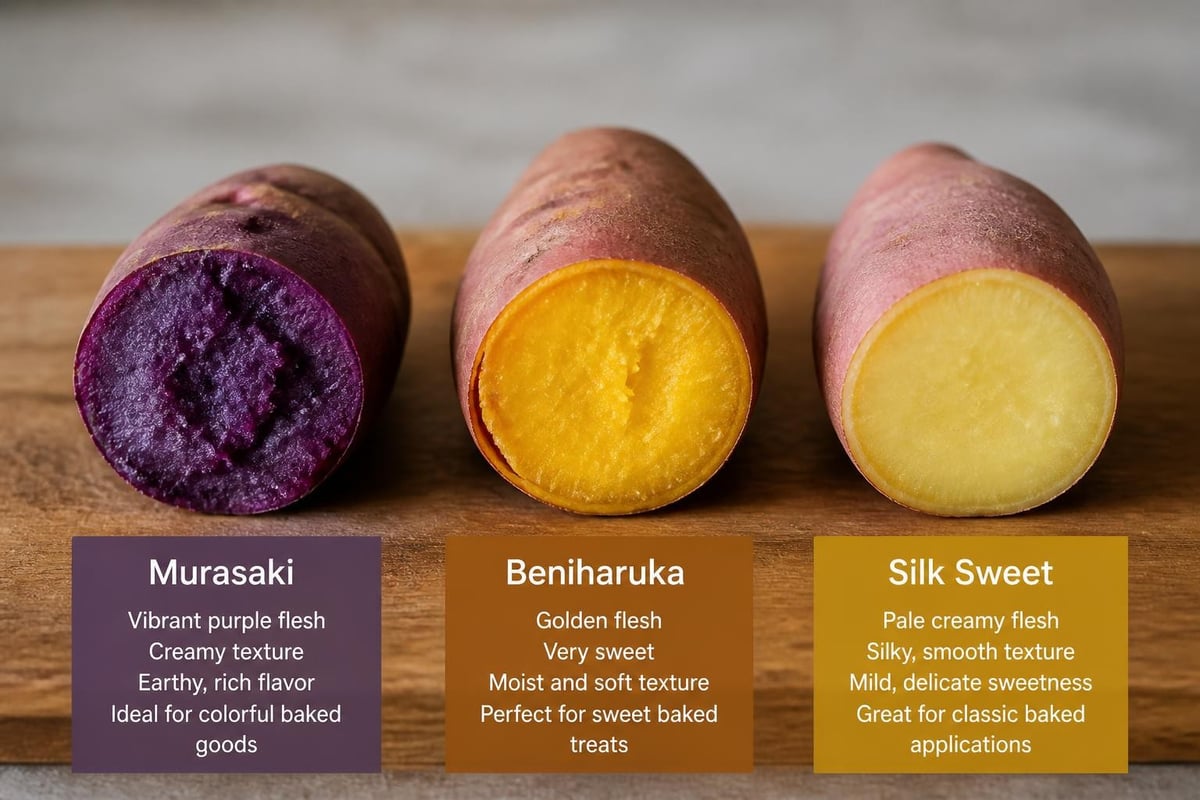
The most common varieties available in export markets include Murasaki, Beniharuka, and Silk Sweet. Each offers unique properties that affect the final result when japanese sweet potato baked preparations are created:
- Murasaki: Purple skin with white flesh, mild sweetness, ideal for traditional yaki imo
- Beniharuka: Reddish-purple exterior, golden interior, higher natural sugar content
- Silk Sweet: Ultra-smooth texture, intense sweetness, premium positioning
Quality selection directly impacts baking outcomes. Premium specimens should exhibit firm texture without soft spots, unblemished skin, and uniform size ranging from 200 to 350 grams per tuber. These specifications ensure consistent cooking times and predictable results for end consumers.
Storage and Handling Considerations
Proper storage preserves the starches that convert to sugars during baking. Sweet potatoes should be kept at temperatures between 55°F and 60°F with 85-90% humidity. This controlled environment prevents premature sprouting while allowing natural enzymatic processes to enhance sweetness.
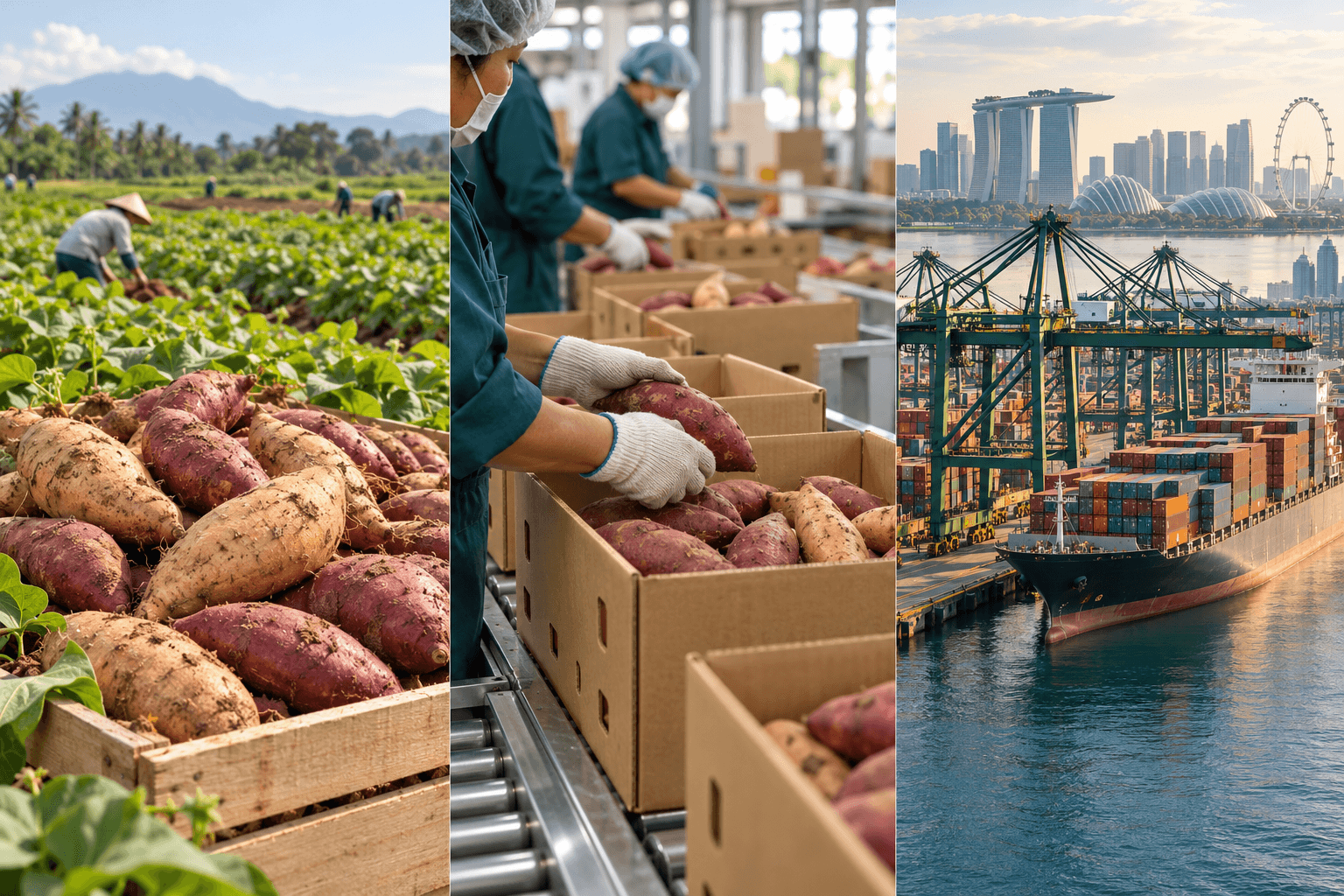
For international shipments, these parameters become critical. PT Cakra Baja Niaga maintains strict cold chain protocols throughout the export process, ensuring sweet potatoes arrive at their destination with optimal baking characteristics intact. This attention to detail supports retailers in delivering consistent quality to their customers.
Traditional Baking Methods and Temperature Science
The preparation of japanese sweet potato baked recipes requires understanding the scientific principles behind starch conversion. Traditional Japanese methods emphasize low, slow cooking to maximize sweetness and achieve the characteristic fluffy texture.
The Yaki Imo Technique
Yaki Imo, the quintessential Japanese street food, demonstrates the perfect execution of japanese sweet potato baked preparation. The authentic traditional Japanese method of baking sweet potatoes involves extended cooking at moderate temperatures, typically starting at 250°F and gradually increasing to 400°F.
This two-stage process serves specific purposes:
- Initial Low Temperature Phase (250°F for 60-90 minutes): Activates beta-amylase enzymes that convert starches to maltose
- High Temperature Finish (400°F for 15-20 minutes): Caramelizes surface sugars and creates signature crispy skin
- Resting Period (10-15 minutes): Allows moisture redistribution throughout flesh
The result produces sweet potatoes with honey-like syrup oozing from the skin and intensely sweet, fluffy interiors that require no additional sweeteners or seasonings.
Modern Oven Adaptations
Contemporary home cooking has adapted traditional techniques for standard kitchen equipment. The most reliable method for japanese sweet potato baked preparations in conventional ovens involves these steps:
Preparation Phase:
- Wash tubers thoroughly but leave skin intact
- Pat completely dry to encourage skin crisping
- Pierce 3-4 times with fork to allow steam escape
- Optional: Lightly oil skin for extra crispiness
Cooking Parameters:
| Temperature | Duration | Purpose |
|---|---|---|
| 300°F | 45 minutes | Enzyme activation, starch conversion |
| 375°F | 30-45 minutes | Interior cooking, texture development |
| 425°F | 10 minutes | Surface caramelization, skin crisping |
Total cooking time varies based on tuber size, typically ranging from 90 to 120 minutes. This investment in time yields dramatically superior results compared to high-heat shortcuts.
Nutritional Profile and Health Benefits
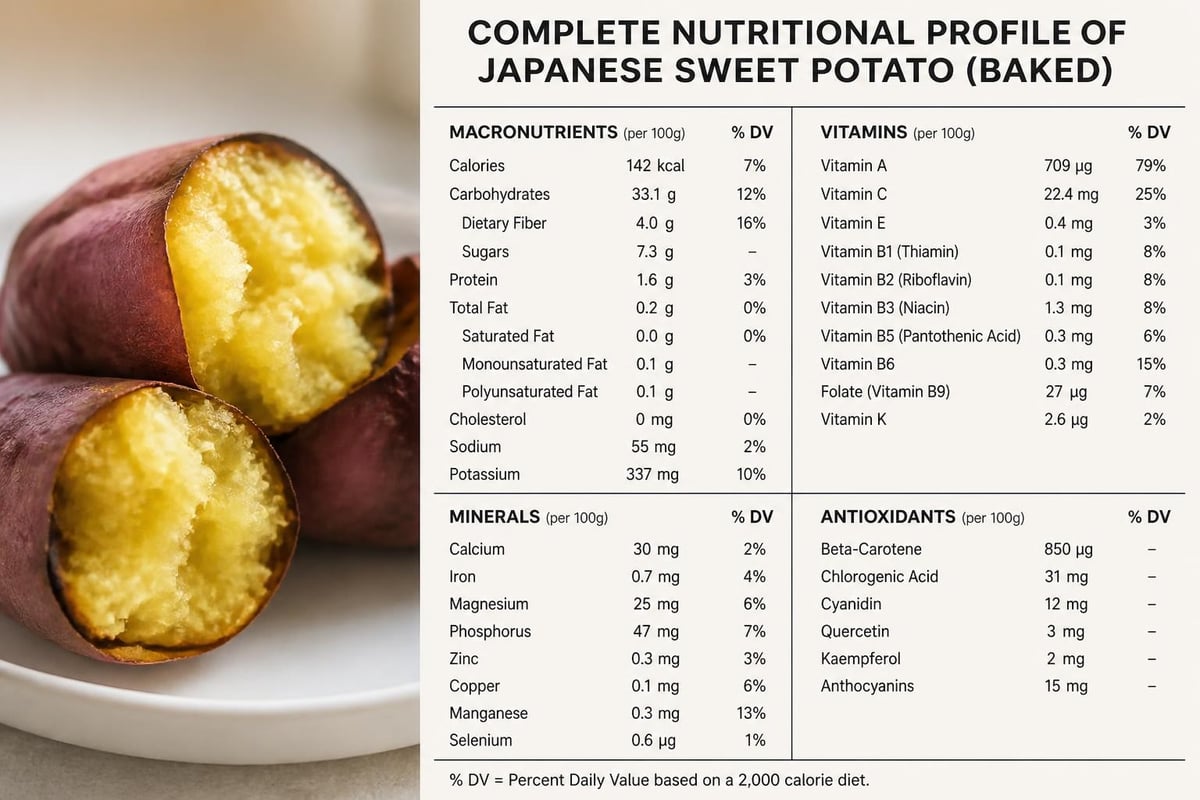
The growing popularity of japanese sweet potato baked dishes extends beyond flavor to encompass significant nutritional advantages. Health benefits of sweet potatoes include high fiber content, abundant vitamins, and beneficial antioxidants.
Macronutrient Composition
A medium japanese sweet potato baked (approximately 200 grams) provides:
- Calories: 180-200 kcal
- Carbohydrates: 41-44 grams (primarily complex starches)
- Fiber: 6-7 grams (24-28% daily value)
- Protein: 4 grams
- Fat: Minimal (less than 0.5 grams)
The complex carbohydrates digest more slowly than simple sugars, providing sustained energy release. This makes japanese sweet potato baked preparations particularly valuable for health-conscious consumers seeking alternatives to refined grain products.
Micronutrient Density
Japanese sweet potatoes deliver exceptional micronutrient profiles:
Vitamins:
- Vitamin C: 37% daily value per serving
- Vitamin B6: 25% daily value
- Vitamin E: Significant amounts in skin
- Pantothenic acid: Supports energy metabolism
Minerals:
- Potassium: 950mg (20% daily value)
- Manganese: 30% daily value
- Copper: Essential for iron absorption
The purple skin contains anthocyanins, powerful antioxidants linked to anti-inflammatory benefits. Consuming japanese sweet potato baked with skin intact maximizes these protective compounds.
Alternative Cooking Methods and Applications
While traditional oven baking remains the gold standard, modern cooking technologies offer viable alternatives for japanese sweet potato baked preparations that suit different consumer needs and time constraints.
Air Fryer Method
Air fryers have revolutionized home cooking by delivering oven-like results in reduced time. For japanese sweet potato baked recipes, this method works exceptionally well. The air fryer approach requires these adjustments:
- Temperature: 370°F
- Time: 35-40 minutes for medium tubers
- Technique: Pierce skin, turn halfway through cooking
- Result: Similar texture to traditional baking with 30% time reduction
This method appeals particularly to urban consumers with limited kitchen space and busy schedules, representing a growing market segment for premium sweet potato products.
Microwave Pre-Treatment
While microwaving alone produces inferior results, combining microwave pre-treatment with finishing in conventional ovens reduces total cooking time while preserving quality:
- Microwave on high: 5-7 minutes to partially cook interior
- Transfer to 400°F oven: 30-40 minutes for caramelization
- Rest: 5 minutes before serving
This hybrid approach reduces energy consumption while delivering acceptable texture and flavor, making japanese sweet potato baked dishes more accessible for weeknight preparation.
Instant Pot Pressure Cooking
Pressure cooking offers another time-saving alternative, though texture differs from traditional baking. Settings include:
| Method | Pressure | Time | Result |
|---|---|---|---|
| Steam | High | 12-15 min | Soft, moist texture |
| Slow Cook | Low | 4-6 hours | Similar to oven-baked |
| Manual | High | 20 min | Fully cooked but less caramelization |
For retailers targeting convenience-oriented consumers, educating about these alternative preparation methods can expand market reach while maintaining product quality standards.
Culinary Applications and Recipe Development
Japanese sweet potato baked preparations serve as both standalone dishes and ingredients in complex recipes. Understanding these applications helps importers and retailers position products for diverse market segments.
Whole Baked Presentations
The simplest presentation showcases the natural qualities of premium sweet potatoes. Following detailed baking techniques results in sweet potatoes that require minimal embellishment:
Classic Toppings:
- Salted butter: Contrasts natural sweetness
- Miso butter: Umami depth balances sugar content
- Cinnamon and honey: Enhances warming spices
- Greek yogurt and maple syrup: Protein-rich breakfast option
These simple preparations highlight quality differences between premium imports and commodity-grade sweet potatoes, justifying premium pricing for discerning consumers.
Integrated Recipe Applications
Japanese sweet potato baked products serve as ingredients in numerous value-added preparations:
- Breakfast bowls: Cubed baked sweet potato with quinoa, eggs, avocado
- Salad components: Adds sweetness and texture to grain-based salads
- Dessert bases: Foundation for pies, puddings, and Japanese-style sweets
- Side dishes: Alternative to conventional starches in composed plates
Recipe development for these applications should emphasize the unique flavor profile and texture of Japanese varieties versus orange sweet potatoes. The versatility in dessert applications particularly appeals to pastry chefs and home bakers seeking distinctive ingredients.
<image_prompt alt="Culinary applications spectrum">Range of japanese sweet potato baked applications from simple whole presentations to complex recipe integrations including breakfast bowls, salads, and desserts</image_profile>
Market Positioning and Consumer Education
For businesses involved in sweet potato export and distribution, educating retailers and end consumers about japanese sweet potato baked preparations creates competitive advantages and supports premium pricing strategies.
Quality Differentiation Factors
Premium Japanese sweet potatoes command higher prices when retailers can articulate quality differences:
Visible Quality Indicators:
- Uniform size and shape
- Unblemished skin
- Firm texture without sprouting
- Proper curing (sweeter flavor development)
Performance Characteristics:
- Consistent cooking times across batch
- Reliable sweetness levels
- Superior texture after baking
- Extended shelf life under proper storage
These factors justify premium positioning and support higher margins throughout the distribution chain. Our galleries showcase the visual quality standards that differentiate premium exports from commodity products.
Retailer Support Strategies
Successful japanese sweet potato baked product lines require retailer education and support:
- Point-of-sale materials: Recipe cards with preparation instructions
- Staff training: Basic knowledge about variety differences and cooking methods
- Sampling programs: In-store demonstrations of properly prepared products
- Digital content: Video tutorials and recipe collections for social media
Investment in these support materials increases conversion rates and builds consumer loyalty, creating repeat purchase patterns that benefit the entire supply chain.
Export Considerations and Quality Standards
International trade in premium sweet potatoes requires careful attention to quality maintenance throughout the supply chain. Understanding these factors helps retailers appreciate the value proposition of working with established exporters.
Harvest Timing and Curing
Optimal japanese sweet potato baked quality begins at harvest. Sweet potatoes destined for premium markets should be:
- Harvested at full maturity (120-140 days growth depending on variety)
- Cured immediately at 85°F and 90% humidity for 7-10 days
- Sorted to remove damaged or undersized specimens
- Stored under controlled conditions until shipment
This curing process heals minor skin damage and initiates enzymatic changes that enhance sweetness, directly impacting the final eating quality when consumers prepare japanese sweet potato baked dishes.
Transportation and Cold Chain
Maintaining optimal temperature throughout international shipping preserves the quality characteristics essential for premium japanese sweet potato baked preparations:
Temperature Parameters:
| Stage | Temperature | Humidity | Duration |
|---|---|---|---|
| Farm Storage | 55-60°F | 85-90% | Up to 6 months |
| Transit | 55-58°F | 85% | 2-4 weeks |
| Retail Storage | 55-60°F | 80-85% | 1-2 weeks |
| Home Storage | 55-65°F | Room humidity | 1-2 weeks |
Deviations from these parameters accelerate spoilage or trigger unwanted sprouting, reducing shelf life and cooking quality. Professional exporters maintain strict monitoring throughout the cold chain, ensuring products arrive in optimal condition.
Seasonal Availability and Supply Planning
Understanding production cycles helps retailers plan inventory and promotional activities around peak quality periods for japanese sweet potato baked offerings.
Primary Growing Regions
Japanese sweet potatoes thrive in temperate to subtropical climates with well-drained soils. Major production regions include:
- Japan: September-November harvest, premium domestic varieties
- Indonesia: Year-round production in Java, consistent export supply
- United States: September-October harvest in California and Hawaii
- New Zealand: March-May harvest, counter-seasonal supply
Indonesian production, particularly from West Java growing regions, provides reliable year-round supply for international markets. This consistent availability supports retailers in maintaining continuous japanese sweet potato baked product offerings without seasonal gaps.
Peak Quality Windows
While sweet potatoes store well, certain periods offer optimal eating quality:
Freshly Harvested (0-2 months post-harvest):
- Highest moisture content
- Sweetest flavor profile
- Ideal for japanese sweet potato baked applications
- Premium pricing justified
Mid-Storage (3-5 months post-harvest):
- Stable quality characteristics
- Consistent cooking performance
- Standard pricing tier
Late Storage (6+ months post-harvest):
- Potential texture degradation
- May require deeper discounting
- Best for processed applications
Retailers should coordinate with exporters to receive freshly harvested product during peak demand periods, typically autumn through winter in Western markets when consumers seek hearty, warming foods like japanese sweet potato baked dishes.
Commercial Kitchen Applications
Food service operators represent significant market opportunities for premium sweet potato suppliers. Japanese sweet potato baked preparations offer menu versatility and operational efficiency.
Batch Preparation Protocols
Commercial kitchens preparing japanese sweet potato baked items at scale require standardized procedures:
Equipment Selection:
- Convection ovens for even heat distribution
- Sheet pans with raised edges for steam circulation
- Food-safe thermometers for doneness verification
- Holding cabinets at 140°F for service periods
Production Workflow:
- Sort by size (small: under 200g, medium: 200-300g, large: over 300g)
- Wash and pierce uniformly
- Arrange on pans with adequate spacing
- Bake by size category to ensure even doneness
- Hold at temperature or cool for later reheating
This systematic approach ensures consistent quality across service periods, critical for restaurant operations featuring japanese sweet potato baked menu items.
Menu Development Strategies
Chefs increasingly incorporate Japanese sweet potatoes into diverse menu categories:
Appetizer Applications:
- Sweet potato fries with miso aioli
- Baked sweet potato skins with toppings
- Tempura-style preparations
Entree Components:
- Buddha bowls with roasted sweet potato
- Curry bases using pureed baked sweet potato
- Vegetarian main courses highlighting sweet potato
Dessert Innovations:
- Sweet potato cheesecake
- Japanese-style sweet potato parfaits
- Ice cream with candied sweet potato
These applications demonstrate the ingredient's versatility beyond simple side dishes, expanding market opportunities for premium suppliers.
Consumer Trends and Market Growth
The japanese sweet potato baked category benefits from several converging consumer trends that support continued market expansion through 2026 and beyond.
Health and Wellness Movement
Consumers increasingly seek whole food alternatives to processed carbohydrates. Japanese sweet potatoes satisfy this demand with their complex carbohydrate profile, high fiber content, and nutrient density. The practical preparation methods make these health benefits accessible even to cooking novices.
Plant-Based Diet Adoption
As plant-based eating grows beyond niche markets, versatile vegetables like Japanese sweet potatoes gain prominence. Their naturally satisfying sweetness and substantial texture make japanese sweet potato baked dishes appealing protein alternatives without requiring extensive preparation.
Interest in Japanese Cuisine
Broader cultural appreciation for Japanese food extends beyond sushi and ramen to traditional preparations like yaki imo. This cultural trend supports premium pricing for authentic Japanese sweet potato varieties and creates opportunities for specialty retailers.
Sustainable Agriculture Focus
Consumers increasingly consider environmental impact when making purchasing decisions. Sweet potatoes require less water than many staple crops and thrive without extensive chemical inputs, aligning with sustainability values. Retailers can leverage these environmental benefits when marketing japanese sweet potato baked products.
Quality Control and Inspection Standards
Professional exporters implement rigorous quality control measures to ensure consistent japanese sweet potato baked performance for end consumers.
Pre-Export Inspection Criteria
Before shipment, sweet potatoes undergo multiple inspection points:
Visual Assessment:
- Skin integrity (no cuts, bruises, or soft spots)
- Color consistency within variety specifications
- Shape uniformity (reject malformed specimens)
- Size distribution matching order specifications
Physical Testing:
- Firmness verification through gentle pressure
- Sugar content measurement using refractometry
- Moisture content analysis
- Internal inspection of sample tubers
These quality gates ensure only premium-grade sweet potatoes enter the export stream, protecting brand reputation and supporting premium market positioning.
Certification and Traceability
Modern export operations maintain comprehensive traceability from farm to final destination:
- Farm identification: GPS coordinates and cultivation records
- Harvest documentation: Date, personnel, weather conditions
- Processing logs: Washing, sorting, packing timestamps
- Transportation records: Temperature monitoring throughout journey
- Destination verification: Delivery confirmation and quality acceptance
This documentation supports food safety requirements and enables rapid response to any quality concerns, essential for maintaining long-term buyer relationships. For more information about our quality standards and sourcing practices, visit our blog.
Mastering japanese sweet potato baked preparation techniques unlocks the full potential of these premium tubers, delivering exceptional flavor and nutritional benefits that justify premium market positioning. Whether retailers are introducing Japanese varieties to new markets or expanding existing product lines, understanding the science behind optimal preparation methods, storage requirements, and quality indicators creates competitive advantages throughout the supply chain. PT Cakra Baja Niaga partners with importers, distributors, and retailers worldwide to deliver consistently premium Japanese sweet potatoes from our partner farms in West Java, ensuring your customers experience the exceptional quality that drives repeat purchases and builds lasting brand loyalty in this growing market segment.
Looking to source premium Indonesian sweet potatoes?
PT Cakra Baja Niaga supplies export-grade Cilembu, Purple, and Murasaki varieties to buyers worldwide.
Continue reading
Sweet Potatoes Import Singapore Market Report
Explore Singapore’s sweet potato imports, leading suppliers, SFA requirements, pricing factors, and sourcing opportunities for Indonesian exporters.
Read article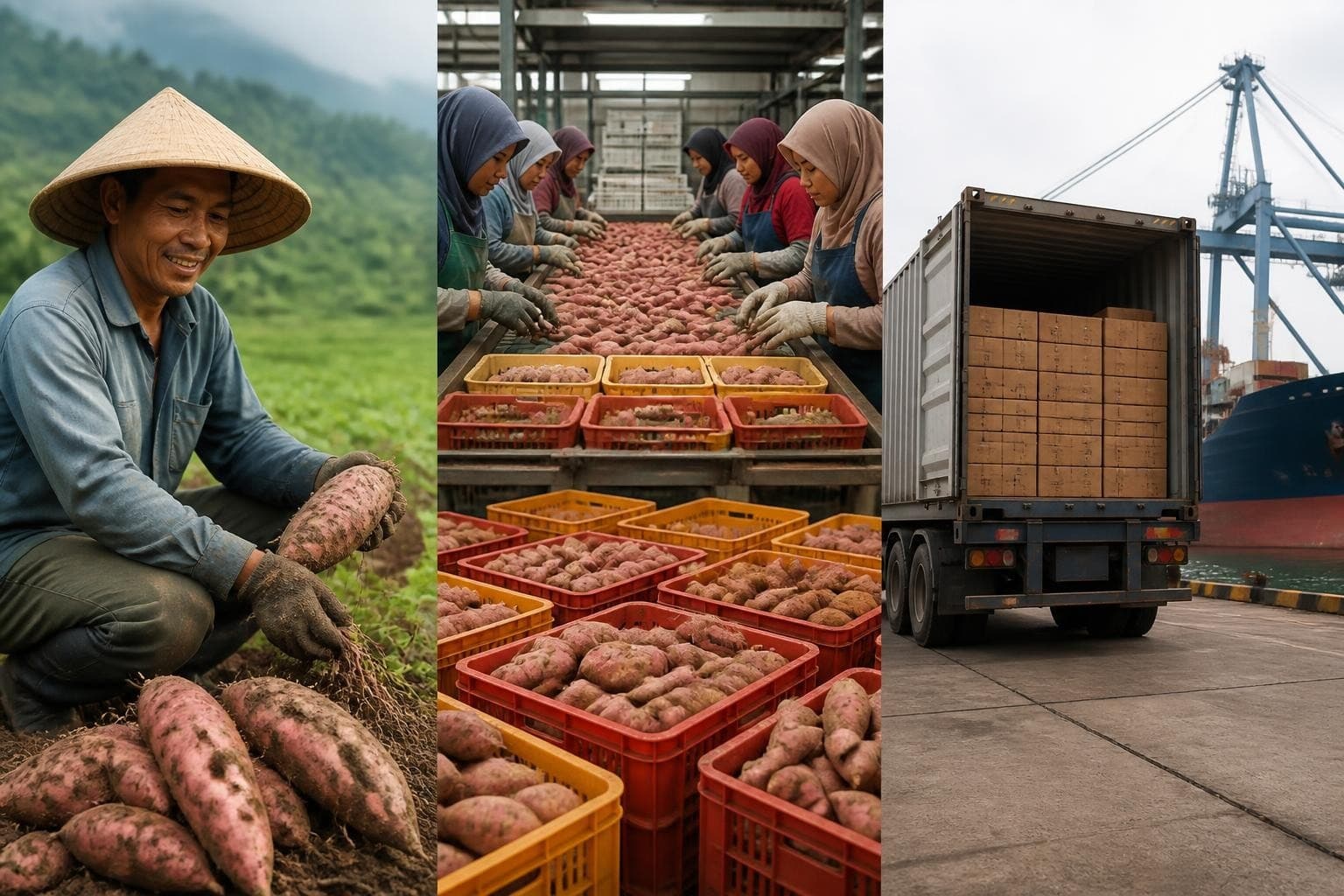
Wholesale Sweet Potatoes Indonesia: B2B Export Guide 2026
Source premium wholesale sweet potatoes Indonesia for import. Quality standards, export logistics, varieties, pricing & supplier partnerships.
Read article
Sweet Potatoes Supplier Indonesia: Quality & Export Guide
Find reliable sweet potatoes supplier Indonesia offering premium export quality. Learn about sourcing, grading, logistics, and partnerships.
Read article