Bulk Sweet Potatoes Supplier Guide for B2B Buyers 2026
Find the right bulk sweet potatoes supplier for your business. Expert guide covering quality standards, logistics, certifications, and sourcing.
Selecting the right bulk sweet potatoes supplier represents one of the most critical decisions for businesses operating in the fresh produce and food manufacturing sectors. Whether you're an importer establishing new supply chains, a distributor expanding your product range, or a food manufacturer requiring consistent raw materials, understanding how to evaluate and partner with reliable suppliers directly impacts your operational success. The global sweet potato market continues to expand, with projections indicating growth to $476 million by 2025, driven by increasing consumer demand for nutritious, versatile root vegetables across multiple markets.
Understanding the Global Sweet Potato Supply Chain
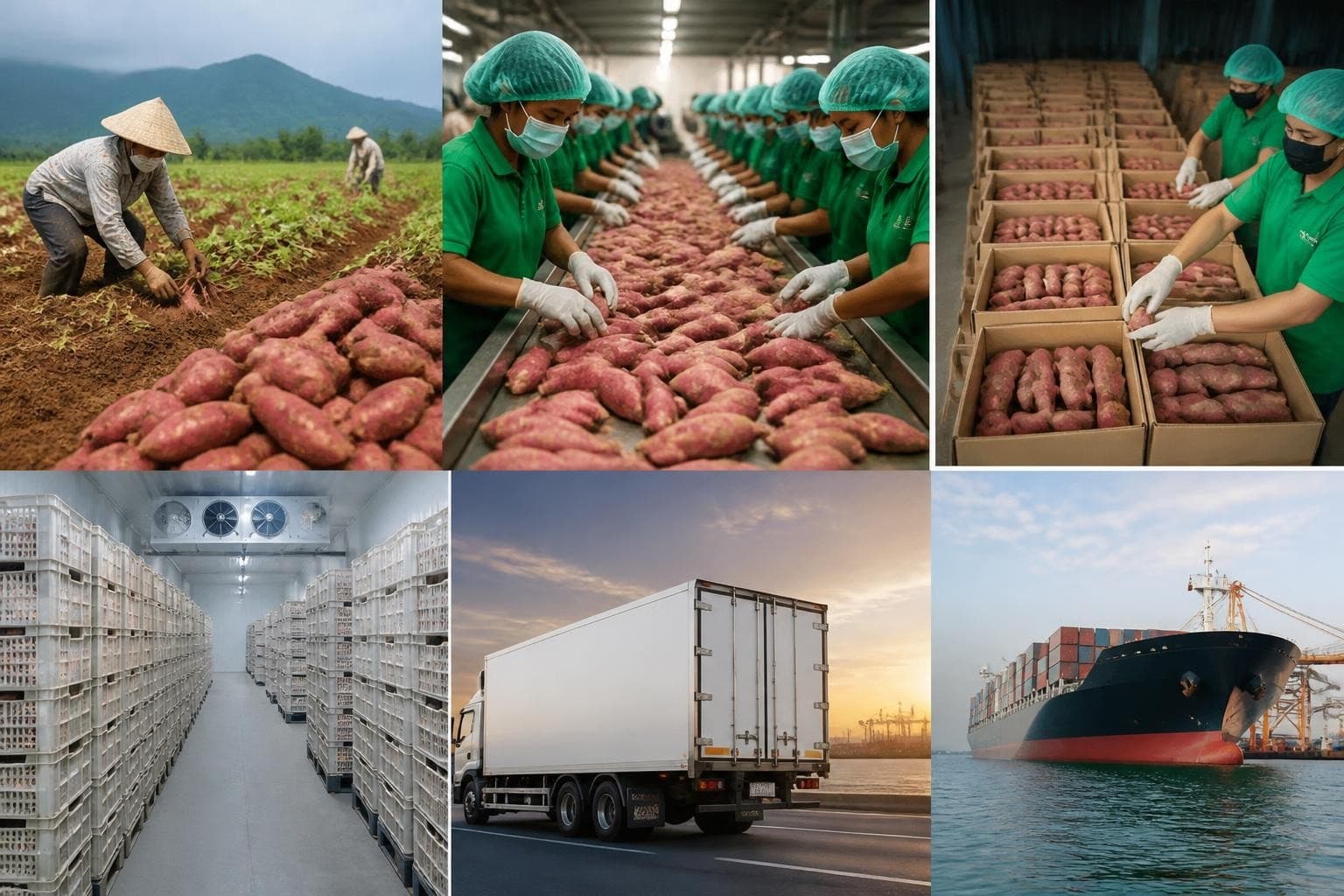
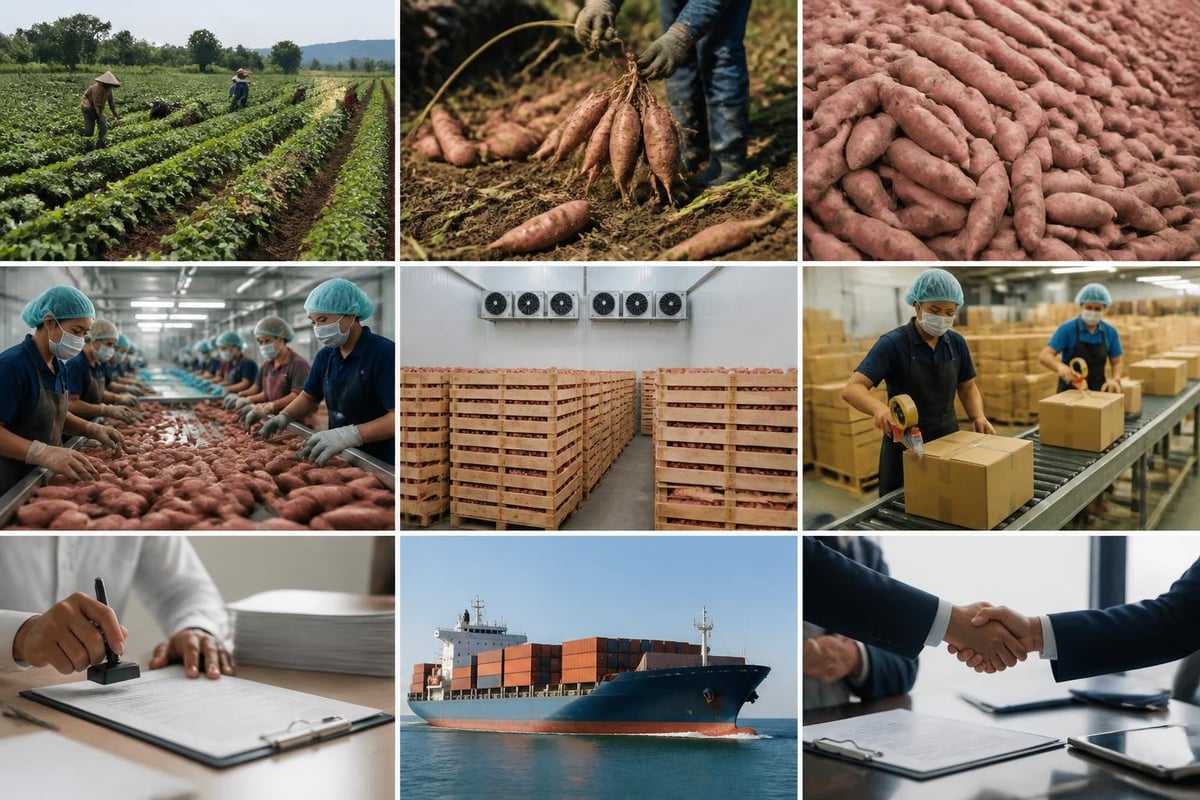
The sweet potato supply chain involves multiple interconnected stages, from cultivation and harvest through processing, storage, and international distribution. Each stage presents opportunities for value addition and potential points of quality degradation.
Key supply chain actors include:
- Primary producers and farming cooperatives
- Collection centers and aggregators
- Processing and packing facilities
- Export trading companies
- International freight forwarders
- Import distributors and wholesalers
- Retail chains and food service operators
Research examining sweet potato value chain dynamics demonstrates that coordination among these actors significantly influences product quality, pricing efficiency, and market access. When evaluating a bulk sweet potatoes supplier, understanding their position and relationships within this chain provides valuable insight into their capabilities and reliability.
Production Geography and Seasonal Considerations
Indonesia has emerged as a significant player in international sweet potato markets, particularly from cultivation regions in West Java. The tropical climate enables year-round production with peak harvest seasons delivering optimal quality and volume. This geographic advantage allows Indonesian suppliers to fill market gaps when traditional suppliers face seasonal constraints.
| Production Region | Peak Season | Primary Varieties | Export Advantages |
|---|---|---|---|
| West Java, Indonesia | Year-round | Cilembu, Japanese varieties | Consistent supply, tropical quality |
| China | September-November | Various orange and purple | High volume capability |
| United States | September-December | Beauregard, Covington | Established quality standards |
| Vietnam | Year-round | Various | Competitive pricing |
Critical Quality Standards for Bulk Sweet Potato Procurement
Quality consistency separates exceptional suppliers from mediocre ones. When sourcing from a bulk sweet potatoes supplier, establishing clear quality specifications prevents disputes and ensures your customers receive consistent products.
Physical Quality Parameters
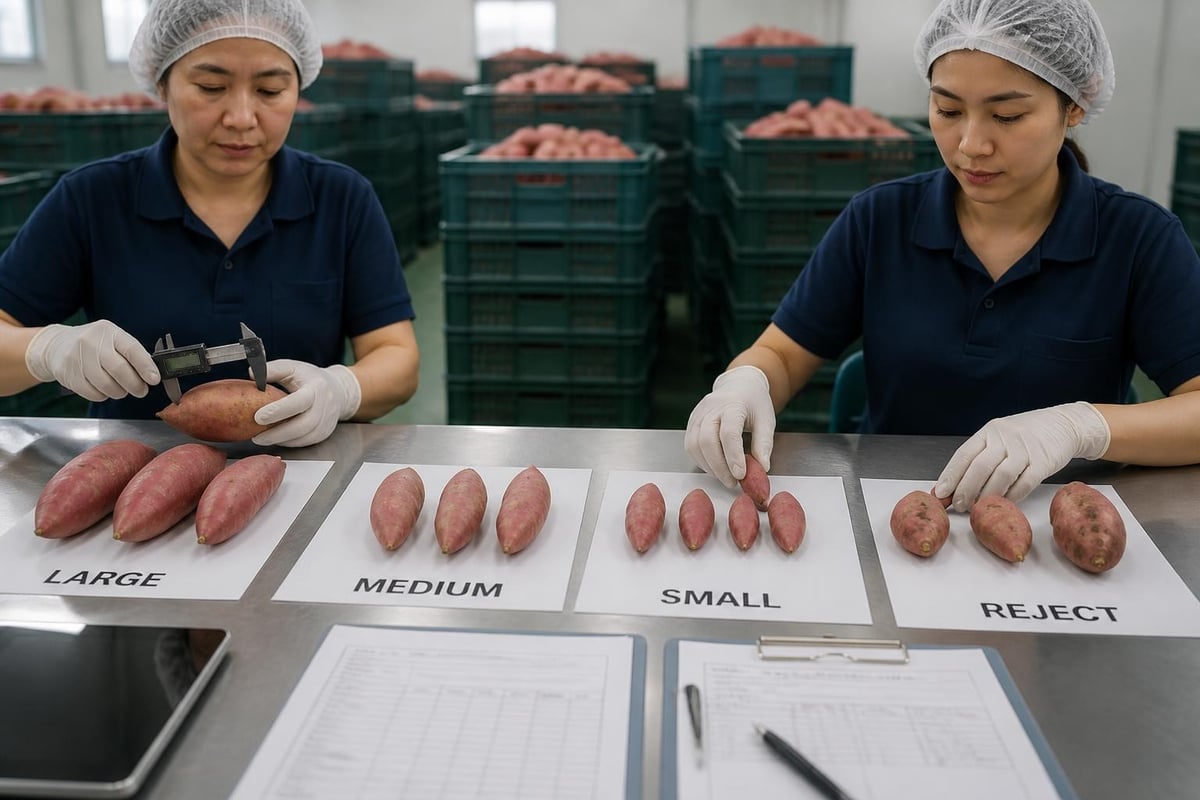
Size and grading specifications:
- Jumbo grade: 500+ grams per unit, ideal for food service and retail display
- Large grade: 300-500 grams, suitable for retail packaging and processing
- Medium grade: 200-300 grams, optimal for consumer preference in many markets
- Small grade: 100-200 grams, appropriate for processing and value-added products
Appearance standards:
- Skin integrity with minimal scarring or blemishes
- Uniform color appropriate to variety
- Absence of sprouting, sunburn, or growth cracks
- No signs of pest damage or disease
The Mississippi sweet potato supply chain study identifies appearance defects as a primary source of product loss during distribution. Rigorous grading at the supplier level reduces rejection rates and protects your profit margins.
Internal Quality and Composition
Beyond external appearance, internal quality determines end-use suitability and customer satisfaction. Request suppliers provide specifications for:
- Dry matter content (typically 25-35% depending on variety)
- Sugar content and sweetness levels
- Flesh color consistency
- Absence of internal defects like hard cores or discoloration
Understanding the diverse colors of sweet potatoes helps buyers select varieties matching their target market preferences and application requirements.
Food Safety Certifications and Compliance Requirements
International buyers must verify that their bulk sweet potatoes supplier maintains appropriate certifications and follows recognized food safety protocols. Regulatory compliance protects your business from legal liability and maintains consumer confidence.
Essential Certifications for Export Suppliers
| Certification | Purpose | Relevance to Buyers |
|---|---|---|
| GlobalGAP | Good Agricultural Practices | Ensures farm-level safety and sustainability |
| HACCP | Hazard Analysis Critical Control Points | Systematic food safety management |
| ISO 22000 | Food Safety Management System | Comprehensive quality framework |
| Organic Certification | Chemical-free production verification | Premium market access |
| Phytosanitary Certificates | Plant health documentation | Required for international trade |
Working with suppliers who maintain current certifications simplifies customs clearance and reduces import delays. Indonesian exporters like those specializing in premium sweet potatoes increasingly invest in international certifications to meet buyer expectations.
Traceability and Documentation
Modern supply chain management demands complete traceability from farm to delivery. Your bulk sweet potatoes supplier should provide:
- Farm identification and location data
- Harvest date and lot numbering
- Processing facility records
- Storage temperature logs
- Shipping and handling documentation
- Laboratory testing results when applicable
This documentation becomes critical during food safety incidents, enabling rapid identification and isolation of affected products.
Packaging and Logistics Considerations
Packaging directly influences product condition upon arrival and shelf life after distribution. Evaluate how potential suppliers approach packaging based on your specific requirements and destination markets.
Standard Packaging Configurations
Bulk packaging options:
- 10 kg mesh bags for retail distribution
- 20 kg cartons for wholesale and processing
- 500 kg wooden bins for large-scale food manufacturing
- Custom packaging to buyer specifications
Packaging material considerations:
- Ventilated packaging prevents moisture accumulation
- Food-grade materials comply with destination market regulations
- Branding capabilities for retail-ready products
- Sustainability credentials increasingly influence purchasing decisions
Cold Chain Management
Sweet potatoes require specific temperature and humidity conditions during storage and transportation to maintain quality. The optimal storage range sits between 13-16°C with 85-90% relative humidity. Temperatures below 10°C cause chilling injury, while excessive heat accelerates sprouting and deterioration.
Verify your bulk sweet potatoes supplier maintains:
- Temperature-controlled storage facilities
- Refrigerated transportation to ports
- Proper container loading procedures
- Real-time temperature monitoring during transit
- Clear protocols for handling temperature excursions
Evaluating Supplier Reliability and Partnership Potential
Financial transactions involving international agricultural commodities carry inherent risks. Due diligence before establishing supplier relationships protects your investment and ensures business continuity.
Supplier Assessment Framework
Operational capacity evaluation:
- Production volume capabilities and scalability
- Number and location of partner farms
- Processing and packing facility capacity
- Quality control infrastructure and staffing
- Export experience and destination markets served
Financial and business stability:
- Years in operation and business registration verification
- Financial references and payment terms offered
- Insurance coverage for products and shipments
- Dispute resolution mechanisms and contract terms
Communication and service standards:
- Response time to inquiries and sample requests
- Language capabilities for international business
- Technical support and agronomic knowledge
- Flexibility in customizing specifications
Research analyzing sweet potato marketing and value chains emphasizes that successful partnerships depend on transparent communication and mutual understanding of market requirements.
Pricing Structures and Payment Terms
Understanding sweet potato pricing mechanisms helps buyers negotiate favorable terms while maintaining supplier relationships that support quality and reliability.
Price Determinants
Multiple factors influence bulk sweet potato pricing:
- Seasonal supply fluctuations: Even year-round producers experience quality and volume variations
- Variety and grade premiums: Specialty varieties like Japanese sweet potatoes command higher prices
- Packaging and processing: Value-added services increase unit costs
- Order volume: Larger commitments typically yield better pricing
- Quality specifications: Tighter tolerances increase sorting costs
- Destination and logistics: Freight costs vary significantly by route
Payment and Trade Terms
Common payment structures in international sweet potato trade include:
| Payment Term | Buyer Risk | Supplier Risk | Typical Application |
|---|---|---|---|
| Advance Payment | Low | High | New relationships, small orders |
| Letter of Credit | Balanced | Balanced | Standard for established trade |
| Open Account | High | Low | Long-term trusted partnerships |
| Documentary Collection | Medium | Medium | Mid-level trust situations |
Starting with conservative payment terms and progressing toward open account as trust develops represents a prudent approach for both parties.
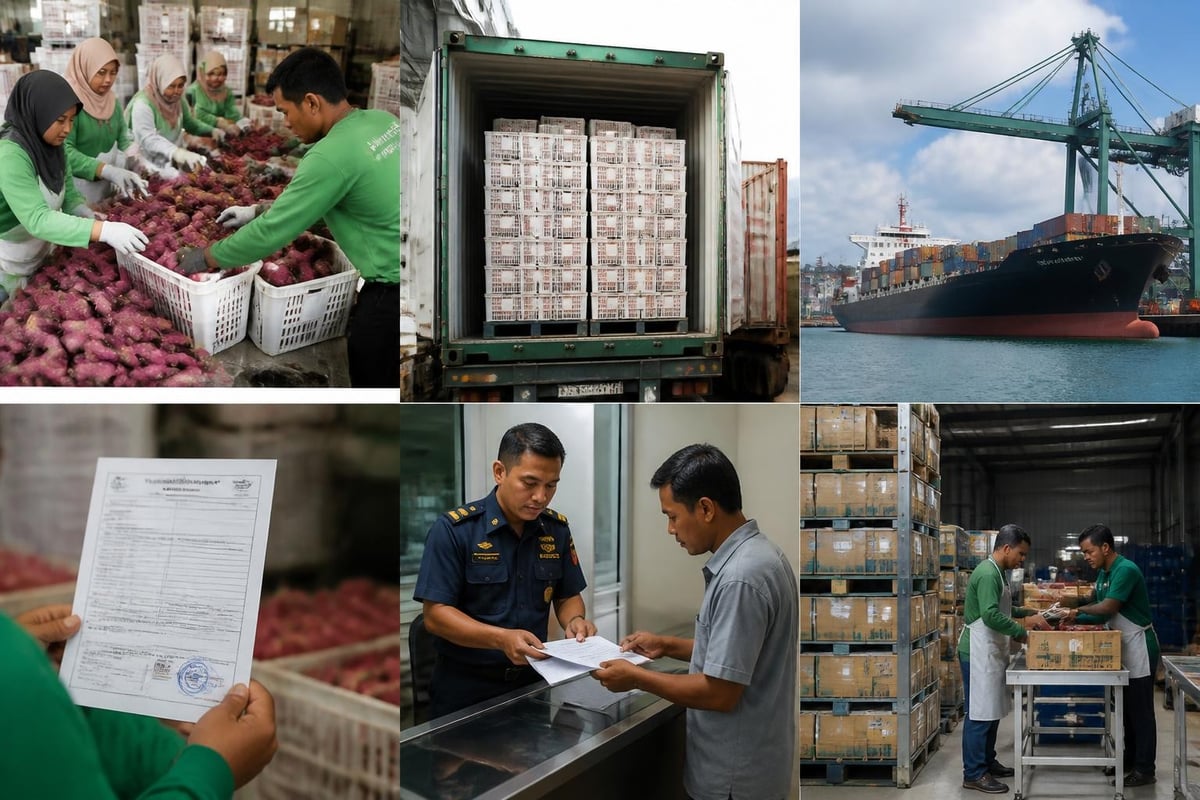
Sourcing from Indonesian Sweet Potato Suppliers
Indonesia's sweet potato sector offers distinct advantages for international buyers seeking reliable suppliers with competitive quality and pricing. West Java's volcanic soils and tropical climate produce sweet potatoes with excellent flavor profiles and nutritional content.
Indonesia's Competitive Advantages
Agricultural benefits:
- Year-round production capability reduces seasonal gaps
- Diverse variety cultivation including Cilembu sweet potatoes renowned for natural sweetness
- Lower production costs compared to developed markets
- Growing adoption of international quality standards
Export infrastructure:
- Multiple international ports with regular shipping schedules
- Improving cold chain facilities and logistics services
- Government support for agricultural exports
- Competitive freight rates to Asian and Middle Eastern markets
When importing sweet potatoes from Indonesia, buyers benefit from proximity to growing Asian markets and cost advantages that support competitive positioning.
Building Successful Partnerships with Indonesian Suppliers
Establishing productive relationships with Indonesian suppliers requires understanding local business practices while maintaining international quality expectations.
Best practices include:
- Initial engagement: Request detailed company profiles, certifications, and references
- Sample evaluation: Order commercial samples to verify quality before bulk commitments
- Facility visits: When feasible, inspect farms and packing facilities in person
- Clear specifications: Document all quality, packaging, and delivery requirements in writing
- Gradual scaling: Begin with smaller trial shipments before increasing volumes
- Regular communication: Maintain consistent contact to address issues promptly
Sustainability and Ethical Sourcing Considerations
Modern B2B buyers increasingly prioritize sustainability and social responsibility when selecting suppliers. These considerations influence both consumer perception and regulatory compliance in destination markets.
Environmental Stewardship
Evaluate potential suppliers based on:
- Water management and conservation practices
- Soil health maintenance and erosion prevention
- Integrated pest management reducing chemical inputs
- Waste reduction in processing and packaging
- Carbon footprint measurement and reduction initiatives
Social Responsibility
Fair labor and community impact:
- Fair wages and working conditions for farm laborers
- Community development investments
- Smallholder farmer inclusion in supply chains
- Gender equality and women's economic empowerment
- Training and capacity building programs
Publications examining sweet potato production and marketing constraints highlight how inclusive value chains benefit both suppliers and farming communities, creating more resilient and reliable supply sources.
Navigating International Trade Regulations
Successful bulk sweet potato importing requires compliance with complex and evolving regulatory frameworks in both origin and destination countries.
Documentation Requirements
Standard export documentation:
- Commercial invoice with accurate product descriptions
- Packing list detailing container contents
- Phytosanitary certificate confirming plant health
- Certificate of origin (may qualify for preferential tariffs)
- Bill of lading or airway bill
- Insurance certificates
- Any required import permits
Tariff and Customs Considerations
Research applicable import duties and preferential trade agreements that may reduce costs. Many countries maintain trade agreements with Indonesia that provide tariff advantages for agricultural products. Your bulk sweet potatoes supplier should understand these opportunities and structure documentation appropriately.
Food Safety and Inspection
Destination countries enforce varying food safety requirements. Major markets including the European Union, United States, Japan, and Middle Eastern countries maintain specific:
- Pesticide residue limits (Maximum Residue Levels)
- Microbial contamination standards
- Labeling and marking requirements
- Pre-clearance or inspection procedures
Value-Added Processing Opportunities
Beyond fresh sweet potato supply, consider suppliers offering value-added processing capabilities that expand your product portfolio and reduce waste.
Processing Options
Common value-added products:
- Washed and pre-sorted sweet potatoes reducing buyer handling
- Cut and vacuum-packed portions for food service
- Flash-frozen products extending shelf life
- Sweet potato flour for manufacturing applications
- Dehydrated chips and ingredients
- Organic and specialty certifications adding market value
Working with a bulk sweet potatoes supplier who offers processing flexibility allows you to respond to market opportunities without investing in separate processing partnerships.
Building Long-Term Supply Agreements
After establishing supplier reliability through initial transactions, consider formalizing relationships through structured supply agreements that benefit both parties.
Contract Elements
Essential agreement components:
- Volume commitments: Minimum and maximum quantities over defined periods
- Quality specifications: Detailed standards with testing procedures
- Pricing mechanisms: Fixed prices, price adjustment formulas, or market-based pricing
- Delivery schedules: Shipment frequency and lead time requirements
- Force majeure provisions: Handling unforeseen circumstances affecting supply
- Dispute resolution: Arbitration procedures and applicable law
- Duration and renewal: Contract term and extension options
Long-term agreements provide suppliers with planning certainty that enables farm expansion and quality investments while securing buyer supply at predictable costs.
Selecting the right bulk sweet potatoes supplier requires careful evaluation of quality standards, certifications, logistics capabilities, and business practices that align with your operational requirements and market positioning. Success in international sweet potato sourcing depends on thorough due diligence, clear communication, and partnerships built on mutual transparency and shared quality objectives. PT Cakra Baja Niaga specializes in connecting international buyers with premium Indonesian sweet potatoes from partner farms in West Java, offering consistent quality, comprehensive documentation, and responsive export support. Contact our team today to discuss your sweet potato sourcing requirements, request product samples, or obtain detailed quotations for your next shipment.
Looking to source premium Indonesian sweet potatoes?
PT Cakra Baja Niaga supplies export-grade Cilembu, Purple, and Murasaki varieties to buyers worldwide.
Continue reading
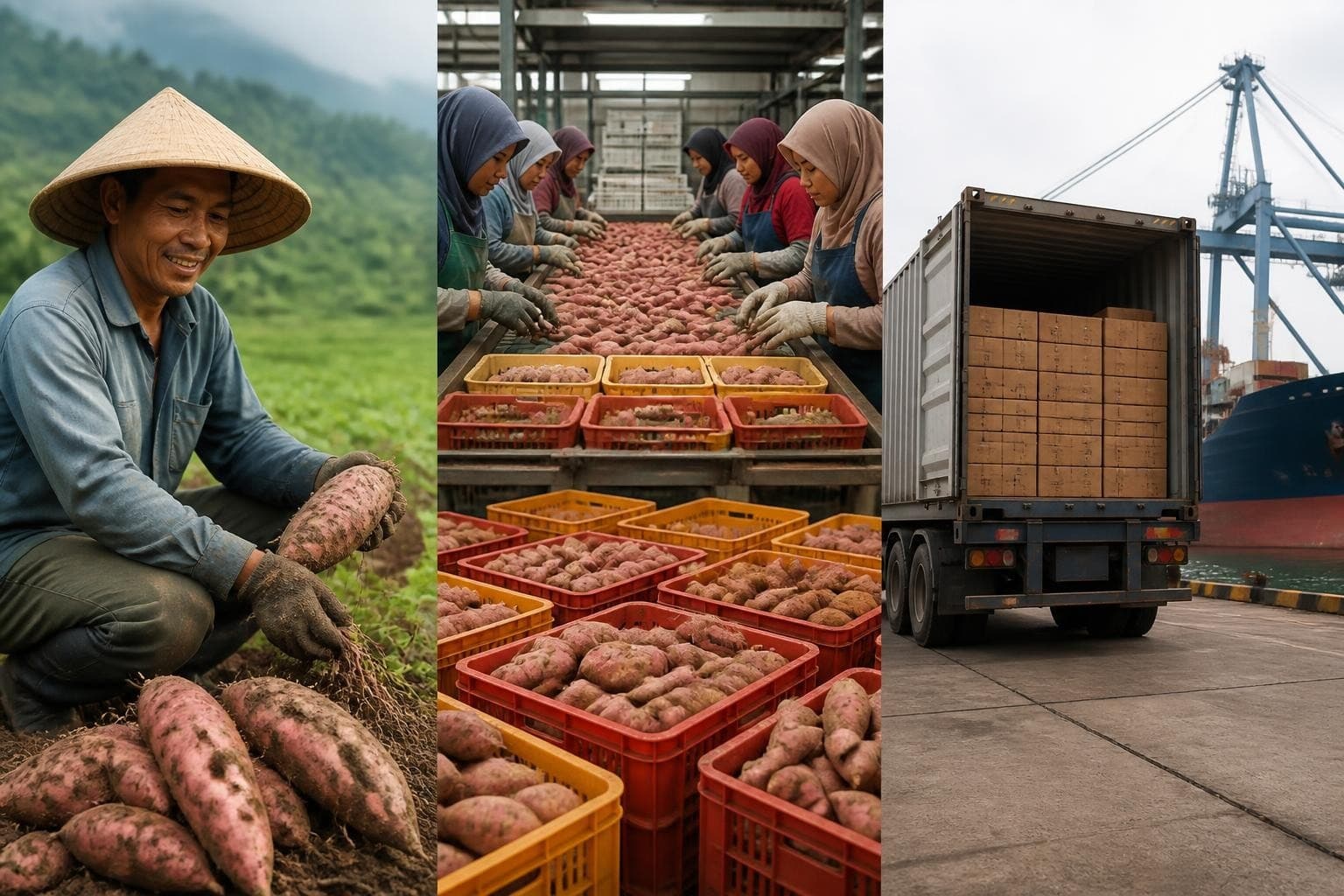
Wholesale Sweet Potatoes Indonesia: B2B Export Guide 2026
Source premium wholesale sweet potatoes Indonesia for import. Quality standards, export logistics, varieties, pricing & supplier partnerships.
Read article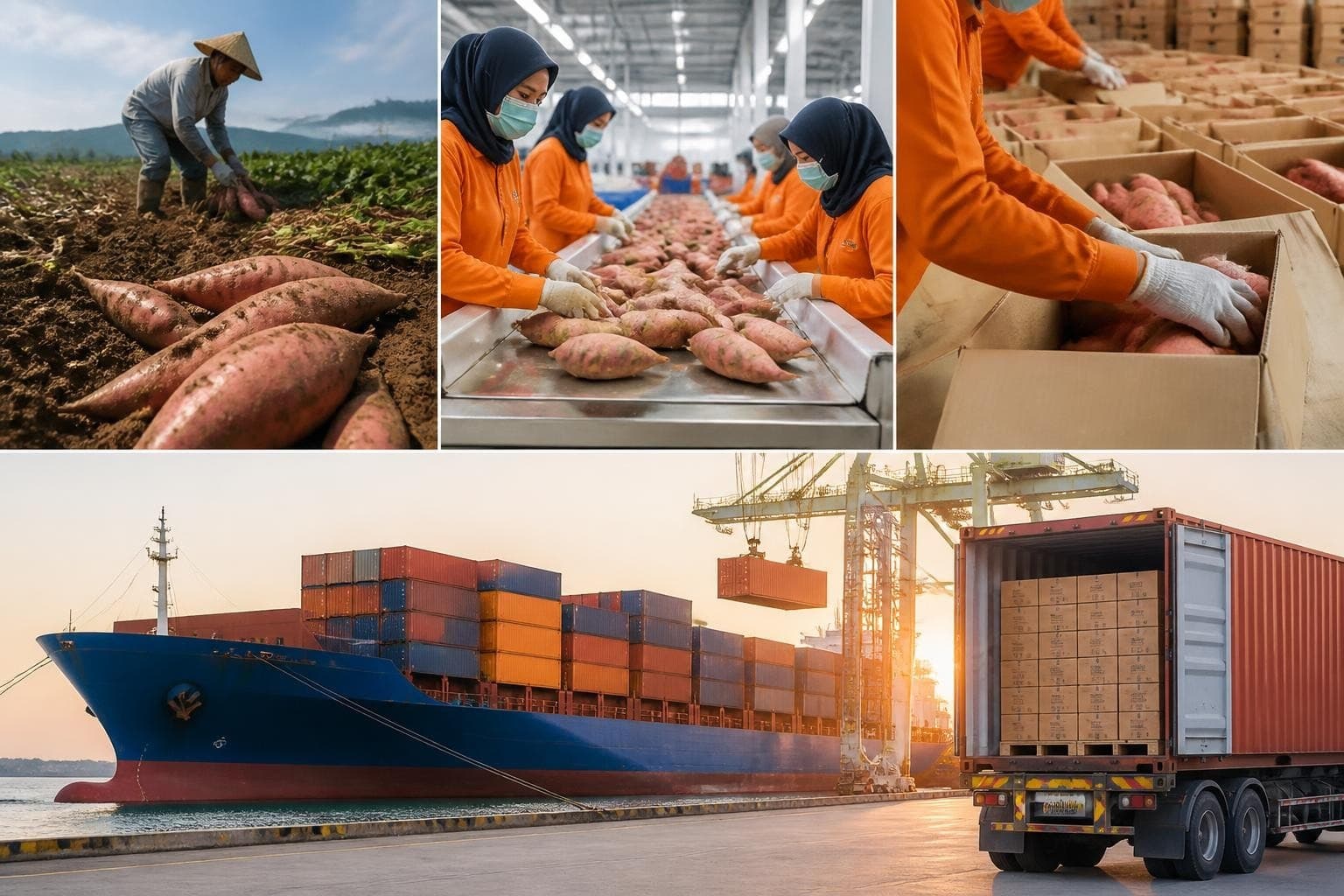
Sweet Potatoes Supplier Indonesia: Quality & Export Guide
Find reliable sweet potatoes supplier Indonesia offering premium export quality. Learn about sourcing, grading, logistics, and partnerships.
Read article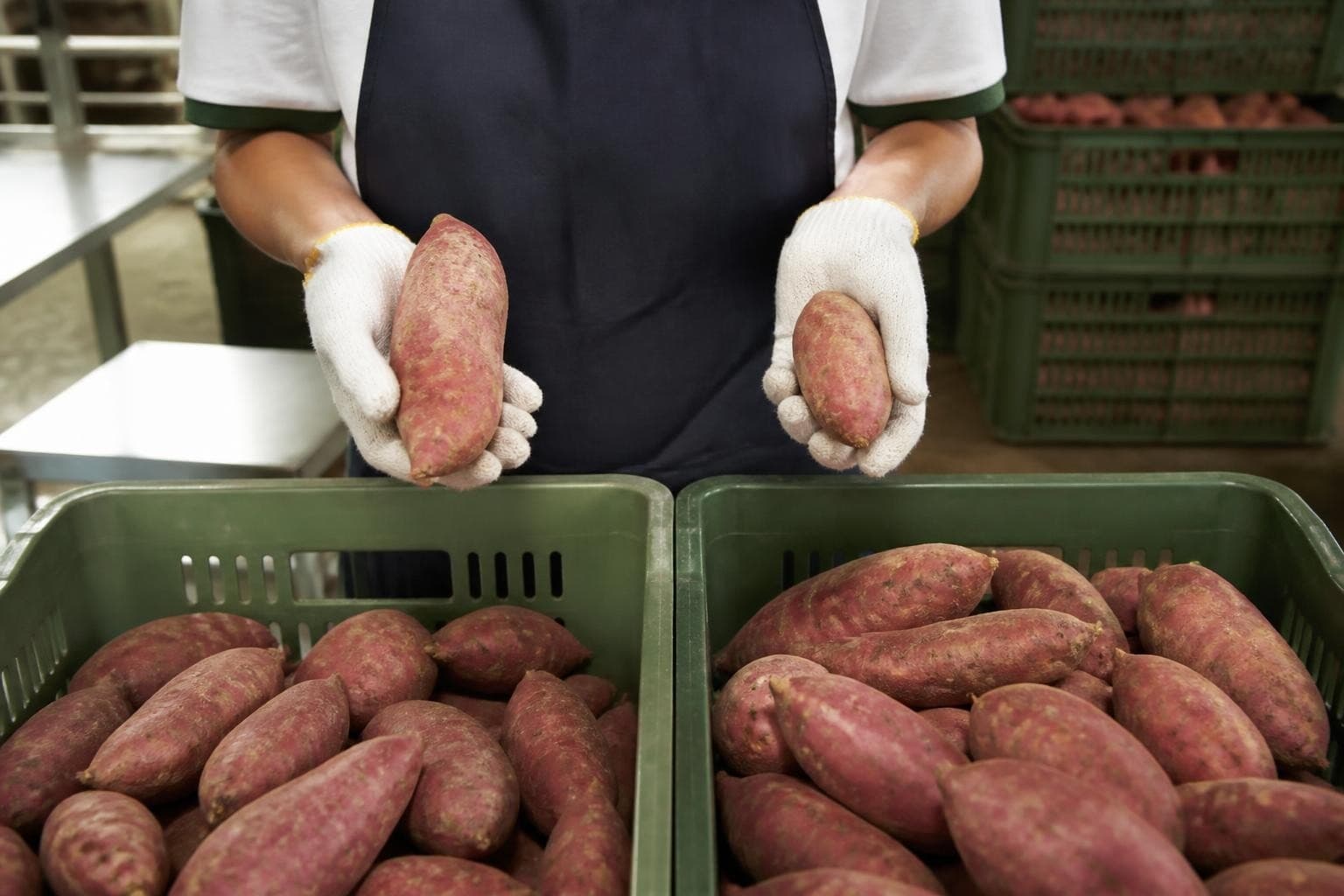
Sweet Potatoes Grading Guide for International Buyers
Comprehensive sweet potatoes grading guide for exporters and importers. Learn USDA standards, size classification, defect tolerance, and quality control.
Read article