
Cilembu Sweet Potato: Premium Export Quality Guide 2026
Discover why Cilembu sweet potatoes from West Java are prized globally. Learn about cultivation, quality standards, and export opportunities.
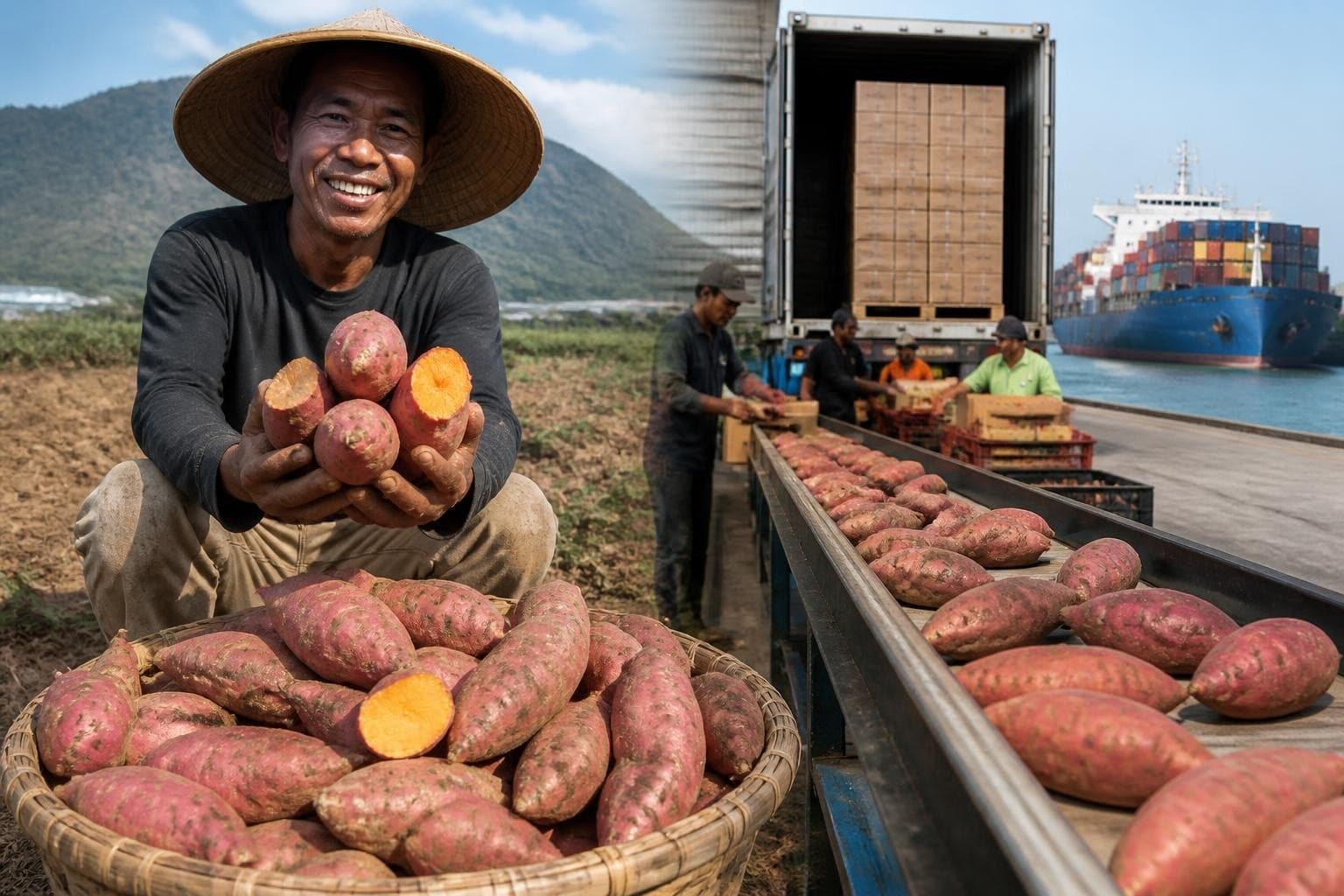
The global sweet potato market continues to expand, with international buyers increasingly seeking premium varieties that offer distinctive taste profiles and consistent quality. Among Indonesia's agricultural treasures, the cilembu sweet potato stands out as a premium export commodity that has captured the attention of importers, distributors, and retailers worldwide. Named after the Cilembu village in the Sumedang Regency of West Java, this honey sweet potato variety delivers exceptional sweetness and a unique honey-like texture when roasted, creating opportunities for exporters who can meet international quality standards and supply demands.
Understanding the Cilembu Sweet Potato Origin and Characteristics
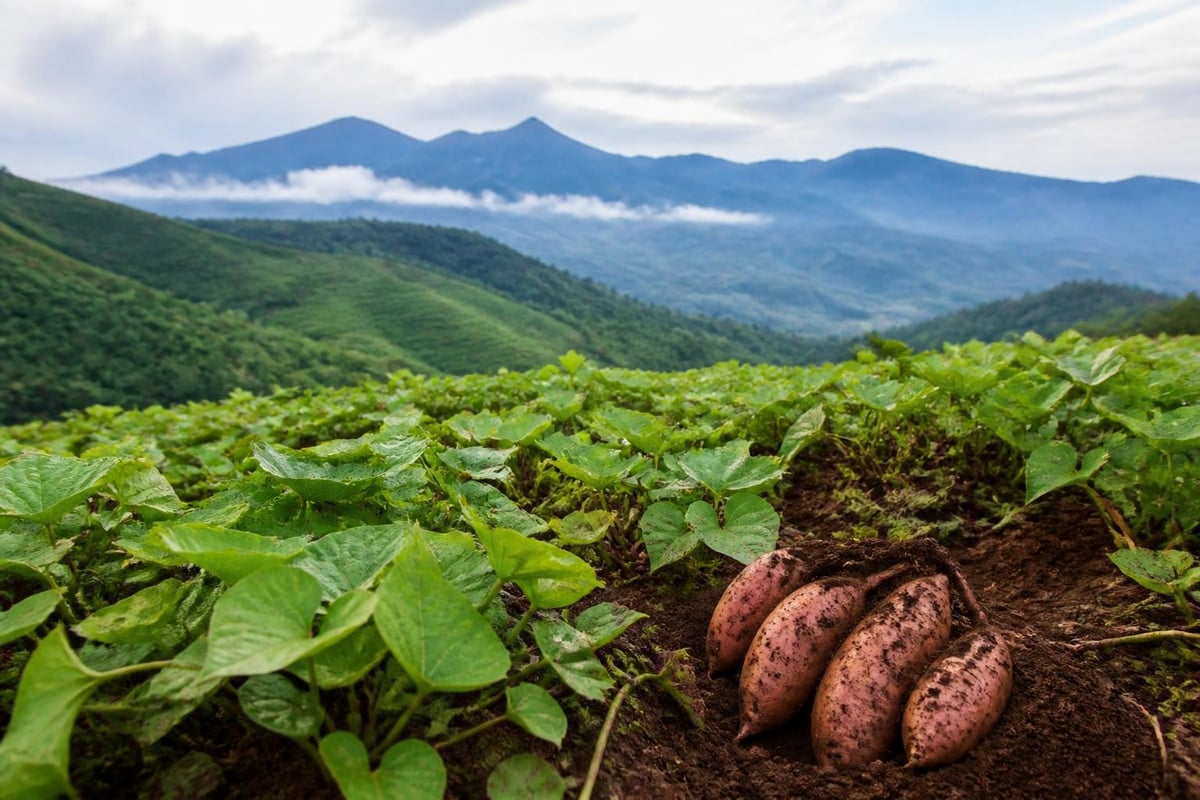
The cilembu sweet potato thrives in the volcanic soils of West Java, where specific environmental conditions contribute to its distinctive properties. The region's elevation, ranging from 700 to 1,200 meters above sea level, combined with consistent rainfall patterns and rich mineral content in the soil, creates an ideal growing environment that cannot be easily replicated elsewhere.
Unique Physical and Taste Profile
What sets this variety apart from conventional sweet potatoes is its remarkable transformation during cooking. When roasted at optimal temperatures, the cilembu sweet potato releases a honey-like syrup that oozes from the flesh, creating a natural sweetness that requires no added sugars or flavorings. This characteristic makes it particularly attractive to health-conscious international markets.
The flesh ranges from pale yellow to deep orange, indicating varying levels of beta-carotene content. Exporters should note that international buyers often have preferences for specific flesh colors based on their target markets and intended uses.
Key physical characteristics include:
- Elongated oval shape with tapered ends
- Smooth skin ranging from cream to light purple
- Flesh that becomes tender and creamy when properly cooked
- Natural sugar content that intensifies during roasting
- Moisture content that creates the signature honey effect
Cultivation Standards for Export Quality
Achieving export-grade quality requires adherence to specific cultivation practices that ensure consistency, food safety, and optimal nutritional profiles. Research on sustainable development strategies emphasizes the importance of balancing ecological preservation with commercial production demands.
Soil Preparation and Planting Methods
Partner farms must begin with proper soil analysis to ensure adequate nutrient levels. The volcanic soils of West Java naturally provide many essential minerals, but supplementation may be necessary to maintain consistent quality across growing seasons.
Optimal planting involves creating raised beds or ridges that promote proper drainage and prevent waterlogging, which can compromise root development and increase disease susceptibility. Spacing between plants should allow for adequate air circulation while maximizing land use efficiency.
| Cultivation Parameter | Specification | Impact on Quality |
|---|---|---|
| Planting Depth | 15-20 cm | Root shape uniformity |
| Row Spacing | 80-100 cm | Air circulation, disease prevention |
| Plant Spacing | 25-30 cm | Tuber size consistency |
| Soil pH | 5.5-6.5 | Nutrient availability |
| Growing Period | 4-5 months | Sugar content development |
Pest and Disease Management
Understanding farming household resilience against pest attacks becomes critical for maintaining export supply chains. International buyers expect pesticide residue levels that comply with their domestic regulations, which often exceed Indonesian standards.
Integrated pest management approaches combining biological controls, cultural practices, and judicious use of approved chemicals help maintain product safety while protecting yields. Documentation of all agricultural inputs is essential for export certification processes.
Quality Standards and Grading for International Markets
International buyers evaluate cilembu sweet potatoes based on multiple criteria that extend beyond basic size and appearance. Exporters must implement rigorous sorting and grading systems that align with destination market requirements.
Size Classification and Uniformity
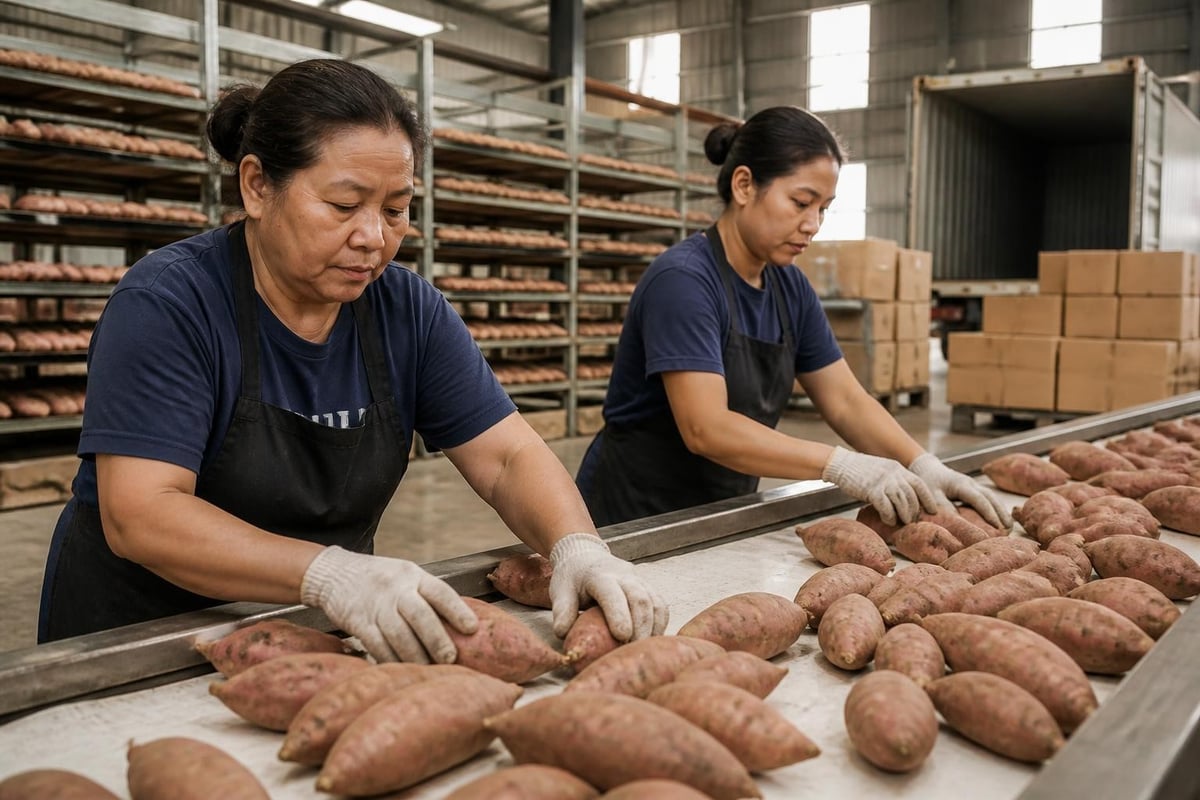
Most international markets prefer medium to large tubers that offer convenience for retail packaging and consumer preparation. Uniformity within shipments reduces handling complexity and improves buyer satisfaction.
Standard size grades include:
- Premium grade: 250-400 grams per tuber
- First grade: 200-250 grams or 400-500 grams
- Second grade: 150-200 grams or 500-600 grams
- Processing grade: Below 150 grams or above 600 grams
Visual Quality Assessment
Surface defects, skin blemishes, and shape irregularities significantly impact marketability in premium segments. Export-quality cilembu sweet potatoes should exhibit minimal scarring, no signs of pest damage, and uniform skin coloration.
Mechanical damage during harvest and post-harvest handling represents a major quality challenge. Proper training for farm workers and investment in appropriate handling equipment reduces losses and maintains export standards.
Post-Harvest Handling and Storage Requirements
The period between harvest and export shipment critically influences final product quality. Cilembu sweet potatoes require specific handling protocols that preserve their unique characteristics while meeting phytosanitary requirements of importing countries.
Curing Process Optimization
Unlike many sweet potato varieties that benefit from extended curing, the cilembu requires careful management to develop its signature honey sweetness without over-softening the flesh. Optimal curing occurs at temperatures between 28-30°C with relative humidity of 85-90% for 5-7 days.
This process allows minor surface wounds to heal, reduces moisture loss, and initiates enzymatic processes that enhance sweetness. However, excessive curing can compromise firmness needed for long-distance shipping.
Temperature-Controlled Storage
Maintaining appropriate storage conditions prevents sprouting, reduces weight loss, and extends shelf life for international transit. The cilembu sweet potato stores optimally at 13-15°C with 85-90% relative humidity.
Lower temperatures risk chilling injury, which manifests as internal discoloration and off-flavors. Higher temperatures accelerate sprouting and weight loss, reducing commercial value and shelf life at retail destinations.
Export Documentation and Certification Requirements
Navigating international trade regulations requires comprehensive documentation that verifies product origin, safety, and quality compliance. Different destination markets impose varying requirements that exporters must understand and fulfill.
Phytosanitary Certificates and Inspections
Most importing countries require phytosanitary certificates issued by Indonesian agricultural authorities, confirming that shipments are free from specified pests and diseases. Marketing strategies for domestic market penetration provide insights that also apply to understanding international buyer expectations.
Pre-shipment inspections verify that products meet destination country standards. Establishing relationships with accredited inspection agencies streamlines this process and reduces shipment delays.
Essential export documents include:
- Commercial invoice with detailed product descriptions
- Packing list with net and gross weights
- Phytosanitary certificate from authorized agencies
- Certificate of origin verifying Indonesian production
- Quality inspection reports from recognized laboratories
- Food safety certifications (GAP, HACCP, or equivalent)
International Quality Standards Compliance
While Indonesia has established standards for sweet potato exports, meeting voluntary international certifications enhances market access and premium pricing opportunities. Global GAP certification demonstrates adherence to good agricultural practices, while organic certifications open specialty market segments.
Traceability systems that track products from specific farms through processing and shipping provide transparency that sophisticated international buyers increasingly demand. Digital platforms and blockchain technologies offer emerging solutions for supply chain visibility.
Market Opportunities and Buyer Preferences
Understanding international market dynamics helps exporters position cilembu sweet potatoes effectively across diverse buyer segments and geographical regions.
Regional Market Characteristics
Asian markets, particularly Singapore, Malaysia, and Hong Kong, show strong demand for premium sweet potato varieties among expatriate Indonesian communities and health-conscious consumers. These markets value the authentic cilembu variety and often pay premium prices for verified origin products.
Middle Eastern markets present growing opportunities, where sweet potatoes are gaining popularity as nutritious alternatives to traditional staples. The natural sweetness of cilembu aligns well with regional taste preferences.
| Market Region | Preferred Size | Key Quality Factors | Price Sensitivity |
|---|---|---|---|
| Southeast Asia | 250-400g | Authenticity, honey sweetness | Medium |
| Middle East | 300-500g | Size uniformity, shelf life | High |
| East Asia | 200-350g | Appearance, packaging | Low |
| Europe | 250-400g | Organic certification, traceability | Low |
Buyer Segment Analysis
Importers and distributors prioritize consistent supply, reliable quality, and competitive pricing. They seek partners who can provide year-round availability or clearly communicate seasonal production cycles.
Retail chains demand standardized packaging, clear labeling in destination languages, and products that meet shelf life requirements for their distribution networks. The unique story of cilembu origin provides marketing advantages that retailers can leverage.
Building Sustainable Export Partnerships
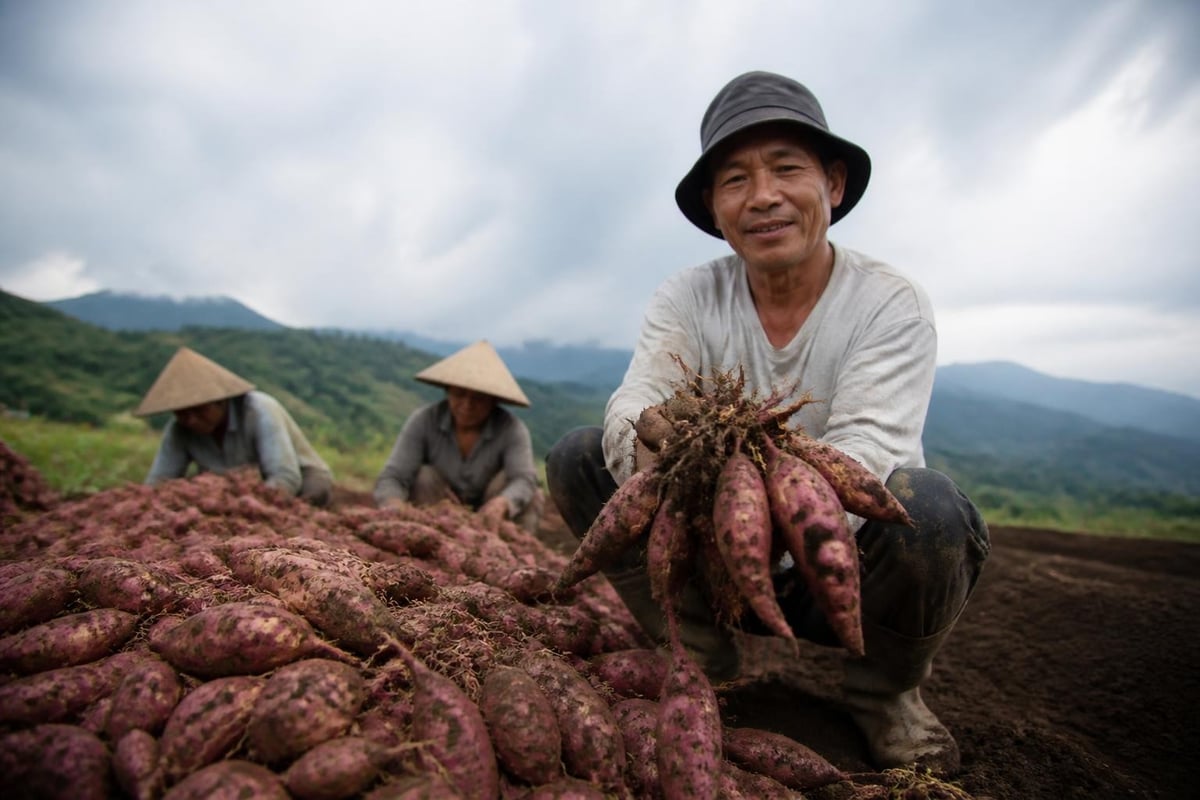
Long-term success in international sweet potato trade depends on relationships built on transparency, reliability, and mutual benefit. Exporters who invest in partnership development create competitive advantages that transcend price competition.
Quality Assurance Systems
Implementing documented quality management systems demonstrates professionalism and commitment to meeting buyer specifications. Regular third-party audits verify compliance and identify improvement opportunities.
Sample shipments allow prospective buyers to evaluate product quality before committing to larger orders. Providing detailed specifications, typical analysis results, and clear photography helps buyers make informed decisions.
Communication and Transparency
International buyers value exporters who proactively communicate about crop conditions, harvest timing, and potential supply challenges. Early notification of issues allows buyers to adjust their planning rather than facing unexpected shortages.
Providing farm visit opportunities for serious buyers builds trust and demonstrates production capabilities. Virtual farm tours using video technology offer cost-effective alternatives when in-person visits are impractical.
Pricing Strategies for Competitive Positioning
Balancing profitability with market competitiveness requires understanding cost structures, competitor pricing, and value perceptions among different buyer segments.
Cost Analysis and Margin Management
Transparent cost accounting helps exporters identify minimum viable pricing while maintaining quality standards. Major cost components include farm-gate prices, post-harvest processing, packaging materials, transportation, inspection fees, and export documentation.
Volume commitments often justify preferential pricing, but exporters must ensure such arrangements maintain profitability across the full production cycle. For more insights on sustainable export practices, visit the PT Cakra Baja Niaga blog.
Value-Added Opportunities
Premium packaging that tells the cilembu origin story justifies higher pricing in markets that value authenticity and unique food experiences. Organic certification, when genuine and properly documented, opens specialty channels with less price sensitivity.
Pre-sorted uniform sizing reduces buyer labor costs and creates value that supports premium pricing. Some exporters successfully position cilembu as a gourmet ingredient rather than a commodity product.
Logistics and Shipping Considerations
Efficient logistics management protects product quality during international transit while controlling costs that impact overall competitiveness.
Packaging for Export Transit
Export packaging must balance protection during handling and transit with cost efficiency and environmental considerations. Ventilated cartons prevent moisture accumulation while providing structural strength for stacking in containers.
Individual wrapping of premium-grade tubers in tissue paper or similar materials prevents surface damage during shipping. Net weights typically range from 10-20 kilograms per carton, matching retail distribution requirements at destination markets.
Packaging specifications typically include:
- Food-grade corrugated cartons with ventilation holes
- Internal separators preventing tuber contact
- Clear labeling with product details and handling instructions
- Proper weight distribution for manual handling
- Moisture-resistant materials protecting against condensation
Container Selection and Climate Control
Refrigerated containers maintain optimal temperature ranges during ocean transit, preserving quality for markets requiring extended shelf life upon arrival. Standard containers with adequate ventilation serve shorter routes or markets with immediate distribution capabilities.
Proper container loading maximizes space utilization while ensuring air circulation around cartons. Strategic placement of temperature monitoring devices helps verify climate control throughout transit.
Risk Management in Export Operations
Successful exporters anticipate and mitigate risks that could disrupt supply chains, damage customer relationships, or create financial losses.
Agricultural Production Risks
Weather variability, pest outbreaks, and disease pressures can impact harvest volumes and quality. Diversifying across multiple partner farms in different micro-climates reduces concentration risk and improves supply reliability.
Crop insurance products, where available, provide financial protection against catastrophic losses. Building inventory buffers during peak production seasons helps manage supply during lower-yield periods.
Market and Financial Risks
Currency fluctuations between Indonesian rupiah and buyer currencies create pricing uncertainty. Forward contracts or natural hedging through matching currency revenues and expenses help manage this exposure.
Payment terms balancing buyer preferences with exporter cash flow needs require careful negotiation. Letters of credit provide security for new buyer relationships, while established partners may justify more flexible terms.
The global demand for premium sweet potatoes continues growing, creating substantial opportunities for exporters who can deliver consistent quality and reliable supply. The distinctive characteristics of West Java's volcanic soils and traditional cultivation knowledge position Indonesian exporters advantageously in international markets. PT Cakra Baja Niaga partners directly with established farms throughout West Java to source export-quality cilembu sweet potatoes that meet rigorous international standards, providing importers, distributors, and retailers with transparent partnerships and dependable supply chains for their markets worldwide.
Looking to source premium Indonesian sweet potatoes?
PT Cakra Baja Niaga supplies export-grade Cilembu, Purple, and Murasaki varieties to buyers worldwide.
Continue reading
Sweet Potatoes Import Singapore Market Report
Explore Singapore’s sweet potato imports, leading suppliers, SFA requirements, pricing factors, and sourcing opportunities for Indonesian exporters.
Read article
Wholesale Sweet Potatoes Indonesia: B2B Export Guide 2026
Source premium wholesale sweet potatoes Indonesia for import. Quality standards, export logistics, varieties, pricing & supplier partnerships.
Read article
Sweet Potatoes Supplier Indonesia: Quality & Export Guide
Find reliable sweet potatoes supplier Indonesia offering premium export quality. Learn about sourcing, grading, logistics, and partnerships.
Read article