
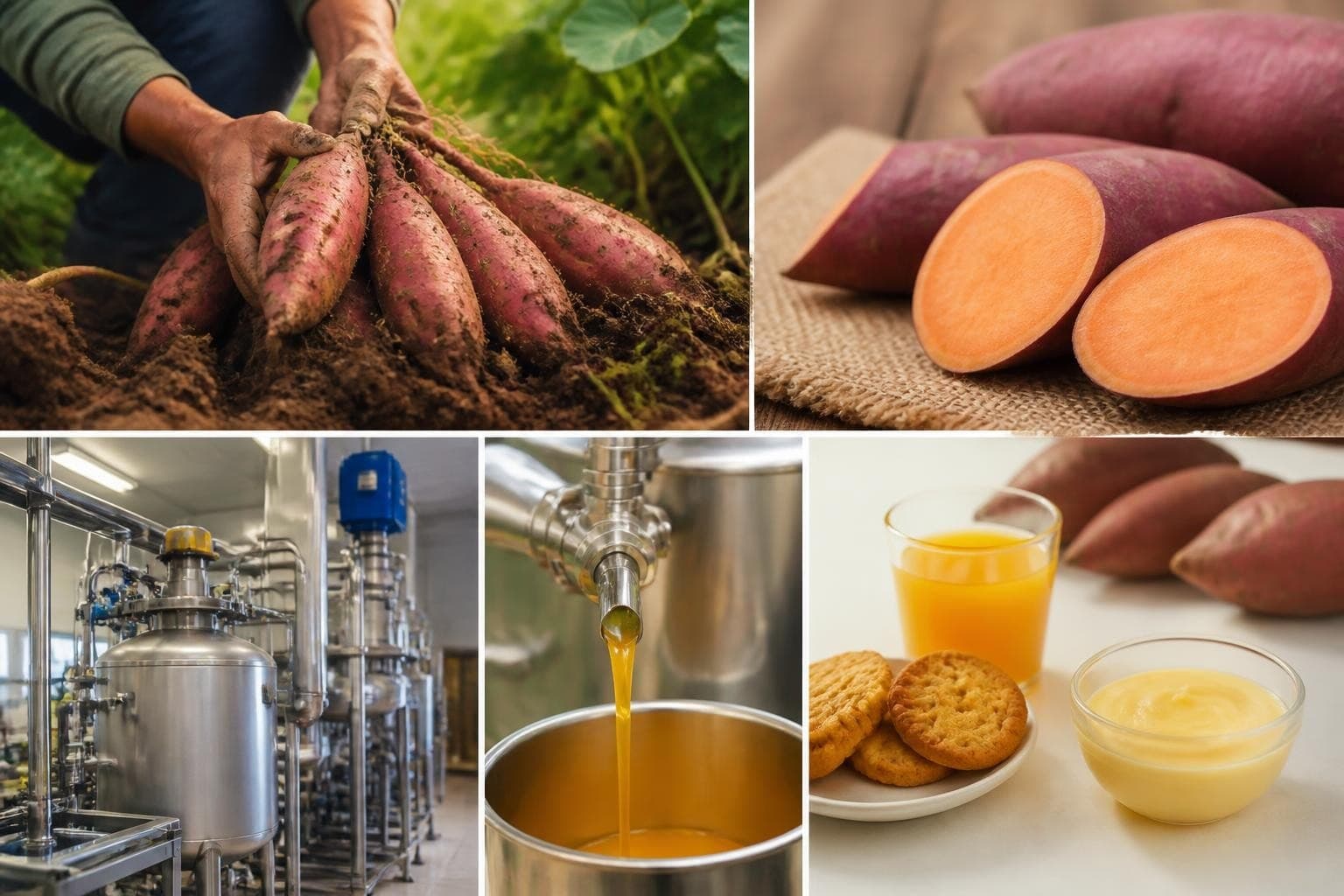
Explore sweet potato flavoring applications, extraction methods, and market trends. Essential insights for exporters and food manufacturers.
The global food industry continues to embrace natural flavoring solutions, and sweet potato flavoring has emerged as a versatile ingredient that bridges health consciousness with authentic taste. As consumer demand shifts toward clean-label products and plant-based alternatives, understanding the science, applications, and market dynamics of sweet potato flavoring becomes essential for exporters, processors, and distributors who supply raw materials to the flavoring industry. Indonesian sweet potatoes, particularly those cultivated in West Java's volcanic soils, offer unique flavor profiles that position them competitively in international markets where quality and consistency determine success.
Understanding Sweet Potato Flavor Chemistry
Sweet potato flavoring derives from a complex matrix of volatile and non-volatile compounds that develop through cultivation, storage, and processing. The flavor profile encompasses sweet, earthy, nutty, and sometimes floral notes, with significant variation depending on variety, growing conditions, and post-harvest handling.
Primary Flavor Compounds and Their Origins
Research into sweet potato flavor compounds reveals that maltol, vanillin, and various terpenes contribute to the characteristic taste and aroma. These compounds develop through enzymatic reactions during cooking and processing, with Maillard reactions playing a crucial role in creating depth and complexity.
Key flavor components include:
- Sugars: Sucrose, glucose, and fructose provide natural sweetness
- Carotenoids: Beta-carotene contributes subtle flavor notes and vibrant color
- Volatile compounds: Aldehydes, ketones, and alcohols create aroma complexity
- Phenolic compounds: Contribute to astringency and overall flavor balance
The concentration of these compounds varies significantly between orange-fleshed, purple-fleshed, and white-fleshed varieties. Orange-fleshed sweet potatoes typically exhibit stronger sweet and caramel notes, while purple varieties offer more subtle, earthy undertones with berry-like nuances.

Environmental Impact on Flavor Development
Growing conditions directly influence flavor compound development. Soil composition, temperature fluctuations, water availability, and harvest timing all affect the final taste profile. West Java's mineral-rich volcanic soils contribute trace elements that enhance flavor complexity, creating terroir-specific characteristics valued by premium flavoring manufacturers.
Temperature stress during cultivation can increase sugar accumulation, while controlled curing after harvest enhances sweetness and reduces astringency. These agricultural factors make sourcing location and farming practices critical considerations for buyers seeking consistent sweet potato flavoring characteristics.
Extraction and Processing Methods
Sweet potato flavoring production employs various extraction and concentration techniques, each yielding different flavor intensities and applications. Understanding these methods helps exporters position their raw materials for specific market segments.
Traditional Extraction Approaches
Steam distillation captures volatile aromatic compounds, producing concentrated flavor oils suitable for beverages and confections. This method preserves delicate top notes but may miss heavier flavor molecules that contribute to complexity.
Solvent extraction uses food-grade ethanol or other approved solvents to capture both volatile and non-volatile flavor components. Studies examining sweet potato brandy production demonstrate how different processing approaches affect final flavor profiles, with implications for commercial flavoring applications.
Enzyme-assisted extraction breaks down cell walls to release bound flavor compounds, increasing yield and intensity. This biotechnological approach aligns with clean-label trends since it relies on natural enzymes rather than harsh chemicals.
| Extraction Method | Flavor Profile | Best Applications | Processing Time |
|---|---|---|---|
| Steam Distillation | Light, aromatic, sweet | Beverages, fragrances | 2-4 hours |
| Solvent Extraction | Full-bodied, complex | Baking, confections | 6-12 hours |
| Enzyme-Assisted | Deep, concentrated | Dairy, savory foods | 8-24 hours |
| Spray Drying | Mild, stable | Dry mixes, supplements | 1-2 hours |
Modern Processing Innovations
Advanced techniques including supercritical CO2 extraction and membrane filtration offer superior quality control and environmental benefits. These methods produce clean flavors without residual solvents, meeting stringent international food safety standards.
Spray drying and encapsulation technologies convert liquid sweet potato extracts into stable powders with extended shelf life. These formats simplify storage, transportation, and formulation for manufacturers creating everything from protein powders to instant dessert mixes.
Commercial Applications Across Industries
Sweet potato flavoring has expanded beyond traditional culinary uses into diverse product categories, creating opportunities for raw material suppliers who understand market demands.
Food and Beverage Manufacturing
Bakery products represent the largest application segment, with sweet potato flavoring enhancing bread, cakes, cookies, and pastries. The natural sweetness allows formulators to reduce added sugars while maintaining consumer appeal, addressing health-conscious purchasing behaviors.
Dairy alternatives including plant-based ice creams, yogurts, and creamers utilize sweet potato flavoring to create indulgent taste experiences without dairy. The natural creaminess of sweet potato complements these applications particularly well.
Beverage formulations range from coffee creamers to seasonal lattes, smoothie bases, and functional drinks. Sweet potato flavoring pairs exceptionally with cinnamon, nutmeg, maple, and vanilla, creating familiar comfort flavor profiles.
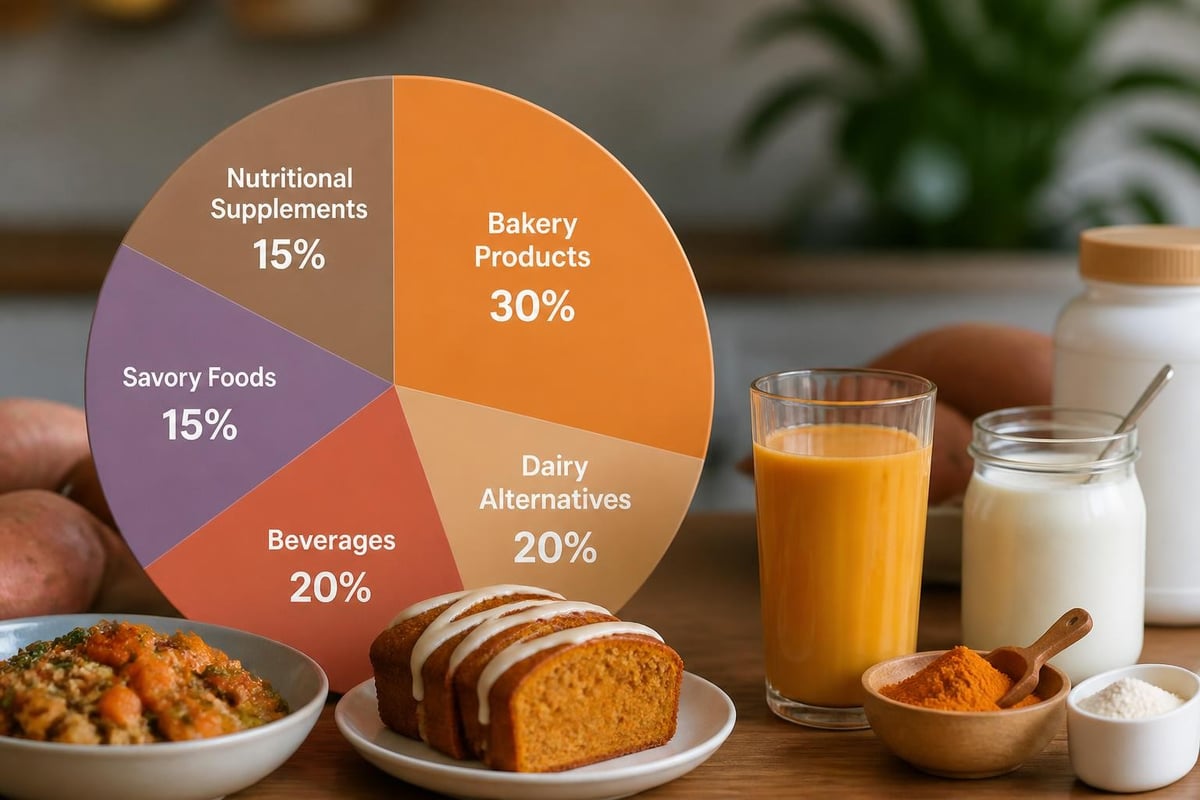
- Savory Applications: Soups, sauces, snack seasonings, and ready meals incorporate sweet potato flavoring for depth
- Nutritional Products: Baby foods, meal replacements, and sports nutrition leverage natural nutrition associations
- Confectionery: Candies, chocolates, and specialty desserts feature seasonal and year-round formulations
- Frozen Foods: Ice creams, frozen desserts, and prepared meals use sweet potato extracts for convenience
Emerging Market Segments
The pet food industry has discovered sweet potato flavoring as a palatability enhancer that also communicates wholesome nutrition to pet owners. Premium pet treat manufacturers particularly value natural, recognizable ingredients.
Cosmetic and personal care applications represent a frontier market where sweet potato extract provides both fragrance and functional benefits. Anti-aging creams and nourishing hair products incorporate sweet potato compounds for their antioxidant properties alongside appealing scent profiles.
Quality Standards and Buyer Requirements
International buyers of sweet potato flavoring and raw materials maintain strict quality specifications that influence sourcing decisions and supplier relationships.
Critical Quality Parameters
Flavor consistency ranks as the primary concern for manufacturers who require batch-to-batch uniformity. This necessitates standardized cultivation practices, harvest protocols, and post-harvest handling among supplier farms.
Microbiological safety standards vary by destination market but universally require low pathogen counts and absence of harmful bacteria. Proper curing, storage, and transportation prevent contamination and preserve quality.
Chemical residue limits for pesticides, heavy metals, and processing aids must comply with importing country regulations. European Union standards typically impose the strictest requirements, followed by North America and Asia-Pacific markets.
| Quality Metric | Standard Range | Testing Method | Frequency |
|---|---|---|---|
| Brix (Sweetness) | 18-24° | Refractometer | Per batch |
| Moisture Content | 65-75% | Oven drying | Per batch |
| Beta-carotene | 8-12 mg/100g | HPLC | Monthly |
| Total Plate Count | <10,000 CFU/g | Microbiological | Per shipment |
Certification and Documentation
Buyers increasingly require third-party certifications including GlobalGAP, organic certifications, and Hazard Analysis Critical Control Points (HACCP) compliance. These credentials demonstrate systematic quality management and provide liability protection.
Traceability documentation that tracks sweet potatoes from specific farms through processing facilities to final shipment builds trust and facilitates rapid response to any quality concerns. Blockchain-based tracking systems are emerging as solutions for transparent supply chain management.
Market Trends Shaping Demand
Several converging trends are accelerating sweet potato flavoring adoption across food manufacturing sectors, creating opportunities for strategic suppliers.
Clean Label and Natural Ingredients
Consumer scrutiny of ingredient lists drives manufacturers toward natural flavoring solutions. Sweet potato flavoring derived from actual sweet potatoes without artificial additives aligns perfectly with clean-label positioning. Historical research on developing alternative sweet potato flavor types highlighted early recognition of consumer preferences that continue intensifying today.
Plant-Based Product Innovation
The plant-based food revolution extends beyond meat alternatives into every category. Sweet potato's natural nutritional profile and versatility make it an ideal base for developing new products that appeal to flexitarians and dedicated plant-based consumers alike.
Functional Food Development
Sweet potatoes' inherent nutritional benefits (vitamins, minerals, fiber, antioxidants) enhance the health positioning of products containing sweet potato flavoring. Manufacturers can make implicit health claims simply by featuring sweet potato prominently on labels.
Consumer purchasing drivers include:
- Desire for recognizable, whole-food ingredients
- Interest in superfood-derived products
- Preference for sustainable, plant-forward choices
- Demand for allergen-free flavoring options
- Trust in traditional foods with modern applications
Technology-Enabled Flavor Development
Artificial intelligence and machine learning are revolutionizing flavor development, with platforms like TastePepAI demonstrating how computational approaches can design novel taste peptides. While focused on protein-based flavors, these technologies signal broader opportunities for optimizing sweet potato flavoring through data-driven variety selection and processing innovation.
Similarly, reinforcement learning frameworks for discovering natural flavor molecules point toward future applications where sweet potato breeding programs could specifically target optimal flavor compound profiles for commercial extraction.
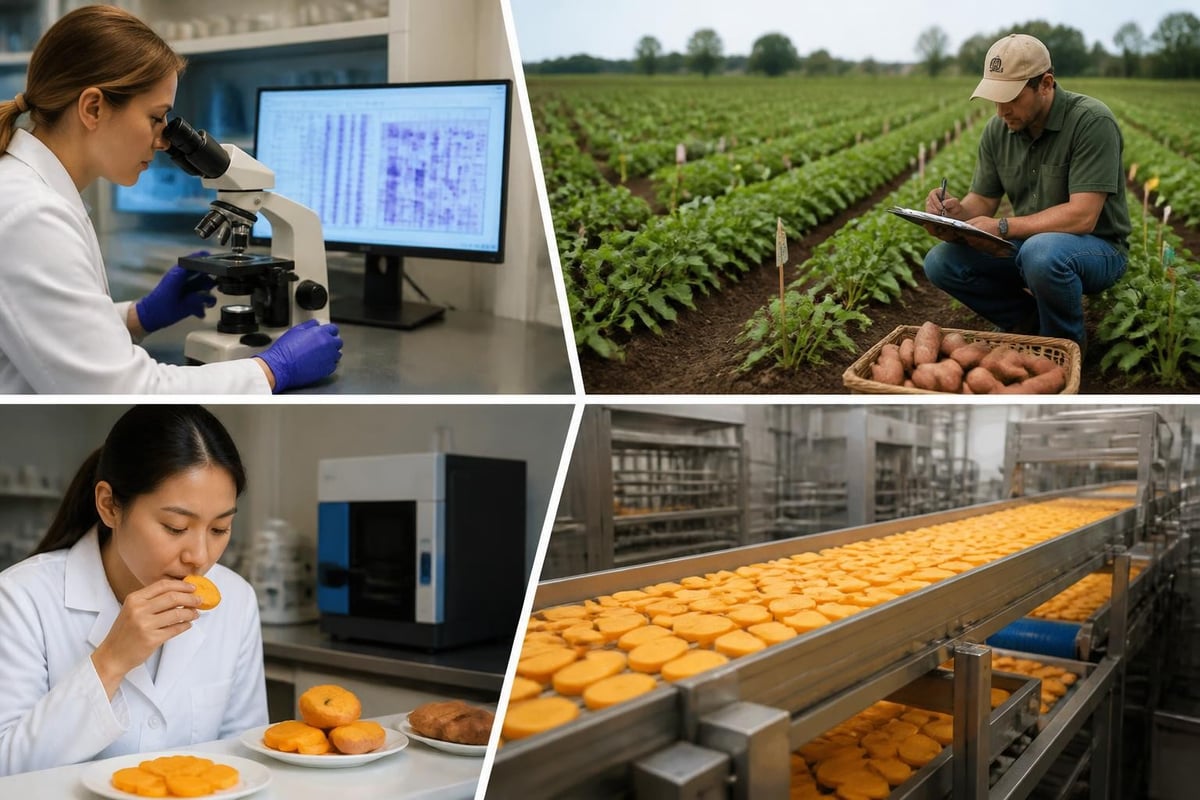
Strategic Considerations for Exporters
Suppliers of sweet potatoes destined for flavoring applications face distinct challenges and opportunities compared to fresh market or processing-grade produce.
Variety Selection and Cultivation Planning
Different sweet potato varieties offer distinct flavor profiles suited to specific applications. Exporters working with PT Cakra Baja Niaga benefit from direct farm partnerships that enable cultivation planning aligned with buyer specifications. Orange-fleshed varieties like Beauregard and Covington excel in applications requiring strong sweet notes, while Okinawan purple varieties serve specialty markets seeking unique flavor signatures.
Cultivation practices must balance yield, disease resistance, and flavor compound optimization. Excessive nitrogen fertilization may boost yields but can dilute flavor intensity, requiring careful nutrient management.
Post-Harvest Handling for Flavor Preservation
Proper curing immediately after harvest triggers enzymatic processes that enhance sweetness and reduce astringency. Optimal curing occurs at 29-32°C with 85-90% humidity for 5-7 days, converting starches to sugars and developing characteristic flavor.
Storage conditions critically affect flavor stability. Sweet potatoes intended for flavoring applications require 13-16°C storage to maintain quality without triggering sprouting or excessive sugar conversion that could create off-flavors.
Value-Added Processing Opportunities
Forward-thinking exporters consider vertical integration into preliminary processing such as washing, sorting, cutting, blanching, or even initial extraction. These value-added services command premium pricing and strengthen customer relationships through customization.
Partnership with flavoring specialists or investment in processing capabilities positions suppliers to capture more value chain margin while controlling quality from field to finished ingredient.
Regulatory Landscape and Compliance
International trade in sweet potato flavoring and raw materials requires navigating complex regulatory frameworks that vary significantly across markets.
Food Safety Regulations
The United States Food and Drug Administration classifies sweet potato extracts under Generally Recognized As Safe (GRAS) provisions, simplifying their use in food applications. However, specific extraction methods and processing aids require individual evaluation.
European Union regulations under the Flavoring Regulation (EC) No 1334/2008 establish strict purity criteria and labeling requirements. Natural flavor designation requires the flavoring substance to derive exclusively from vegetable sources without chemical modification beyond traditional food preparation processes.
Import Requirements and Documentation
Most importing countries require phytosanitary certificates confirming pest-free status and compliance with agricultural regulations. Heat treatment or fumigation may be mandatory for certain destinations, potentially affecting flavor quality.
Essential export documentation includes:
- Commercial invoice with accurate product descriptions
- Phytosanitary certificate from exporting country authorities
- Certificate of origin establishing preferential trade treatment
- Quality analysis report from accredited laboratory
- Food safety certification (HACCP, ISO 22000)
Intellectual Property Considerations
As flavor development becomes more sophisticated, proprietary extraction methods, unique variety combinations, and specific processing protocols may warrant trade secret protection or patent applications. Suppliers should document innovations and consider legal protections when developing competitive advantages.
Future Outlook and Innovation Opportunities
The sweet potato flavoring market continues evolving as technology, consumer preferences, and agricultural practices converge in new ways.
Genomic Research Applications
Advanced genomic tools like those described in the AI-powered knowledge hub for potato functional genomics offer potential for accelerating sweet potato breeding programs targeting specific flavor compounds. While focused on potatoes, similar approaches could revolutionize sweet potato variety development for flavoring applications.
Marker-assisted selection enables breeders to identify seedlings with desired flavor genetics early in development, reducing breeding cycle time from decades to years. This precision breeding aligns production with evolving market demands.
Sustainability and Carbon Footprint
Environmental concerns are reshaping supply chain decisions. Sweet potatoes' relatively low water requirements, nitrogen-fixing companion planting opportunities, and high nutritional yield per hectare position them favorably in sustainability comparisons.
Exporters who document and communicate environmental stewardship practices (water conservation, integrated pest management, soil health initiatives) gain competitive advantage with environmentally conscious buyers.
Flavor Customization and Co-Creation
Collaborative product development between raw material suppliers and flavor manufacturers creates tailored solutions for specific applications. This partnership approach requires technical expertise, flexibility, and investment in customer relationships but generates premium pricing and long-term contracts.
| Innovation Area | Timeline | Investment Level | Market Impact |
|---|---|---|---|
| Genomic breeding | 5-10 years | High | Transformative |
| Processing automation | 2-3 years | Medium | Significant |
| Encapsulation technology | 1-2 years | Low-Medium | Moderate |
| Blockchain traceability | 1-2 years | Low | Growing |
The intersection of agricultural excellence, processing innovation, and market understanding determines success in sweet potato flavoring supply. Indonesian producers, particularly those partnering with established exporters who maintain quality standards and international relationships, are well-positioned to capture growing global demand.
Sweet potato flavoring represents a dynamic market where quality, consistency, and strategic positioning determine competitive success. Understanding the chemistry, processing methods, applications, and market trends enables exporters to serve manufacturers seeking natural, clean-label ingredients. PT Cakra Baja Niaga connects international buyers with premium West Java sweet potatoes through transparent partnerships, consistent quality control, and reliable supply chains designed for the demanding specifications of flavoring applications. Contact our team to discuss how our farm-direct sourcing and export expertise can support your sweet potato flavoring requirements.
Looking to source premium Indonesian sweet potatoes?
PT Cakra Baja Niaga supplies export-grade Cilembu, Purple, and Murasaki varieties to buyers worldwide.
Continue reading

Sweet Potatoes Import Singapore Market Report
Explore Singapore’s sweet potato imports, leading suppliers, SFA requirements, pricing factors, and sourcing opportunities for Indonesian exporters.
Read article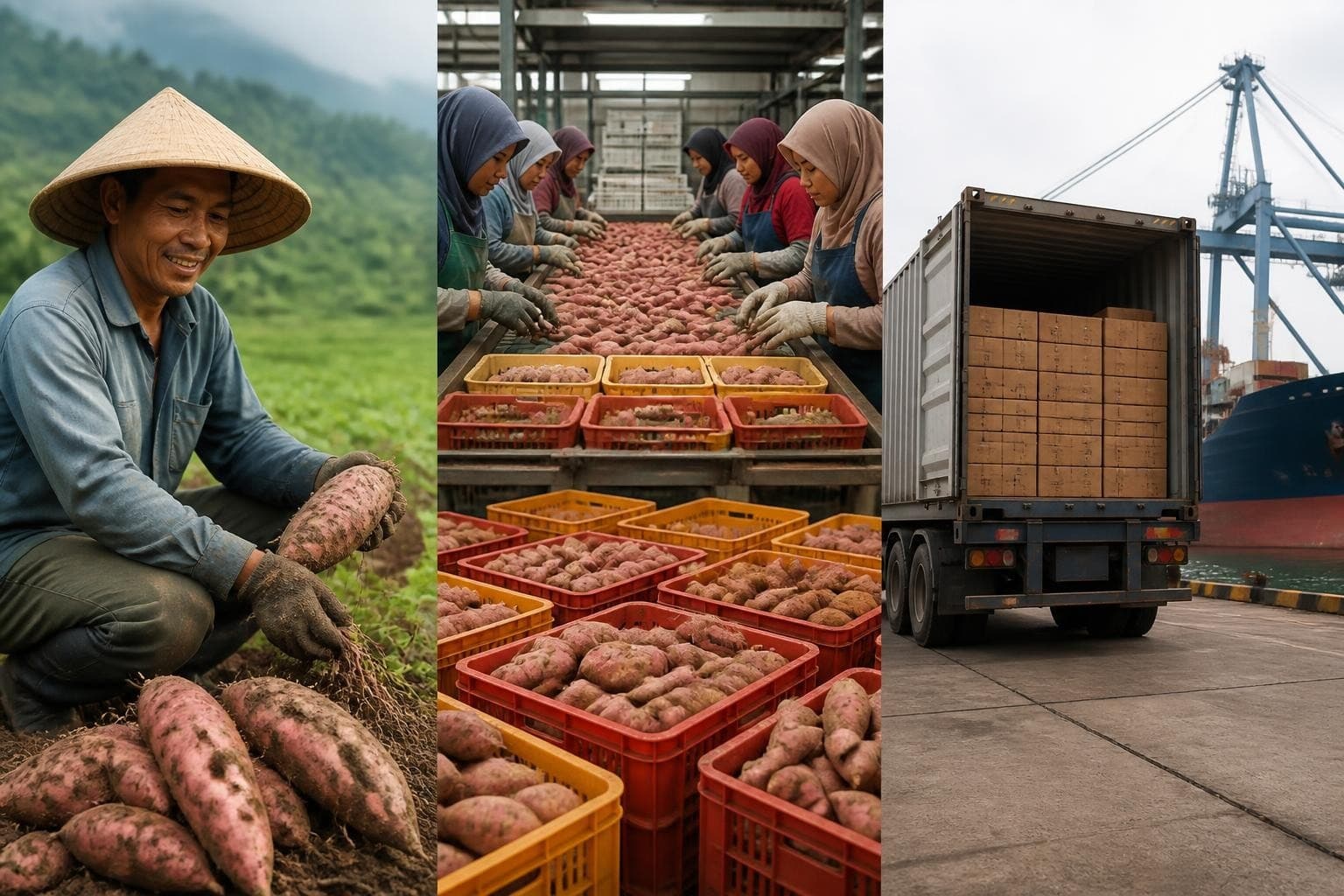
Wholesale Sweet Potatoes Indonesia: B2B Export Guide 2026
Source premium wholesale sweet potatoes Indonesia for import. Quality standards, export logistics, varieties, pricing & supplier partnerships.
Read article
Sweet Potatoes Supplier Indonesia: Quality & Export Guide
Find reliable sweet potatoes supplier Indonesia offering premium export quality. Learn about sourcing, grading, logistics, and partnerships.
Read article