
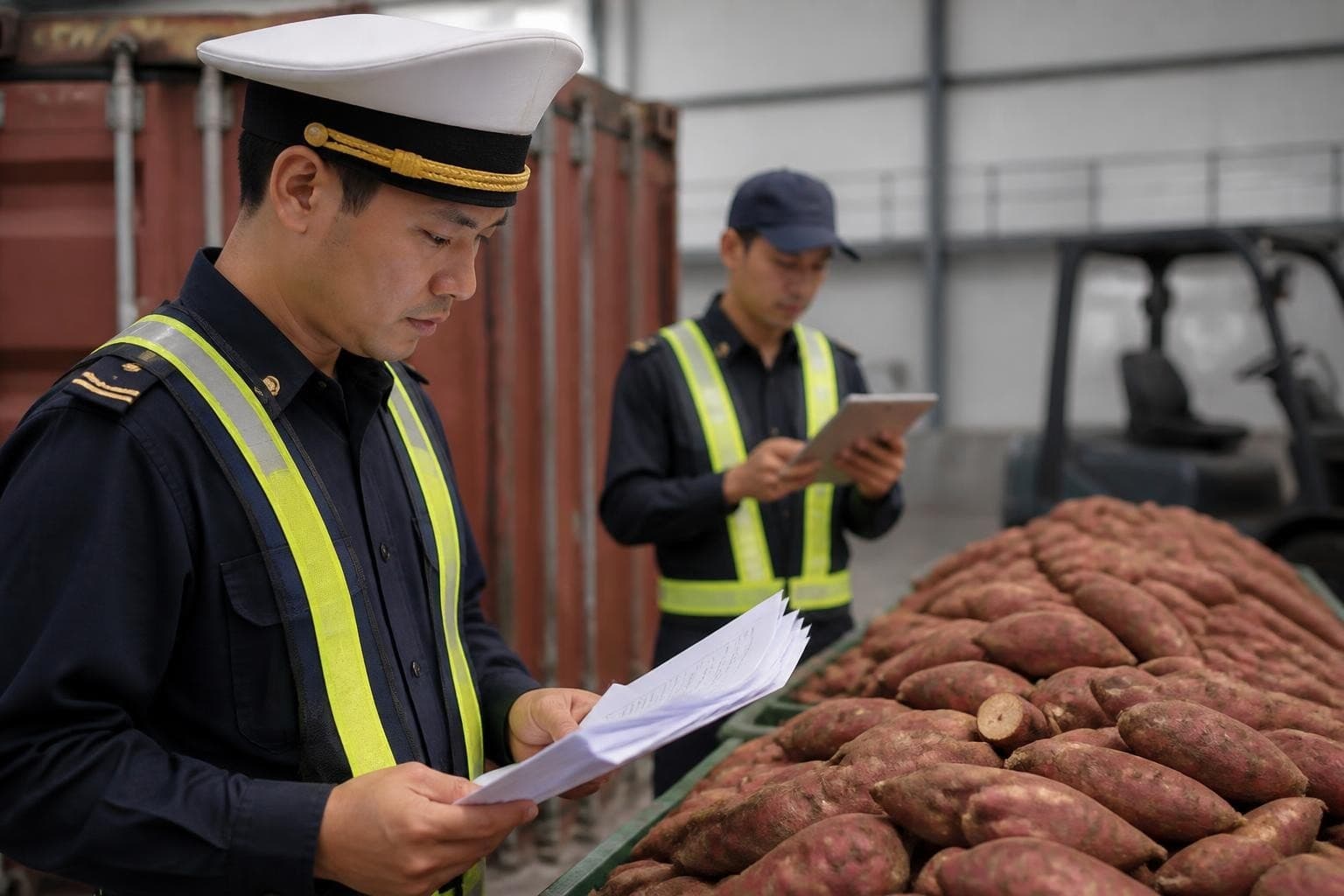
Sweet Potatoes Import Requirements: Complete Guide 2026
Comprehensive guide to sweet potatoes import requirements for international buyers. Covers permits, phytosanitary standards, and compliance.
Understanding sweet potatoes import requirements is essential for international buyers, distributors, and retailers seeking to establish reliable supply chains. The regulatory landscape governing sweet potato imports varies significantly across markets, with each country enforcing specific phytosanitary standards, quality specifications, and documentation protocols. For businesses importing from Indonesia, navigating these requirements efficiently ensures smooth customs clearance, minimizes shipment delays, and protects both product integrity and market access.
Fundamental Import Documentation Requirements
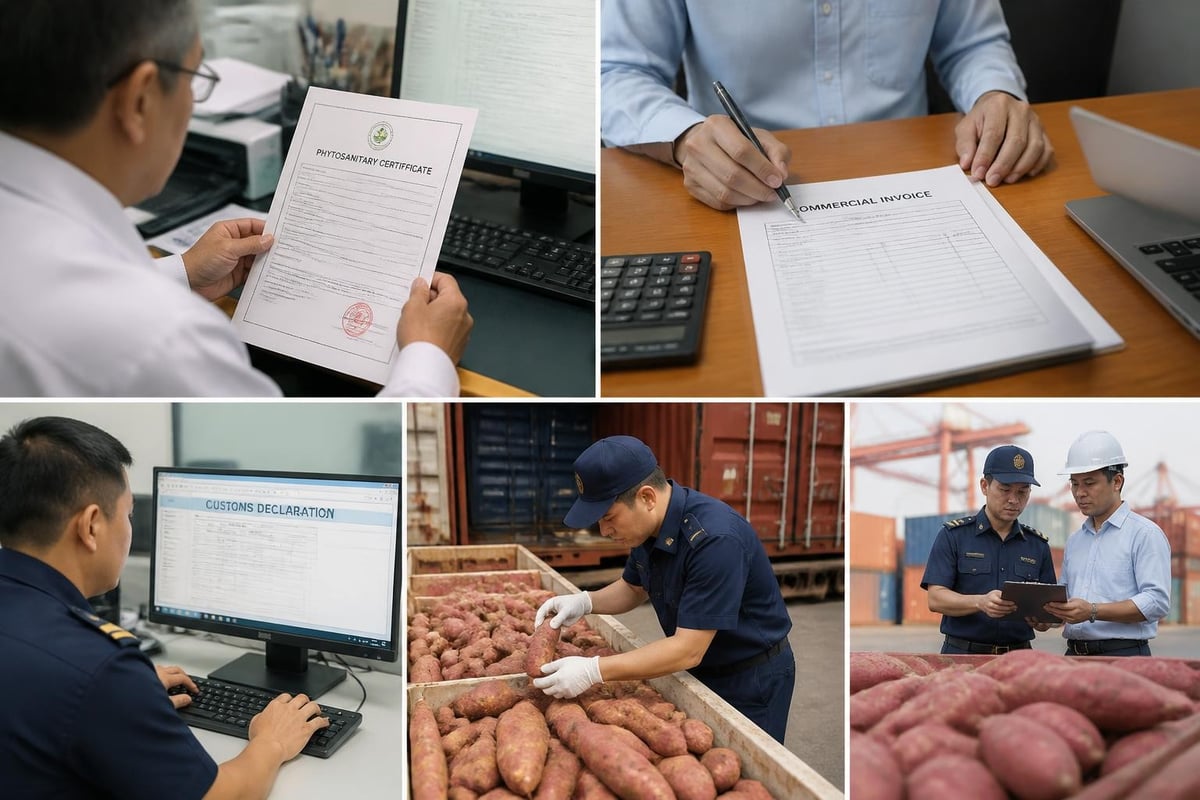
Every shipment of sweet potatoes entering international markets requires a comprehensive documentation package that satisfies both exporting and importing country regulations. The foundation of this package includes commercial invoices detailing product specifications, quantities, and declared values. Phytosanitary certificates issued by the exporting country's plant protection authority confirm that products meet importing country standards and are free from quarantine pests and diseases.
Essential documents for sweet potato imports include:
- Commercial invoice with detailed product description
- Phytosanitary certificate from the exporting country
- Bill of lading or airway bill
- Packing list with container and carton details
- Certificate of origin establishing product source
- Import permit (when required by destination country)
- Laboratory test results for pesticide residues
Additional documentation may be required depending on destination market regulations, including certificates of fumigation, cold treatment verification, or organic certification for premium markets. Importers should verify specific requirements with their country's plant protection authority well before shipment arrangements begin.
Phytosanitary Certification Standards
Phytosanitary certificates represent the cornerstone of sweet potatoes import requirements worldwide. These official documents confirm that exported sweet potatoes have been inspected according to importing country protocols and found free from regulated pests. Indonesia's agricultural quarantine agency issues these certificates following thorough inspection of premium Indonesian sweet potatoes at registered packing facilities.
The inspection process examines both external and internal quality characteristics, searching for signs of pest infestation, disease symptoms, or soil contamination. Exporters must maintain detailed traceability records linking each shipment to specific production areas, harvest dates, and post-harvest handling procedures. This traceability becomes critical when importing countries conduct their own border inspections and require verification of product origin.
United States Import Requirements
The United States maintains stringent sweet potatoes import requirements administered by the Animal and Plant Health Inspection Service (APHIS) and U.S. Customs and Border Protection. Sweet potatoes enter the U.S. under commodity-specific regulations that vary based on country of origin. The APHIS plant import procedures outline comprehensive requirements for obtaining necessary permits and ensuring compliance.
| Requirement Category | Specific Standard | Verification Method |
|---|---|---|
| Pest Freedom | Free from sweet potato weevil and other quarantine pests | Phytosanitary inspection |
| Soil Contamination | Completely free of soil and growing media | Visual inspection at border |
| Treatment | Cold treatment or fumigation when specified | Treatment certificate required |
| Import Permit | Required for first-time importers from new origins | Application through APHIS |
New exporters seeking U.S. market access must navigate the commodity approval process, which evaluates pest risk and establishes appropriate mitigation measures. This process can take several months and requires detailed information about production practices, pest management programs, and quality control systems.
U.S. Customs Declaration Protocols
All agricultural products, including sweet potatoes, must be declared upon entry to the United States. The CBP agricultural import regulations emphasize that failure to declare plant products can result in significant penalties, shipment seizure, and future import restrictions. Importers should work with licensed customs brokers experienced in perishable agricultural commodities to ensure proper classification and valuation.
Sweet potatoes typically enter under specific Harmonized Tariff Schedule (HTS) codes that determine applicable duty rates. Preferential trade agreements may reduce or eliminate duties for qualifying products, making origin certification particularly valuable for competitive pricing strategies.
European Union Regulatory Framework
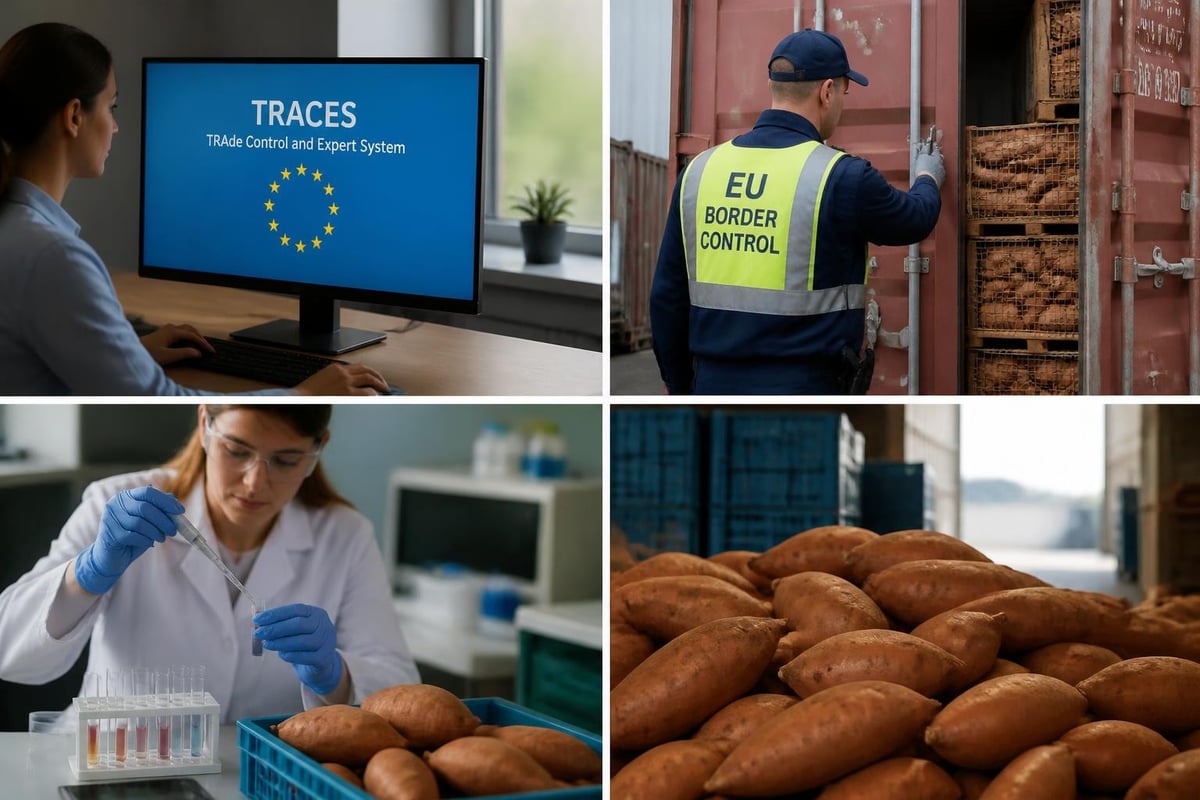
The European Union enforces comprehensive sweet potatoes import requirements through its unified phytosanitary regime. All sweet potato imports must comply with EU plant health regulations, which prohibit entry of products infested with regulated quarantine organisms. Member states conduct documentary checks, identity checks, and physical inspections at designated points of entry.
EU-specific compliance elements include:
- Pre-notification through the TRACES system
- Entry through designated border control posts
- Compliance with maximum residue levels (MRLs) for pesticides
- Traceability documentation meeting EU food law requirements
- Official phytosanitary certificate conforming to ISPM 12 standards
The EU's emphasis on food safety extends beyond phytosanitary concerns to encompass pesticide residue monitoring, heavy metal testing, and microbiological safety. Exporters should implement robust quality management systems that document all inputs used during production and maintain comprehensive testing records. Understanding sweet potato harvest timing and post-harvest handling practices helps ensure compliance with EU quality expectations.
Asian Market Import Standards
Asian markets represent significant opportunities for sweet potato exporters, though requirements vary considerably across countries. Japan maintains particularly rigorous standards, requiring detailed pest risk assessments and often mandating specific treatments or production area inspections. Chinese regulations emphasize registration of foreign production facilities and implementation of Good Agricultural Practices (GAP) programs.
Japanese Import Protocols
Japan's plant quarantine system requires advance approval of exporting countries and specific production areas. Sweet potatoes must originate from fields inspected and certified as free from sweet potato weevil and other regulated pests. Shipments undergo intensive inspection at Japanese ports, with sampling rates higher than many other markets.
Korean import requirements similarly emphasize pest freedom but also incorporate quality grading standards that affect market value. Premium Murasaki sweet potatoes command higher prices when meeting strict size uniformity, skin quality, and internal color specifications.
Quality and Grading Specifications
Beyond phytosanitary requirements, most markets enforce quality standards that determine market access and commercial viability. These standards typically address size ranges, shape uniformity, skin quality, internal defects, and allowable tolerances for damage or disease. While not always mandatory for customs clearance, failure to meet buyer quality specifications results in rejected shipments or price penalties.
| Quality Parameter | Premium Grade | Standard Grade | Processing Grade |
|---|---|---|---|
| Diameter | 6-9 cm | 5-10 cm | No minimum |
| Length | 12-18 cm | 10-20 cm | Variable |
| Skin Defects | Maximum 5% surface area | Maximum 15% surface area | No limit |
| Internal Defects | None allowed | Minor defects up to 5% | Allowed |
| Shape | Uniform, regular | Moderately uniform | Irregular accepted |
Understanding target market preferences enables exporters to implement appropriate field selection and post-harvest sorting protocols. Export packaging for sweet potatoes must protect product quality throughout the supply chain while meeting destination market requirements for materials, labeling, and traceability.
Treatment and Quarantine Measures
Many countries require specific treatments to mitigate pest risks associated with sweet potato imports. Cold treatment represents the most common approach, requiring shipments to be maintained at specified temperatures for defined durations during transit. This treatment targets potential pest larvae that cannot survive extended exposure to refrigerated conditions.
Common treatment requirements include:
- Cold treatment at 1.67°C for 14-16 days during ocean freight
- Methyl bromide fumigation at origin (declining due to environmental concerns)
- Hot water treatment for specific pest risks
- Irradiation treatment (approved in limited markets)
Treatment protocols must be precisely documented with continuous temperature monitoring records or fumigation certificates prepared by certified operators. Any deviation from prescribed parameters invalidates the treatment and may result in shipment rejection or mandatory re-treatment at the border.
Border Inspection Procedures
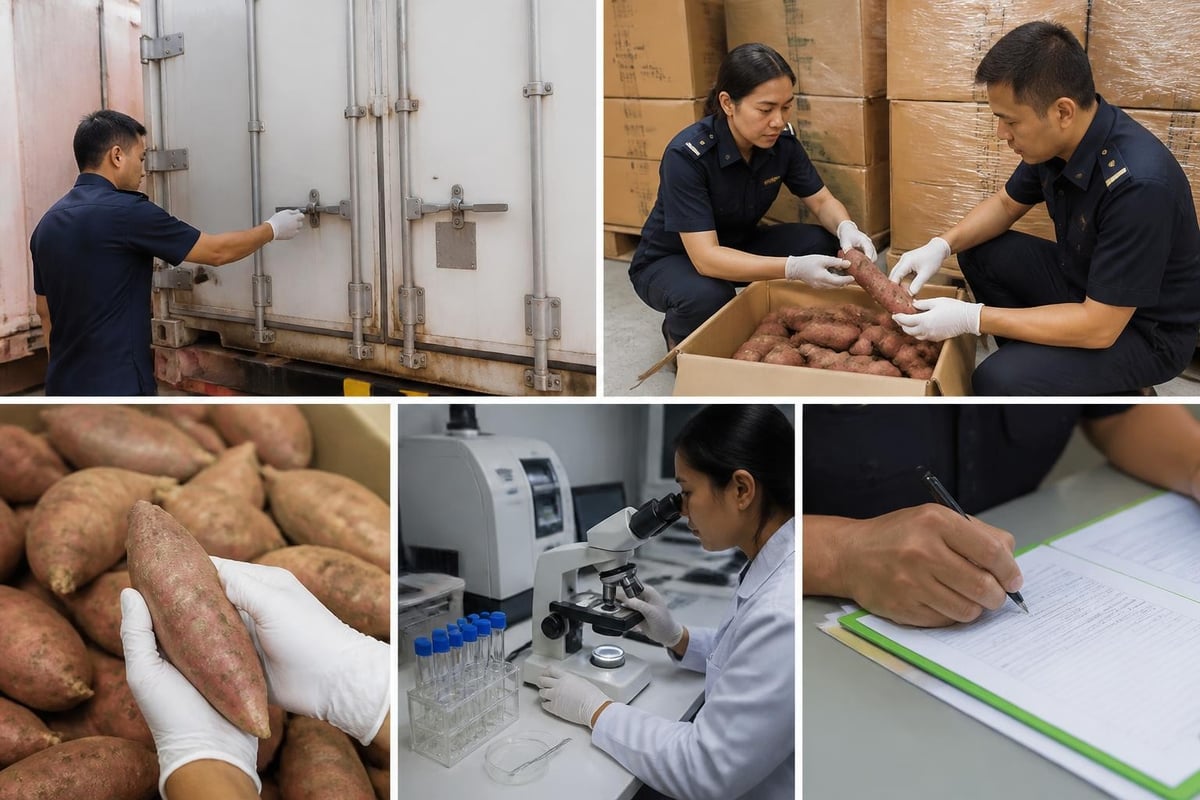
Upon arrival at destination ports, sweet potato shipments typically undergo multi-stage inspection processes. Initial documentary review confirms that certificates and commercial documents are complete, accurate, and properly executed. Physical inspection involves examining representative samples from the shipment for pest presence, product quality, and conformity with declared specifications.
Detection of regulated pests during border inspection triggers immediate quarantine measures. Options include treatment at the border, re-export to origin, or destruction of the entire shipment. These outcomes impose significant financial losses and can jeopardize future import privileges, underscoring the importance of rigorous pre-shipment quality control.
Pesticide Residue Compliance
Maximum residue limits (MRLs) for pesticides represent critical sweet potatoes import requirements that vary significantly across markets. Each country establishes MRLs for approved pesticides based on dietary risk assessments and agricultural practice surveys. Residues exceeding established limits result in shipment detention, rejection, or destruction, along with potential import restrictions on future shipments.
Exporters must implement comprehensive pesticide management programs that document all applications during production. Testing programs should verify compliance with destination market MRLs before shipment, particularly for markets with stringent standards like the European Union and Japan. Some buyers require residue testing certificates as standard documentation for all shipments.
Labeling and Traceability Requirements
Modern food safety regulations increasingly emphasize traceability throughout the supply chain. Import regulations often mandate specific labeling information that enables rapid trace-back to production origin in case of food safety incidents. Labels must include country of origin, production area identification, packing date, and unique lot codes linking products to specific harvest batches.
The level of detail required varies by market, with some countries accepting simple country-of-origin marking while others demand comprehensive traceability to individual farm plots. Implementing robust traceability systems benefits exporters by demonstrating professional quality management and facilitating rapid response to any quality concerns. Companies specializing in sweet potatoes export from Indonesia invest in traceability infrastructure that exceeds minimum regulatory requirements.
Organic and Certification Programs
Organic sweet potato imports require additional certification demonstrating compliance with destination market organic standards. The United States, European Union, and Japan each maintain distinct organic regulations with specific requirements for certification bodies, production practices, and handling procedures. Equivalency agreements between countries can simplify certification requirements, but exporters must verify acceptance of their organic certificates in target markets.
Organic certification requirements typically include:
- Three-year transition period from conventional production
- Certification by accredited organic certifying body
- Detailed production and handling records
- Prohibition of synthetic pesticides and fertilizers
- Segregation from conventional products during storage and transport
- Transaction certificates for each shipment
Premium prices for organic sweet potatoes justify the investment in certification for exporters with appropriate production systems. Markets for specialty varieties like purple sweet potatoes often overlap with organic and health-conscious consumer segments, creating opportunities for differentiated market positioning.
Food Safety and HACCP Requirements
While not universally mandated for fresh sweet potato imports, food safety management systems based on Hazard Analysis and Critical Control Points (HACCP) principles increasingly represent buyer expectations. Large retail chains and food service distributors often require supplier compliance with recognized food safety standards such as GlobalGAP, FSSC 22000, or equivalent certification programs.
These systems identify potential hazards throughout production and post-harvest handling, establish critical control points for hazard prevention, and implement monitoring procedures with corrective actions. Documentation requirements are extensive, covering everything from irrigation water testing to equipment sanitation procedures and employee hygiene training.
Transit and Cold Chain Management
Maintaining product quality during international transport represents a practical extension of sweet potatoes import requirements. Most markets specify acceptable condition upon arrival, even if specific transit protocols are not mandated. Sweet potatoes require careful temperature and humidity management to prevent sprouting, shrinkage, or decay during ocean freight.
Recommended storage conditions maintain temperatures between 13-16°C with 85-90% relative humidity. Lower temperatures risk chilling injury that manifests as internal discoloration and off-flavors, while higher temperatures accelerate respiration and water loss. Container ventilation settings must balance the need for heat removal against excessive moisture loss that causes shrinkage and quality deterioration.
| Transit Duration | Temperature Range | Ventilation Setting | Expected Shelf Life Post-Arrival |
|---|---|---|---|
| 14-21 days | 13-15°C | 25 cubic meters/hour | 2-3 weeks |
| 21-28 days | 14-16°C | 20 cubic meters/hour | 1-2 weeks |
| Over 28 days | 15-16°C | 15 cubic meters/hour | 1 week |
Working with experienced logistics providers familiar with perishable agricultural products ensures proper container configuration, temperature monitoring, and rapid port clearance that preserves product quality.
Import Permit Application Processes
Many countries require importers to obtain advance import permits before sweet potato shipments can be authorized for entry. These permits typically involve application to the national plant protection organization with detailed information about product specifications, intended use, port of entry, and origin country. Processing times range from several days to several months depending on whether the product-origin combination has been previously approved.
First-time imports from new origin countries often trigger comprehensive pest risk assessments that evaluate the likelihood of pest introduction and establishment. These assessments examine pest lists from the exporting country, production and handling practices, and proposed phytosanitary measures. Favorable risk assessments result in permit issuance with specific conditions that must be maintained for continued import privileges.
Working with Compliant Exporters
Selecting exporters with demonstrated expertise in sweet potatoes import requirements dramatically reduces compliance risks and operational challenges. Experienced sweet potatoes manufacturers in Indonesia maintain current knowledge of destination market regulations, implement quality systems that exceed minimum standards, and provide comprehensive documentation support.
Qualified exporters offer pre-shipment inspection services, arrange required treatments, coordinate with certification bodies, and maintain direct relationships with quarantine authorities. This expertise proves particularly valuable when addressing complex requirements or resolving inspection issues that arise during import clearance. Establishing partnerships with reliable suppliers creates supply chain stability and reduces the risk of costly shipment rejections.
Successfully navigating sweet potatoes import requirements demands thorough understanding of destination market regulations, meticulous documentation practices, and partnership with experienced exporters who prioritize compliance and quality. Whether you're an importer, distributor, or retail buyer, working with suppliers who maintain rigorous quality standards and comprehensive traceability systems protects your business interests and ensures consistent product availability. PT Cakra Baja Niaga specializes in export-quality Indonesian sweet potatoes with full documentation support, phytosanitary compliance, and transparent quality assurance for international markets. Contact us today for quotations, product samples, or detailed information about our export capabilities and quality standards.
Looking to source premium Indonesian sweet potatoes?
PT Cakra Baja Niaga supplies export-grade Cilembu, Purple, and Murasaki varieties to buyers worldwide.
Continue reading
Wholesale Sweet Potatoes Indonesia: B2B Export Guide 2026
Source premium wholesale sweet potatoes Indonesia for import. Quality standards, export logistics, varieties, pricing & supplier partnerships.
Read article
Sweet Potatoes Supplier Indonesia: Quality & Export Guide
Find reliable sweet potatoes supplier Indonesia offering premium export quality. Learn about sourcing, grading, logistics, and partnerships.
Read article
Sweet Potatoes Grading Guide for International Buyers
Comprehensive sweet potatoes grading guide for exporters and importers. Learn USDA standards, size classification, defect tolerance, and quality control.
Read article