
Sweet Potatoes Shelf Life for Export: Guide for Buyers
Maximize sweet potatoes shelf life for export with proper handling, storage, and packaging. Expert insights for importers and distributors.
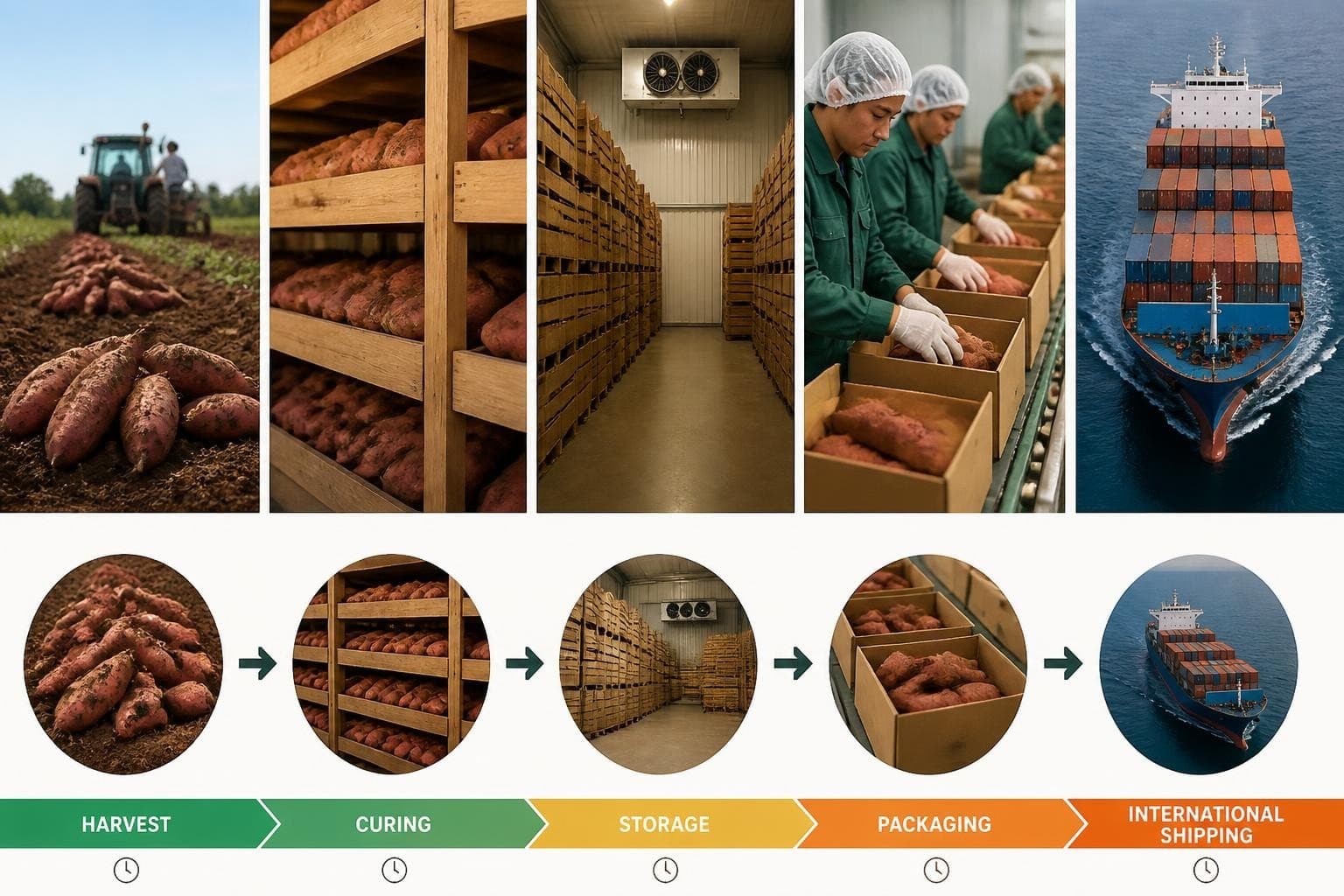
Understanding sweet potatoes shelf life for export is critical for international buyers, importers, and distributors who depend on consistent product quality from origin to destination. Unlike many other fresh produce items, sweet potatoes offer remarkable storage potential when handled correctly, making them an attractive option for long-distance trade. For buyers sourcing from Indonesia, particularly through established exporters working with West Java farms, mastering the variables that affect shelf life translates directly into reduced waste, improved margins, and satisfied end customers. This comprehensive guide examines the biological, environmental, and logistical factors that determine how long exported sweet potatoes maintain their commercial quality throughout the international supply chain.
Biological Factors Affecting Sweet Potato Storage Duration
Sweet potatoes are living organisms that continue metabolic processes after harvest. The respiration rate, moisture content, and enzymatic activity within the tubers directly influence their longevity during export operations.
Post-Harvest Physiology and Respiration
Freshly harvested sweet potatoes exhibit elevated respiration rates that gradually decline during the curing process. This biological activity consumes stored carbohydrates and generates heat, which can accelerate deterioration if not managed properly.
Key physiological considerations include:
- Respiration rates that vary by variety, with some cultivars naturally storing longer than others
- Moisture loss through the skin that affects texture, weight, and visual appeal
- Natural wound healing capacity that requires specific environmental conditions
- Enzymatic browning reactions that can compromise internal quality
The curing phase is essential for developing the protective corky layer that extends sweet potatoes shelf life for export significantly. Professional exporters implement controlled curing environments at 29-32°C with 85-90% relative humidity for five to seven days immediately after harvest.
Variety Selection and Inherent Storage Characteristics
Different sweet potato varieties demonstrate distinct storage capabilities that exporters and buyers must consider when planning international shipments. Indonesian premium sweet potato varieties such as Cilembu honey sweet potatoes and purple-fleshed cultivars each present unique shelf life profiles.
| Variety Type | Typical Export Shelf Life | Storage Sensitivity | Best Markets |
|---|---|---|---|
| Orange-fleshed (standard) | 4-6 months | Moderate | North America, Europe |
| Purple-fleshed | 3-5 months | Higher (moisture sensitive) | Asia, specialty markets |
| White-fleshed | 5-7 months | Lower | Middle East, Africa |
| Honey/Cilembu | 4-5 months | Moderate to high | Asia premium segment |
Buyers should communicate variety preferences early in the procurement process, as this decision fundamentally impacts logistics planning and expected arrival condition.
Environmental Controls for Maximum Export Shelf Life
Temperature and humidity management represents the most critical intervention point for extending sweet potatoes shelf life for export beyond basic post-harvest handling.
Optimal Storage Temperature Ranges
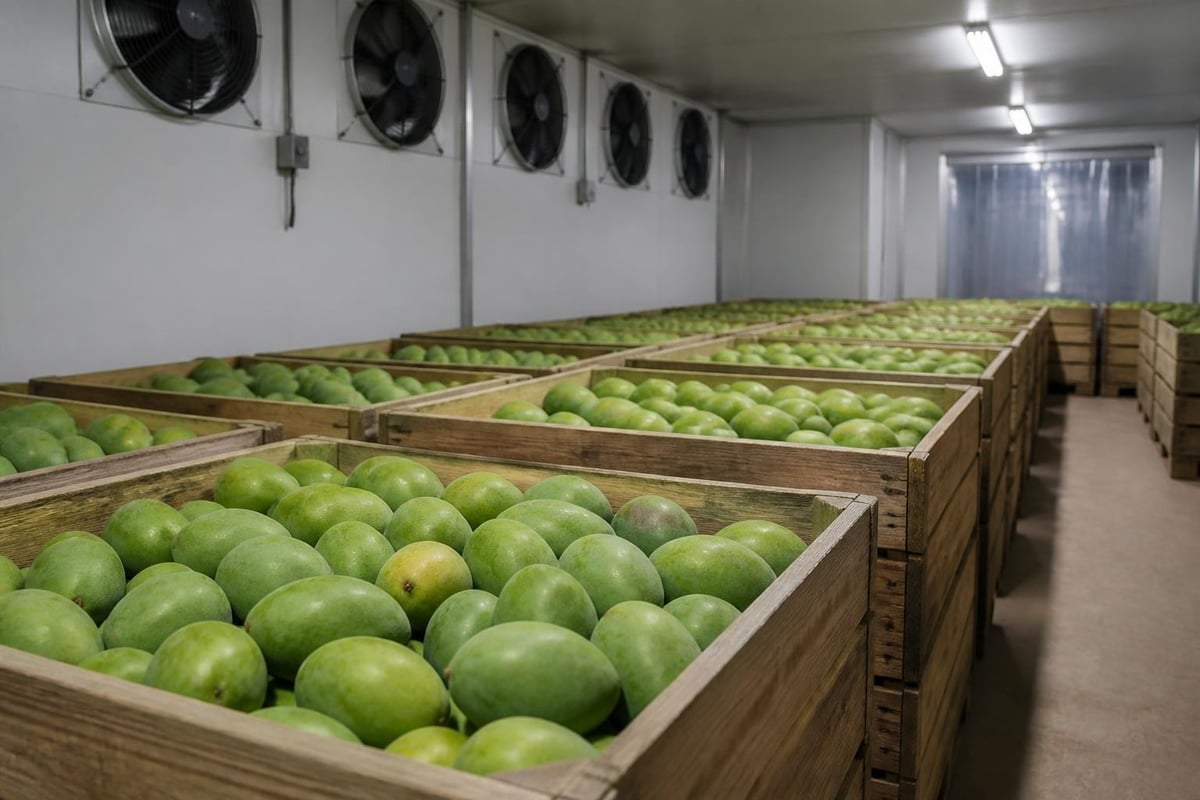
Sweet potatoes are chilling-sensitive crops that suffer physiological damage below 13°C, yet require cool conditions to slow respiration and delay sprouting. The optimal storage temperature for export-grade sweet potatoes falls between 13-16°C.
Temperature-related considerations:
- Temperatures below 13°C cause hard core development and off-flavors
- Temperatures above 18°C accelerate sprouting and weight loss
- Temperature fluctuations create condensation that promotes fungal growth
- Gradual temperature transitions prevent shock when moving between storage zones
Professional export operations maintain dedicated cold storage facilities with precise temperature monitoring systems. Bulk sweet potato suppliers investing in proper infrastructure can extend marketable shelf life by 60-80% compared to ambient storage.
Relative Humidity Management
Maintaining 85-90% relative humidity during storage prevents excessive moisture loss while avoiding conditions that favor microbial proliferation. Sweet potatoes can lose 3-5% of their weight monthly in suboptimal humidity conditions, directly impacting buyer value.
The balance between preventing shrinkage and controlling rot requires continuous monitoring and adjustment based on specific storage conditions and product volume.
Handling Protocols That Preserve Quality
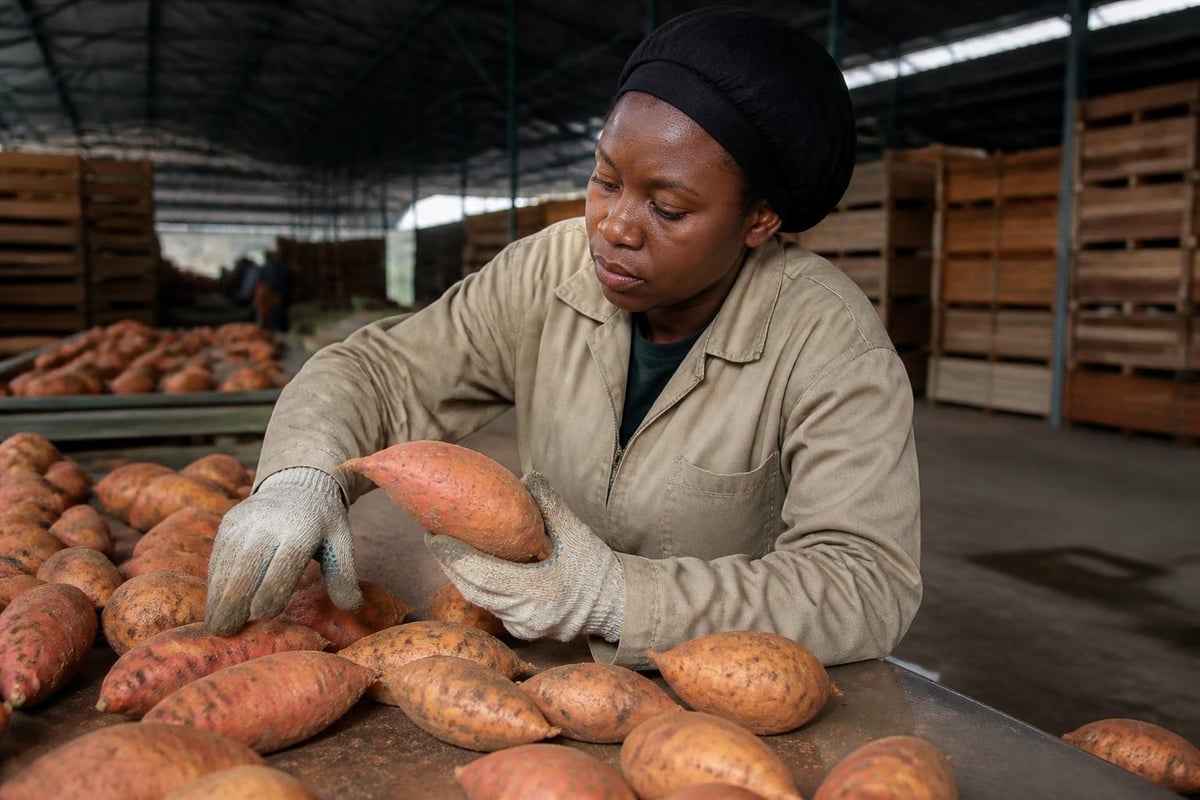
Physical damage during harvest, sorting, and packing operations creates entry points for pathogens and accelerates deterioration. Implementing strict handling protocols protects sweet potatoes shelf life for export from unnecessary reduction.
Harvest Timing and Technique
Sweet potatoes achieve optimal storage potential when harvested at full maturity but before temperature drops trigger physiological changes. Indonesian sweet potato harvest operations in West Java typically occur during dry periods when soil moisture is moderate.
Critical harvest practices include:
- Avoiding mechanical damage to skin and flesh
- Minimizing sun exposure immediately after digging
- Removing field heat within 24 hours
- Sorting out damaged or diseased tubers before curing
- Maintaining cleanliness throughout the handling chain
Exporters who implement mechanized harvest systems with careful operator training report 15-20% less cull-out compared to purely manual operations, directly improving the percentage of product suitable for international shipment.
Sanitation and Disease Prevention
Fungal and bacterial pathogens cause the majority of storage losses in sweet potatoes. Common storage diseases include black rot, soft rot, and Fusarium wilt, each requiring different prevention strategies.
| Disease | Primary Prevention | Storage Impact | Control Measures |
|---|---|---|---|
| Black rot | Field sanitation | Moderate to severe | Curing, fungicide treatment |
| Soft rot | Harvest damage prevention | Severe (spreads rapidly) | Temperature control, ventilation |
| Fusarium wilt | Resistant varieties | Moderate | Proper curing, low humidity zones |
| Surface mold | Humidity control | Minor to moderate | Air circulation, sanitation |
Professional exporters implement comprehensive sanitation protocols including equipment cleaning, storage facility fumigation, and regular monitoring for early disease detection. These measures protect sweet potatoes shelf life for export by preventing the rapid deterioration that occurs once pathogens establish.
Packaging Systems for International Transport
The choice of packaging materials and configurations significantly influences product condition upon arrival at international destinations. Export packaging for sweet potatoes must balance protection, ventilation, and cost considerations.
Container Types and Specifications
Standard export packaging includes corrugated cartons, wooden crates, and mesh bags, each offering distinct advantages for different market segments and shipping methods.
- Corrugated cartons (10-20 kg): Provide protection and stacking strength, preferred for retail-ready shipments
- Wooden crates (25-50 kg): Offer durability and reusability, common in wholesale distribution
- Mesh bags (10-25 kg): Maximize ventilation, suitable for short to medium transit times
- Plastic crates (15-20 kg): Enable returnable systems, growing in regional trade
The packaging configuration should incorporate ventilation holes representing 5-8% of total surface area to facilitate air exchange while protecting tubers from physical damage during handling and transit.
Modified Atmosphere Considerations
While sweet potatoes generally do not require modified atmosphere packaging for standard export durations, extended shipments to distant markets may benefit from reduced oxygen environments. Research demonstrates that atmospheres containing 2-5% oxygen and 5-10% carbon dioxide can extend shelf life by reducing respiration rates and inhibiting sprouting.
However, excessive carbon dioxide concentrations above 15% can induce off-flavors and internal breakdown, making precise atmosphere control essential when implementing these advanced storage techniques.
Transit and Shipping Logistics
Transportation conditions between origin and destination markets represent a critical vulnerability period where sweet potatoes shelf life for export can be significantly compromised or preserved.
Containerized Shipping Parameters
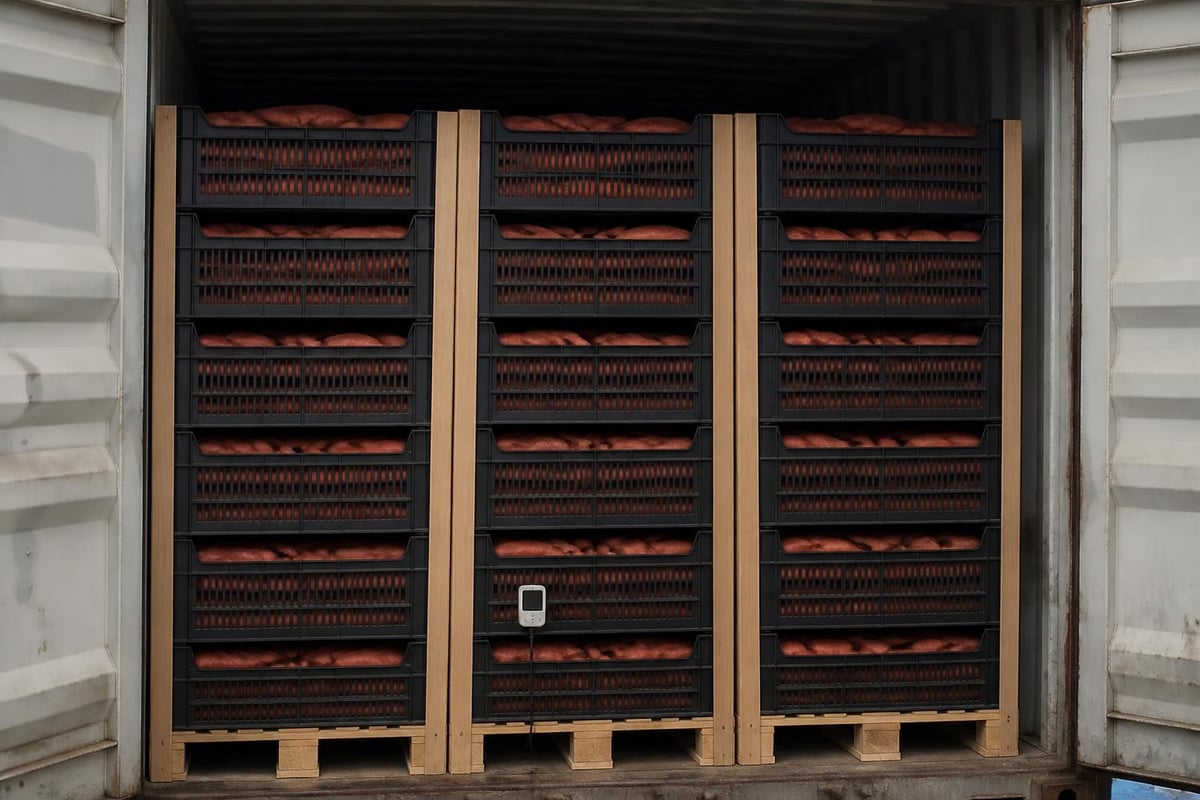
Most Indonesian sweet potato exports travel via refrigerated containers (reefers) that maintain optimal temperature ranges throughout ocean transit. Standard shipping from Indonesian ports to major markets requires 14-35 days depending on destination.
Key shipping considerations include:
- Pre-cooling product to shipping temperature before container loading
- Verifying reefer unit functionality and settings before departure
- Ensuring proper air circulation patterns within the loaded container
- Monitoring transit conditions through data loggers or smart sensors
- Coordinating arrival logistics to minimize port dwell time
Temperature excursions during transit, even for brief periods, can trigger irreversible quality decline that only becomes apparent days or weeks later when product reaches retail channels.
Documentation and Traceability
Professional export operations maintain complete documentation of harvest dates, curing protocols, storage conditions, and shipping parameters. This traceability enables buyers to make informed decisions about remaining shelf life upon receipt and appropriate distribution timelines.
Advanced exporters provide buyers with detailed handling histories including temperature graphs, humidity logs, and quality inspection reports, enabling more precise inventory management and rotation planning.
Market-Specific Requirements and Expectations
Different destination markets impose varying requirements regarding acceptable shelf life, quality standards, and phytosanitary compliance that exporters must understand and meet consistently.
Regional Quality Standards
Asian markets, particularly Japan, Korea, and Singapore, typically demand premium appearance standards and may specify maximum days from harvest for particular variety types. European and Middle Eastern buyers often prioritize consistent sizing and minimal defects over absolute freshness.
North American importers increasingly request specific shelf life guarantees, typically requiring that delivered product maintain marketable quality for minimum periods after arrival:
- Retail distribution: 21-30 days minimum shelf life upon receipt
- Food service: 14-21 days minimum shelf life upon receipt
- Processing: 7-14 days minimum shelf life upon receipt
Understanding these market-specific expectations allows exporters to optimize harvest timing, storage duration, and shipping schedules for each buyer segment.
Phytosanitary and Safety Compliance
Import regulations in major markets require specific treatments, certifications, and documentation that can affect handling protocols and potentially impact shelf life. For example, some markets mandate hot water treatments or irradiation for pest control, which may slightly reduce subsequent storage duration.
Importing sweet potatoes from Indonesia requires compliance with destination country food safety standards, including maximum residue levels for agricultural chemicals, microbiological criteria, and traceability requirements.
Quality Assessment and Monitoring Systems
Implementing systematic quality monitoring throughout the export supply chain provides early warning of potential shelf life issues and enables corrective action before significant losses occur.
Visual and Physical Inspection Protocols
Regular inspection schedules during storage identify developing problems including sprouting, shriveling, discoloration, soft spots, and disease symptoms. Professional operations conduct inspections at minimum weekly intervals, increasing frequency as storage duration extends.
Standard inspection criteria include:
- Skin condition (smoothness, color, blemishes)
- Firmness (resistance to gentle pressure)
- Sprout development (dormancy status)
- Weight loss indicators (shriveling, softness)
- Disease symptoms (discoloration, lesions, decay)
Documentation of inspection results enables trend analysis that can reveal subtle environmental control issues before they cause major quality problems.
Technology-Enabled Monitoring
Modern export operations increasingly deploy sensor networks, IoT devices, and automated monitoring systems that track storage conditions continuously and alert managers to deviations from target parameters.
These systems provide data that supports quality claims, enables process optimization, and demonstrates due diligence to buyers seeking assurance about product handling standards.
Cost-Benefit Analysis of Shelf Life Extension Investments
Buyers evaluating potential suppliers should consider the infrastructure investments and operational protocols that enable consistent delivery of sweet potatoes with maximum remaining shelf life.
Infrastructure Requirements
Professional export facilities typically include dedicated curing rooms, temperature-controlled storage chambers, humidity management systems, and hygienic packing areas. While these investments increase operational costs, they directly translate into reduced loss rates and premium market access.
| Investment Area | Cost Range (USD) | Shelf Life Impact | Payback Period |
|---|---|---|---|
| Curing room (100 MT capacity) | 15,000-25,000 | +30-40% | 12-18 months |
| Cold storage (500 MT) | 80,000-150,000 | +60-80% | 24-36 months |
| Grading equipment | 10,000-30,000 | +15-20% (reduced losses) | 18-24 months |
| Monitoring systems | 5,000-15,000 | +10-15% | 12-18 months |
Suppliers who maintain these capabilities can command premium pricing while delivering superior value through extended product life and reduced rejection rates.
Buyer Strategies for Maximizing Received Product Quality
International buyers can implement several strategies to ensure they receive sweet potatoes with optimal remaining shelf life for their distribution requirements.
Supplier Selection Criteria
When evaluating potential Indonesian sweet potato suppliers, buyers should assess infrastructure capabilities, quality management systems, and track records for consistent delivery performance.
Critical supplier evaluation factors:
- Post-harvest handling facilities and protocols
- Storage infrastructure and capacity
- Quality control systems and certifications
- Traceability and documentation practices
- Communication responsiveness and transparency
- References from current customers in similar markets
Suppliers who provide facility tours, detailed capability statements, and transparent process documentation demonstrate commitment to quality that typically correlates with superior shelf life performance.
Specification Development and Communication
Clear specifications communicated at the beginning of supplier relationships prevent misunderstandings and ensure both parties share expectations about acceptable shelf life parameters. Detailed specifications should address harvest timing windows, maximum storage duration before shipment, target arrival conditions, and testing protocols.
Regular communication during production and shipment phases allows for adjustments based on seasonal variations, shipping delays, or other factors that might affect product condition.
Arrival Protocols and Rapid Distribution
Even when exporters deliver product in excellent condition, buyer-side handling significantly impacts ultimate shelf life utilization. Rapid container unloading, immediate transfer to appropriate storage conditions, and efficient distribution to end customers maximize value from imported sweet potatoes.
Buyers should implement temperature monitoring during inland transport, maintain appropriate storage conditions at distribution centers, and establish inventory rotation systems that ensure oldest product moves first.
Maximizing sweet potatoes shelf life for export requires coordinated attention to biological factors, environmental controls, handling protocols, packaging systems, and logistics management throughout the entire supply chain. International buyers partnering with professional exporters who implement comprehensive quality management systems receive consistent product quality and optimal remaining shelf life for their market requirements. PT Cakra Baja Niaga works directly with partner farms in West Java to ensure proper post-harvest handling, controlled storage conditions, and reliable export logistics that deliver premium Indonesian sweet potatoes with maximum shelf life to importers, distributors, and retailers worldwide. Contact our export team for detailed specifications, quality documentation, and competitive quotations for your sweet potato sourcing requirements.
Looking to source premium Indonesian sweet potatoes?
PT Cakra Baja Niaga supplies export-grade Cilembu, Purple, and Murasaki varieties to buyers worldwide.
Continue reading
Wholesale Sweet Potatoes Indonesia: B2B Export Guide 2026
Source premium wholesale sweet potatoes Indonesia for import. Quality standards, export logistics, varieties, pricing & supplier partnerships.
Read article
Sweet Potatoes Supplier Indonesia: Quality & Export Guide
Find reliable sweet potatoes supplier Indonesia offering premium export quality. Learn about sourcing, grading, logistics, and partnerships.
Read article
Sweet Potatoes Grading Guide for International Buyers
Comprehensive sweet potatoes grading guide for exporters and importers. Learn USDA standards, size classification, defect tolerance, and quality control.
Read article