
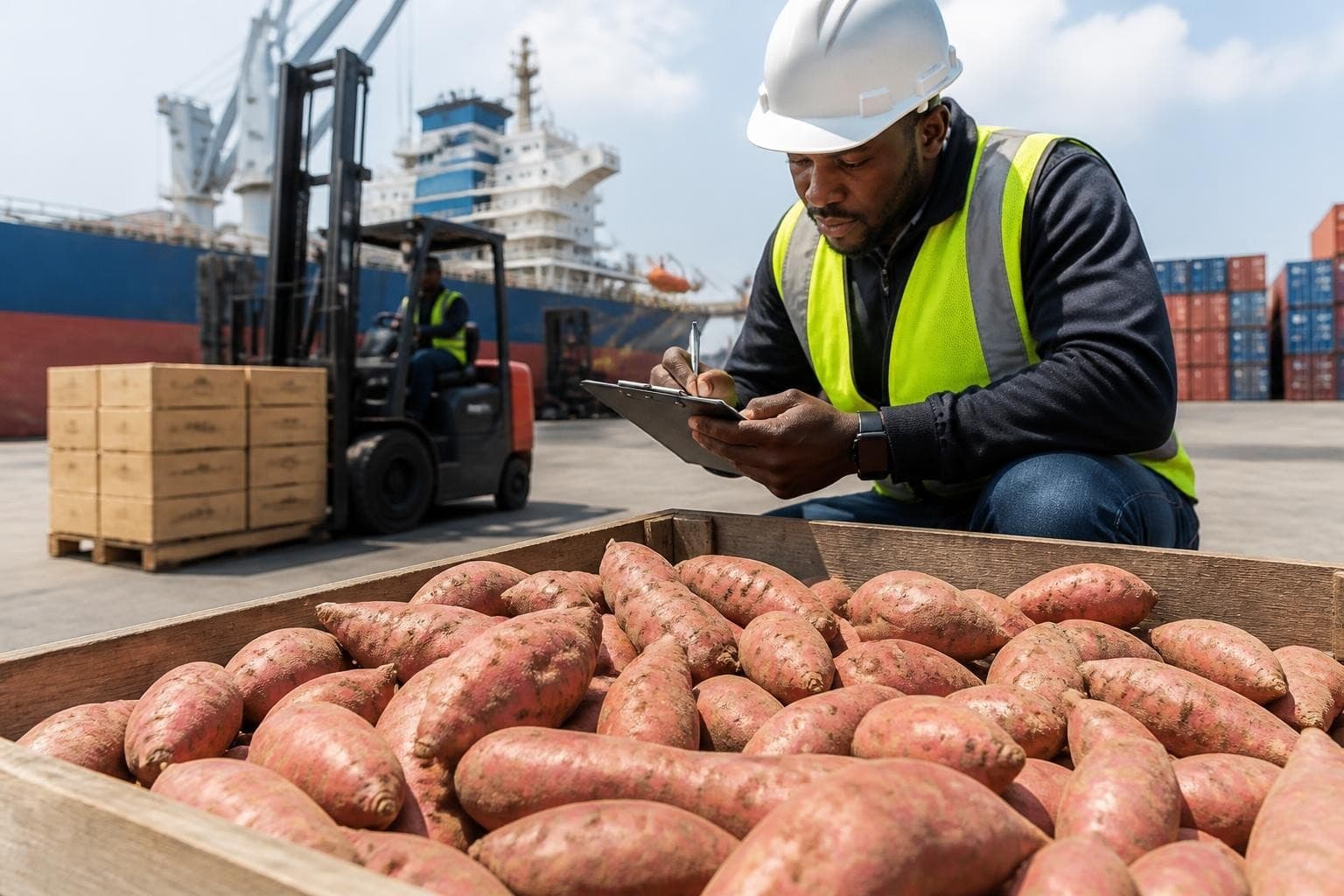
How to Import Sweet Potatoes: Complete Guide for 2026
Learn how to import sweet potatoes with this comprehensive guide covering regulations, certifications, logistics, and supplier selection for B2B buyers.
Importing sweet potatoes requires careful planning, comprehensive knowledge of international trade regulations, and strategic partnerships with reliable exporters. Whether you represent a retail chain, food processing facility, or distribution network, understanding the complete import process ensures compliance, product quality, and supply chain efficiency. This guide provides actionable insights into documentation requirements, quality standards, logistics considerations, and supplier evaluation criteria that modern importers need to successfully navigate the global sweet potato market.
Understanding Import Regulations and Compliance Requirements
Before initiating any purchase orders, importers must thoroughly understand the regulatory framework governing sweet potato imports in their destination country. Different markets maintain distinct phytosanitary requirements, quality standards, and certification protocols.
Phytosanitary Certification and Plant Health Requirements
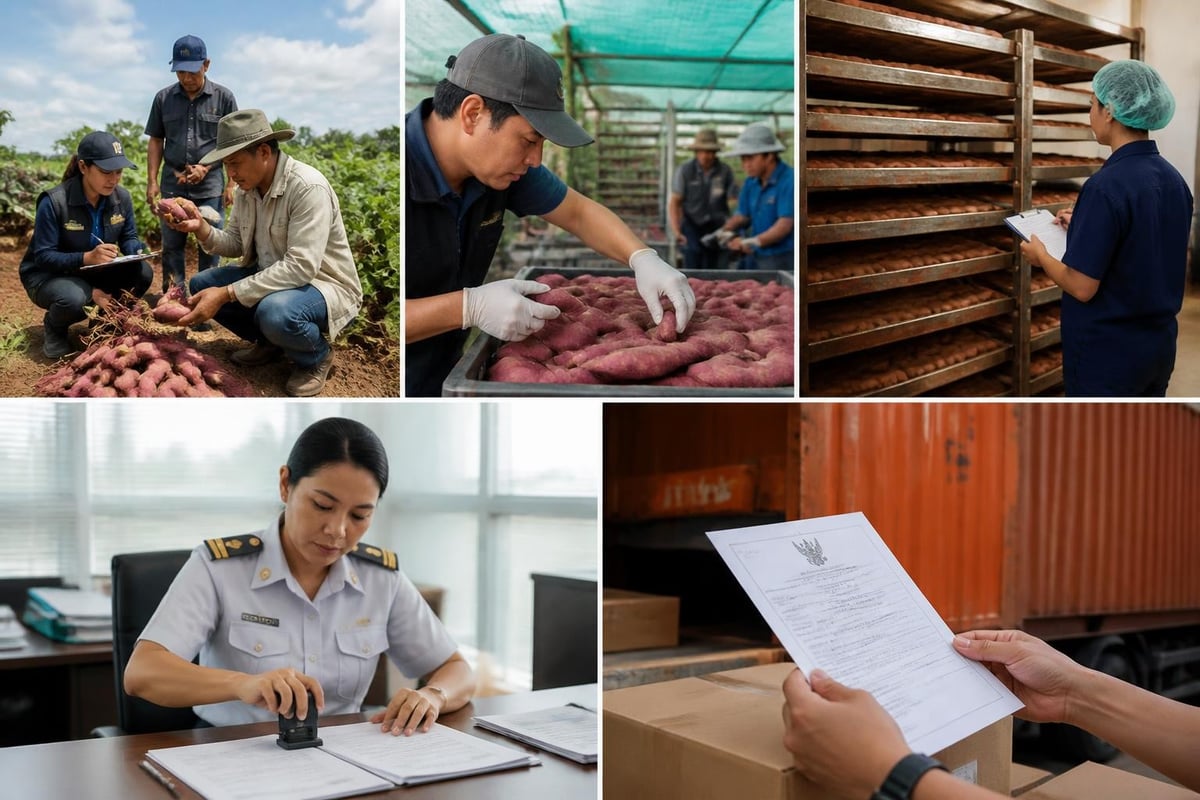
All sweet potato shipments crossing international borders require phytosanitary certificates confirming the products are pest-free according to international plant protection conventions. National plant protection organizations in exporting countries inspect shipments before issuing these critical documents.
Key phytosanitary considerations include:
- Official inspection by government-authorized agencies
- Verification of fumigation or treatment records when required
- Soil-free certification for fresh sweet potatoes
- Pest risk assessments specific to origin and destination countries
- Compliance with International Standards for Phytosanitary Measures
Export facilities in Indonesia maintain strict protocols to ensure sweet potatoes meet international phytosanitary standards. Partner farms implement integrated pest management systems and undergo regular inspections by Indonesian agricultural authorities before export certification.
Documentation and Customs Clearance Procedures
Understanding how to import sweet potatoes means mastering the documentation process that facilitates customs clearance. Incomplete or inaccurate paperwork leads to delays, additional inspections, and potential rejection at ports of entry.
| Document Type | Purpose | Issuing Authority |
|---|---|---|
| Commercial Invoice | Declares transaction value and product details | Exporter |
| Phytosanitary Certificate | Confirms plant health compliance | National Plant Protection Organization |
| Certificate of Origin | Verifies product source country | Chamber of Commerce |
| Packing List | Details shipment contents and packaging | Exporter |
| Bill of Lading | Serves as shipping contract and receipt | Carrier |
| Import Permit | Authorizes entry into destination country | Importing Country Authority |
The USDA APHIS import procedures provide comprehensive guidance for United States-bound shipments, while other markets maintain similar but distinct requirements. Working with experienced exporters who understand destination-specific protocols significantly reduces compliance risks.
Quality Standards and Grading Systems
Professional buyers need clear specifications when learning how to import sweet potatoes that meet their market requirements. Establishing quality parameters before placing orders prevents disputes and ensures consistent product performance.
International Grading Criteria
Sweet potato grading typically evaluates size uniformity, shape regularity, skin condition, and freedom from defects. While standards vary by destination market, most systems classify products into premium, standard, and processing grades.
Premium grade sweet potatoes demonstrate:
- Uniform size within specified diameter ranges
- Smooth skin without major blemishes or scarring
- Firm texture indicating proper maturity and handling
- Natural color characteristic of the variety
- Minimal mechanical damage or storage deterioration
Understanding these quality benchmarks helps importers communicate specifications effectively with suppliers. Indonesian exporters like those working with premium Indonesian sweet potatoes maintain rigorous sorting and grading processes to meet international buyer expectations.
Variety Selection for Target Markets
Different colors of sweet potatoes serve distinct market segments and culinary applications. Orange-fleshed varieties dominate health-conscious consumer markets, while purple-fleshed types appeal to specialty food sectors and processing applications.
When determining how to import sweet potatoes for specific market channels, consider:
- Consumer preferences in your target demographic
- Shelf life requirements for retail versus processing
- Seasonal availability from origin countries
- Price positioning relative to local alternatives
- Nutritional profiles for health-focused marketing
Logistics and Supply Chain Management
Efficient logistics separate successful import operations from problematic ones. Sweet potatoes are perishable agricultural products requiring temperature-controlled environments and careful handling throughout the supply chain.
Transportation Methods and Temperature Control
Most international sweet potato shipments travel via refrigerated containers maintaining temperatures between 13-16°C (55-61°F) with 85-90% relative humidity. These conditions preserve quality during ocean transit, which typically ranges from 14-30 days depending on origin and destination.
Container selection considerations:
- Standard 40-foot refrigerated containers accommodate approximately 24-26 metric tons
- Proper ventilation settings prevent moisture accumulation
- Temperature monitoring systems provide real-time tracking
- Container cleanliness verification prevents contamination
Airfreight serves premium markets requiring rapid delivery or smaller trial shipments, though costs significantly exceed ocean freight. The decision between transportation modes depends on order volume, urgency, and margin structures.
Lead Times and Order Planning
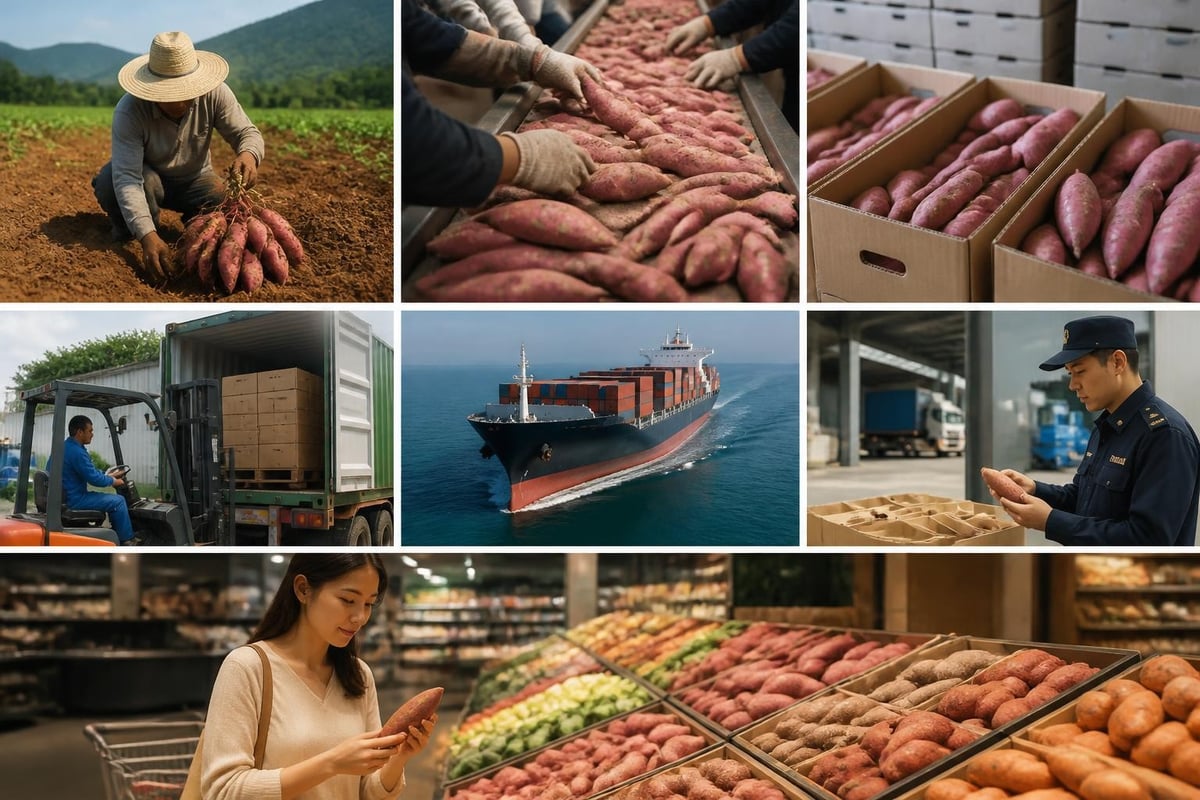
Effective procurement requires understanding the complete timeline from order placement to product delivery. When planning how to import sweet potatoes, build adequate lead time into inventory management systems.
| Supply Chain Stage | Typical Duration | Variables Affecting Timeline |
|---|---|---|
| Order Processing | 1-3 days | Communication efficiency, documentation preparation |
| Harvest and Preparation | 3-7 days | Seasonal availability, order volume, weather conditions |
| Export Documentation | 3-5 days | Regulatory requirements, inspection scheduling |
| Ocean Transit | 14-30 days | Origin port, destination port, routing, carrier schedules |
| Customs Clearance | 1-5 days | Documentation accuracy, inspection requirements |
| Inland Distribution | 1-3 days | Distance from port, domestic logistics capacity |
Peak harvest seasons in Indonesia typically occur from May through August, offering optimal quality and availability. Strategic buyers establish relationships with exporters who can provide consistent supply throughout the year by coordinating with multiple sweet potato farms across different growing regions.
Supplier Selection and Due Diligence
Choosing the right export partner fundamentally impacts your success in learning how to import sweet potatoes profitably and reliably. Thorough supplier evaluation protects against quality issues, supply disruptions, and regulatory complications.
Evaluation Criteria for Export Partners
Professional importers assess potential suppliers across multiple dimensions beyond price considerations. A comprehensive evaluation includes production capacity, quality management systems, export experience, and financial stability.
Critical supplier assessment factors:
- Traceability systems linking products to specific farms and harvest dates
- Export licensing and certifications demonstrating regulatory compliance
- Quality control infrastructure including sorting facilities and cold storage
- Communication responsiveness across time zones and languages
- References from existing customers in similar markets
Established Indonesian exporters maintain direct relationships with farming partners, ensuring transparency in sweet potatoes export from Indonesia operations. This vertical integration provides greater supply security and quality consistency compared to trading intermediaries.
Audit and Verification Processes
Before committing to large volume contracts, conducting supplier audits provides firsthand verification of capabilities and standards. Virtual audits using video technology offer cost-effective preliminary assessments, while in-person facility visits enable comprehensive evaluation.
During supplier audits, examine:
- Farm production areas and cultivation practices
- Post-harvest handling and storage facilities
- Sorting and packing operations
- Quality control testing procedures
- Documentation and record-keeping systems
- Export container loading protocols
Understanding sweet potatoes harvest timing and farm management practices helps verify supplier claims about production capacity and seasonal availability.
Pricing Structures and Payment Terms
Commercial negotiations require understanding the cost components that comprise sweet potato export pricing. Transparent pricing discussions facilitate fair agreements benefiting both importers and exporters.
FOB versus CIF Pricing Models
Sweet potato export quotations typically use either FOB (Free on Board) or CIF (Cost, Insurance, and Freight) Incoterms. Each structure allocates costs and risks differently between buyer and seller.
FOB pricing includes:
- Product cost at farm gate
- Domestic transportation to export port
- Export documentation and certification fees
- Loading onto vessel
CIF pricing additionally covers:
- Ocean freight to destination port
- Marine insurance during transit
- Some destination port charges
When evaluating how to import sweet potatoes cost-effectively, consider your logistics capabilities and relationships with freight forwarders. Experienced importers often prefer FOB terms to control shipping arrangements and insurance coverage directly.
Payment Methods and Risk Mitigation
International agricultural trade typically employs Letter of Credit payment instruments providing security for both parties. LCs guarantee payment upon presentation of compliant shipping documentation while protecting buyers against non-delivery or quality issues.
Alternative payment structures include:
- Advance payment for established relationships with proven suppliers
- Documents against payment requiring fund transfer before document release
- Open account terms for long-term partnerships with strong trust levels
- Escrow arrangements for new relationships requiring neutral third-party protection
Financial terms directly impact working capital requirements and risk exposure when determining how to import sweet potatoes sustainably.

Packaging and Handling Standards
Proper packaging protects product quality during international transit while meeting destination market requirements for retail presentation or processing applications. Sweet potatoes export packaging specifications vary based on product grade and intended use.
Export Packaging Configurations
Standard export cartons typically contain 10-20 kilograms of sweet potatoes, though specifications adapt to buyer requirements. Corrugated cardboard boxes with ventilation holes facilitate air circulation while providing structural protection during stacking and handling.
Premium retail-destined products may require:
- Individual wrapping or netting for presentation appeal
- Brand labeling compatible with destination market languages
- Smaller consumer-ready package sizes
- Enhanced cushioning materials preventing bruising
Processing-grade shipments prioritize functional protection over presentation, using larger bulk bins or mesh bags that maximize container utilization while maintaining adequate ventilation.
Container Loading and Palletization
Efficient container utilization impacts delivered cost per unit. Standard palletization patterns optimize space while maintaining stability during ocean transit and preventing crushing damage to bottom layers.
A typical 40-foot refrigerated container accommodates approximately 20 pallets when using standard 1.0m x 1.2m Euro pallets. Proper load securing with strapping and dunnage prevents shifting during vessel movement.
Market Entry Strategies and Distribution Channels
Successfully learning how to import sweet potatoes extends beyond logistics to understanding market positioning and channel development. Different distribution strategies suit various business models and market conditions.
Retail versus Foodservice Channels
Retail distribution requires packaging that appeals to end consumers and meets supermarket merchandising standards. Products must arrive with sufficient remaining shelf life for display periods plus consumer storage time.
Foodservice and processing channels prioritize consistent supply, competitive pricing, and specifications matching production requirements. These buyers often value bulk sweet potatoes supplier relationships offering volume discounts and flexible delivery scheduling.
Channel-specific considerations:
| Channel | Priority Factors | Typical Order Patterns |
|---|---|---|
| Supermarket Retail | Brand recognition, packaging aesthetics, consistent quality | Weekly to bi-weekly deliveries, mixed container loads |
| Independent Grocers | Price competitiveness, smaller pack sizes, local preferences | As-needed ordering, consolidated shipments |
| Foodservice Distributors | Volume availability, standardized specifications, reliability | Large volume contracts, scheduled deliveries |
| Food Manufacturers | Year-round supply, processing suitability, competitive pricing | Contract farming, direct farm relationships |
Building Competitive Advantage
Market differentiation strategies help importers establish sustainable positions against competitors. Specialization in particular varieties, such as offering unique purple sweet potatoes near me options, creates distinct value propositions.
Additional differentiation approaches include:
- Origin storytelling highlighting Indonesian growing conditions and farming practices
- Sustainability certifications demonstrating environmental and social responsibility
- Consistent year-round availability through multi-region sourcing
- Technical support providing recipe development and preparation guidance
- Flexible minimum orders accommodating smaller buyers and trial programs
Regulatory Compliance Across Major Markets
Different destination countries maintain unique requirements when determining how to import sweet potatoes legally. Understanding these variations prevents costly compliance failures.
United States Import Requirements
The USDA maintains specific protocols for sweet potato imports, including mandatory phytosanitary certificates and compliance with plant import regulations. Certain pests of concern trigger additional inspection and treatment requirements.
U.S. Customs and Border Protection enforces restrictions on specialty and seasonal items, though sweet potatoes generally face fewer prohibitions than some other agricultural products. Proper classification under Harmonized Tariff System codes ensures accurate duty assessment.
European Union Specifications
EU markets require compliance with common agricultural policy standards and member state-specific requirements. Traceability documentation must demonstrate complete chain of custody from farm through export.
Maximum residue levels for pesticides receive strict enforcement, making supplier selection critical. Indonesian exporters working with certified farms maintain comprehensive spray records and conduct residue testing before shipment.
Asian Market Considerations
Regional markets including Japan, South Korea, and Singapore each maintain distinct import protocols. Japanese buyers particularly value specific varieties and premium quality standards, while Southeast Asian markets often prioritize competitive pricing and consistent availability.
Understanding these nuances when learning how to import sweet potatoes enables targeted market development strategies aligned with regulatory environments and buyer preferences.
Risk Management and Quality Assurance
Protecting your investment requires proactive risk mitigation throughout the import process. Quality assurance programs identify potential problems before they impact customers.
Pre-Shipment Inspection Protocols
Third-party inspection services verify product quality, quantity, and packaging compliance before container loading. These independent assessments provide objective documentation reducing disputes and ensuring specifications match purchase agreements.
Inspection reports typically document:
- Sample-based quality grading against agreed standards
- Accurate weight verification and carton counts
- Packaging condition and labeling accuracy
- Container cleanliness and temperature settings
- Loading procedures and securing methods
Many professional importers make final payment contingent upon satisfactory pre-shipment inspection results, providing leverage to ensure supplier compliance with specifications.
Claims and Dispute Resolution
Despite careful planning, occasional quality issues or logistical problems occur in international trade. Establishing clear claims procedures and resolution mechanisms protects both parties when problems arise.
Written purchase agreements should specify:
- Quality claim windows defining timeframes for reporting issues
- Documentation requirements including photos, inspection reports, temperature logs
- Remedy options such as credit notes, replacements, or price adjustments
- Arbitration procedures for resolving disputes
- Insurance coverage boundaries and claim filing processes
Professional relationships built on transparency and fair dealing resolve most issues amicably without formal dispute mechanisms.
Sustainability and Ethical Sourcing
Modern buyers increasingly demand transparency regarding environmental impact and labor practices. Demonstrating commitment to sustainable sourcing strengthens brand reputation and meets evolving consumer expectations.
Environmental Considerations
Sweet potato production in Indonesia benefits from tropical growing conditions requiring minimal irrigation compared to other regions. Volcanic soil fertility reduces synthetic fertilizer dependency, supporting more sustainable agricultural practices.
Exporters implementing environmental management systems address:
- Water conservation in washing and processing operations
- Renewable energy adoption in cold storage facilities
- Waste reduction through utilization of culled products
- Biodegradable or recyclable packaging material selection
- Carbon footprint measurement and reduction strategies
Social Responsibility in Supply Chains
Ethical labor practices throughout the supply chain reflect corporate values and reduce reputational risks. Verification of fair wages, safe working conditions, and absence of child labor demonstrates responsible sourcing when determining how to import sweet potatoes ethically.
Established Indonesian exporters maintain transparent relationships with farming partners, ensuring agricultural workers receive fair compensation and safe working environments. These practices align with international labor standards and support rural community development.
Technology Integration and Supply Chain Optimization
Modern import operations leverage technology to enhance efficiency, reduce costs, and improve decision-making. Digital tools transform traditional procurement processes into data-driven operations.
Traceability and Blockchain Applications
Advanced traceability systems in supply chain management enable complete visibility from farm to destination. Blockchain technology creates immutable records documenting each handling point, supporting food safety investigations and authenticity verification.
Digital traceability benefits include:
- Rapid identification of contamination sources during recalls
- Verification of origin claims for marketing purposes
- Compliance documentation for regulatory audits
- Quality trend analysis across suppliers and seasons
- Consumer transparency through scannable package codes
Route Optimization and Logistics Efficiency
Sophisticated modeling approaches for fresh product delivery optimization reduce transportation costs and improve delivery reliability. These systems consider multiple variables including transit time, temperature maintenance, and fuel efficiency.
Technology-enabled logistics management provides:
- Real-time shipment tracking and exception alerts
- Predictive analytics for delivery timeline accuracy
- Automated documentation processing reducing manual errors
- Inventory optimization balancing stock levels with demand forecasting
- Performance analytics identifying improvement opportunities
Building Long-Term Supplier Partnerships
Successful importers recognize that sustainable competitive advantage comes from strategic supplier relationships rather than transactional purchasing. Investing in partnership development yields superior results over time.
Collaborative Planning and Communication
Regular communication beyond order placement strengthens relationships and improves supply chain responsiveness. Sharing demand forecasts, market insights, and quality feedback helps suppliers align production with your requirements.
Effective partnership communication includes:
- Quarterly business reviews discussing performance metrics and improvement initiatives
- Harvest planning coordination ensuring availability during peak demand periods
- Quality standard evolution adapting specifications to market changes
- New variety trials testing innovations before commercial rollout
- Problem-solving collaboration addressing challenges constructively
Investment in Supplier Capabilities
Forward-thinking importers support supplier development through technical assistance, quality training, and sometimes financial investment. These initiatives improve product quality while strengthening supply security.
Capacity-building programs might include:
- Food safety certification support and training
- Post-harvest handling equipment upgrades
- Quality testing laboratory establishment
- Packaging innovation collaboration
- Sustainable farming practice implementation
Working with established exporters like those specializing in import sweet potatoes from Indonesia provides access to already-developed supply networks and quality infrastructure.
Understanding how to import sweet potatoes successfully requires comprehensive knowledge spanning regulatory compliance, quality standards, logistics management, and supplier relationships. Professional buyers who master these elements build sustainable competitive advantages through reliable supply, consistent quality, and cost-effective operations. PT Cakra Baja Niaga partners with international importers, distributors, and retailers seeking dependable access to premium Indonesian sweet potatoes backed by transparent farming partnerships, rigorous quality control, and experienced export operations. Contact our team to discuss your specific requirements, request product samples, or obtain detailed quotations for your market.
Looking to source premium Indonesian sweet potatoes?
PT Cakra Baja Niaga supplies export-grade Cilembu, Purple, and Murasaki varieties to buyers worldwide.
Continue reading
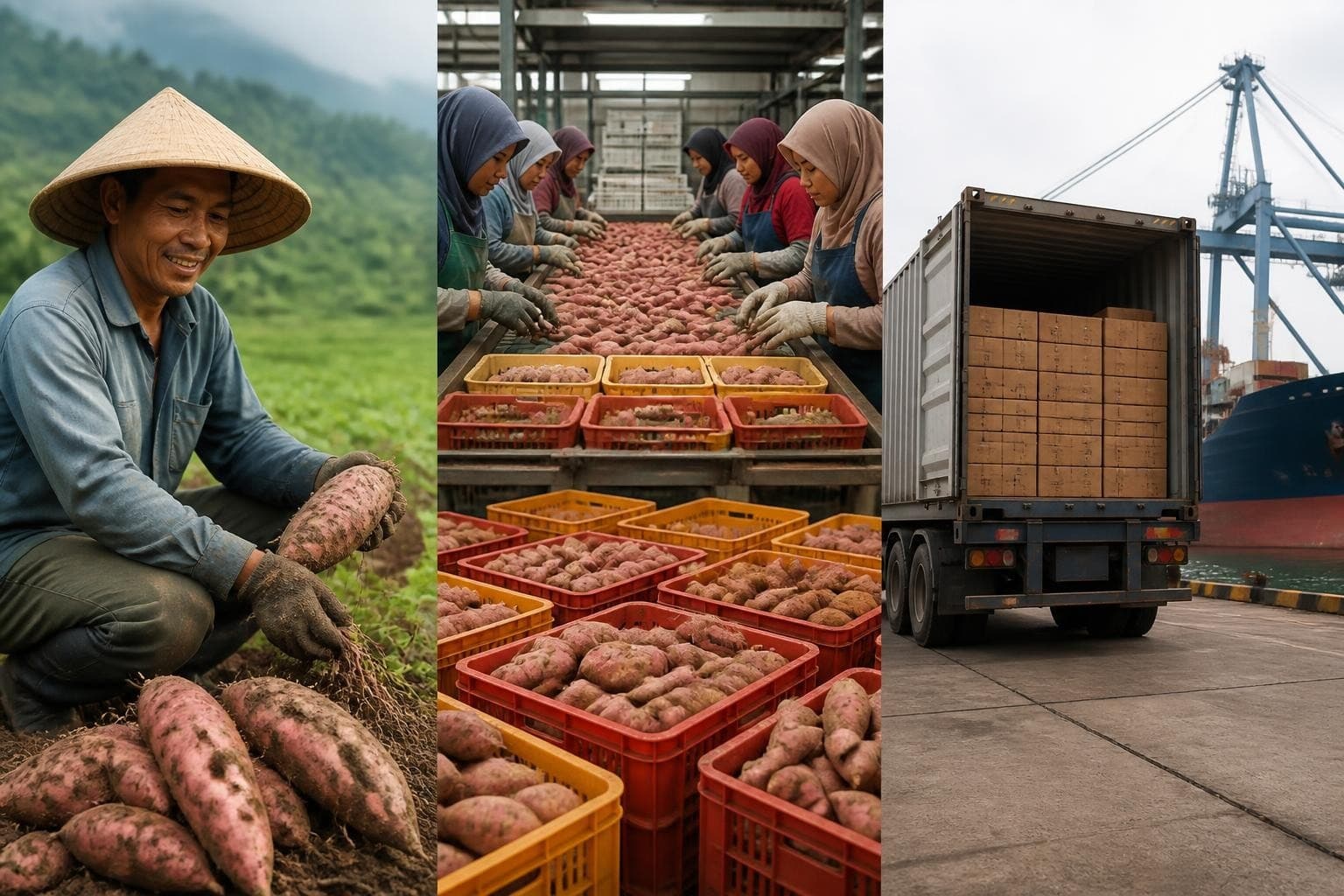
Wholesale Sweet Potatoes Indonesia: B2B Export Guide 2026
Source premium wholesale sweet potatoes Indonesia for import. Quality standards, export logistics, varieties, pricing & supplier partnerships.
Read article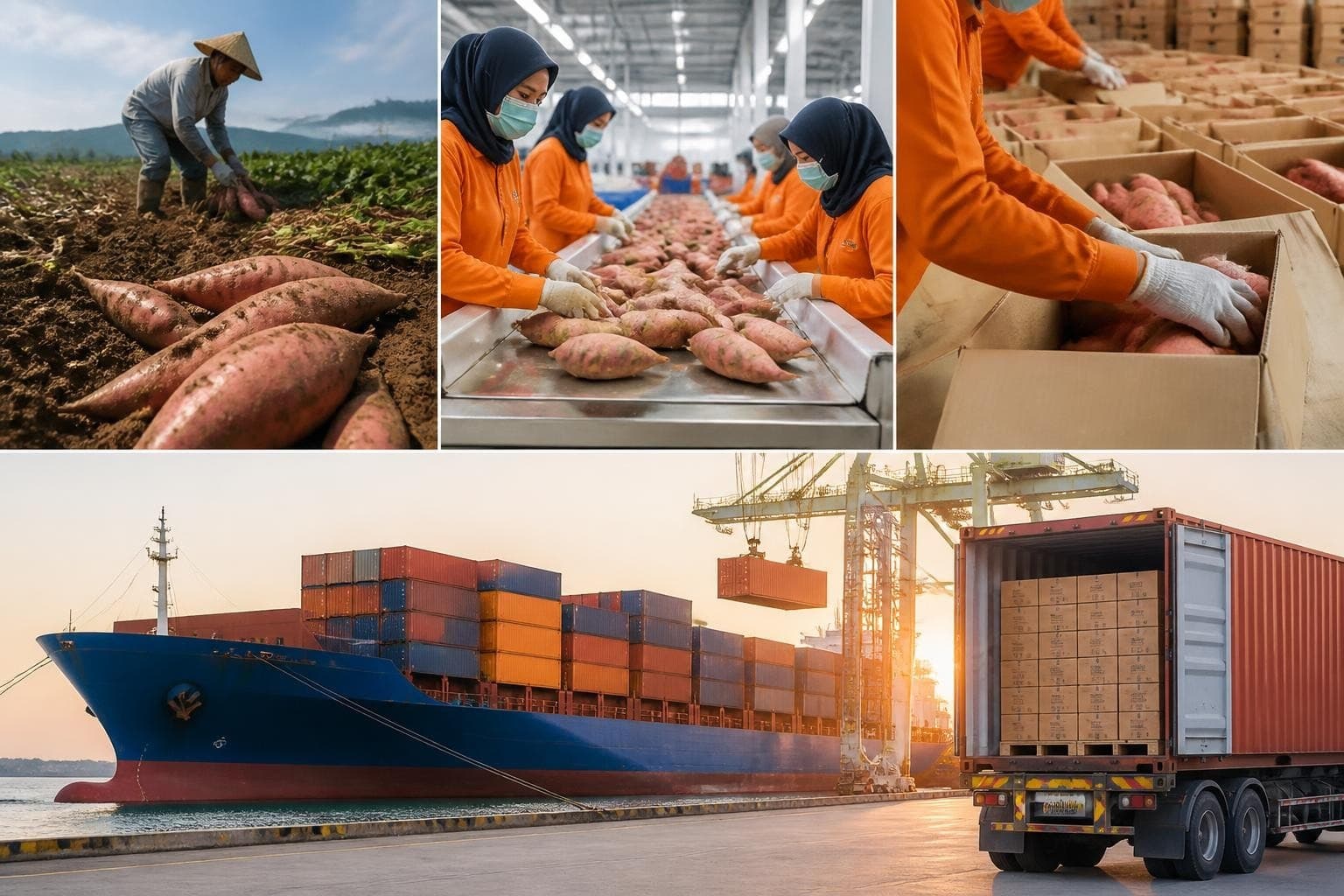
Sweet Potatoes Supplier Indonesia: Quality & Export Guide
Find reliable sweet potatoes supplier Indonesia offering premium export quality. Learn about sourcing, grading, logistics, and partnerships.
Read article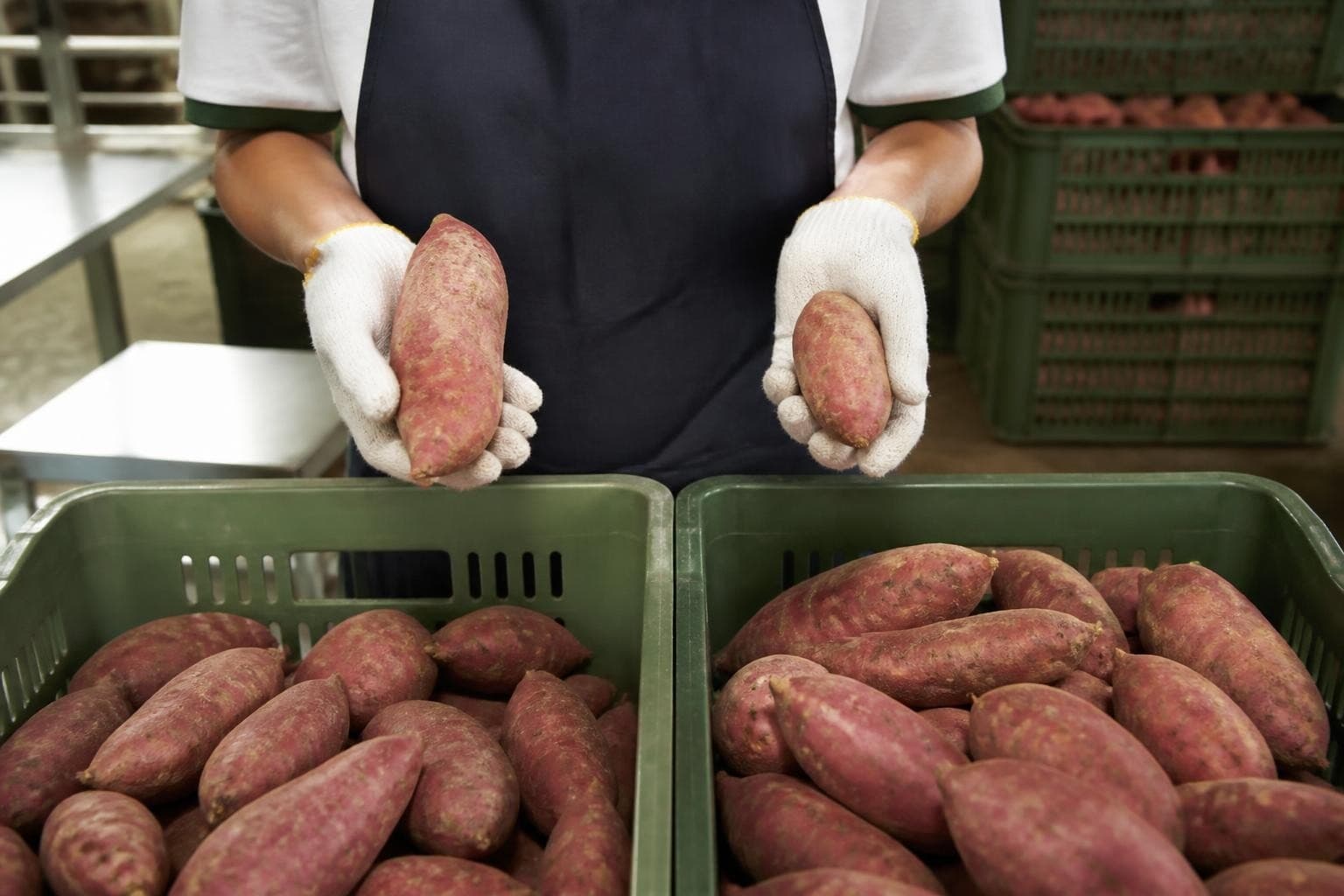
Sweet Potatoes Grading Guide for International Buyers
Comprehensive sweet potatoes grading guide for exporters and importers. Learn USDA standards, size classification, defect tolerance, and quality control.
Read article