

Complete sweet potatoes export guide covering quality standards, packaging, documentation, shipping, and market compliance for B2B exporters.
Navigating international sweet potato exports requires comprehensive knowledge of quality standards, regulatory compliance, logistics coordination, and market-specific requirements. This sweet potatoes export guide provides practical insights for exporters, importers, and distributors working to establish reliable supply chains in the global sweet potato market. Whether you're sourcing from Indonesia or entering new markets, understanding the complete export process from farm to destination port ensures successful transactions and long-term partnerships.
Understanding Global Sweet Potato Market Dynamics
The international sweet potato market has experienced significant growth over the past decade, driven by increasing consumer awareness of nutritional benefits and diverse culinary applications. According to World Bank trade statistics, global sweet potato exports reached substantial volumes in recent years, with Asian suppliers playing an increasingly important role.
Indonesia has emerged as a competitive origin for premium sweet potatoes, particularly varieties cultivated in West Java's fertile volcanic soils. The country's tropical climate and year-round growing conditions provide distinct advantages for consistent supply and quality.
Key Market Considerations
When planning sweet potato exports, consider these fundamental factors:
- Demand seasonality in target markets affects pricing and volume requirements
- Variety preferences vary significantly between regions (orange, purple, white flesh)
- Quality expectations differ for retail versus food processing applications
- Price sensitivity varies based on market maturity and competition
Understanding your buyers' specific requirements early in the relationship prevents costly misunderstandings and strengthens your position as a reliable supplier. Many successful exporters maintain detailed buyer profiles tracking preferences, seasonal patterns, and order histories.
Quality Standards and Grading Systems
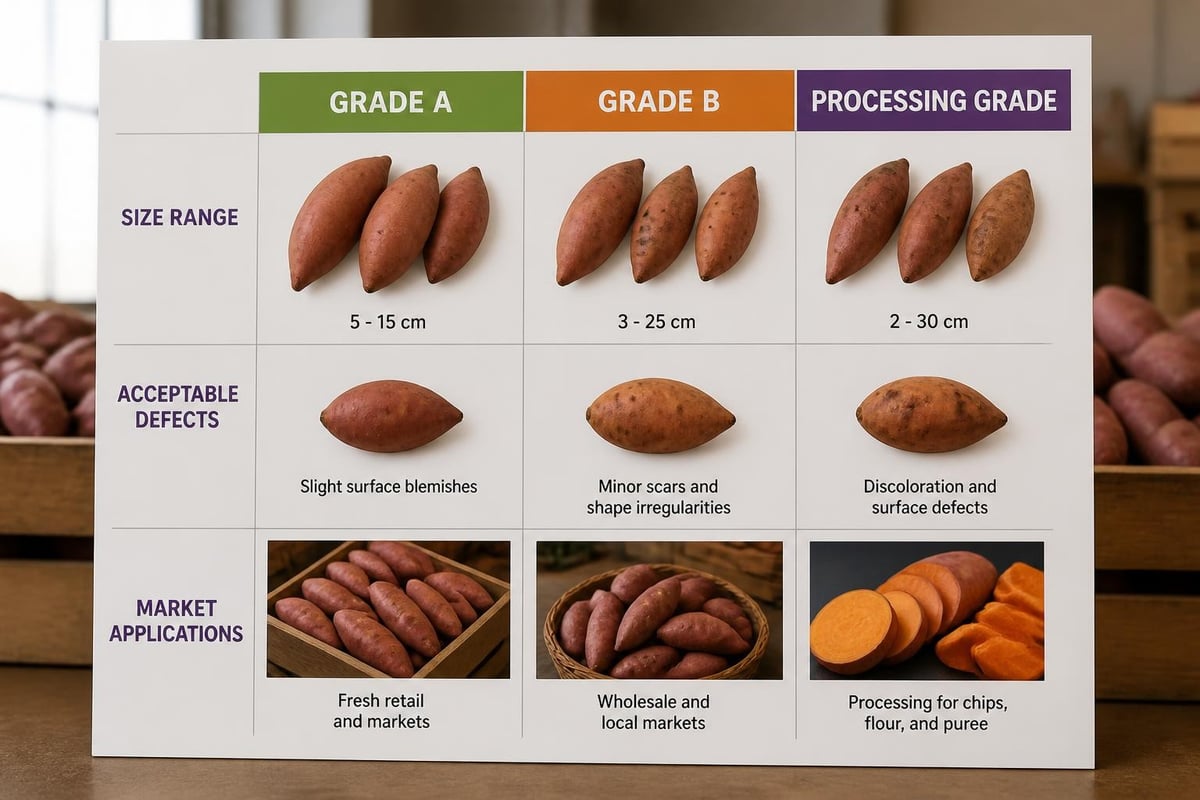
A comprehensive sweet potatoes export guide must address quality benchmarks that determine market acceptance and pricing. International buyers evaluate sweet potatoes based on multiple criteria including size, shape, skin condition, flesh quality, and freedom from defects.
Standard Quality Parameters
Most international markets recognize similar quality classifications, though specific tolerances may vary:
| Grade | Size Range | Defect Tolerance | Typical Application |
|---|---|---|---|
| Premium/Grade A | 200-400g | Max 5% minor defects | Retail, supermarkets |
| Grade B | 150-200g or 400-600g | Max 10% minor defects | Wholesale, restaurants |
| Processing Grade | Variable | Max 20% defects | Food manufacturing |
Premium-grade sweet potatoes command significantly higher prices but require careful selection and handling throughout the supply chain. Understanding export quality sweet potatoes standards helps exporters meet buyer expectations consistently.
Critical Quality Factors
- Skin integrity: Smooth, unblemished skin without cuts, bruises, or mechanical damage
- Shape uniformity: Regular, elongated shape preferred for retail markets
- Internal quality: Firm flesh without signs of deterioration, sprouting, or internal defects
- Cleanliness: Free from soil, stones, and foreign matter
- Moisture content: Properly cured to prevent dehydration during transit
Establishing rigorous quality control procedures at the farm level and packing facility ensures consistent compliance with these standards. Many successful exporters implement multi-stage inspection protocols, rejecting non-conforming product before packaging.
Phytosanitary and Food Safety Compliance
Regulatory compliance represents one of the most critical aspects of any sweet potatoes export guide. International plant protection standards and food safety regulations protect importing countries from pests, diseases, and contaminants while ensuring consumer safety.
The International Plant Protection Convention establishes harmonized phytosanitary measures that form the basis for most national import requirements. Exporters must understand and comply with these standards to access international markets.
Essential Documentation Requirements
Every sweet potato shipment requires specific documentation:
- Phytosanitary certificate issued by the National Plant Protection Organization
- Certificate of Origin confirming Indonesian production
- Commercial invoice with accurate product description and value
- Packing list detailing contents, weights, and carton counts
- Bill of lading or airway bill for logistics tracking
Additional certificates may be required depending on destination market regulations, including fumigation certificates, pesticide residue test reports, or organic certifications. The USDA export certification services provide valuable frameworks that many countries reference when establishing their own requirements.
Meeting Food Safety Standards
Modern buyers increasingly require documented food safety systems beyond basic regulatory compliance. Implementing Good Agricultural Practices (GAP) and hazard analysis protocols demonstrates commitment to quality and food safety.
Key food safety considerations include:
- Traceability from specific farms or production lots
- Pesticide residue monitoring and maximum residue limit compliance
- Microbiological testing for pathogens where required
- Temperature monitoring during storage and transport
- Allergen and contamination prevention protocols
Codex Alimentarius standards provide internationally recognized food safety guidelines that help exporters align with global best practices.
Packaging and Labeling Requirements
Professional packaging protects product quality during international transit while communicating essential information to buyers and regulatory authorities. This section of our sweet potatoes export guide addresses packaging strategies that minimize damage and ensure market compliance.
Packaging Materials and Configurations
Standard export packaging for fresh sweet potatoes includes:
- Corrugated cartons: 10kg or 20kg net weight, with ventilation holes
- Inner packaging: PE liners or individual wrapping for premium grades
- Pallet configuration: Standard 1.2m x 1.0m pallets for container loading
- Cushioning materials: Protective layers preventing movement and compression damage
Sweet potatoes export packaging decisions should balance protection, cost efficiency, and buyer preferences. Some markets prefer smaller retail-ready packages, while others accept bulk packaging for repacking at destination.
Mandatory Labeling Elements
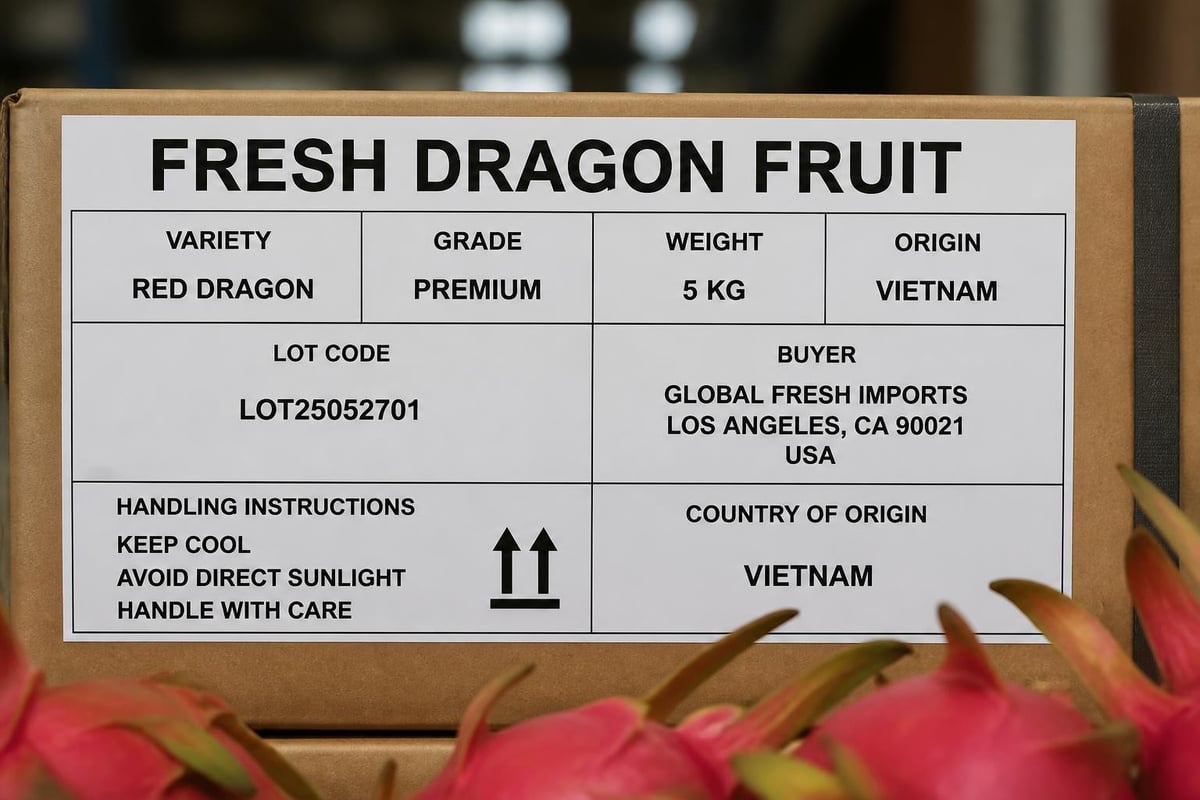
Each carton must display clear, accurate labeling:
- Product name and variety (botanical and commercial names)
- Net weight and gross weight in kilograms
- Country of origin clearly stated
- Exporter name and contact information
- Lot or batch identification code
- Grade or quality classification
- Handling instructions and orientation markers
Proper labeling facilitates customs clearance, inventory management, and traceability. Buyers appreciate professional presentation that simplifies their receiving and distribution operations.
Temperature Management and Shelf Life
Maintaining optimal conditions throughout the supply chain directly impacts product quality upon arrival. Sweet potatoes are living products that continue metabolic processes after harvest, making temperature control essential for preserving sweet potatoes shelf life for export.
Storage Temperature Guidelines
| Storage Phase | Temperature Range | Relative Humidity | Duration |
|---|---|---|---|
| Curing | 28-32°C | 85-90% | 5-7 days |
| Post-cure storage | 13-16°C | 80-85% | 2-4 weeks |
| Export transit | 13-15°C | 85-90% | 14-30 days |
| Retail display | 13-16°C | 75-80% | Variable |
Curing immediately after harvest heals minor skin injuries and develops the characteristic sweet flavor buyers expect. Proper curing significantly extends storage potential and reduces deterioration during transit.
Container Shipping Considerations
Most international sweet potato exports move in refrigerated containers that maintain consistent temperatures throughout ocean transit. Understanding sweet potatoes container shipping requirements prevents costly quality issues.
Critical factors for successful container shipments include:
- Pre-cooling product to target temperature before loading
- Setting container controllers to maintain 13-15°C consistently
- Ensuring adequate airflow around pallets and cartons
- Monitoring temperature throughout transit via data loggers
- Coordinating pickup timing to minimize delays after arrival
Many exporters now use remote monitoring systems that provide real-time temperature data, enabling proactive intervention if deviations occur during transit.
Market-Specific Import Requirements
Different destination markets impose varying requirements based on their agricultural protection priorities and food safety regulations. A practical sweet potatoes export guide must address these market-specific considerations.
Asia-Pacific Markets
Countries including Malaysia, Singapore, Japan, and South Korea represent significant opportunities for Indonesian exporters. These markets typically require:
- Phytosanitary certification confirming pest freedom
- Specific packaging and labeling in local languages
- Variety registration or approval for certain cultivars
- Pesticide residue compliance with national MRL standards
Japan and South Korea particularly emphasize traceability and production area registration. Establishing relationships with importers familiar with these requirements streamlines the approval process.
Middle East Markets
Gulf Cooperation Council countries import substantial sweet potato volumes for retail and food service applications. Key requirements include:
- Halal certification from recognized Islamic authorities
- Arabic language labeling for retail products
- Certificate of Origin with embassy legalization
- Compliance with Gulf Standard Organization specifications
Working with experienced freight forwarders familiar with Middle East documentation requirements prevents clearance delays.
European Union Considerations
EU markets offer premium pricing but impose strict compliance requirements:
- EUROPHYT notification and phytosanitary certificate
- Compliance with EU pesticide MRL database
- Traceability to specific production areas
- GLOBALG.A.P. or equivalent certification increasingly preferred
Understanding EU import procedures for importing sweet potatoes from Indonesia helps exporters prepare appropriate documentation and quality systems.
Logistics and Shipping Coordination
Efficient logistics management ensures product reaches buyers in optimal condition while minimizing costs and delays. This sweet potatoes export guide section addresses practical logistics considerations.
Transportation Mode Selection
Exporters choose between air and sea freight based on several factors:
Sea Freight Advantages:
- Cost-effective for large volumes (containers or partial loads)
- Suitable for markets accepting 2-4 week transit times
- Standard option for established trade routes
- Lower carbon footprint per kilogram
Air Freight Advantages:
- Rapid delivery to distant markets (2-5 days)
- Premium positioning for high-value varieties
- Suitable for sample shipments and market testing
- Reduced storage requirements at origin
Most regular commercial shipments move by sea in 20-foot or 40-foot refrigerated containers. Fresh sweet potatoes export operations typically establish weekly or bi-weekly shipping schedules aligned with buyer demand patterns.
Documentation and Customs Procedures
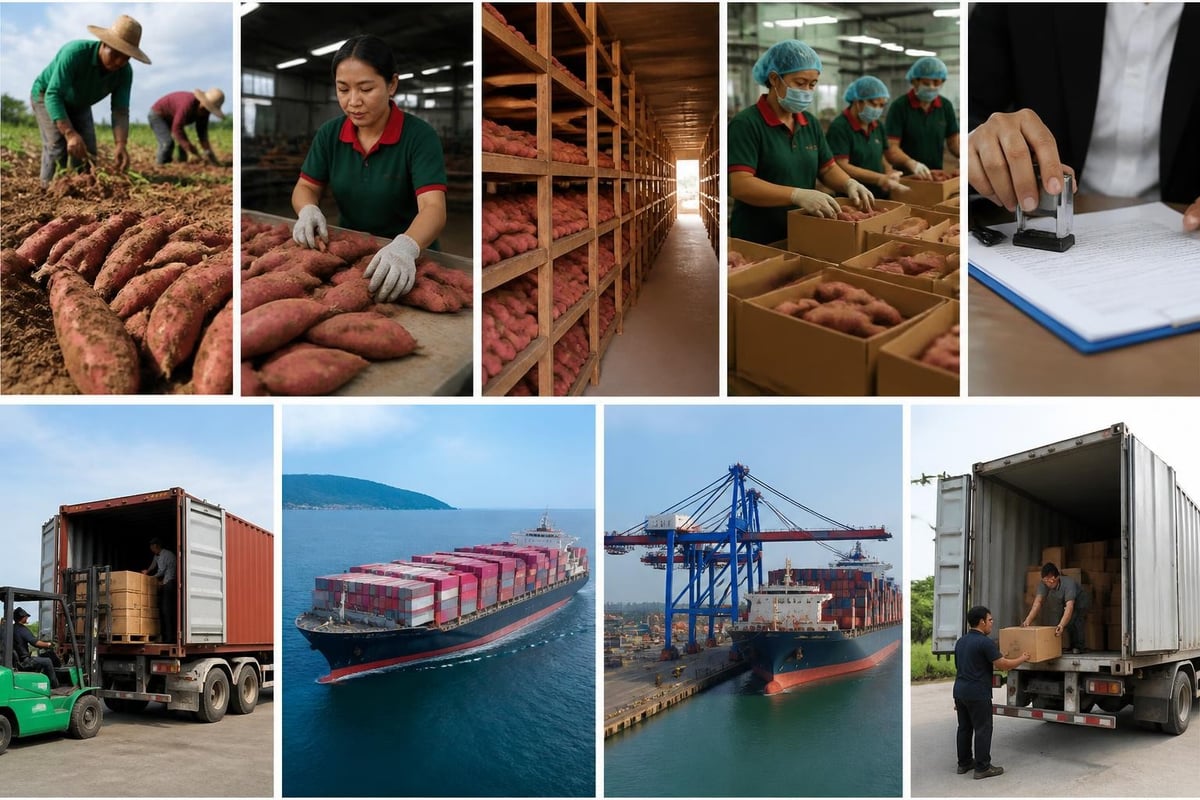
Successful customs clearance requires accurate, complete documentation submitted according to established procedures:
- Pre-shipment: Secure all certificates and approvals from relevant authorities
- Export customs: Submit export declaration with supporting documents
- Shipping: Obtain original bills of lading and commercial documents
- Import customs: Provide complete documentation to buyer or customs broker
- Post-clearance: Maintain records for regulatory and audit purposes
Professional customs brokers and freight forwarders provide valuable expertise, particularly for exporters entering new markets or managing complex regulatory requirements.
Working with Indonesian Sweet Potato Suppliers
Indonesia's sweet potato production offers distinct advantages for international buyers seeking consistent quality and competitive pricing. Premium Indonesian sweet potatoes from regions like West Java benefit from ideal growing conditions and experienced farming communities.
Supplier Selection Criteria
When evaluating potential Indonesian suppliers, consider these factors:
- Direct relationships with production areas ensuring supply consistency
- Documented quality control systems and inspection procedures
- Export experience and understanding of international requirements
- Financial stability and capacity for advance planning
- Communication capabilities and customer service orientation
Established exporters like PT Cakra Baja Niaga maintain partnerships with partner farms, enabling predictable supply and quality standards. This direct farm relationship model provides better traceability and quality control compared to trading-only businesses.
Variety Selection and Availability
Indonesian farms cultivate multiple sweet potato varieties suited to different market preferences:
| Variety Type | Flesh Color | Market Application | Availability |
|---|---|---|---|
| Cilembu | Orange-yellow | Retail, premium | Year-round |
| Purple varieties | Purple | Health food, specialty | Year-round |
| White flesh | White-cream | Processing, industrial | Year-round |
| Japanese types | Yellow-orange | Export markets | Seasonal peaks |
Understanding sweet potatoes harvest in Indonesia patterns helps buyers plan procurement and manage inventory more effectively.
Pricing, Payment Terms, and Risk Management
Financial arrangements significantly impact the viability and sustainability of export relationships. This sweet potatoes export guide addresses commercial considerations that protect both parties' interests.
Price Determination Factors
Sweet potato export pricing reflects multiple variables:
- Current market supply and demand in both origin and destination
- Quality grade and product specifications
- Order volume and frequency (economies of scale)
- Packaging requirements and special handling
- Seasonal factors affecting production costs
- Transportation costs and logistics complexity
Professional exporters provide transparent price breakdowns showing FOB (Free on Board) costs separately from freight, insurance, and other charges. This transparency builds trust and facilitates fair negotiations.
Standard Payment Terms
International sweet potato trade commonly uses these payment structures:
- Letter of Credit (L/C): Bank-guaranteed payment upon document presentation
- Documentary Collection: Documents released against payment or acceptance
- Advance Payment: Partial or full payment before shipment
- Open Account: Payment after delivery (established relationships only)
New trading relationships typically begin with L/C terms, transitioning to more flexible arrangements as trust develops through successful transactions.
Managing Export Risks
Prudent exporters implement risk management strategies:
- Credit insurance covering buyer default
- Quality assurance procedures preventing disputes
- Clear contractual terms addressing force majeure
- Diversified buyer portfolio reducing dependence
- Professional legal review of contracts and terms
Understanding how to import sweet potatoes from the buyer's perspective helps exporters structure offers that address common concerns and facilitate decision-making.
Building Long-Term Export Partnerships
Sustainable success in sweet potato exports depends on relationships built through consistent performance and mutual benefit. This final section of our sweet potatoes export guide addresses partnership development strategies.
Communication and Customer Service
Responsive, professional communication distinguishes successful exporters:
- Prompt responses to inquiries and requests (within 24 hours)
- Proactive updates on crop conditions, availability, and pricing
- Transparent discussion of challenges or limitations
- Regular market information sharing and industry insights
- Post-delivery follow-up to confirm satisfaction
Buyers value suppliers who understand their business requirements and adapt to evolving needs. Regular communication maintains visibility even during off-peak periods.
Quality Consistency and Continuous Improvement
Delivering consistent quality builds reputation and enables premium positioning:
- Standardized selection and packing procedures
- Regular quality audits and performance monitoring
- Investment in infrastructure and technology
- Staff training and development programs
- Feedback integration and corrective action systems
Exporters committed to continuous improvement demonstrate professional maturity that buyers reward with loyalty and volume growth.
Innovation and Market Development
Forward-thinking exporters explore opportunities beyond traditional fresh exports:
- Value-added products like frozen sweet potatoes
- Specialty varieties including purple sweet potatoes
- Organic and sustainable production certifications
- Direct retail programs and brand development
- Collaborative product development with food manufacturers
Understanding emerging trends and buyer preferences positions exporters to capture new opportunities as markets evolve.
Successfully navigating sweet potato exports requires comprehensive attention to quality, compliance, logistics, and relationship management. This sweet potatoes export guide provides the foundation for building profitable, sustainable export operations that serve international buyers effectively. PT Cakra Baja Niaga works directly with partner farms in West Java to deliver premium Indonesian sweet potatoes with consistent quality, transparent processes, and reliable supply for importers, distributors, and retailers worldwide. Contact PT Cakra Baja Niaga today to discuss your sweet potato sourcing requirements and receive detailed quotations tailored to your specific market needs.
Looking to source premium Indonesian sweet potatoes?
PT Cakra Baja Niaga supplies export-grade Cilembu, Purple, and Murasaki varieties to buyers worldwide.
Continue reading
Wholesale Sweet Potatoes Indonesia: B2B Export Guide 2026
Source premium wholesale sweet potatoes Indonesia for import. Quality standards, export logistics, varieties, pricing & supplier partnerships.
Read article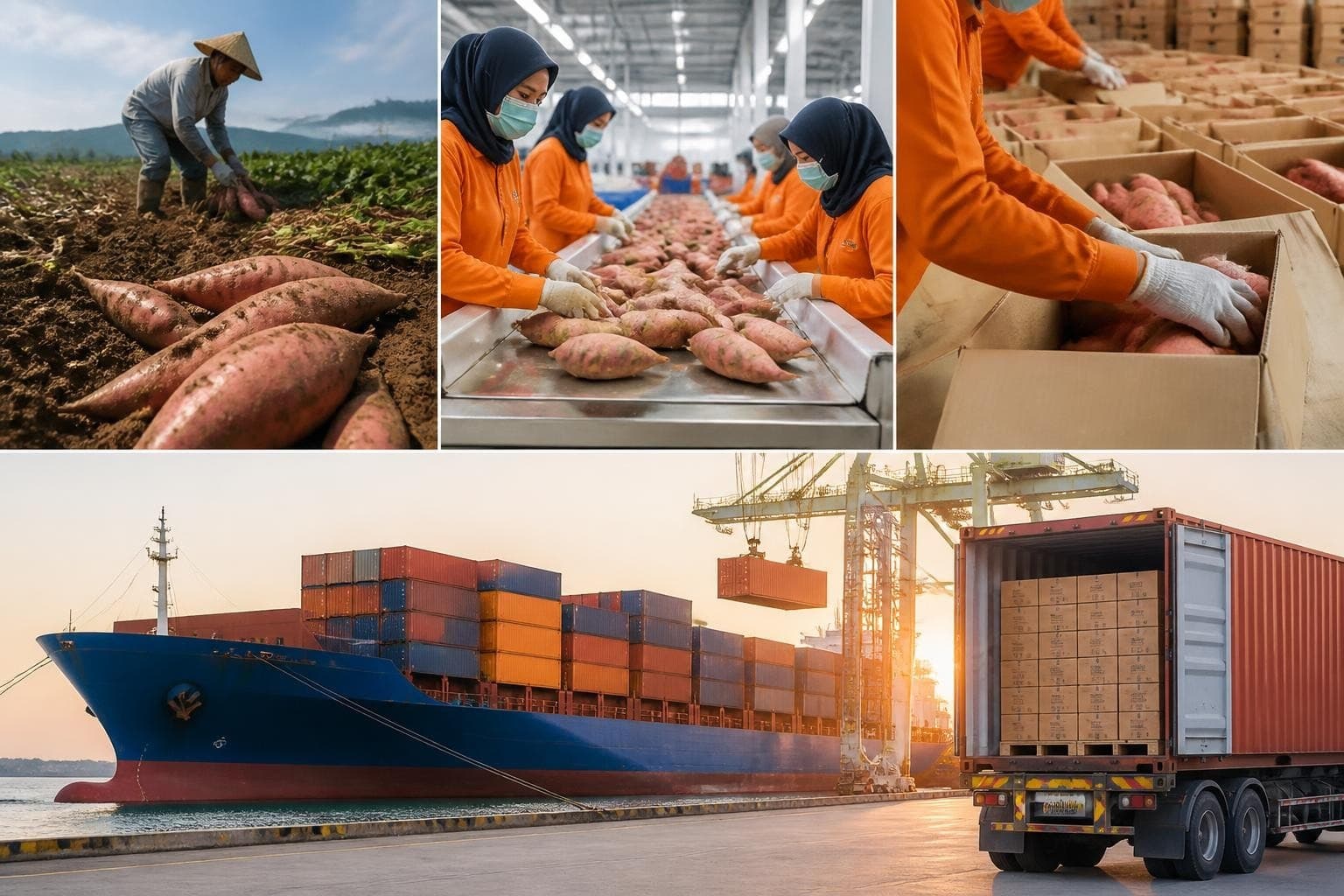
Sweet Potatoes Supplier Indonesia: Quality & Export Guide
Find reliable sweet potatoes supplier Indonesia offering premium export quality. Learn about sourcing, grading, logistics, and partnerships.
Read article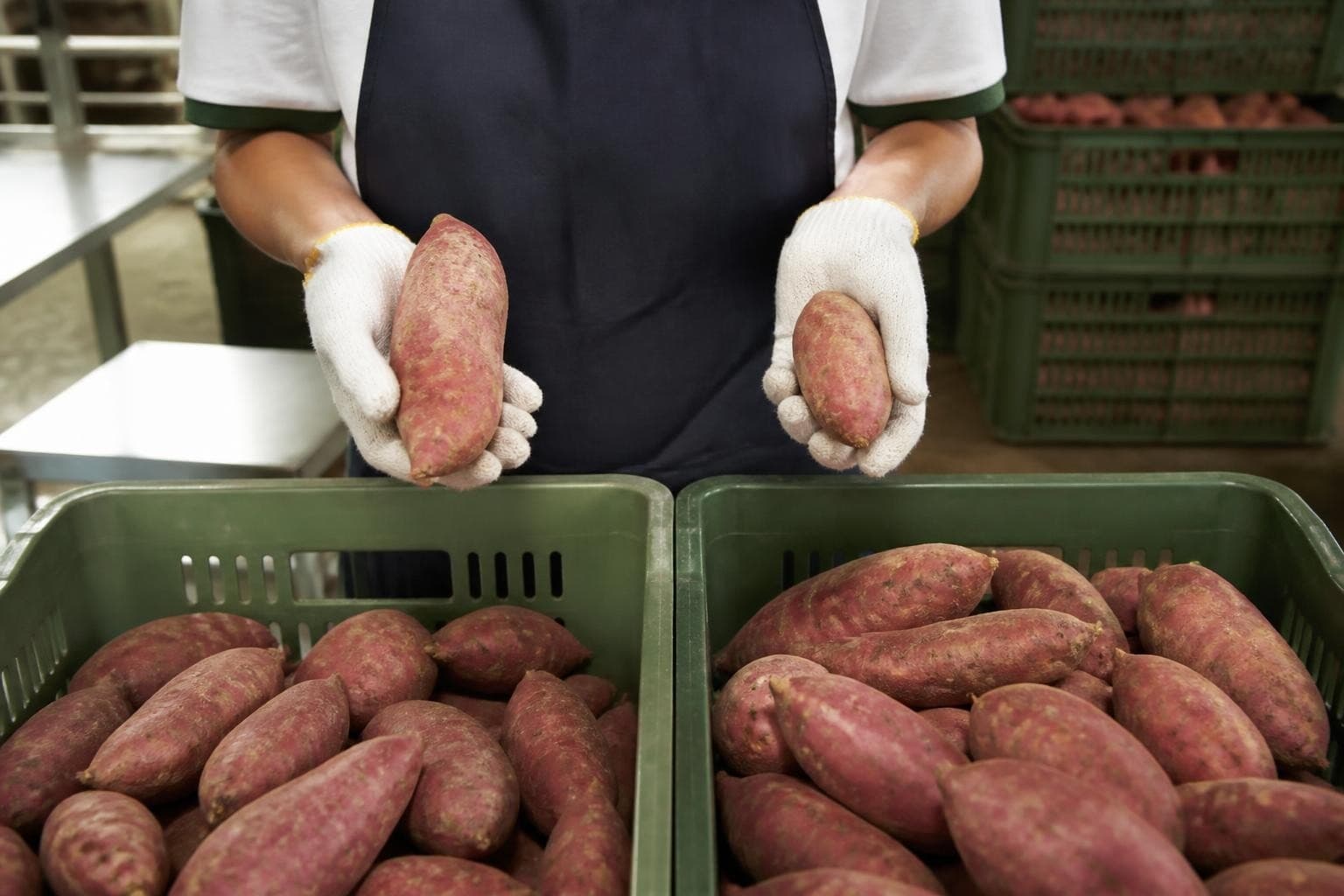
Sweet Potatoes Grading Guide for International Buyers
Comprehensive sweet potatoes grading guide for exporters and importers. Learn USDA standards, size classification, defect tolerance, and quality control.
Read article