
Fresh Sweet Potatoes Export: Complete Guide for Buyers
Expert guide to fresh sweet potatoes export: quality standards, sourcing, logistics, and what international buyers need to know in 2026.
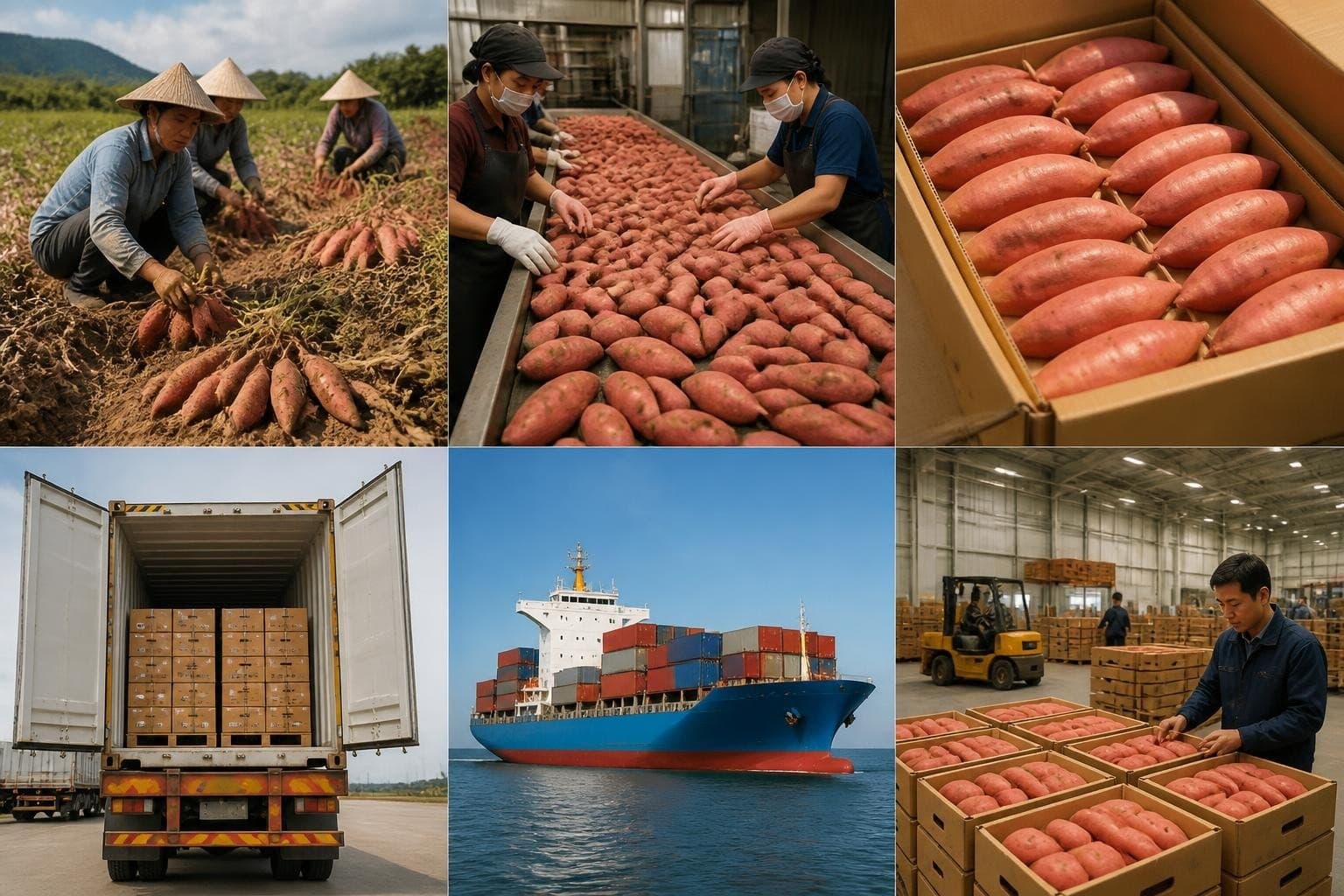
The global trade in fresh sweet potatoes has evolved into a sophisticated market where quality, consistency, and reliable supply chains determine success. For international buyers-whether you're an importer, distributor, supermarket chain, or food manufacturer-understanding the complexities of fresh sweet potatoes export is essential for securing premium products that meet your market's demands. This comprehensive guide explores the critical factors that influence export quality, the regulatory landscape, and practical strategies for establishing dependable sourcing partnerships.
Understanding Fresh Sweet Potatoes Export Market Dynamics
The international market for fresh sweet potatoes continues to expand as consumer awareness of nutritional benefits drives demand across North America, Europe, the Middle East, and Asia. Global trade volumes reflect this trend, with major producing regions competing to supply discerning buyers who prioritize consistent quality and food safety compliance.
Indonesia has emerged as a strategic origin for fresh sweet potatoes export, particularly from West Java's volcanic soils that produce varieties with distinctive flavor profiles and superior shelf life characteristics. The country's tropical climate enables multiple harvest cycles annually, providing exporters with the flexibility to maintain year-round supply commitments.
Market Segments and Buyer Requirements
Different buyer categories have distinct requirements for fresh sweet potatoes export:
- Retail importers and supermarket chains demand uniform sizing, attractive appearance, extended shelf life, and comprehensive traceability documentation
- Food manufacturers and processors prioritize consistent dry matter content, specific variety characteristics, and bulk volumes at competitive pricing
- Wholesale distributors require flexible packaging options, reliable logistics coordination, and the ability to handle mixed container loads
- Specialty food importers seek unique varieties such as purple-fleshed or Japanese-type sweet potatoes with premium positioning potential
The Vegetables and Pulses Outlook report provides valuable insights into fresh sweet potato trade volumes and price trends that inform strategic sourcing decisions.
Quality Standards and Grading Systems for Export
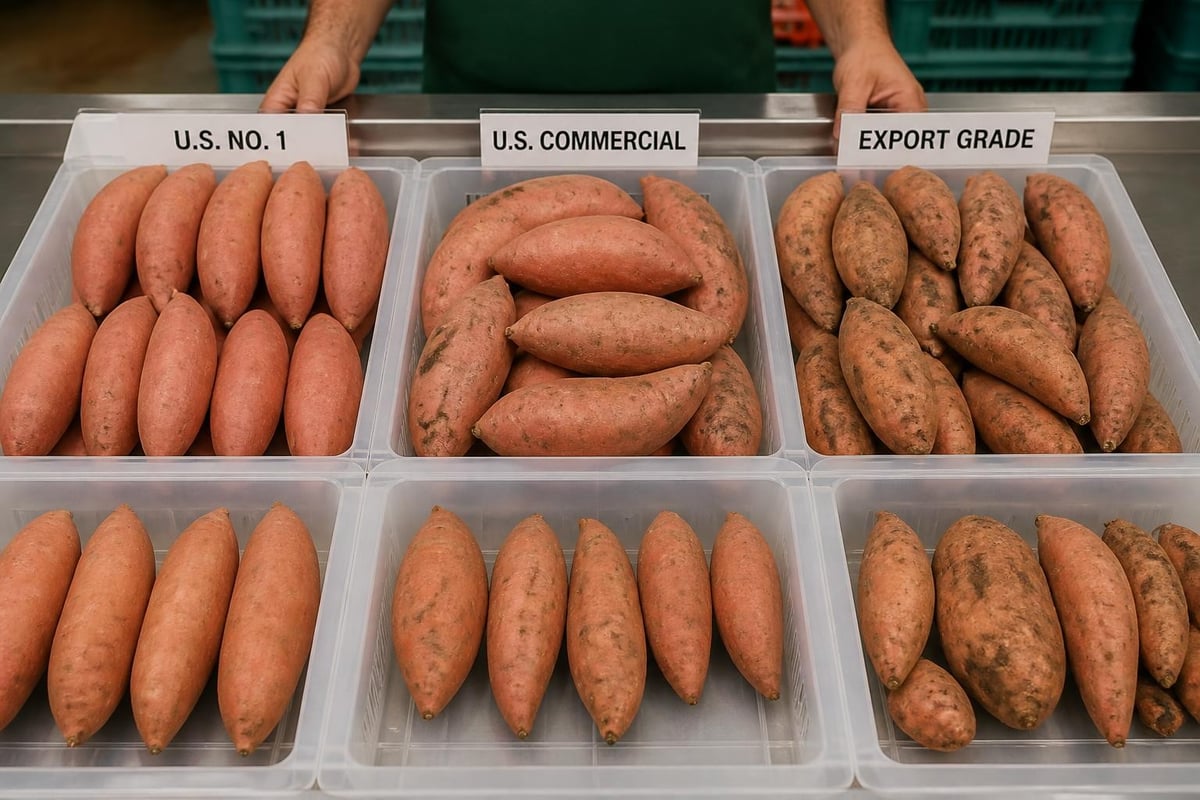
Quality grading forms the foundation of successful fresh sweet potatoes export operations. International buyers increasingly reference standardized grading systems to ensure consistent product specifications across shipments.
International Grading Frameworks
The United States Department of Agriculture maintains comprehensive standards that many international buyers adopt as benchmarks. The USDA sweet potatoes grading standards define specific tolerances for size, shape uniformity, surface defects, and internal quality parameters.
Key grading criteria include:
| Grade Parameter | U.S. No. 1 Standard | Export Considerations |
|---|---|---|
| Minimum diameter | 1.75 inches (44mm) | Most export markets specify 50-80mm range |
| Length requirements | Not specified, but well-shaped | 100-200mm typical for fresh market |
| Defect tolerance | 10% total defects | Export buyers often specify 5% or less |
| Skin appearance | Fairly smooth, bright | Premium export requires excellent skin quality |
Indonesian exporters working with partner farms in West Java have developed quality protocols that align with these international standards while accommodating the unique characteristics of regional varieties. Understanding how sweet potatoes farming in Indonesia influences product quality helps buyers appreciate origin-specific advantages.
Phytosanitary Requirements and Certification
Every destination market imposes specific phytosanitary requirements for fresh sweet potatoes export. These regulations protect importing countries from agricultural pests and diseases while ensuring food safety compliance.
Canada's export certification framework, detailed by the Canadian Food Inspection Agency, exemplifies the rigorous documentation and facility approvals required for international trade. Exporters must maintain:
- Registered production sites with documented pest management programs
- Approved packing facilities meeting sanitation and traceability standards
- Phytosanitary certificates issued by the country's plant protection authority
- Laboratory testing results confirming absence of quarantine pests
Buyers should verify that their prospective suppliers maintain current certifications for target markets and can provide comprehensive documentation for each shipment.
Postharvest Handling and Cold Chain Management
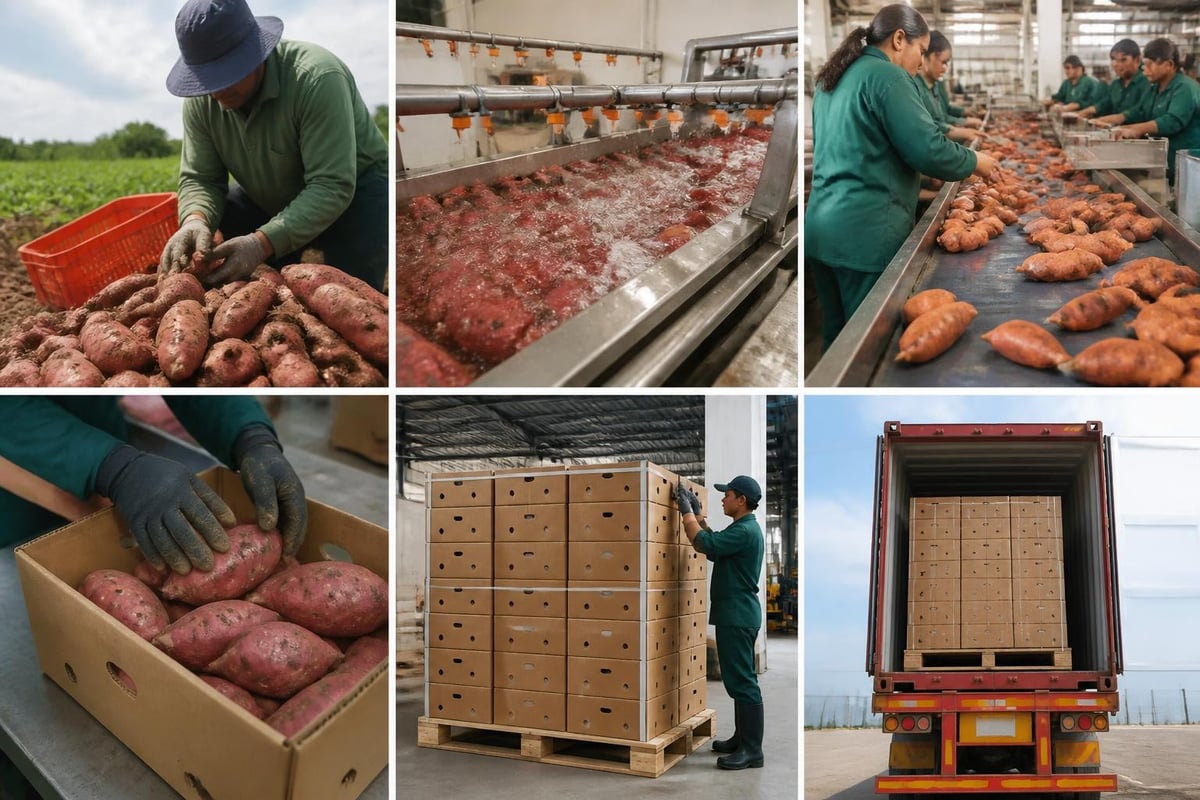
The period between harvest and containerization critically determines whether fresh sweet potatoes arrive at destination markets in premium condition. Proper postharvest handling represents a competitive differentiator in fresh sweet potatoes export.
Curing and Storage Protocols
Sweet potatoes require a curing period immediately after harvest to heal minor skin damage and develop the enzymatic processes that enhance sweetness and texture. The postharvest handling guidelines from North Carolina State University outline industry best practices:
Optimal curing conditions:
- Temperature: 29-32°C (85-90°F)
- Relative humidity: 85-90%
- Duration: 4-7 days
- Adequate ventilation to prevent condensation
Following curing, proper storage extends marketable shelf life significantly. Export-grade sweet potatoes should be stored at 13-16°C (55-60°F) with 85-90% relative humidity until containerization. This temperature range prevents chilling injury while inhibiting sprouting and weight loss.
Understanding sweet potatoes shelf life for export enables buyers to calculate landed costs more accurately and plan inventory management strategies.
Temperature Management During Transit
Maintaining consistent temperatures throughout the supply chain prevents quality deterioration during ocean freight. Fresh sweet potatoes export typically utilizes refrigerated containers set to 13-15°C, though specific varieties may have different optimal transport temperatures.
Cold chain critical control points:
- Pre-cooling facilities at packing houses to remove field heat within 24 hours of harvest
- Refrigerated storage warehouses at origin maintaining consistent temperatures
- Reefer container pre-cooling before loading to stabilize internal atmosphere
- Continuous temperature monitoring with data loggers throughout voyage
- Rapid transfer to climate-controlled distribution centers at destination
Professional exporters provide buyers with complete temperature records for each container, demonstrating compliance with agreed specifications and enabling claims resolution if quality issues arise.
Export Packaging Solutions and Container Optimization
Packaging decisions directly impact product quality, transportation efficiency, and market presentation for fresh sweet potatoes export. International buyers should understand packaging options to specify requirements that align with their distribution channels.
Standard Export Packaging Formats
| Package Type | Net Weight | Dimensions | Best Application |
|---|---|---|---|
| Corrugated cartons | 10-15 kg | 400×300×250mm | Retail distribution, mixed loads |
| Mesh bags | 18-20 kg | Variable | Wholesale markets, cost-sensitive channels |
| Waxed cartons | 18-22.7 kg | 500×300×280mm | Premium retail, extended transit |
| Bulk bins | 400-500 kg | 1200×1000×800mm | Food processing, industrial buyers |
The choice of sweet potatoes export packaging depends on buyer requirements, destination market preferences, and planned distribution methods. Retail-oriented buyers typically specify smaller cartons with ventilation features that enable direct placement on supermarket displays, while food manufacturers often opt for bulk packaging that minimizes handling costs.
Container Loading and Capacity Planning
A standard 40-foot refrigerated container accommodates approximately 24-26 metric tons of fresh sweet potatoes when properly palletized. Efficient loading maximizes payload while ensuring adequate air circulation for temperature control.
Professional exporters optimize container utilization through:
- Standardized pallet dimensions (1000×1200mm Euro pallets or 1100×1100mm Asian standards)
- Strategic placement of heavier pallets at container floor level
- Spacing requirements to enable air flow around all pallet sides
- Load securing methods that prevent shifting during ocean transit
- Documentation of exact quantities, lot numbers, and packing dates for each pallet position
Buyers should request detailed packing lists that specify pallet positions within containers, facilitating efficient unloading and inventory management at destination warehouses.
Variety Selection and Market Positioning
The diverse range of sweet potato varieties offers buyers opportunities to differentiate their product offerings and target specific consumer segments. Fresh sweet potatoes export success often depends on matching variety characteristics with destination market preferences.
Commercial Variety Categories
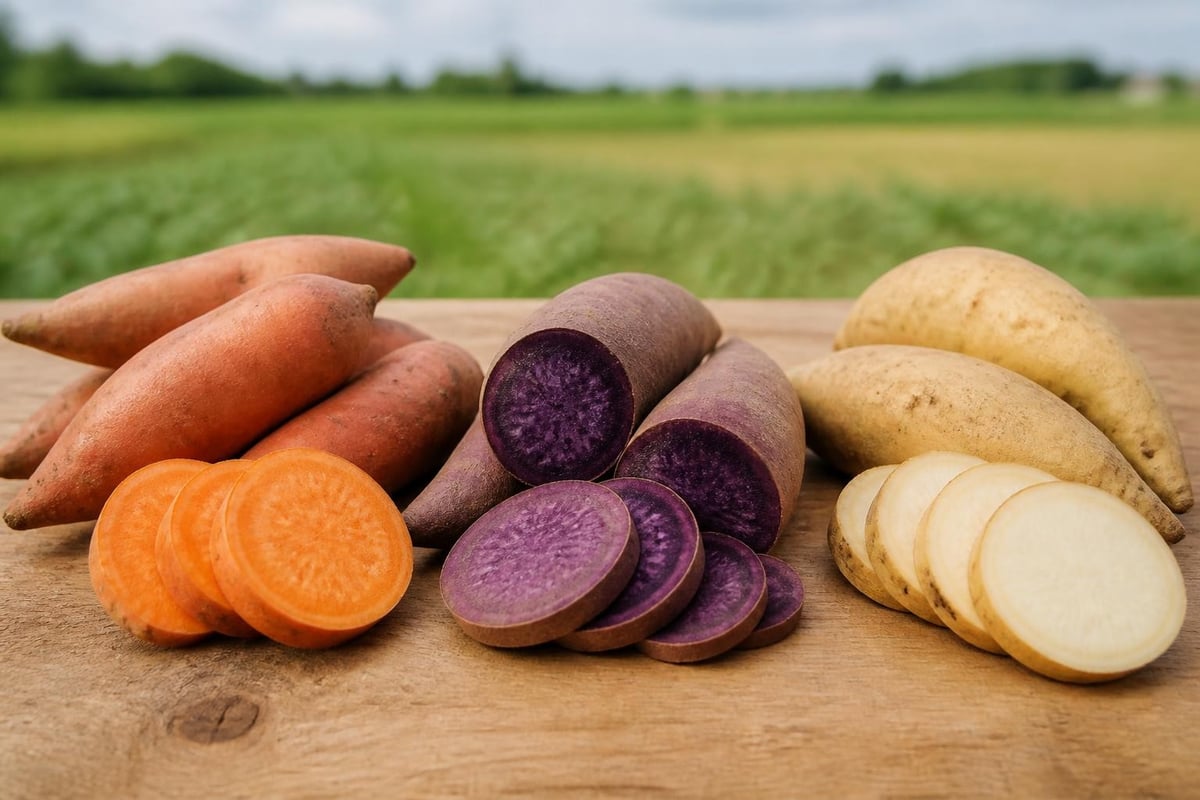
Orange-fleshed varieties dominate North American and European markets where consumers associate sweet potatoes with high beta-carotene content and naturally sweet flavor. These varieties typically feature copper-colored skin with vibrant orange flesh that intensifies during cooking.
Purple-fleshed varieties appeal to health-conscious consumers and specialty food channels. Anthocyanin compounds provide distinctive coloration and antioxidant properties that command premium pricing. Japanese-style purple varieties have gained particular traction in Asian export markets and specialty retailers worldwide.
White and cream-fleshed varieties serve markets where consumers prefer milder flavors and drier textures. These varieties often excel in savory applications and appeal to demographic groups familiar with tropical root vegetables.
Indonesian producers have successfully developed premium Indonesian sweet potatoes that combine favorable agronomic characteristics with market-desired quality attributes, creating competitive advantages in fresh sweet potatoes export.
Regulatory Compliance and Import Documentation
Navigating the regulatory requirements for fresh sweet potatoes export demands attention to detail and comprehensive understanding of destination market rules. Non-compliance can result in shipment delays, additional inspections, or complete rejection at ports of entry.
Essential Export Documentation
Every fresh sweet potatoes export shipment requires a complete documentation package:
- Commercial invoice detailing product description, quantity, unit price, total value, and payment terms
- Packing list specifying container numbers, pallet counts, net and gross weights, and package markings
- Phytosanitary certificate issued by the exporting country's plant protection authority
- Certificate of origin confirming the country where products were grown and packed
- Bill of lading serving as receipt, contract of carriage, and document of title
- Quality inspection certificates from independent third-party laboratories when required
- HALAL or organic certifications if applicable to the buyer's market requirements
The Federal Register pest risk analysis demonstrates how importing countries evaluate phytosanitary risks and establish entry requirements that exporters must address through proper certification and treatment protocols.
Customs Classification and Tariff Considerations
Fresh sweet potatoes typically fall under Harmonized System (HS) code 071420 ("Sweet potatoes, fresh or dried"). However, buyers should verify specific classifications with customs authorities in their countries, as tariff rates, quotas, and preferential trade agreements vary significantly.
The World Bank trade statistics provide valuable insights into global trade flows, helping buyers understand competitive dynamics and benchmark import values against current market rates.
Buyers should work with experienced customs brokers who understand fresh sweet potatoes import requirements and can expedite clearance while ensuring full regulatory compliance.
Supply Chain Risk Management and Quality Assurance
Establishing reliable fresh sweet potatoes export partnerships requires robust risk management strategies that protect buyers from supply disruptions, quality variations, and financial losses.
Supplier Evaluation Criteria
Professional buyers assess potential export partners across multiple dimensions:
Production capacity and scale:
- Total hectares under cultivation with partner farms
- Average weekly/monthly production volumes during peak seasons
- Ability to fulfill minimum order quantities consistently
- Geographic diversification across multiple growing regions
Quality management systems:
- Implementation of Good Agricultural Practices (GAP) at farm level
- Packing facility certifications (HACCP, GMP, ISO standards)
- Internal quality control procedures and testing protocols
- Traceability systems linking final products back to specific farm lots
Export experience and track record:
- Years operating in fresh sweet potatoes export
- Current client references from similar buyer categories
- Container volume shipped annually to target markets
- Demonstrated ability to resolve quality disputes professionally
Buyers benefit from understanding how to import sweet potatoes from the complete supply chain perspective, enabling more informed supplier selection decisions.
Pre-shipment Inspection and Quality Verification
Many professional buyers implement pre-shipment inspection (PSI) programs to verify quality before containers depart from origin. Independent third-party inspection companies can conduct on-site verification at packing facilities, checking:
- Compliance with agreed specifications for size, grade, and variety
- Package weights, labeling accuracy, and pallet configurations
- Cold chain maintenance and temperature records
- Documentation completeness and accuracy
- Container cleanliness and proper pre-cooling
The relatively modest cost of PSI services (typically $300-500 per container) provides substantial risk mitigation for buyers managing fresh sweet potatoes import programs.
Pricing Mechanisms and Payment Terms
Transparent pricing structures and mutually acceptable payment terms form the foundation of sustainable fresh sweet potatoes export relationships. Market conditions, seasonal availability, and quality specifications all influence pricing dynamics.
Price Determination Factors
Fresh sweet potatoes export pricing reflects multiple cost components and market variables:
| Cost Component | Typical Range (per kg FOB) | Influencing Factors |
|---|---|---|
| Farm gate price | $0.30-0.50 | Variety, season, production region |
| Processing and packing | $0.15-0.25 | Package type, quality grade, labor costs |
| Domestic logistics | $0.05-0.10 | Distance from farm to port |
| Export documentation | $0.02-0.05 | Certifications required, inspection fees |
| Exporter margin | $0.08-0.15 | Service level, risk assumption |
| Total FOB price | $0.60-1.05 | Aggregate of above components |
Buyers should recognize that unusually low prices often indicate compromises in quality, cold chain management, or documentation reliability. Professional exporters provide transparent cost breakdowns that demonstrate value delivery rather than competing solely on price.
Common Payment Structures
Fresh sweet potatoes export transactions typically employ payment methods that balance risk for both parties:
Letter of Credit (L/C): Provides security for exporters while ensuring buyers receive conforming documentation. Sight L/Cs or 30-60 day usance L/Cs are most common for new trading relationships.
Documentary Collection (D/P or D/A): Lower bank fees than L/Cs but requires greater trust between parties. Documents released against payment or acceptance of time drafts.
Telegraphic Transfer (T/T): Direct bank transfers with typical terms of 30% deposit and 70% against copy of shipping documents. More common after established trading relationships demonstrate mutual reliability.
Buyers should consult with trade finance specialists to structure payment terms that protect their interests while enabling suppliers to maintain working capital for production cycles.
Building Strategic Supplier Partnerships
Long-term success in fresh sweet potatoes import depends on developing strategic partnerships with exporters who function as extensions of your supply chain rather than transactional vendors.
Relationship Development Strategies
Initial qualification phase: Begin with small trial shipments (1-2 containers) to evaluate quality consistency, documentation accuracy, and communication responsiveness. Experienced exporters welcome these trials as opportunities to demonstrate capabilities.
Gradual volume increases: Scale order quantities progressively as confidence builds. This approach enables buyers to expand market presence while suppliers invest in capacity enhancements aligned with your growth trajectory.
Collaborative planning: Share demand forecasts, seasonal requirements, and market feedback with your export partner. Professional suppliers use this information to optimize production planning and harvest scheduling.
Joint quality improvement: Work together to refine specifications, packaging innovations, and quality protocols that differentiate your products in competitive markets. The best exporter relationships evolve into collaborative partnerships rather than rigid buyer-supplier dynamics.
Finding the best sweet potatoes supplier in Asia requires evaluating not just current capabilities but potential for long-term partnership development.
Communication and Problem Resolution
Effective communication protocols prevent misunderstandings and facilitate rapid resolution when issues arise:
- Establish primary and backup contact persons for both commercial and technical matters
- Agree on response time expectations for routine inquiries versus urgent situations
- Implement regular video calls during harvest and packing periods to maintain alignment
- Document all specification changes, pricing adjustments, and quality claims in writing
- Address problems constructively with focus on solutions rather than blame assignment
Professional exporters maintain transparent communication even when delivering unfavorable news about crop conditions, shipping delays, or quality challenges. This honesty enables buyers to manage their own customers proactively rather than discovering problems upon container arrival.
Sustainability and Ethical Sourcing Considerations
Contemporary buyers increasingly evaluate fresh sweet potatoes export suppliers based on environmental sustainability and social responsibility practices. These considerations influence brand reputation, regulatory compliance, and consumer acceptance in many markets.
Environmental Standards
Progressive exporters implement practices that minimize environmental impact:
- Water management: Efficient irrigation systems and watershed protection in farming areas
- Soil conservation: Cover cropping, contour farming, and organic matter management to prevent erosion
- Integrated pest management: Reducing chemical inputs through biological controls and cultural practices
- Packaging sustainability: Using recyclable materials and optimizing package designs to minimize waste
- Carbon footprint tracking: Measuring and reporting greenhouse gas emissions across the supply chain
Buyers serving markets with strong environmental consciousness should request documentation of supplier sustainability initiatives and independently verify claims through facility visits or third-party audits.
Social Responsibility and Labor Practices
Ethical fresh sweet potatoes export operations ensure fair treatment of farm workers and packing facility employees. Key indicators include:
- Compliance with local labor laws regarding wages, working hours, and safety standards
- No child labor and no forced labor throughout the supply chain
- Safe working conditions with proper protective equipment and training
- Fair compensation that meets or exceeds regional living wage standards
- Opportunities for worker advancement and skill development
Buyers committed to ethical sourcing should request social compliance audits from recognized certification bodies and establish contractual requirements for labor standards adherence.
Technology Integration and Traceability Systems
Modern fresh sweet potatoes export operations increasingly leverage technology to enhance quality control, strengthen traceability, and improve supply chain visibility for buyers.
Digital Traceability Solutions
Advanced exporters implement systems that track products from individual farm plots through final container loading:
Farm-level tracking:
- GPS coordinates and plot identification for each growing area
- Digital records of planting dates, input applications, and harvest timing
- Weather data integration to correlate environmental conditions with quality outcomes
Packing facility systems:
- Lot coding that links packaged products to specific harvest dates and farm origins
- Automated weight verification and count accuracy checking
- Digital quality inspection records with photographic documentation
- Real-time inventory management showing available stock by variety and grade
Shipment monitoring:
- IoT temperature sensors providing continuous cold chain monitoring
- Container location tracking throughout ocean transit
- Automated alerts when temperature or humidity parameters deviate from specifications
- Cloud-based platforms enabling buyer access to shipment status and documentation
This technological infrastructure supports rapid response to food safety incidents and provides the transparency that modern retailers and food manufacturers require from their supply chains.
Successful fresh sweet potatoes export relationships combine quality excellence, regulatory compliance, transparent communication, and mutual commitment to continuous improvement. International buyers who understand these complexities can build supply chains that deliver consistent value while mitigating risks inherent in agricultural trade. PT Cakra Baja Niaga partners directly with West Java farms to provide importers, distributors, and retailers with premium Indonesian sweet potatoes backed by comprehensive quality systems and dependable export capabilities. Contact our team today to discuss your specific requirements, request product samples, or obtain detailed quotations for your next container order.
Looking to source premium Indonesian sweet potatoes?
PT Cakra Baja Niaga supplies export-grade Cilembu, Purple, and Murasaki varieties to buyers worldwide.
Continue reading
Wholesale Sweet Potatoes Indonesia: B2B Export Guide 2026
Source premium wholesale sweet potatoes Indonesia for import. Quality standards, export logistics, varieties, pricing & supplier partnerships.
Read article
Sweet Potatoes Supplier Indonesia: Quality & Export Guide
Find reliable sweet potatoes supplier Indonesia offering premium export quality. Learn about sourcing, grading, logistics, and partnerships.
Read article
Sweet Potatoes Grading Guide for International Buyers
Comprehensive sweet potatoes grading guide for exporters and importers. Learn USDA standards, size classification, defect tolerance, and quality control.
Read article