
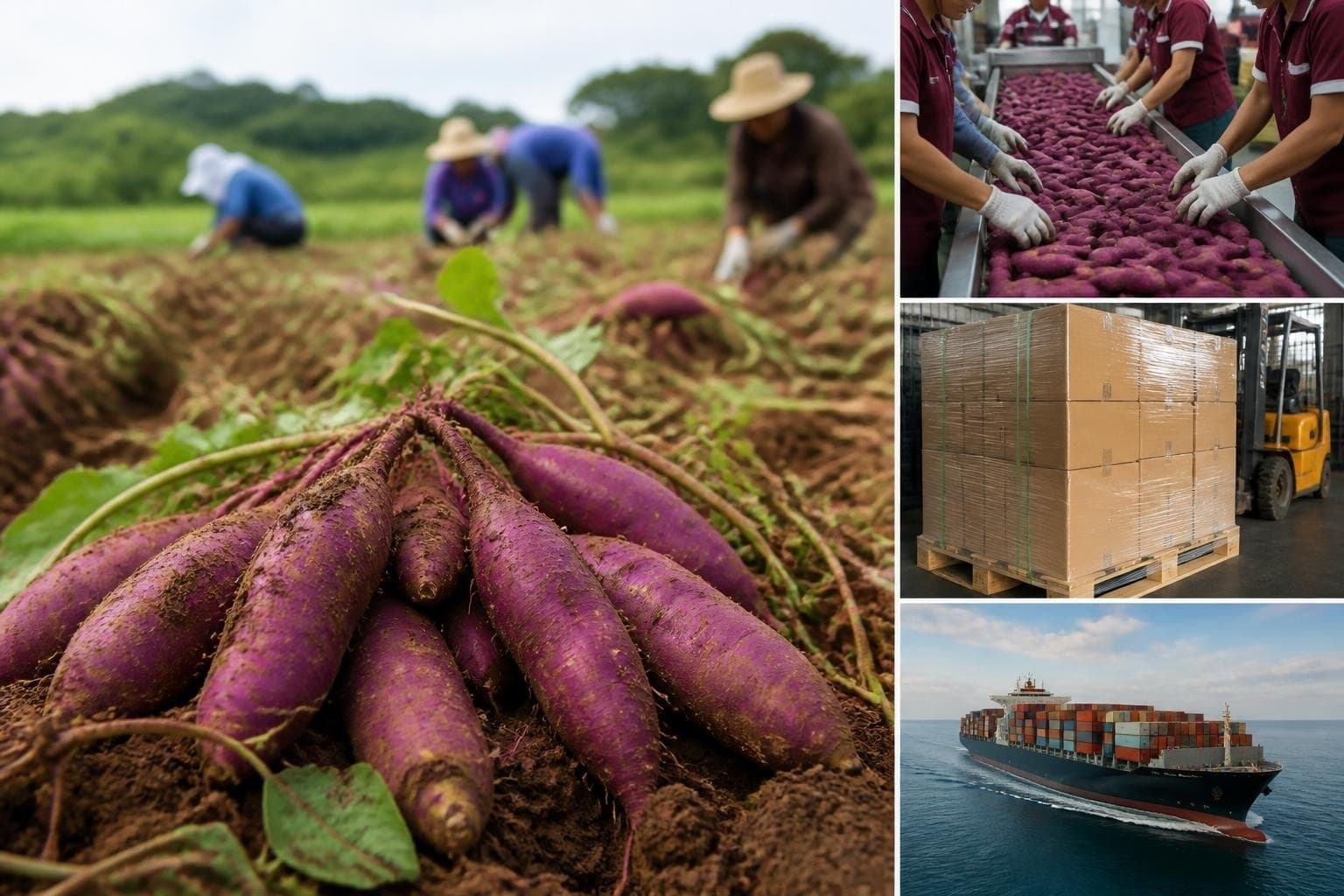
Purple Sweet Potatoes Supplier: Quality & Sourcing Guide
Find a reliable purple sweet potatoes supplier. Expert insights on varieties, quality assessment, export logistics, and sourcing premium purple sweet potatoes internationally.
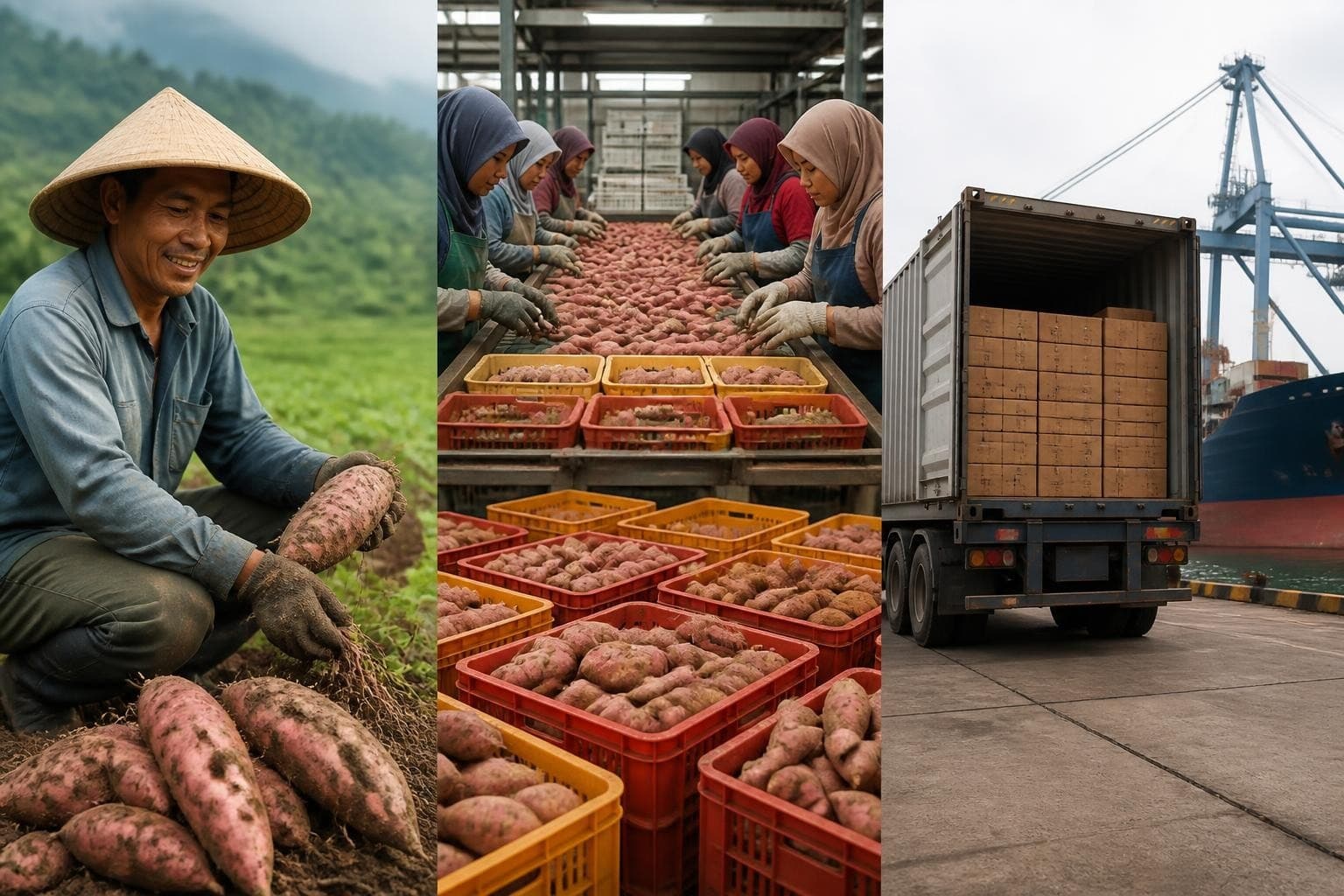
The growing demand for purple sweet potatoes in international markets reflects evolving consumer preferences toward nutrient-dense, visually distinctive produce. Whether you operate a supermarket chain, manage food manufacturing operations, or distribute fresh produce across borders, identifying a dependable purple sweet potatoes supplier who can deliver consistent quality and volume represents a critical procurement decision. This comprehensive guide examines the key factors that separate exceptional suppliers from average vendors, helping you establish partnerships built on transparency, quality assurance, and reliable logistics.
Understanding Purple Sweet Potato Varieties and Market Positioning
Purple sweet potatoes encompass several distinct varieties, each with unique characteristics that affect their commercial applications and consumer appeal. The most common commercial varieties include Stokes Purple from the United States, Okinawan sweet potato from Japan, and regional cultivars grown throughout Southeast Asia.
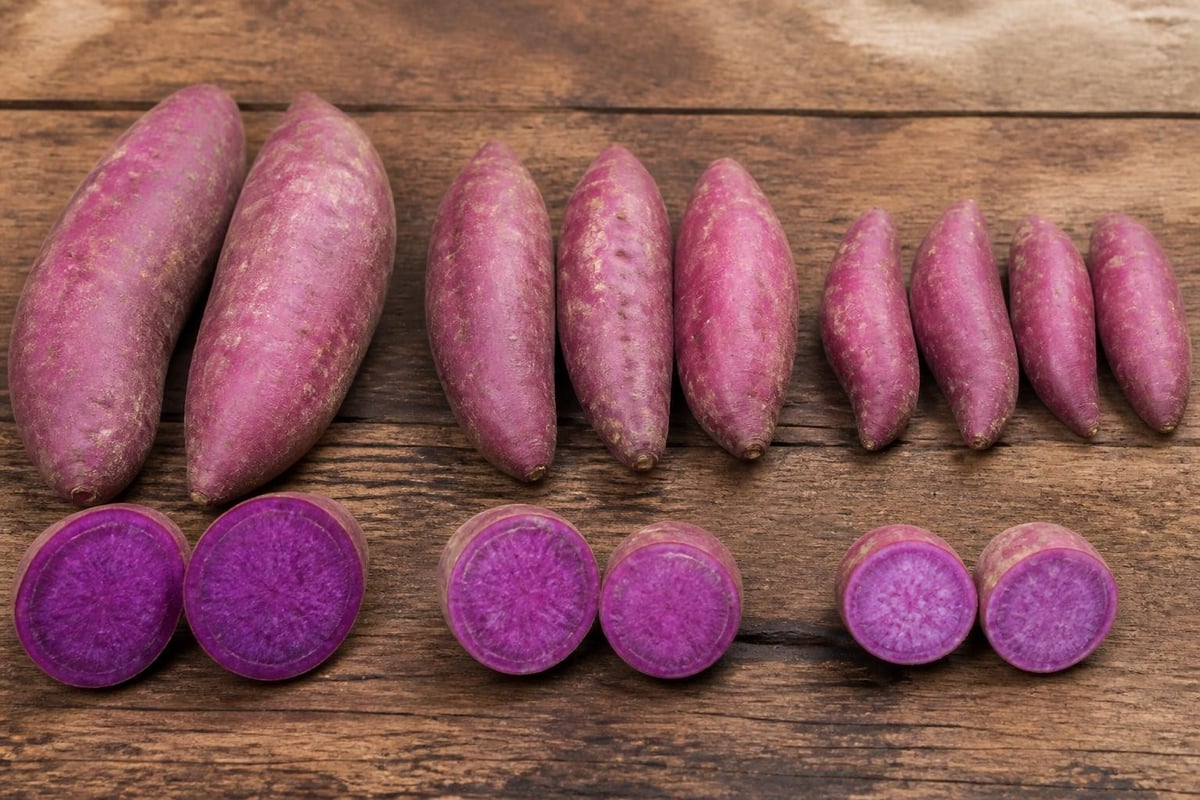
Color intensity serves as a primary differentiator among varieties. The concentration of anthocyanins, the pigments responsible for the purple coloration, varies significantly across cultivars. Some varieties feature deep purple flesh throughout, while others display gradient coloring or purple skin with lighter interior flesh. Understanding these distinctions helps buyers match varieties to specific market demands, whether for retail fresh produce displays or food manufacturing applications.
Nutritional Profile and Commercial Applications
Research demonstrates that purple-fleshed sweet potatoes contain substantial phytochemical compounds including anthocyanins, phenolic acids, and carotenoids that contribute to their antioxidant properties. These characteristics position purple sweet potatoes advantageously for health-focused retail segments and functional food development.
Common commercial applications include:
- Fresh retail sales: Whole roots marketed in premium produce sections
- Food service: Restaurant and catering operations seeking distinctive ingredients
- Processing: Purees, powders, chips, and frozen products
- Natural colorants: Food manufacturers utilizing anthocyanin extracts
- Specialty baking: Products leveraging natural purple coloration
Each application requires different quality parameters and postharvest handling protocols from your purple sweet potatoes supplier.
Quality Assessment Criteria for Purple Sweet Potato Sourcing
Establishing clear quality standards before engaging a purple sweet potatoes supplier prevents misunderstandings and ensures product consistency across shipments. Quality assessment begins with visual inspection but extends to measurable parameters that affect shelf life, consumer acceptance, and processing suitability.
Size grading follows international standards adapted from major export markets. Typical commercial grades categorize roots by diameter and length, with premium grades ranging from 150-350 grams per root. Uniform sizing simplifies packaging, pricing, and retail display while reducing sorting costs at destination.
| Quality Parameter | Premium Grade | Standard Grade | Processing Grade |
|---|---|---|---|
| Root diameter | 60-90 mm | 50-100 mm | 40-120 mm |
| Root length | 100-200 mm | 80-220 mm | No restriction |
| Skin defects | < 5% surface | < 10% surface | < 20% surface |
| Color uniformity | Deep, consistent | Moderate variation | No requirement |
| Anthocyanin content | > 100 mg/100g | > 60 mg/100g | > 30 mg/100g |
Physical Damage and Storage Impact
Physical damage assessment requires examination of skin integrity, bruising, sprouting, and internal defects. A professional purple sweet potatoes supplier implements careful harvesting and handling protocols that minimize mechanical damage, which accelerates deterioration during storage and transit.
Studies on postharvest handling of starchy tropical crops demonstrate that proper curing significantly extends storage life. Curing involves holding freshly harvested sweet potatoes at 28-30°C with 85-90% relative humidity for 5-7 days, allowing surface wounds to heal and reducing susceptibility to decay pathogens.
Export Standards and Certification Requirements
International buyers should verify that their purple sweet potatoes supplier maintains compliance with destination market regulations. Export standards vary by country but generally address food safety, pesticide residues, phytosanitary requirements, and traceability protocols.
Food Safety Management Systems
Reputable suppliers implement systematic food safety controls throughout production and handling:
- GAP certification: Good Agricultural Practices for farm-level quality control
- GMP compliance: Good Manufacturing Practices for packinghouse operations
- HACCP protocols: Hazard Analysis and Critical Control Points for food safety
- Third-party audits: Independent verification of quality systems
- Traceability systems: Lot tracking from farm to export container
These certifications provide buyers with confidence that product safety receives consistent attention throughout the supply chain. When evaluating a potential supplier in Asia, request documentation of current certifications and recent audit results.
Pesticide Residue and Maximum Residue Limits
Maximum Residue Limits (MRLs) for agricultural chemicals vary across markets, with the European Union, Japan, and certain Middle Eastern countries maintaining particularly strict standards. Your purple sweet potatoes supplier should conduct regular residue testing and maintain protocols ensuring compliance with the most stringent destination requirements.
Indonesia's sweet potato production benefits from relatively low pest pressure in certain growing regions, particularly in West Java's highland areas, potentially reducing chemical input requirements. Understanding your supplier's integrated pest management approach helps assess their capacity to meet strict residue requirements.
Sourcing Regions and Seasonal Production Patterns
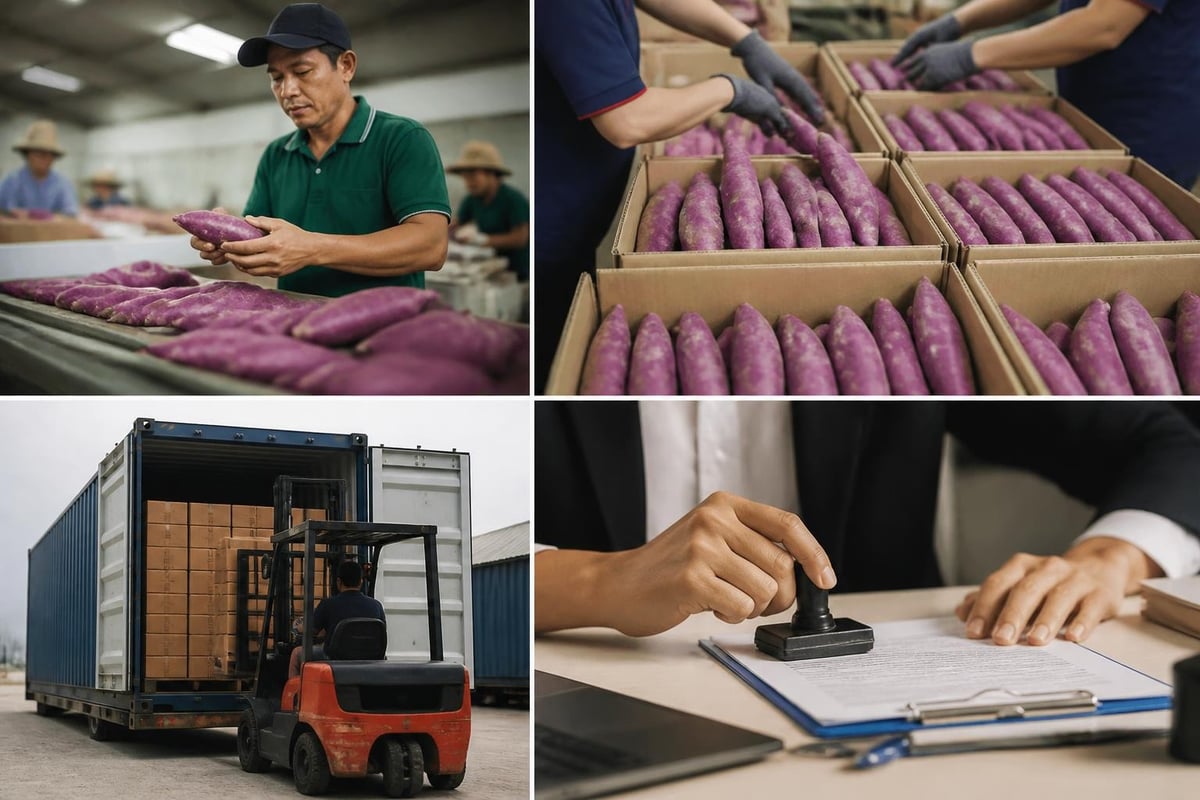
Geographic origin significantly influences the quality characteristics, availability windows, and cost structure of purple sweet potatoes. Major producing regions include Indonesia, Japan, China, the Philippines, and the United States, with each offering distinct advantages.
Indonesian Production Advantages
Indonesia's tropical climate enables year-round sweet potato cultivation across multiple growing regions. West Java, particularly the Garut and Cianjur districts, produces premium varieties including the renowned Cilembu sweet potato, which features naturally high sugar content and distinctive eating quality.
Production advantages in Indonesia include:
- Year-round availability: Minimal seasonal gaps in supply
- Labor cost competitiveness: Favorable economics for manual grading and packing
- Growing expertise: Generational farming knowledge in key production areas
- Export infrastructure: Established cold chain and logistics from Jakarta ports
- Varietal diversity: Both local cultivars and introduced varieties adapted to local conditions
According to global sweet potato production data, Indonesia ranks among the top ten producers worldwide, with increasing focus on export-oriented production that meets international quality standards.
Packaging, Storage, and Logistics Considerations
Proper packaging protects product integrity during international transit while facilitating handling efficiency and market presentation. A professional purple sweet potatoes supplier offers packaging options tailored to buyer requirements and destination market preferences.
Export Packaging Standards
Standard export packaging configurations include:
- Corrugated cartons: 5-20 kg capacity with ventilation holes
- Plastic crates: Reusable containers for premium markets
- Net bags: Economical option for processing-grade shipments
- Consumer-ready packs: Pre-portioned packages for retail programs
Packaging materials must balance protection against mechanical damage with adequate ventilation to prevent moisture accumulation. Export packaging specifications should account for stacking strength, pallet compatibility, and refrigerated container requirements.
| Packaging Type | Typical Weight | Pallet Configuration | Best Application |
|---|---|---|---|
| Mesh bag | 10 kg | 100 bags/pallet | Processing buyers |
| Carton box | 10 kg | 120 boxes/pallet | Fresh retail |
| Premium carton | 5 kg | 200 boxes/pallet | High-end markets |
| Plastic crate | 15 kg | 80 crates/pallet | Reusable programs |
Cold Chain Management
Purple sweet potatoes require careful temperature management to maintain quality during storage and shipping. Unlike some tropical produce, sweet potatoes are sensitive to chilling injury when stored below 13°C, developing hard cores and off-flavors. Optimal storage conditions maintain 13-16°C with 85-90% relative humidity.
A competent purple sweet potatoes supplier coordinates with freight forwarders to ensure container temperature settings prevent both chilling injury and accelerated deterioration. Understanding these nuances differentiates suppliers with genuine export expertise from those lacking postharvest knowledge.
Pricing Structure and Contract Terms
Purple sweet potato pricing reflects multiple variables including variety, grade, volume, packaging specifications, and delivery terms. International buyers should understand the components of landed cost to evaluate supplier competitiveness accurately.
Price Determinants and Market Dynamics
Market prices fluctuate based on seasonal supply patterns, currency exchange rates, freight costs, and demand trends in major consuming markets. USDA market outlook data provides valuable context for understanding price trends and export market dynamics, though specific purple variety pricing may command premiums above conventional orange-fleshed types.
Typical pricing structures include:
- FOB pricing: Free On Board at export port, excluding international freight
- CIF pricing: Cost, Insurance, and Freight to destination port
- DDP pricing: Delivered Duty Paid to buyer's warehouse (less common for produce)
Volume commitments significantly affect unit pricing. A bulk sweet potatoes supplier offers more competitive rates for container-load quantities compared to partial shipments requiring consolidation.
Payment Terms and Financial Risk Management
Standard international trade payment terms balance buyer and supplier interests. Common arrangements include:
- Letter of Credit (L/C): Bank-guaranteed payment upon document presentation
- Cash Against Documents (CAD): Payment upon receiving shipping documents
- Open account: Payment within agreed terms post-delivery (established relationships)
- Partial deposit: Advance payment with balance upon shipment or delivery
First-time buyers often begin with L/C terms to minimize financial risk, transitioning to more flexible arrangements as trust develops. Your purple sweet potatoes supplier should accommodate reasonable payment structures while maintaining adequate working capital to sustain operations.
Supplier Evaluation and Partnership Development
Selecting a purple sweet potatoes supplier requires systematic evaluation beyond initial price quotes. Long-term success depends on the supplier's operational capabilities, quality consistency, communication effectiveness, and commitment to partnership development.
Due Diligence and Capability Assessment
Comprehensive supplier evaluation examines:
Production capacity: Verify the supplier's access to sufficient production volume through owned farms or reliable farm partnerships. Suppliers working directly with growers in established production regions like West Java's sweet potato farming areas often provide more stable supply than pure brokers.
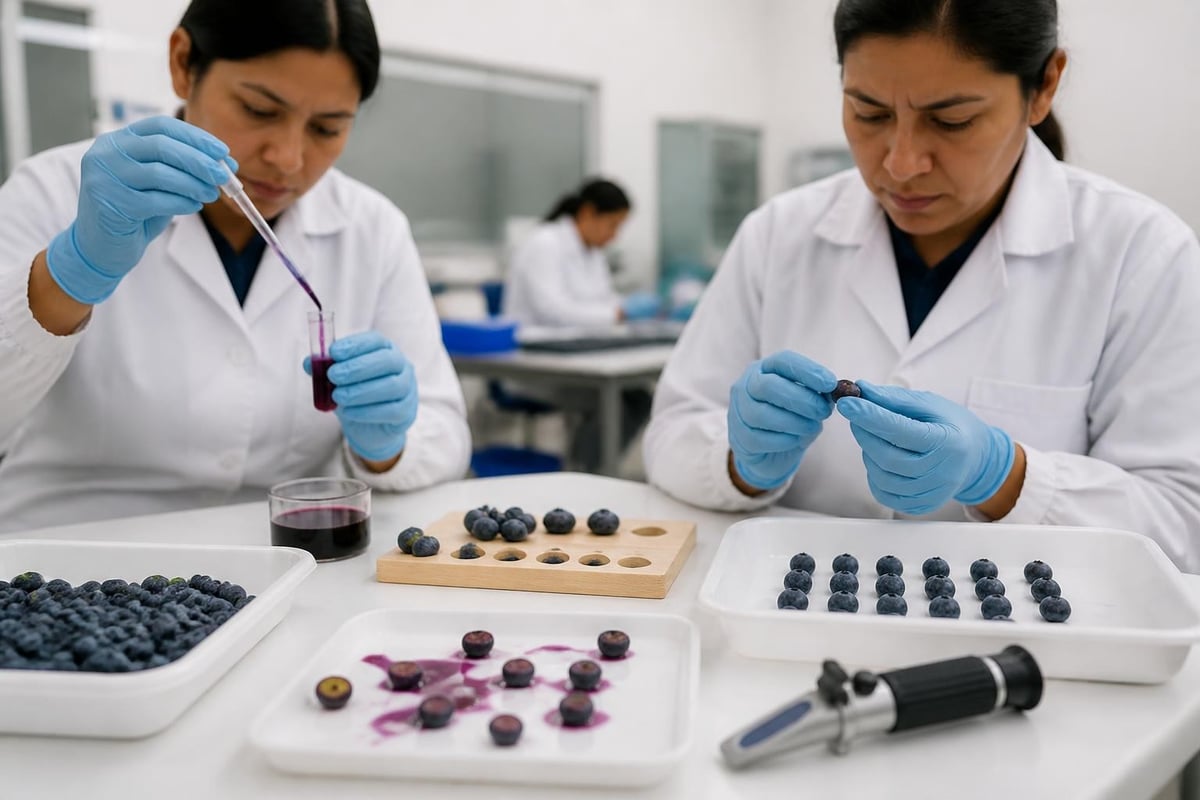
Quality infrastructure: Inspect packinghouse facilities, cold storage capacity, sorting equipment, and quality control laboratories. Modern facilities indicate investment in quality systems and export readiness.
Export experience: Review the supplier's history serving international markets, particularly destinations with stringent import requirements. Experienced exporters understand import requirements and documentation procedures.
Communication capability: Assess responsiveness, language proficiency, and willingness to provide detailed specifications, certifications, and progress updates.
Sample Evaluation and Trial Shipments
Before committing to large orders, request representative samples that demonstrate the quality your purple sweet potatoes supplier can deliver consistently. Samples should reflect actual export-grade product, not specially selected premium roots that misrepresent typical quality.
Trial shipment arrangements allow both parties to validate:
- Product quality upon arrival after international transit
- Packaging adequacy and handling resilience
- Documentation accuracy and completeness
- Communication during shipment tracking
- Problem-resolution approaches if issues arise
Successful trial shipments establish confidence for scaling to regular commercial volumes.
Quality Monitoring and Continuous Improvement
Establishing quality expectations at contract initiation represents only the beginning of supplier relationship management. Ongoing monitoring ensures consistent performance and identifies improvement opportunities benefiting both parties.
Analytical Methods and Quality Verification
Scientific analysis complements visual inspection for purple sweet potato quality assessment. Phytonutritional composition studies demonstrate analytical methods applicable to variety characterization and quality verification, including:
- Anthocyanin quantification: HPLC analysis of pigment content
- Brix measurement: Refractometer testing of soluble solids
- Moisture content: Drying analysis for processing applications
- Texture analysis: Penetrometer or compression testing
- Microbiological testing: Pathogen screening for food safety
Suppliers investing in analytical capabilities demonstrate commitment to objective quality standards rather than subjective assessments alone.
Performance Metrics and Feedback Systems
Establishing clear performance metrics enables objective supplier evaluation. Relevant metrics include:
- Order fulfillment rate: Percentage of orders shipped complete and on-time
- Quality compliance: Percentage of shipments meeting agreed specifications
- Documentation accuracy: Error rates in certificates and commercial documents
- Responsiveness: Average time to respond to inquiries and resolve issues
- Continuous improvement: Evidence of quality enhancements over time
Regular performance reviews with your purple sweet potatoes supplier foster collaborative problem-solving and alignment of quality expectations. Constructive feedback helps suppliers understand market requirements and adjust practices accordingly.
Risk Management and Supply Chain Resilience
International produce sourcing involves inherent risks including crop failures, logistics disruptions, quality variations, and market volatility. Effective risk management strategies protect buyer operations from supply interruptions and quality failures.
Diversification and Contingency Planning
Prudent buyers often maintain relationships with multiple suppliers across different geographic regions, though primary volume typically flows through the most reliable partner. This approach provides contingency options if production problems or logistics challenges affect your main purple sweet potatoes supplier.
Seasonal planning anticipates harvest timing and quality variations across production cycles. Indonesia's year-round production capability offers advantages over regions with distinct seasonal windows, reducing the need for multiple regional sources.
Weather risk affects all agricultural production. Suppliers with diversified farm networks across multiple microclimates demonstrate greater resilience against localized weather events than those dependent on single production areas.
Quality Guarantee and Dispute Resolution
Clear contractual terms regarding quality standards, inspection procedures, and dispute resolution mechanisms prevent disagreements from disrupting business relationships. Professional suppliers provide:
- Pre-shipment inspection: Third-party verification available upon request
- Quality guarantees: Clear statements of acceptable defect tolerances
- Claim procedures: Defined processes for addressing quality issues
- Resolution mechanisms: Arbitration or mediation provisions for disputes
Understanding these terms before problems arise facilitates faster resolution if quality issues occur.
Market Trends and Future Outlook
Purple sweet potato demand continues expanding across retail, food service, and processing sectors. Understanding market trends helps buyers and suppliers align strategies for mutual growth.
Consumer Demand Drivers
Several factors fuel purple sweet potato popularity:
Health consciousness: Growing consumer awareness of anthocyanin benefits and functional foods drives premium pricing tolerance for purple varieties compared to conventional types.
Visual appeal: Social media influence amplifies demand for photogenic foods, with purple sweet potatoes' distinctive color attracting consumer attention.
Culinary innovation: Chefs and food manufacturers utilize purple sweet potatoes for both their flavor profile and natural coloring properties, creating differentiated products.
Plant-based trends: Sweet potatoes generally, including purple varieties, align with plant-forward dietary patterns gaining market share globally.
These trends suggest sustained growth opportunities for buyers and suppliers focusing on purple sweet potato categories.
Processing and Value-Added Opportunities
Beyond fresh market sales, purple sweet potatoes offer processing opportunities that create additional value streams:
- Frozen products: Diced, pureed, or par-cooked products for food service
- Dehydrated products: Chips, powder, and flakes for retail and ingredients
- Natural colorants: Anthocyanin extracts for food and beverage applications
- Ready-to-eat products: Convenience items leveraging unique characteristics
Suppliers capable of supporting both fresh and processed applications provide buyers with greater flexibility in product development.
Selecting the right purple sweet potatoes supplier fundamentally impacts your product quality, supply reliability, and competitive positioning in target markets. By systematically evaluating supplier capabilities, establishing clear quality standards, and developing collaborative partnerships, international buyers secure consistent access to premium purple sweet potatoes that meet demanding market requirements. PT Cakra Baja Niaga works directly with partner farms in West Java to provide international buyers with transparent sourcing, consistent quality, and reliable export services for premium Indonesian sweet potatoes. Contact us for detailed specifications, current pricing, and sample availability to explore how we can support your purple sweet potato sourcing requirements.
Looking to source premium Indonesian sweet potatoes?
PT Cakra Baja Niaga supplies export-grade Cilembu, Purple, and Murasaki varieties to buyers worldwide.
Continue reading
Wholesale Sweet Potatoes Indonesia: B2B Export Guide 2026
Source premium wholesale sweet potatoes Indonesia for import. Quality standards, export logistics, varieties, pricing & supplier partnerships.
Read article
Sweet Potatoes Supplier Indonesia: Quality & Export Guide
Find reliable sweet potatoes supplier Indonesia offering premium export quality. Learn about sourcing, grading, logistics, and partnerships.
Read article
Sweet Potatoes Grading Guide for International Buyers
Comprehensive sweet potatoes grading guide for exporters and importers. Learn USDA standards, size classification, defect tolerance, and quality control.
Read article