
Frozen Sweet Potatoes Supplier: Complete Sourcing Guide
Find a reliable frozen sweet potatoes supplier for your business. Learn about quality standards, processing methods, certifications, and logistics.
The global frozen vegetable market continues to expand as retailers, food service operators, and manufacturers seek convenient, shelf-stable ingredients that retain nutritional value and reduce waste. Within this sector, frozen sweet potatoes have emerged as a high-demand category driven by consumer interest in healthful, versatile ingredients. For international buyers, selecting the right frozen sweet potatoes supplier requires understanding processing techniques, quality standards, cold chain logistics, and compliance requirements that ensure product integrity from farm to final destination.
Understanding the Frozen Sweet Potato Supply Chain
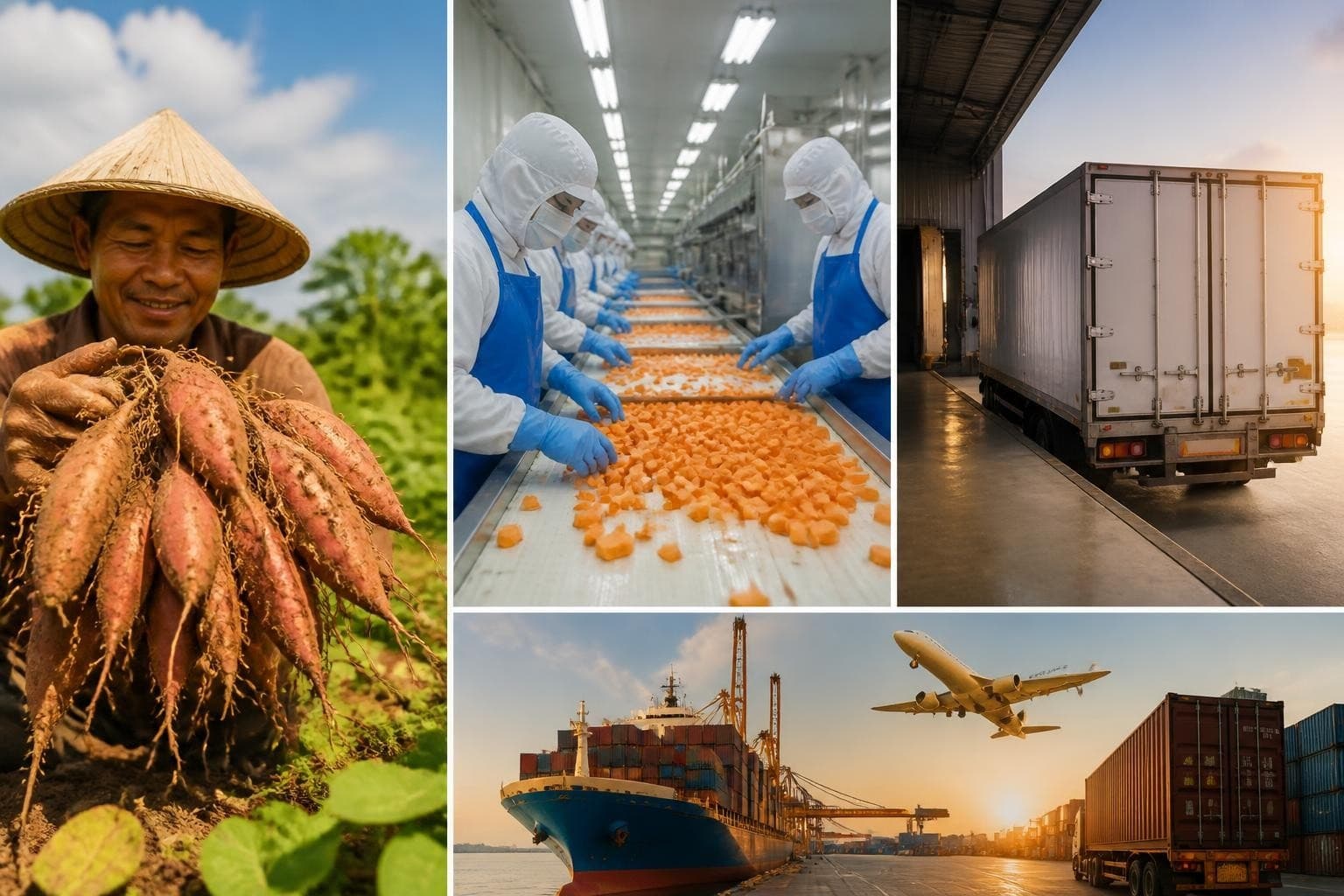
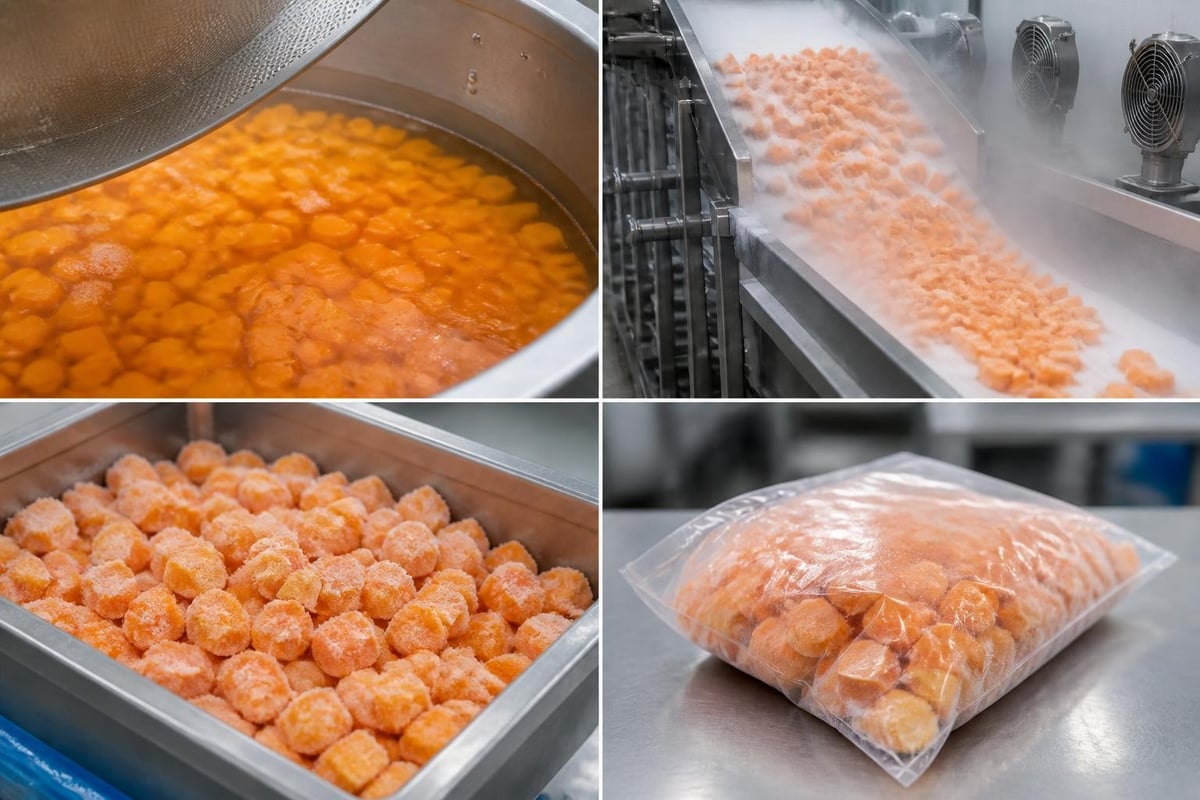
A reputable frozen sweet potatoes supplier manages multiple critical stages that determine final product quality. The process begins with varietal selection and harvest timing at origin farms, progresses through washing and grading, then advances to cutting, blanching, and rapid freezing using specialized equipment. Each step requires precise control to preserve texture, color, and nutritional content.
Indonesian producers benefit from year-round tropical growing conditions that enable consistent supply, particularly from productive regions like West Java. Sweet potato farming in Indonesia leverages fertile volcanic soils and experienced agricultural communities to deliver premium raw material for processing.
Primary Processing Methods
Modern frozen sweet potato operations employ several freezing technologies, each with distinct advantages:
- Individual Quick Freezing (IQF): Creates free-flowing pieces ideal for portion control and foodservice applications
- Blast freezing: Rapidly reduces temperature in enclosed chambers for whole or large-cut products
- Cryogenic freezing: Uses liquid nitrogen or carbon dioxide for ultra-fast temperature reduction
- Plate freezing: Compresses product between refrigerated plates for uniform freezing
According to recent research on advanced freezing techniques, physical field-assisted freezing methods can significantly improve frozen sweet potato quality by minimizing ice crystal formation and preserving cellular structure. This technology represents the cutting edge of frozen vegetable processing.
Quality Standards and Certifications for Frozen Sweet Potatoes
International buyers must verify that their frozen sweet potatoes supplier maintains rigorous food safety and quality management systems. Third-party certifications provide independent validation of production practices and compliance with global standards.
| Certification | Focus Area | Recognition |
|---|---|---|
| BRCGS Food Safety | Comprehensive food safety management | GFSI-recognized, required by major retailers |
| HACCP | Hazard analysis and critical control points | International baseline standard |
| ISO 22000 | Food safety management systems | Global framework for traceability |
| Organic (USDA/EU) | Pesticide-free production practices | Premium market access |
| Halal/Kosher | Religious dietary compliance | Specific market requirements |
The BRCGS Global Standard for Food Safety has become essential for suppliers targeting European and North American retail chains. This certification demonstrates commitment to product safety, quality, and legality across the entire supply chain.
Commodity Standards and Regulatory Compliance
International trade in frozen sweet potatoes must align with established commodity standards. The Codex Alimentarius international food standards provide harmonized guidelines for quick-frozen foods that facilitate global commerce and protect consumer health. A qualified frozen sweet potatoes supplier maintains updated knowledge of these evolving requirements.
Buyers should verify compliance with destination market regulations, including:
- Pesticide residue limits: Maximum residue levels (MRLs) vary by jurisdiction
- Microbiological criteria: Pathogen testing and acceptance standards
- Labeling requirements: Ingredient declarations, allergen statements, nutritional panels
- Import documentation: Phytosanitary certificates, health certificates, customs declarations
Understanding sweet potatoes import requirements for your specific market prevents costly delays and rejected shipments.
Processing Specifications and Product Forms
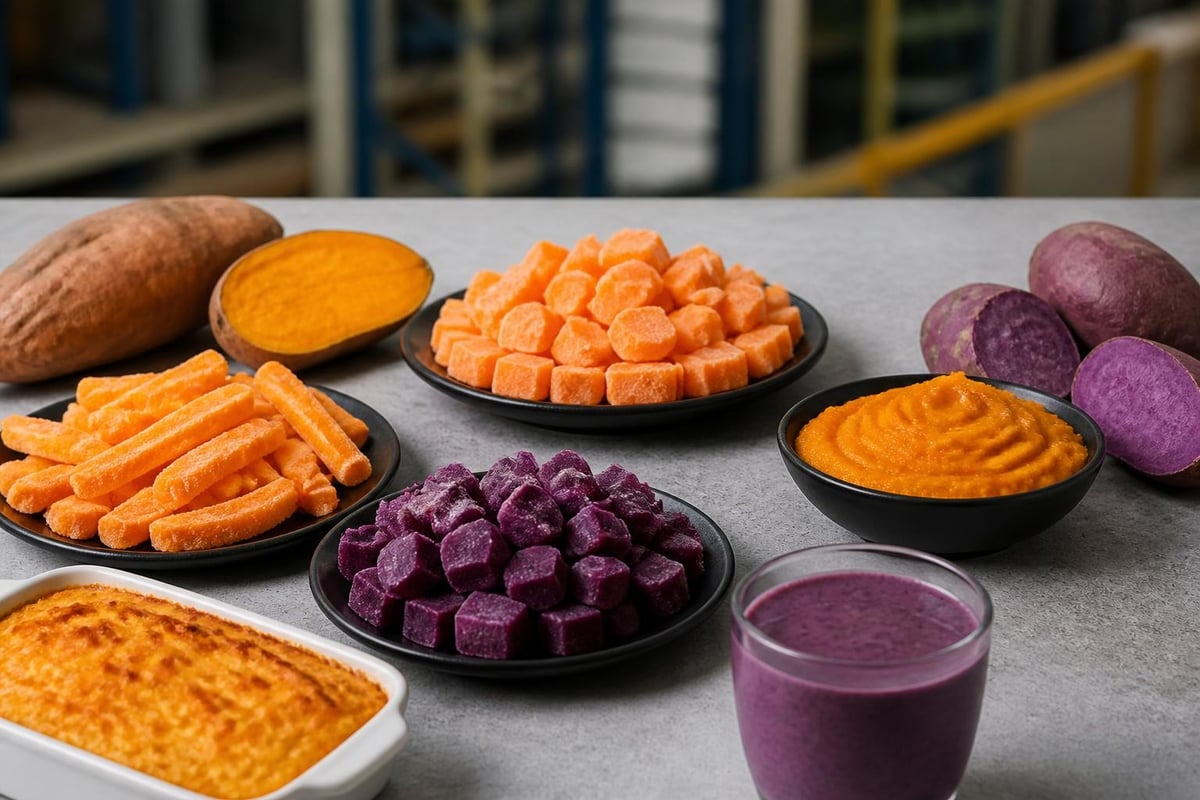
A versatile frozen sweet potatoes supplier offers multiple product specifications to meet diverse buyer needs. Common forms include diced cubes (10mm, 15mm, 20mm), French fries cut, slices, rounds, and puree. Each format serves specific applications in retail, foodservice, or industrial manufacturing.
Cut Specifications and Applications
Retail-ready products typically feature smaller pack sizes (300g–1kg) with consumer-friendly packaging. These products target health-conscious shoppers seeking convenient meal preparation options. The nutritional benefits of sweet potatoes drive consumer demand in this segment.
Foodservice formats range from 2kg to 10kg bulk bags designed for restaurant and institutional kitchens. Uniform sizing ensures consistent cooking times and portion control. French fry cuts and wedges dominate this category.
Industrial ingredients include purees, mash, and large dices for further processing into soups, baby food, baked goods, and ready meals. These applications require precise functional characteristics like viscosity, color retention, and freeze-thaw stability.
Cold Chain Management and Logistics
Maintaining product integrity from processing facility to end user requires flawless cold chain execution. A professional frozen sweet potatoes supplier implements comprehensive temperature monitoring and documentation systems throughout storage and transportation.
The Global Cold Chain Alliance best practices guide outlines critical control points for frozen food logistics:
- Storage temperature: Maintain -18°C (0°F) or colder in all storage facilities
- Loading procedures: Pre-cool containers and minimize door-open time during loading
- Temperature monitoring: Deploy continuous data loggers with alarm systems
- Documentation: Maintain complete chain of custody records
- Contingency planning: Establish protocols for equipment failure or transit delays
According to the Institute of Food Technologists guidance on freeze-thaw issues, even brief temperature excursions above -10°C can compromise product quality through partial thawing and recrystallization.
Container Shipping Considerations
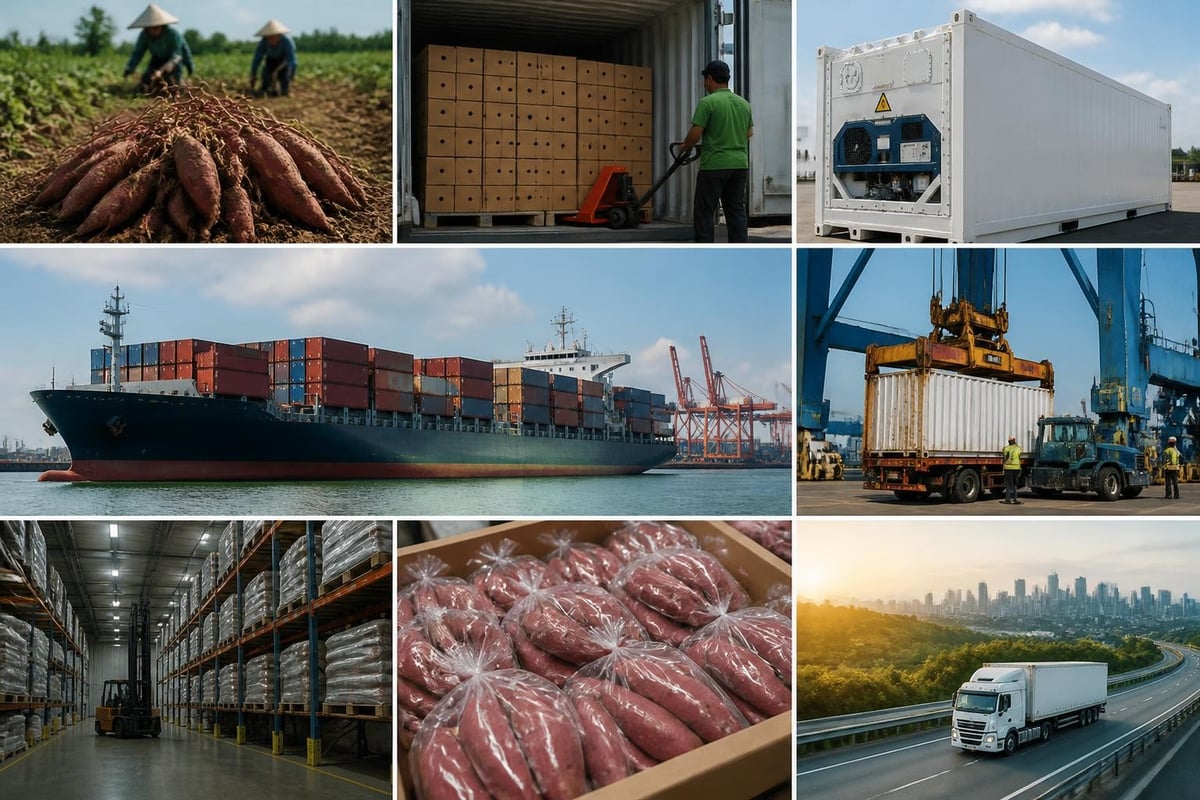
International shipments typically utilize 20-foot or 40-foot reefer containers with precise temperature control capabilities. A knowledgeable frozen sweet potatoes supplier coordinates with logistics partners to optimize:
- Pre-cooling protocols before loading to ensure product reaches shipping temperature
- Container inspection verifying refrigeration functionality and cleanliness
- Stowage planning maximizing air circulation and preventing load shifting
- Customs clearance with complete documentation to minimize port dwell time
Transit times from Indonesia to major markets range from 14–45 days depending on destination and routing. Exporting sweet potatoes from Indonesia requires careful planning to coordinate harvest schedules, processing capacity, and vessel sailing dates.
Supplier Evaluation and Due Diligence
Before committing to a long-term partnership, buyers should conduct thorough supplier assessment. This evaluation protects your brand reputation and ensures consistent product availability.
Critical Assessment Criteria
Production capacity and scalability determine whether a frozen sweet potatoes supplier can meet your volume requirements during both regular and peak seasons. Request detailed information about:
- Annual processing volume and capacity utilization
- Number of farming partners and total hectares under cultivation
- Processing equipment specifications and throughput rates
- Expansion plans and investment in new technology
Quality management systems reveal the supplier's commitment to excellence. Schedule facility audits to observe operations firsthand, review quality control procedures, and examine laboratory testing capabilities.
Financial stability affects long-term reliability. Credit checks, trade references, and years in business provide insight into organizational health and staying power.
Communication and responsiveness matter significantly in international trade. A professional supplier maintains clear documentation, responds promptly to inquiries, and proactively addresses issues. Working with a trusted Indonesian exporter who understands both local production realities and international buyer expectations streamlines the partnership.
Market Trends and Product Innovation
The frozen sweet potato category continues evolving in response to consumer preferences and foodservice trends. Forward-thinking frozen sweet potatoes suppliers monitor these developments and adjust product offerings accordingly.
Emerging Product Concepts
- Purple and specialty varieties: Anthocyanin-rich purple sweet potatoes command premium pricing for health-focused brands
- Value-added preparations: Pre-seasoned, battered, or partially cooked products reduce kitchen labor
- Organic certification: Growing segment particularly strong in European and North American markets
- Sustainable packaging: Recyclable materials and reduced plastic content align with corporate sustainability goals
Recent USDA statistics on vegetable production document steady growth in sweet potato acreage and utilization, reflecting strong market fundamentals.
Food Safety and Microbiological Considerations
Recent initiatives from the World Health Organization examining freezing temperatures and microbiological safety emphasize the importance of proper freezing protocols for pathogen control. While freezing preserves food and inhibits microbial growth, it does not eliminate pathogens present before freezing.
A responsible frozen sweet potatoes supplier implements multiple hurdles to ensure microbiological safety:
- Raw material sourcing from approved farms with documented good agricultural practices
- Wash and sanitize procedures using food-grade antimicrobial solutions
- Blanching at validated time-temperature combinations to reduce microbial load
- Environmental monitoring of processing areas to prevent cross-contamination
- Finished product testing according to established sampling plans
Pricing Structures and Commercial Terms
Understanding frozen sweet potato pricing requires consideration of multiple cost components. Unlike fresh produce where simple per-kilogram pricing prevails, frozen products involve substantial processing and logistics expenses.
| Cost Component | Typical Range (% of FOB price) | Variables |
|---|---|---|
| Raw material | 25-35% | Variety, grade, seasonality |
| Processing | 20-30% | Automation level, yield loss |
| Packaging | 8-12% | Materials, print complexity |
| Cold storage | 3-5% | Duration, facility cost |
| Logistics | 15-25% | Distance, container rates |
| Margin | 10-15% | Market conditions, volume |
Volume commitments significantly impact pricing. Annual contracts with quarterly or monthly deliveries typically secure better rates than spot purchases. A flexible frozen sweet potatoes supplier structures pricing to incentivize longer-term partnerships.
Payment terms vary based on buyer creditworthiness and relationship maturity. Common structures include:
- Letter of Credit (LC) at sight for new relationships
- LC with 30/60/90-day usance for established buyers
- Documents against Payment (DP) or Documents against Acceptance (DA)
- Open account terms for strategic partners with proven track record
Building Strategic Supplier Partnerships
The most successful frozen sweet potato programs develop from collaborative partnerships rather than transactional relationships. Buyers who invest time in understanding their supplier's capabilities and constraints achieve better outcomes.
Partnership Best Practices
Joint product development allows buyers to create differentiated offerings. Share market insights, consumer research, and application requirements with your frozen sweet potatoes supplier to co-develop products that meet specific needs.
Capacity planning requires transparency from both parties. Provide rolling forecasts with reasonable accuracy, and expect your supplier to communicate production schedules and potential constraints well in advance.
Quality feedback loops improve performance over time. Document any quality issues with photos and detailed descriptions, conduct root cause analysis collaboratively, and verify corrective actions through subsequent shipments.
Market intelligence sharing benefits both parties. Buyers gain insight into crop conditions and processing innovations, while suppliers better understand competitive dynamics and emerging opportunities.
Working with bulk sweet potato suppliers who demonstrate these partnership qualities creates mutual value and competitive advantage.
Regional Sourcing Advantages
Geographic origin significantly impacts frozen sweet potato quality, consistency, and economics. Indonesia offers compelling advantages for international buyers seeking reliable supply.
Year-round production in equatorial regions eliminates seasonal gaps that affect temperate producers. Sweet potato harvest cycles in Indonesia enable continuous processing and consistent product availability.
Varietal diversity includes orange-fleshed, white-fleshed, and purple varieties suited to different applications. Regional specialties like Cilembu honey sweet potatoes provide unique flavor profiles for premium products.
Competitive labor costs in Indonesia support price-competitive frozen products without compromising quality. Modern processing facilities combine efficient operations with rigorous food safety standards.
Strategic location provides advantageous shipping access to growing Asian markets as well as traditional destinations in the Middle East, Europe, and beyond.
Documentation and Compliance Requirements
Successful frozen sweet potato imports require complete, accurate documentation. A professional frozen sweet potatoes supplier prepares and coordinates all necessary paperwork to facilitate smooth customs clearance.
Essential Documentation
- Commercial invoice: Detailed product description, quantities, unit prices, total value
- Packing list: Carton count, net weight, gross weight, container details
- Certificate of Origin: Preferential tariff eligibility under trade agreements
- Health certificate: Issued by competent authority certifying food safety compliance
- Phytosanitary certificate: When required by destination country regulations
- Bill of lading: Proof of shipment and title document
- Insurance certificate: Cargo coverage documentation
- Laboratory test reports: Pesticide residue, microbiology, heavy metals as required
Understanding how to import sweet potatoes streamlines the procurement process and prevents documentation errors that delay clearance.
Packaging Solutions for Frozen Sweet Potatoes
Packaging serves multiple functions: product protection, portion control, brand communication, and regulatory compliance. A capable frozen sweet potatoes supplier offers flexible packaging options aligned with your distribution channel requirements.
Consumer retail packaging emphasizes shelf appeal and convenience. Stand-up pouches with resealable zippers, printed bags with handling instructions, and windowed cartons that showcase product quality all drive purchase decisions. Export packaging considerations address both marketing requirements and shipping durability.
Foodservice bulk packaging prioritizes functionality and cost efficiency. Plain polyethylene bags in 2.5kg, 5kg, or 10kg sizes with simple labels meet restaurant and institutional needs. Case counts and pallet configurations optimize storage density.
Industrial bulk packaging may utilize large 10kg or 15kg bags, or even one-ton bulk containers for high-volume ingredient applications. These formats minimize packaging cost per kilogram.
All packaging materials must meet food contact regulations in destination markets and provide adequate moisture barrier properties to prevent freezer burn during extended storage.
Sourcing frozen sweet potatoes requires evaluating processing capabilities, cold chain infrastructure, certifications, and supplier reliability across multiple dimensions. The most successful partnerships balance quality requirements, commercial terms, and operational flexibility to create mutual value over time. PT Cakra Baja Niaga works with certified processing partners and maintains direct relationships with West Java farms to deliver premium frozen sweet potato products backed by transparent communication and consistent supply. Contact our export team today to discuss your specifications, request samples, and receive a detailed quotation for your frozen sweet potato requirements.
Looking to source premium Indonesian sweet potatoes?
PT Cakra Baja Niaga supplies export-grade Cilembu, Purple, and Murasaki varieties to buyers worldwide.
Continue reading
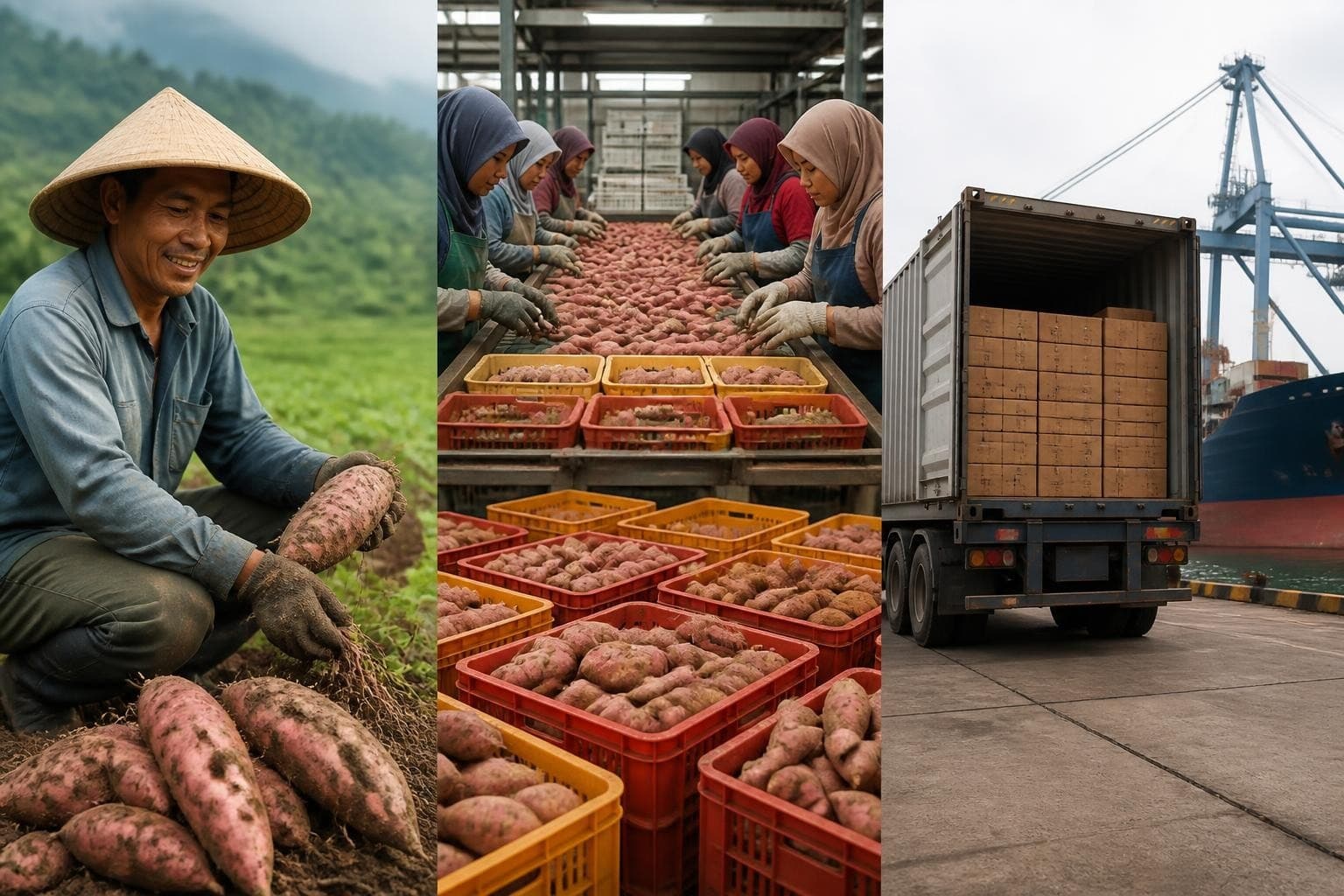
Wholesale Sweet Potatoes Indonesia: B2B Export Guide 2026
Source premium wholesale sweet potatoes Indonesia for import. Quality standards, export logistics, varieties, pricing & supplier partnerships.
Read article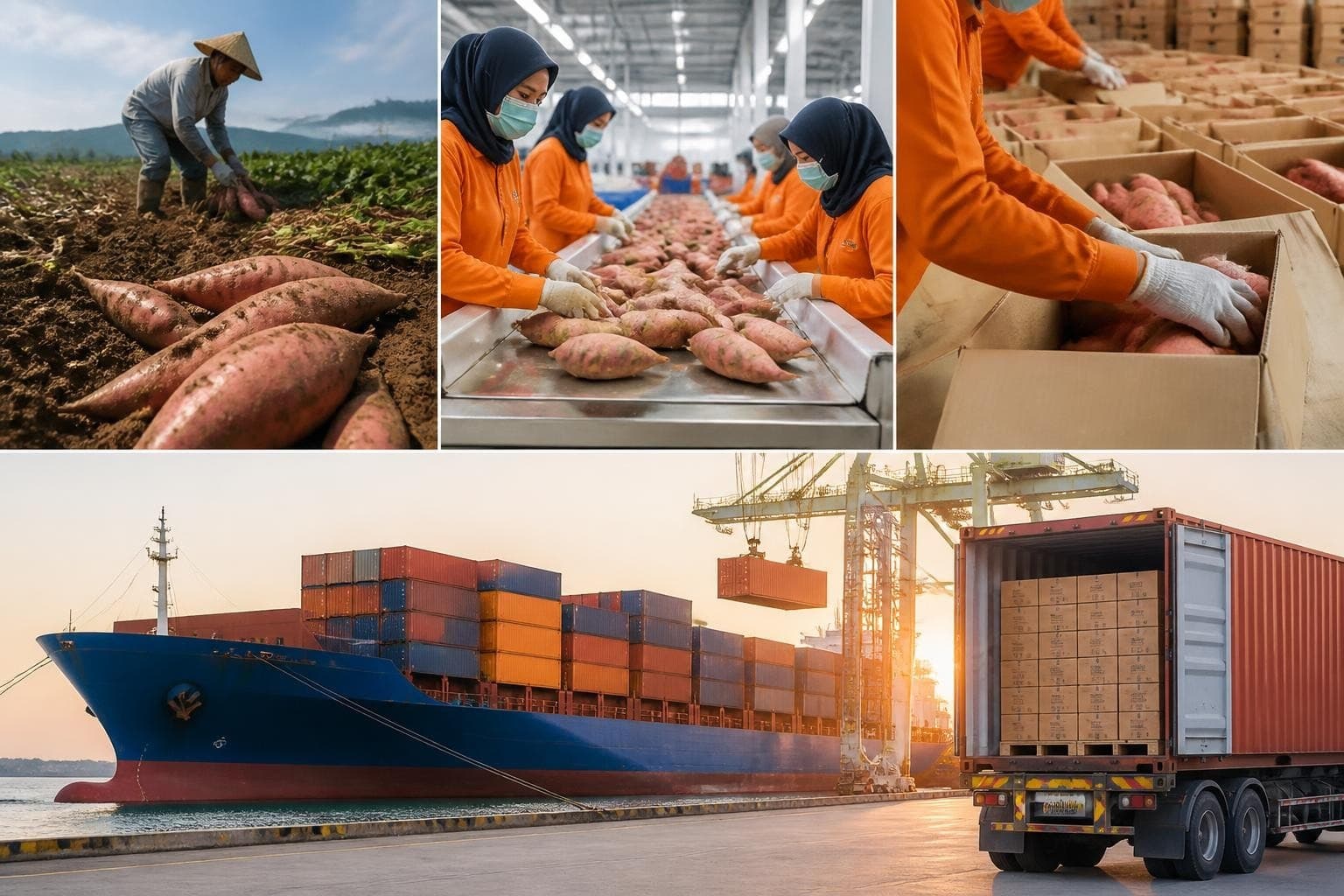
Sweet Potatoes Supplier Indonesia: Quality & Export Guide
Find reliable sweet potatoes supplier Indonesia offering premium export quality. Learn about sourcing, grading, logistics, and partnerships.
Read article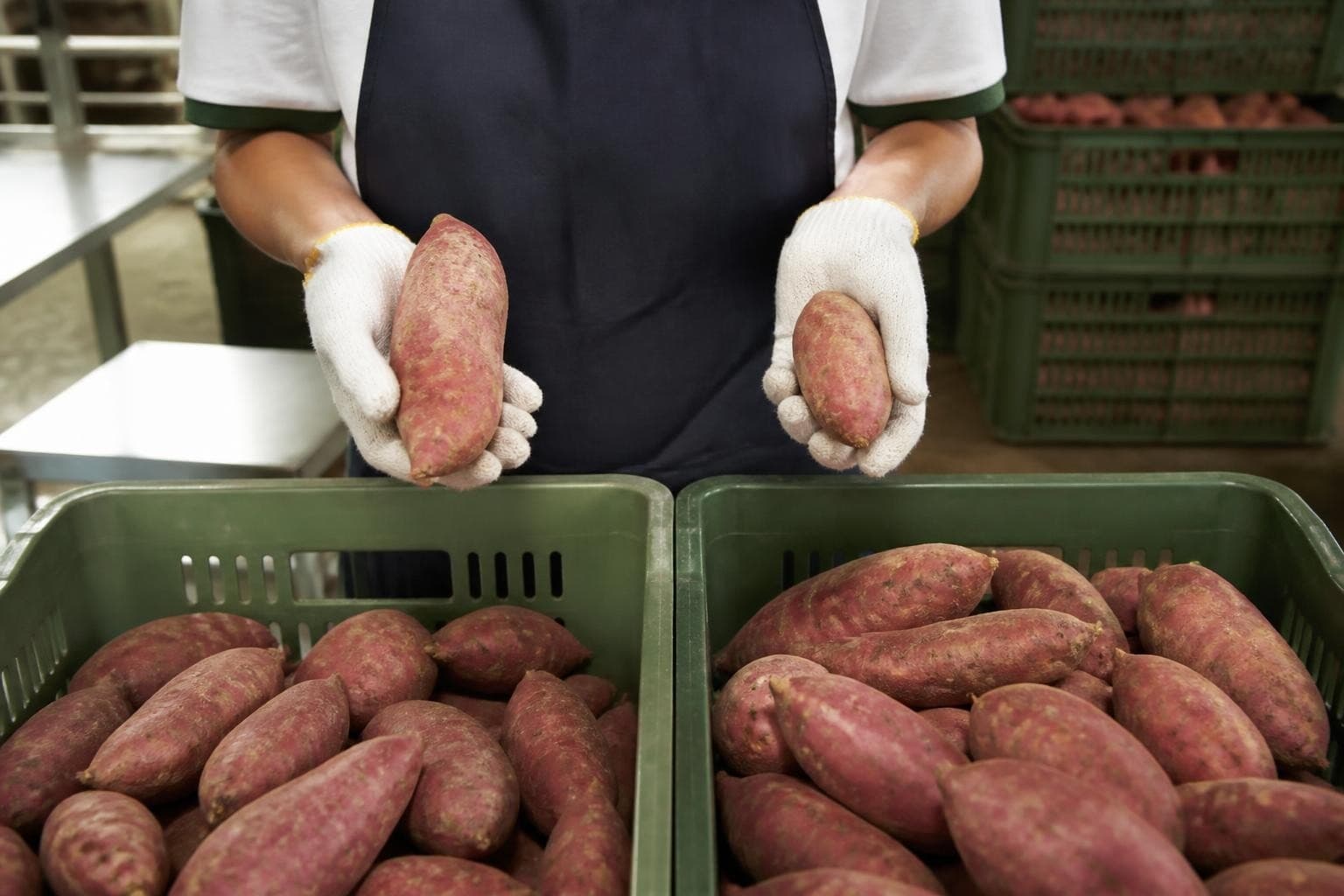
Sweet Potatoes Grading Guide for International Buyers
Comprehensive sweet potatoes grading guide for exporters and importers. Learn USDA standards, size classification, defect tolerance, and quality control.
Read article