
Sweet Potatoes Container Shipping Guide for Exporters
Complete guide to sweet potatoes container shipping: temperature control, packaging, reefer vs. dry containers, and export best practices for 2026.
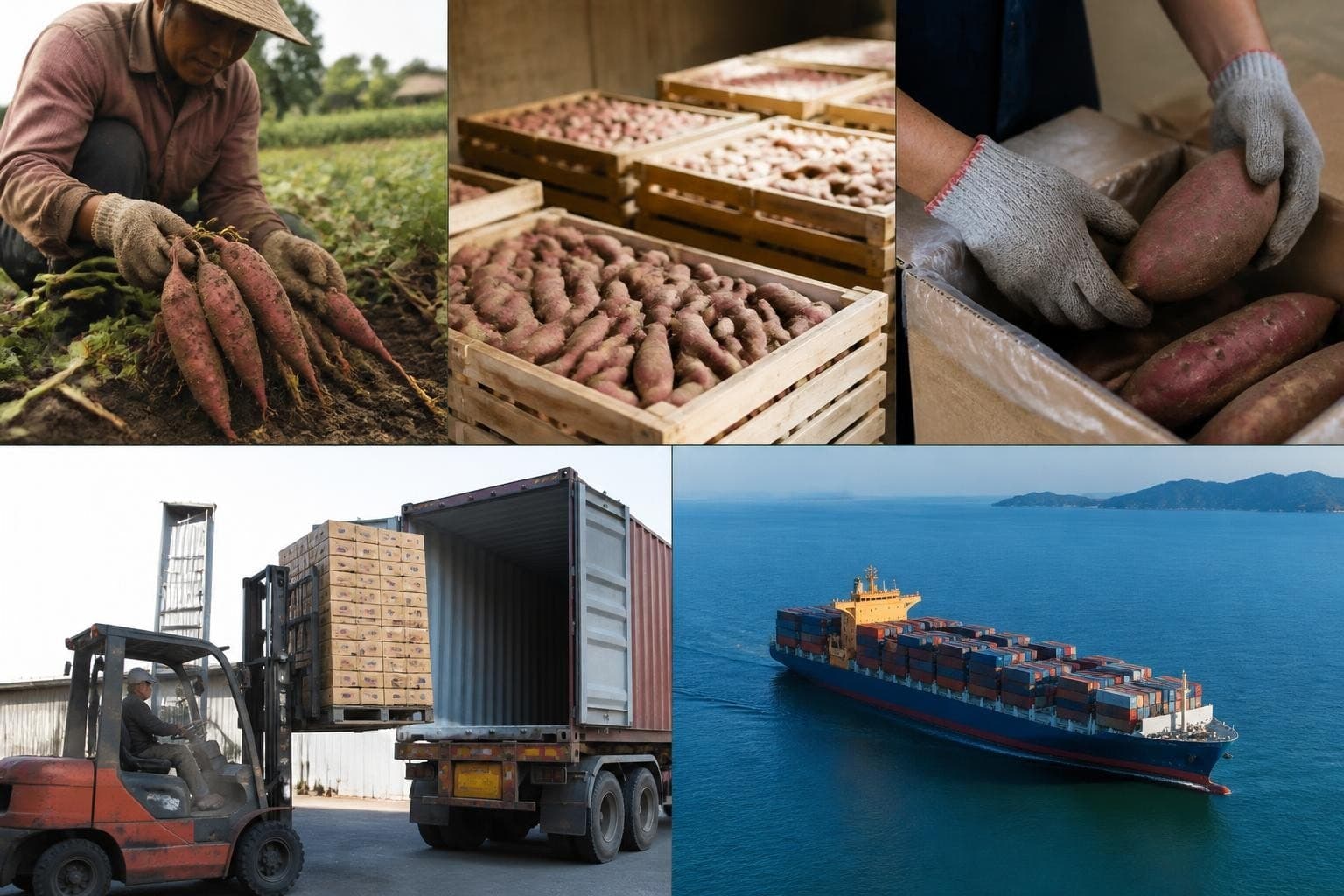
International sweet potato trade relies on precise logistics to deliver fresh, high-quality produce across continents. For exporters working with overseas buyers, understanding sweet potatoes container shipping means mastering temperature control, packaging protocols, container selection, and transit management. Indonesian suppliers partnering with international distributors, wholesalers, and retailers need robust shipping strategies to maintain product integrity from West Java farms to destination markets. This comprehensive guide examines the technical and operational aspects of container shipping for sweet potatoes, offering practical insights for buyers and exporters navigating the complexities of global produce trade in 2026.
Container Types for Sweet Potato Export
Selecting the appropriate container type determines whether your sweet potatoes arrive in premium condition or suffer quality degradation during transit. Two primary options dominate sweet potatoes container shipping: refrigerated (reefer) containers and dry containers with careful climate management.
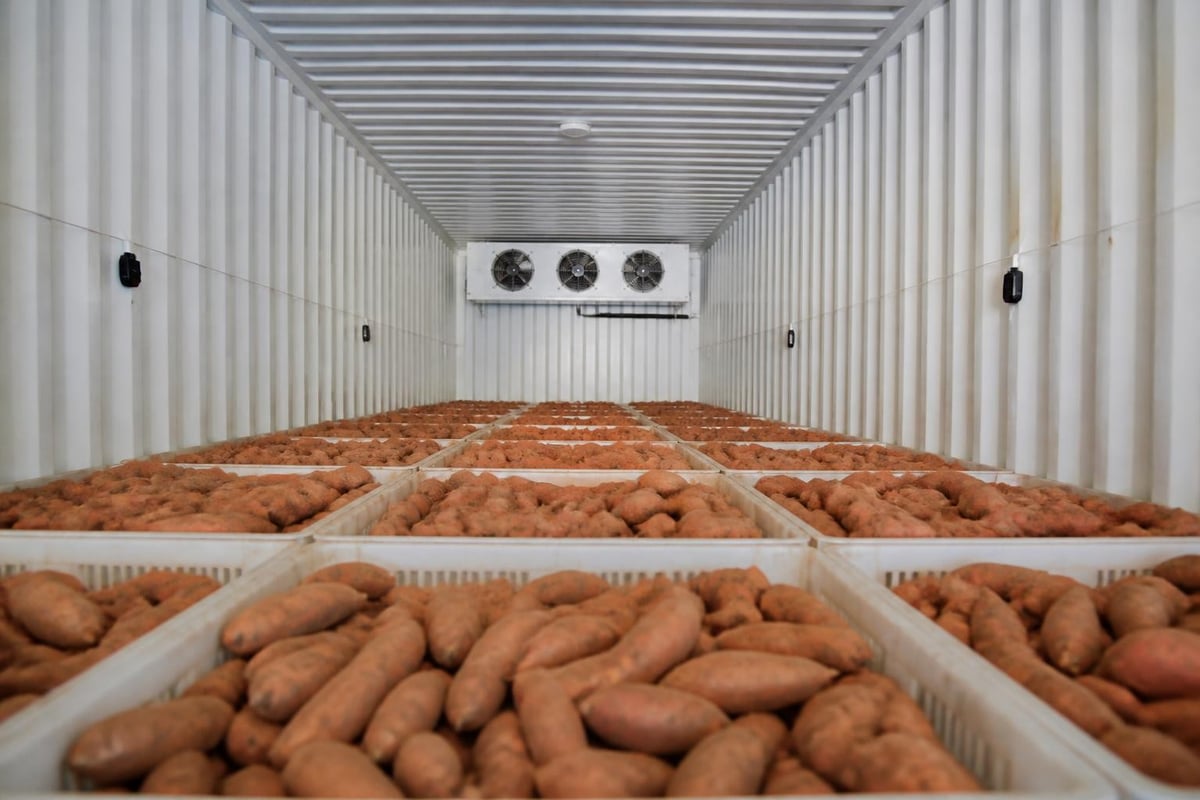
Refrigerated containers provide active temperature and humidity control throughout the voyage. Modern reefer units maintain temperatures between 13°C and 16°C, the optimal range for most sweet potato varieties during long-distance transport. These units feature:
- Precise temperature regulation with digital monitoring
- Humidity control systems maintaining 85-90% relative humidity
- Fresh air exchange to prevent CO₂ buildup
- Data logging for quality assurance documentation
Dry containers offer a more economical alternative for shorter routes or when ambient conditions align with storage requirements. However, they demand meticulous pre-cooling, insulated packaging, and favorable transit timing. Exporters using dry containers must ensure sweet potatoes reach proper pulp temperature before loading and select shipping schedules that avoid extreme weather windows.
The handling protocols for sweet potatoes intended for export specify maximum pulp temperatures at loading time, typically not exceeding 18°C for reefer shipments and lower thresholds for dry container transport.
Standard Container Sizes and Capacity
| Container Type | Internal Dimensions | Typical Sweet Potato Capacity | Best Application |
|---|---|---|---|
| 20ft Reefer | 5.44m × 2.29m × 2.27m | 10-12 metric tons | Small orders, mixed shipments |
| 40ft Reefer | 11.58m × 2.29m × 2.27m | 22-26 metric tons | Full container loads, major buyers |
| 40ft High Cube Reefer | 11.58m × 2.29m × 2.69m | 26-28 metric tons | Maximum volume efficiency |
| 20ft Dry | 5.90m × 2.35m × 2.39m | 12-14 metric tons | Short routes, pre-cooled cargo |
Capacity varies based on packaging format, stacking height limitations, and air circulation requirements. Proper sweet potatoes export packaging maximizes container utilization while protecting product quality.
Pre-Shipment Preparation and Curing
Successful sweet potatoes container shipping begins weeks before ocean freight departure. Post-harvest handling directly impacts how well produce withstands the stress of international transport.
Curing Process Fundamentals
Curing heals minor skin injuries, develops protective barriers against pathogens, and converts starches to sugars for improved flavor. The Egyptian sweet potato cold chain protocols demonstrate industry-standard curing at 29-32°C with 85-95% humidity for 5-7 days.
Indonesian exporters working with premium varieties from West Java farms implement similar curing regimens to prepare sweet potatoes for the rigors of container shipping. Properly cured sweet potatoes develop thicker skins that resist abrasion during handling and loading.
After curing, a gradual cool-down period brings tubers to shipping temperature without thermal shock. This transition typically requires 24-48 hours in controlled storage before container loading.
Quality Grading and Selection
Only export-grade sweet potatoes should enter container shipments. Selection criteria include:
- Uniform size within packaging units (typically 200-400g per tuber)
- Intact skin without cuts, bruises, or mechanical damage
- Freedom from disease symptoms, sprouting, or pest damage
- Proper moisture content and firmness
- Consistent variety characteristics (color, shape, quality attributes)
Rigorous grading prevents a single damaged tuber from spoiling neighboring produce during the weeks-long ocean voyage. International buyers expect consistency across the entire container load, making pre-shipment quality control essential to maintaining import requirements compliance.
Packaging Systems for Container Transport
Packaging serves three critical functions in sweet potatoes container shipping: physical protection, ventilation for heat dissipation, and efficient space utilization. The packaging format must balance these requirements while meeting buyer specifications and destination market standards.
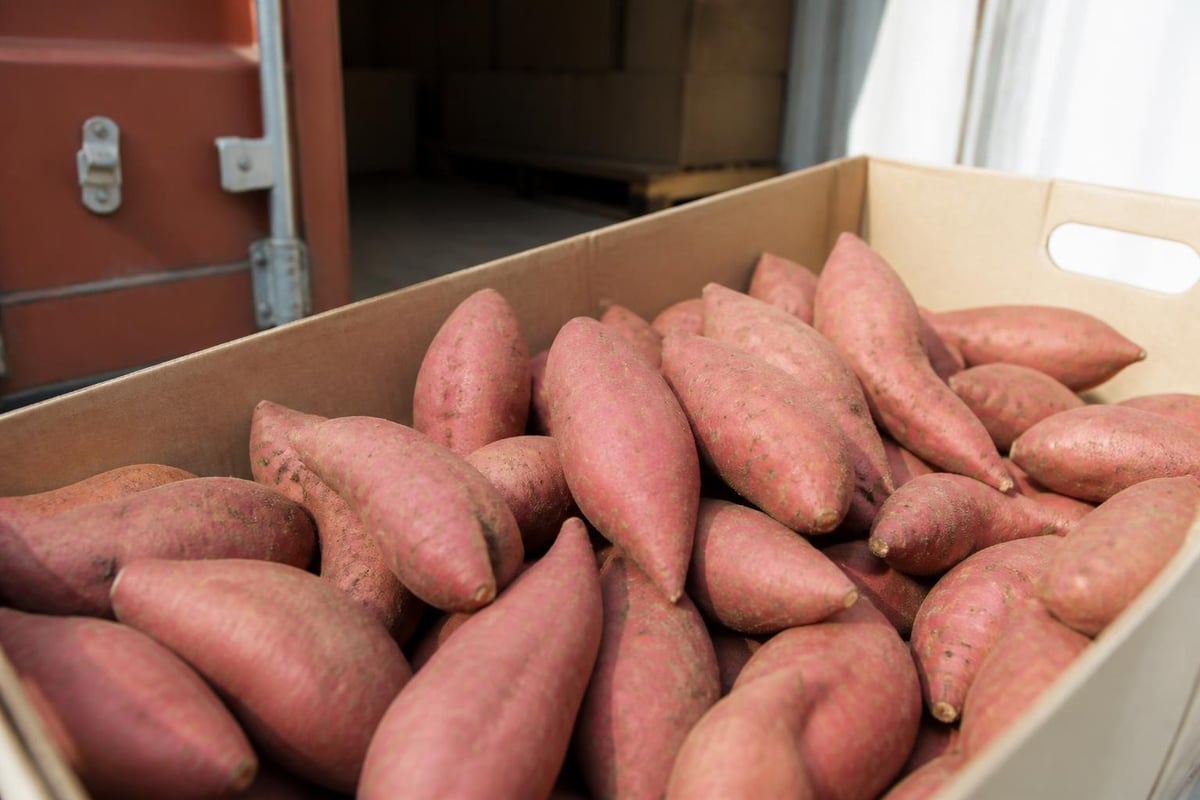
Carton boxes remain the most common packaging format for export sweet potatoes. Standard specifications include:
- Corrugated cardboard with ventilation holes (minimum 5% open area)
- Net weights between 10-20 kg per carton
- Dimensions optimized for pallet and container loading
- Moisture-resistant coating or wax treatment
- Clear labeling with variety, grade, weight, and origin information
The FAO guidance on packaging for root crops emphasizes ventilation design to prevent heat buildup and condensation that accelerates decay.
Mesh bags offer superior ventilation and lower packaging costs but provide less stacking strength and physical protection. They work best for short transit times or when buyers specifically request this format.
Bulk bins suit certain industrial buyers and processing facilities, though they complicate mixed-variety shipments and increase handling damage risk.
Palletization and Container Loading
| Pallet Configuration | Cartons per Pallet | Pallets per 40ft | Total Container Capacity |
|---|---|---|---|
| Standard (100×120cm) | 40-50 (10kg cartons) | 20-22 | 400-1,100 cartons |
| Euro (80×120cm) | 32-40 (10kg cartons) | 24-26 | 768-1,040 cartons |
| Custom (optimized) | Variable | 22-24 | Maximized per load |
Proper palletization maintains air channels throughout the container load. The FAO recommendations for preventing losses in perishable cargo stress that airflow patterns determine cooling efficiency and product longevity during sweet potatoes container shipping.
Temperature and Atmosphere Management
Temperature control represents the single most important factor in successful sweet potatoes container shipping. Sweet potatoes are sensitive to both chilling injury (below 10°C) and accelerated respiration (above 18°C).
Optimal Transit Conditions
Research from the University of Florida's transport temperature guidelines establishes the ideal temperature range at 13-16°C with 85-90% relative humidity. These parameters slow respiration and water loss while avoiding chilling injury that causes internal discoloration and off-flavors.
Maintaining consistent temperatures throughout the journey prevents condensation cycles that promote fungal growth and decay. Modern reefer containers achieve this through:
- Bottom-air delivery systems that pull cool air through the cargo
- Precise thermostatic control with ±0.5°C accuracy
- Continuous monitoring and remote diagnostics
- Backup power systems for reliability
Chilling injury manifests as hard core, internal browning, and increased susceptibility to decay organisms. Once damaged by low temperatures, sweet potatoes deteriorate rapidly even when moved to proper storage conditions.
Heat damage accelerates sprouting, weight loss through respiration, and disease development. Sweet potatoes shipped above recommended temperatures may arrive with reduced shelf life for export markets.
Controlled Atmosphere Considerations
While most sweet potatoes container shipping uses standard reefer containers, some exporters experiment with controlled atmosphere (CA) technology for premium shipments. CA containers reduce oxygen levels (3-5%) and elevate CO₂ (5-10%) to further slow respiration and extend storage life.
CA technology adds significant cost and complexity but may justify investment for ultra-long transit routes or when targeting premium retail segments demanding maximum freshness upon arrival. The technology remains uncommon in sweet potato exports compared to apples or pears, where CA has become industry standard.
Documentation and Compliance Requirements
International sweet potatoes container shipping demands meticulous documentation to clear customs, satisfy phytosanitary regulations, and ensure payment processing.
Essential Export Documents
- Commercial invoice detailing product description, quantity, value, and terms
- Packing list specifying container contents, package count, and weights
- Bill of lading (ocean or combined transport) as title document and freight receipt
- Phytosanitary certificate issued by Indonesian agricultural authorities
- Certificate of origin for preferential duty treatment (when applicable)
- Health certificate or food safety attestation (market-dependent)
- Container inspection report documenting pre-loading condition
Additional documents may include fumigation certificates, organic certifications, third-party quality inspection reports, and import permits from destination countries. Requirements vary significantly across markets, making pre-shipment verification essential.
Buyers working with experienced suppliers like those specializing in sweet potatoes export from Indonesia benefit from established documentation systems that ensure smooth customs clearance.
Transit Time and Route Planning
Ocean freight transit times directly impact sweet potato quality and dictate shipping strategies. Exporters must balance cost considerations against quality preservation when selecting shipping routes and carriers.
Major Trade Routes from Indonesia
- Southeast Asia destinations: 5-10 days (Singapore, Malaysia, Thailand, Philippines)
- East Asia markets: 10-18 days (China, South Korea, Japan, Taiwan)
- Middle East routes: 18-25 days (UAE, Saudi Arabia, Qatar)
- European ports: 28-35 days (Rotterdam, Hamburg, Felixstowe)
- North American West Coast: 25-30 days (Los Angeles, Vancouver)
- Australia/New Zealand: 12-18 days (Sydney, Melbourne, Auckland)
Shorter routes allow more flexibility in container choice and reduce spoilage risk. Long-haul shipments to Europe or North America demand perfect execution across all aspects of sweet potatoes container shipping, from curing through final delivery.
Direct vs. transshipment routes present a key decision point. Direct sailings minimize handling and reduce transit time but may operate on limited schedules. Transshipment through Singapore or other hubs offers frequent departures but adds handling risk and potential temperature control gaps during port transfers.
Seasonal Considerations
Sweet potato harvest cycles in Indonesia influence shipping schedules and market dynamics. Peak harvest periods provide optimal product availability but may coincide with high shipping demand and elevated freight rates.
Weather patterns along shipping routes affect transit conditions. Summer heat waves stress refrigeration systems, while winter storms can delay schedules and increase the risk of temperature excursions during port operations.
Quality Monitoring and Problem Prevention
Proactive monitoring throughout sweet potatoes container shipping identifies potential problems before they compromise entire container loads.
Pre-Loading Inspection
Container preparation includes:
- Thorough cleaning to remove previous cargo residues
- Refrigeration system testing and calibration verification
- Interior inspection for damage, holes, or contamination sources
- Floor drain functionality check
- Door seal integrity assessment
Loading supervision ensures proper stacking patterns, adequate ventilation channels, and correct temperature settings before container departure. Experienced exporters document container conditions with photographs and written reports.
In-Transit Monitoring
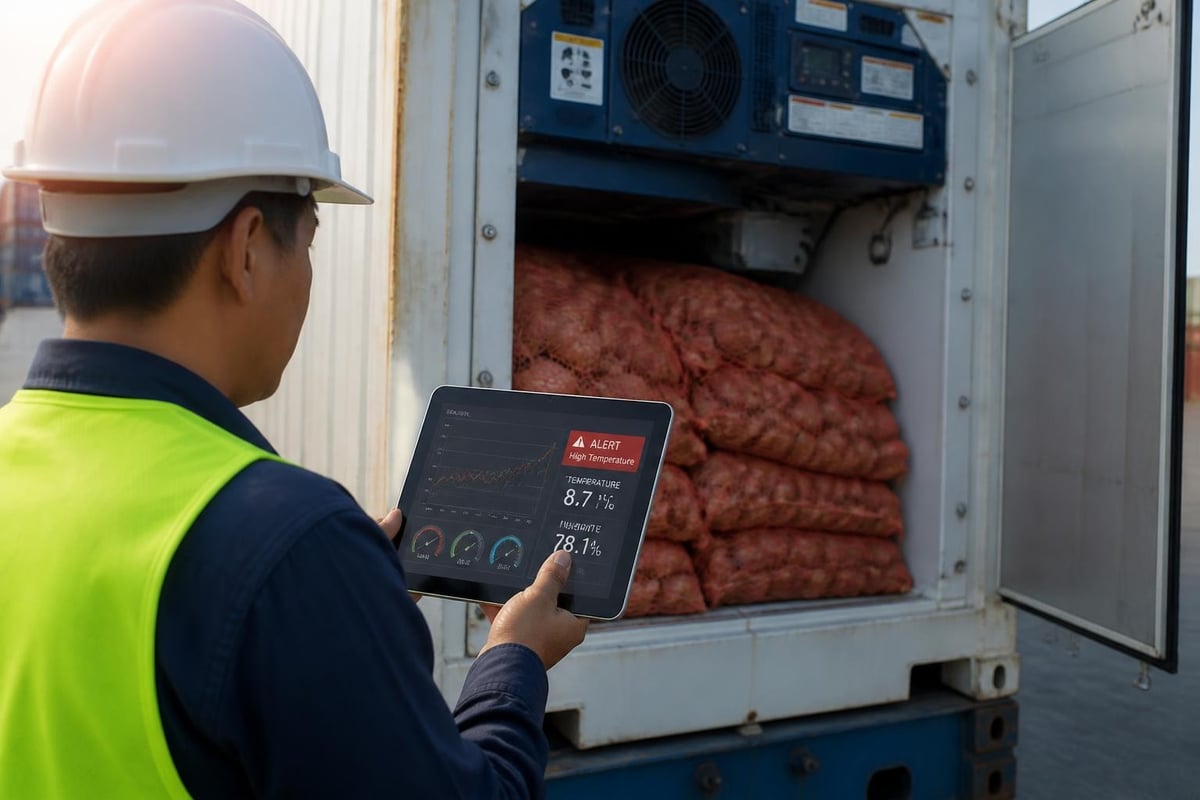
Modern reefer containers transmit real-time data on temperature, humidity, power status, and alarm conditions. Exporters and buyers can track shipments through web portals, receiving alerts for any deviations from programmed settings.
Remote monitoring enables rapid response when problems occur. If a reefer unit malfunctions during transit, shipping lines can arrange repairs at the next port or transfer cargo to a functioning container before significant quality loss occurs.
The FAO training materials on root crop transport emphasize that continuous monitoring represents best practice for high-value perishable shipments, including sweet potatoes container shipping.
Cost Factors and Pricing Considerations
Sweet potatoes container shipping costs vary based on multiple factors that exporters and buyers must understand when negotiating terms and evaluating suppliers.
Freight Rate Components
Ocean freight forms the largest cost element, quoted per container (FCL) or per cubic meter/ton (LCL for partial loads). Rates fluctuate based on:
- Fuel prices and carrier bunker adjustment factors
- Seasonal demand patterns and capacity availability
- Route competition and carrier alliances
- Contract vs. spot market booking
Terminal handling charges cover loading and unloading operations at origin and destination ports. These fees typically range from $100-300 per container depending on port efficiency and local labor costs.
Documentation fees include bill of lading issuance, certificate processing, and administrative charges from freight forwarders and customs brokers.
Insurance protects against cargo loss or damage, typically costing 0.3-0.5% of cargo value for properly packaged sweet potatoes in reefer containers.
| Cost Element | Typical Range (40ft Reefer) | Notes |
|---|---|---|
| Ocean Freight (Indonesia-Asia) | $800-1,800 | Route and season dependent |
| Ocean Freight (Indonesia-Europe) | $3,500-6,000 | Longer transit, higher cost |
| Origin Terminal Charges | $150-250 | Port and container type |
| Destination Charges | $200-400 | Varies by country |
| Documentation | $100-200 | Per shipment |
| Insurance | 0.3-0.5% of value | Based on cargo value |
Buyers evaluating quotes from Indonesian sweet potato suppliers should request clear breakdowns of all shipping cost components to enable accurate comparisons.
Risk Management and Insurance
Despite careful planning, sweet potatoes container shipping faces inherent risks that prudent exporters and buyers address through insurance and contractual protections.
Common Shipping Risks
Temperature excursions from refrigeration failure, power interruptions, or incorrect settings represent the primary quality threat. Comprehensive cargo insurance should cover losses from mechanical breakdown and resulting spoilage.
Physical damage during handling, severe weather, or container accidents can destroy or degrade portions of shipments. Proper packaging minimizes but cannot eliminate this risk.
Delay-related deterioration occurs when vessels miss schedules due to port congestion, mechanical problems, or routing changes. Extended transit beyond planned timelines pushes sweet potatoes past optimal shelf life windows.
Regulatory rejection happens when shipments fail destination country inspections for pest contamination, documentation errors, or phytosanitary non-compliance. This risk increases when working with unfamiliar markets or new buyer relationships.
Insurance and Incoterms
Marine cargo insurance operates under Institute Cargo Clauses that define covered perils and exclusions. Standard coverage (ICC-C) protects against major casualties but excludes inherent vice, inadequate packaging, and delay. Broader coverage (ICC-A) includes additional protections worth considering for high-value sweet potato shipments.
Incoterms selection determines who bears shipping risks at each stage. Common terms for sweet potatoes container shipping include:
- FOB (Free on Board): Buyer assumes risk once cargo crosses ship's rail at origin port
- CFR/CPT (Cost and Freight/Carriage Paid To): Seller pays freight but risk transfers at origin
- CIF/CIP (Cost, Insurance, and Freight/Carriage and Insurance Paid): Seller provides insurance coverage
- DDP (Delivered Duty Paid): Seller retains risk until final destination delivery
International buyers new to importing sweet potatoes from Indonesia often prefer CIF or CIP terms that bundle shipping and insurance into delivered pricing, simplifying logistics management.
Working with Freight Forwarders and Logistics Partners
Efficient sweet potatoes container shipping depends on experienced logistics partners who understand perishable cargo requirements and Indonesian export procedures.
Selecting Freight Forwarders
Quality freight forwarders provide:
- Reefer expertise with proven track records in perishable cargo handling
- Carrier relationships enabling competitive rates and space allocation during peak seasons
- Origin services including container delivery, pre-cooling coordination, and loading supervision
- Documentation support for export declarations, certificates, and shipping instructions
- Problem resolution capability when issues arise during transit
Exporters benefit from forwarders with offices in both Indonesia and destination countries, facilitating end-to-end communication and faster problem response.
Communication Protocols
Clear communication between exporters, forwarders, and buyers prevents misunderstandings that compromise shipment quality. Essential information flows include:
- Booking confirmation with container type, quantity, and sailing schedule
- Loading readiness notification when cargo reaches proper temperature
- VGM (Verified Gross Mass) declaration required under SOLAS regulations
- Departure and arrival updates throughout the ocean voyage
- Temperature log transmission documenting cold chain maintenance
- Customs clearance status at destination
Professional exporters like those focused on sweet potato manufacturing for international markets establish systematic communication workflows that keep all parties informed and enable proactive issue resolution.
Destination Handling and Final Mile Delivery
Sweet potatoes container shipping succeeds only when produce reaches end buyers in premium condition. The final stages of the logistics chain require careful coordination to maintain quality achieved during ocean transport.
Port Operations and Customs Clearance
Container discharge at destination ports should occur promptly to minimize time on the terminal. Delays during peak congestion periods or customs inspections can interrupt cold chain continuity.
Customs examination procedures vary by country. Some jurisdictions conduct physical inspections that require opening containers and potentially warming cargo during examination. Advance clearance programs and trusted trader status can expedite processing.
Phytosanitary inspection verifies compliance with plant health regulations. Inspectors may examine packaging, check for insects or disease symptoms, and verify treatment certifications. Rejections or required fumigations can delay delivery and impact product quality.
Temperature-Controlled Distribution
After customs clearance, sweet potatoes move into destination country cold chain networks:
- Distribution centers receive full container loads, break bulk for multiple customers, and manage inventory
- Refrigerated trucks transport sweet potatoes to wholesale markets, retail distribution centers, or processing facilities
- Final mile delivery to individual stores or food service operators completes the journey
Maintaining 13-16°C throughout these steps preserves the quality achieved during container shipping. Buyers should verify that logistics providers understand sweet potato temperature requirements and have appropriate equipment.
Sustainability and Environmental Considerations
Modern sweet potatoes container shipping increasingly addresses environmental impacts through efficiency improvements and sustainable practices.
Carbon Footprint Reduction
Ocean freight remains the most carbon-efficient long-distance transport mode, with emissions per ton-kilometer far below air freight. However, exporters and buyers can further reduce environmental impact through:
- Container optimization maximizing load utilization to reduce empty space
- Route efficiency selecting direct sailings over circuitous transshipment paths
- Slow steaming accepting slightly longer transit for reduced fuel consumption
- Carbon offset programs compensating for unavoidable emissions
Buyers seeking sustainable Indonesian sweet potato sources increasingly evaluate suppliers on environmental performance across the entire supply chain, including shipping practices.
Packaging Sustainability
Traditional corrugated cardboard packaging offers recyclability and biodegradability advantages over plastic alternatives. However, moisture resistance treatments and multi-material constructions complicate recycling.
Industry trends favor:
- Recyclable mono-material packaging systems
- Reduced packaging weight while maintaining strength
- Elimination of unnecessary plastic components
- Clear recyclability labeling for destination market waste management systems
Indonesian exporters working with environmentally conscious buyers may need to adapt packaging specifications to meet sustainability requirements while maintaining the protective functions essential for successful container shipping.
Mastering sweet potatoes container shipping requires attention to temperature control, packaging integrity, documentation accuracy, and logistics coordination across every stage from Indonesian farms to international markets. By implementing the practices outlined in this guide, exporters and buyers can achieve consistent quality delivery that satisfies the most demanding retail and food service customers. PT Cakra Baja Niaga combines deep expertise in Indonesian sweet potato production with robust export logistics capabilities, offering international buyers reliable access to premium West Java sweet potatoes backed by transparent quality systems and dependable container shipping execution. Contact PT Cakra Baja Niaga today to discuss your sweet potato import requirements and receive detailed quotations for container shipments to your destination market.
Looking to source premium Indonesian sweet potatoes?
PT Cakra Baja Niaga supplies export-grade Cilembu, Purple, and Murasaki varieties to buyers worldwide.
Continue reading
Wholesale Sweet Potatoes Indonesia: B2B Export Guide 2026
Source premium wholesale sweet potatoes Indonesia for import. Quality standards, export logistics, varieties, pricing & supplier partnerships.
Read article
Sweet Potatoes Supplier Indonesia: Quality & Export Guide
Find reliable sweet potatoes supplier Indonesia offering premium export quality. Learn about sourcing, grading, logistics, and partnerships.
Read article
Sweet Potatoes Grading Guide for International Buyers
Comprehensive sweet potatoes grading guide for exporters and importers. Learn USDA standards, size classification, defect tolerance, and quality control.
Read article