
Sweet Potato vs White Potato: Nutrition & Export Guide
Compare sweet potato vs white potato nutrition, glycemic index, and sourcing. Expert guide for importers and distributors in 2026.
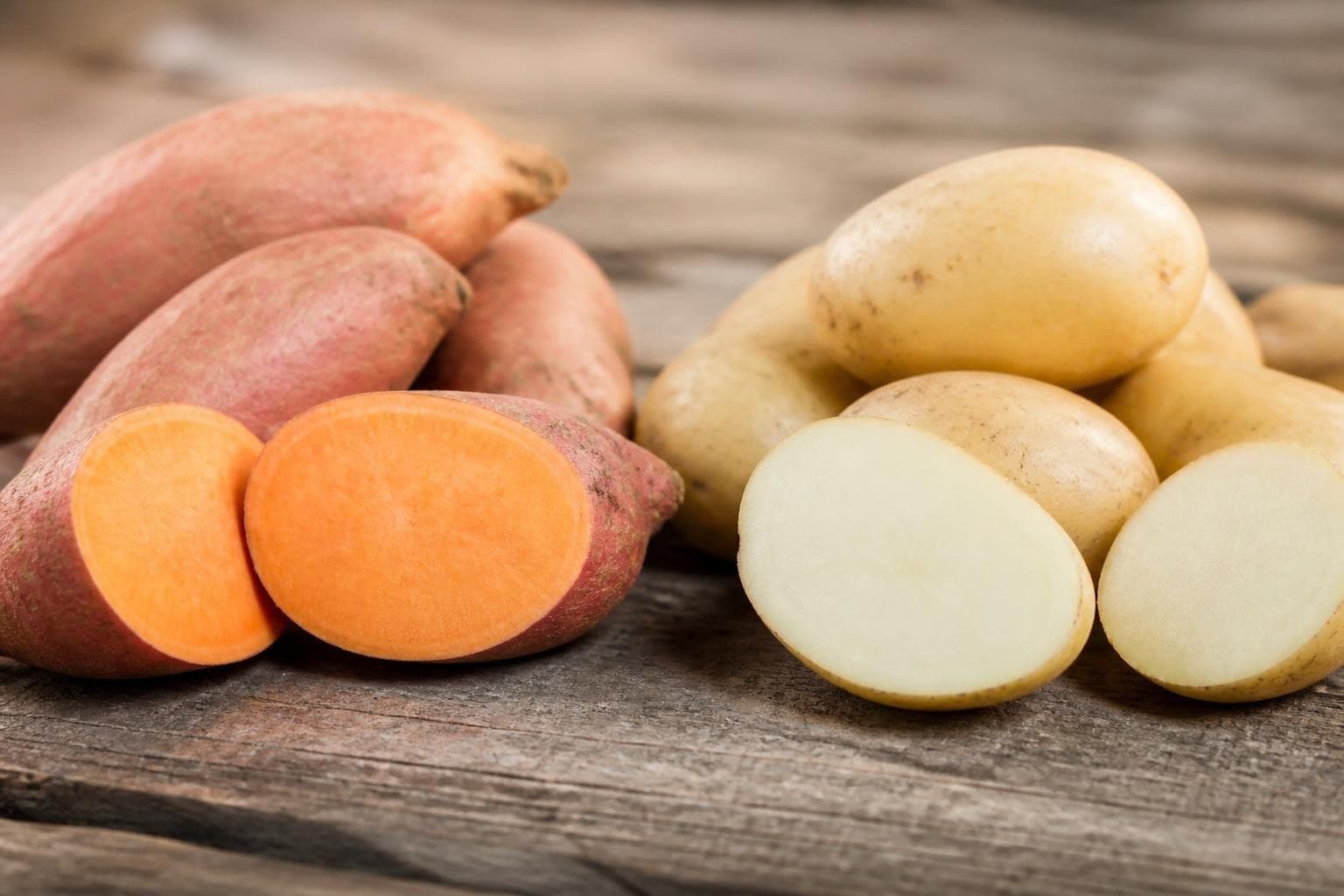
The debate around sweet potato vs white potato continues to shape purchasing decisions for importers, distributors, and retailers worldwide. As consumer demand shifts toward nutrient-dense foods and transparent sourcing, understanding the fundamental differences between these two staple crops becomes essential for supply chain professionals. Both varieties offer distinct nutritional profiles, storage characteristics, and market positioning opportunities that directly impact import strategies and product portfolio development.
Nutritional Composition and Macronutrient Profiles
When analyzing sweet potato vs white potato from a nutritional standpoint, the differences extend beyond simple calorie counts. Both tubers provide valuable carbohydrates, but their micronutrient density varies significantly.
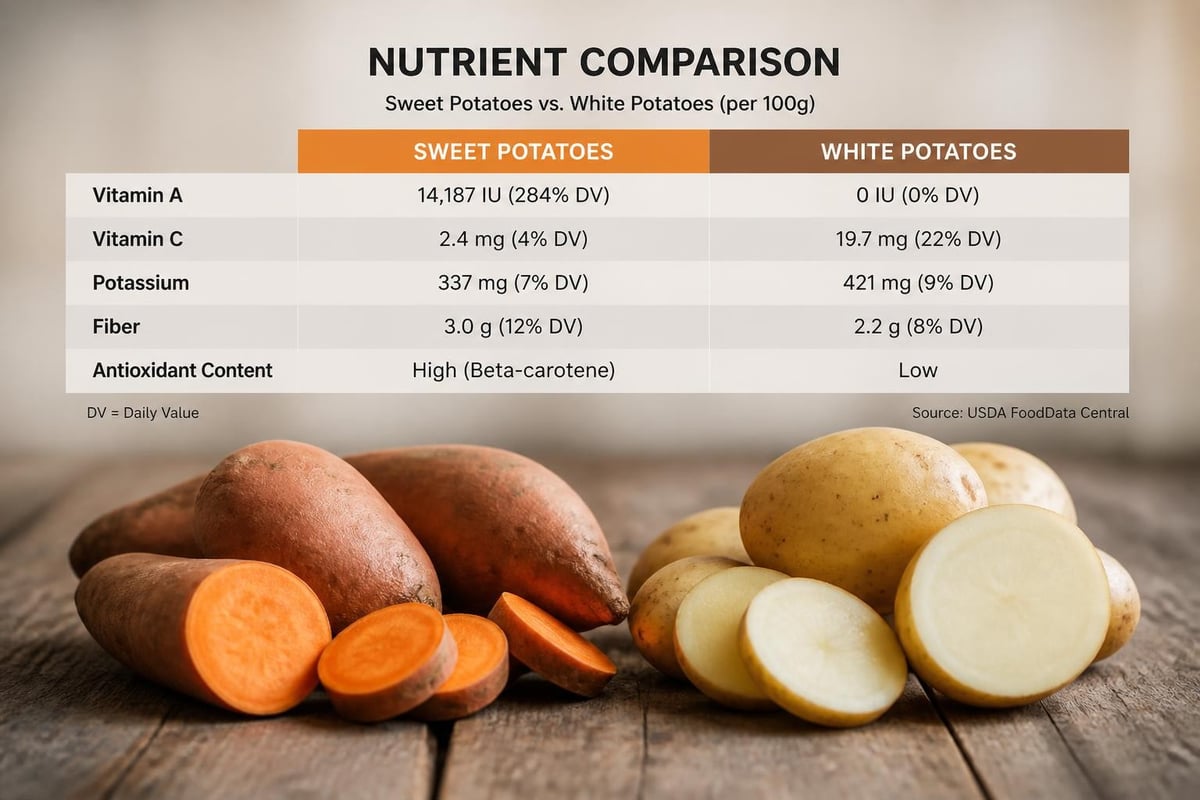
Sweet potatoes deliver exceptional beta-carotene content, with a single medium-sized tuber providing over 400% of the daily vitamin A requirement. This antioxidant advantage positions sweet potatoes as a premium product in health-conscious markets across North America, Europe, and Asia. White potatoes, conversely, offer higher potassium levels and comparable vitamin C content, making them equally valuable for different consumer segments.
Vitamin and Mineral Density
The micronutrient comparison reveals strategic insights for B2B buyers:
- Vitamin A: Sweet potatoes contain 19,218 IU per medium tuber versus negligible amounts in white potatoes
- Vitamin C: White potatoes provide approximately 45% of daily needs; sweet potatoes offer 37%
- Potassium: White potatoes deliver 926mg per serving compared to 542mg in sweet potatoes
- Fiber content: Sweet potatoes edge ahead with 3.8g versus 3.6g in white varieties
These differences influence product positioning strategies. Importers targeting health food retailers and premium supermarket chains often prioritize sweet potato varieties with high antioxidant profiles, while foodservice distributors may balance both types to serve diverse menu requirements.
Glycemic Index and Blood Sugar Impact
The glycemic index (GI) distinction between sweet potato vs white potato significantly affects market positioning, particularly for health-focused brands and specialty food distributors. Understanding these differences enables more effective product marketing and customer education.
Research from Healthline's glycemic index analysis demonstrates that cooking methods dramatically alter GI values. Boiled sweet potatoes typically register a GI of 44-61, while baked varieties can reach 94. White potatoes show similar variability, with boiled versions averaging 82 and baked potatoes climbing above 110.
Cooking Method Impact on Glycemic Response
For food manufacturers and institutional buyers, processing specifications matter:
| Preparation Method | Sweet Potato GI | White Potato GI | Export Consideration |
|---|---|---|---|
| Boiled | 44-61 | 82-88 | Requires quality grading for uniform cooking |
| Baked | 94-96 | 111+ | Moisture content affects final texture |
| Roasted | 82-87 | 95-98 | Size consistency critical for batch processing |
| Steamed | 63-66 | 65-70 | Preferred for pre-packaged products |
The detailed glycemic comparison reveals that cooling potatoes after cooking creates resistant starch, lowering the glycemic response by 25-30%. This scientific insight creates opportunities for ready-meal manufacturers and meal-kit companies seeking to optimize nutritional profiles.
Indonesian sweet potatoes, particularly those cultivated in West Java's volcanic soils, tend to have naturally higher fiber content that moderates glycemic impact. This geographical advantage supports premium positioning in international markets where nutritional transparency drives purchasing decisions.
Agricultural Characteristics and Export Quality Considerations
When evaluating sweet potato vs white potato for bulk procurement, agricultural factors directly influence supply chain reliability, shelf life, and product consistency. These operational considerations often outweigh nutritional differences in large-scale purchasing decisions.
Sweet potatoes demonstrate superior storage stability under proper conditions, maintaining quality for 6-8 months when held at 13-15°C with 85-90% humidity. White potatoes require cooler temperatures (4-7°C) and typically store for 4-6 months before quality degradation accelerates. For ocean freight shipments from Indonesia to European or American destinations, proper export packaging becomes critical.
Growing Season and Harvest Planning
Supply chain managers must coordinate procurement around regional growing patterns:
- Indonesian sweet potato harvest cycles: Primary harvest occurs March-May and September-November in West Java
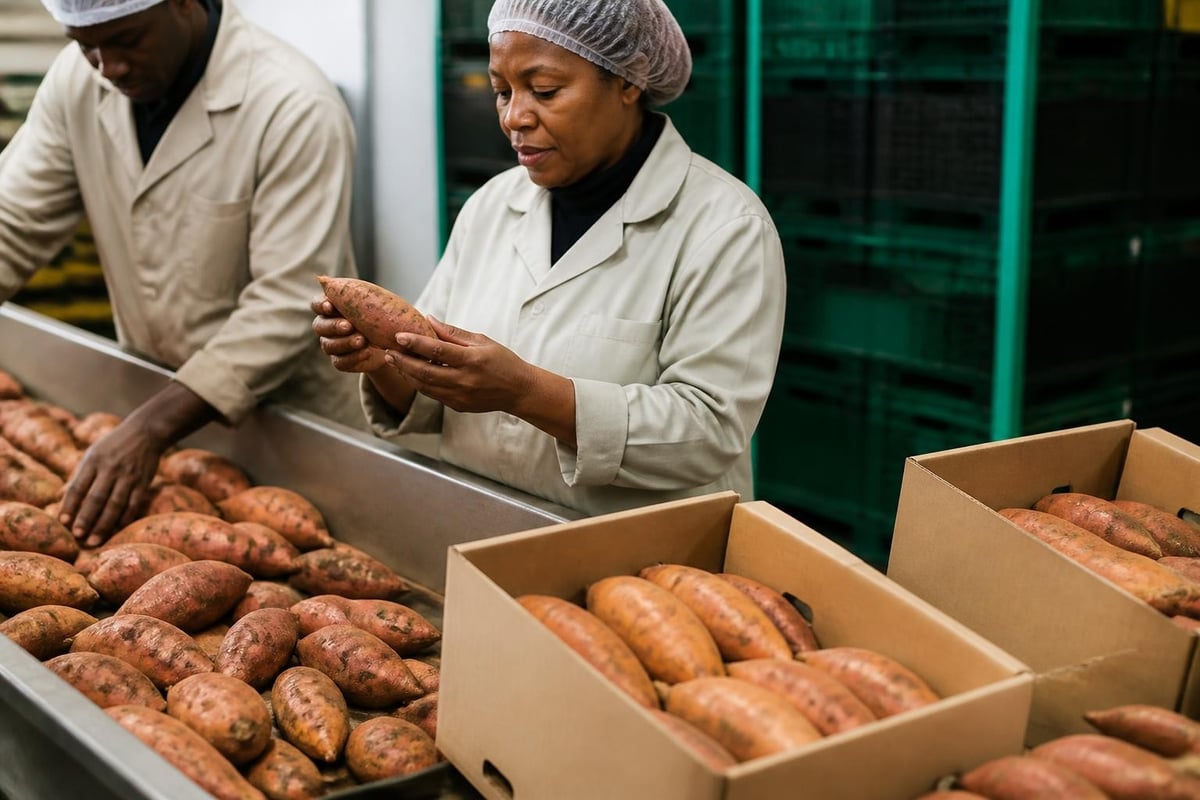
- Quality grading at source: Color uniformity, size consistency, and absence of mechanical damage determine export grade
- Post-harvest handling: Curing sweet potatoes at 29-32°C for 5-7 days heals surface damage and extends shelf life
- Container loading optimization: Ventilated packaging prevents moisture accumulation during 25-35 day transit periods
The Indonesian sweet potato export infrastructure has matured significantly, with established logistics networks connecting West Java farms to major shipping ports in Jakarta and Surabaya. This development enables consistent year-round supply for international buyers through coordinated harvest planning across multiple farm partners.
Market Positioning and Consumer Demand Trends
The sweet potato vs white potato comparison extends into consumer preference patterns that influence retailer purchasing strategies. Market research from 2024-2026 shows distinct regional variations in demand drivers.
North American markets increasingly favor orange-flesh sweet potatoes for their perceived health benefits, with retail sales growing 18% annually in the natural and organic channels. European buyers show strong interest in purple-flesh varieties for their anthocyanin content and visual appeal in premium prepared foods. Asian markets, particularly Japan and South Korea, maintain consistent demand for chestnut-type sweet potatoes with dry, sweet flesh characteristics.
Retail Channel Requirements
Different distribution channels impose specific quality parameters:
- Supermarket chains: Size uniformity (150-300g per tuber), minimal blemishes, consistent color
- Organic retailers: Certified organic status, traceability documentation, premium appearance standards
- Foodservice distributors: Bulk sizing options, year-round availability, competitive pricing structures
- Food manufacturers: Analytical specifications for dry matter content, sugar levels, color values
Understanding these requirements enables strategic sourcing decisions that align product quality with channel expectations. Indonesian exporters working with established farm networks can meet diverse specifications through variety selection and harvest timing coordination.
Processing Applications and Industrial Use Cases
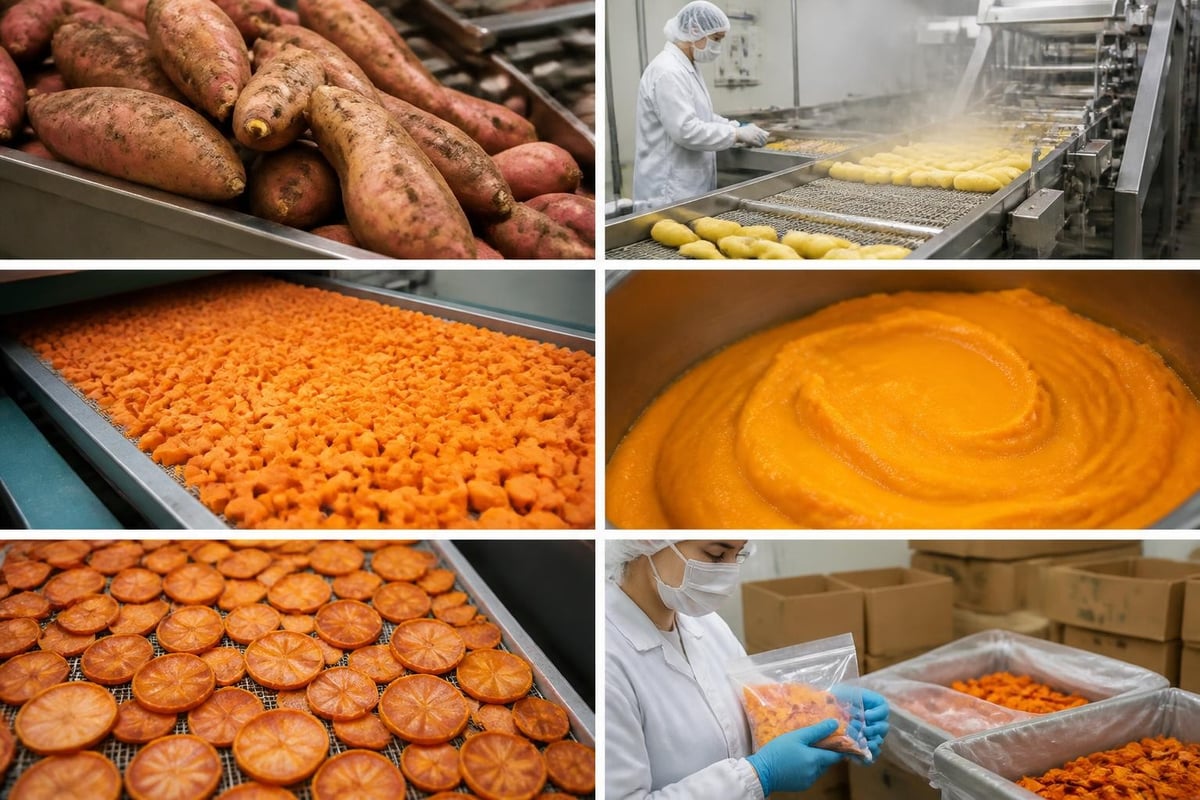
Beyond fresh market distribution, the sweet potato vs white potato comparison reveals different industrial processing opportunities. Food manufacturers evaluate these tubers based on functional properties, processing yields, and finished product characteristics.
Sweet potatoes excel in applications requiring natural sweetness and vibrant color. Their higher sugar content (4-7% versus 0.5-2% in white potatoes) reduces the need for added sweeteners in processed products. The beta-carotene content provides natural coloring that appeals to clean-label product developers seeking to eliminate synthetic additives.
Processing Yield and Efficiency Metrics
| Product Category | Sweet Potato Advantage | White Potato Advantage | Key Consideration |
|---|---|---|---|
| Frozen fries | Natural sweetness, color retention | Crisp texture, neutral flavor | Target market preference |
| Purees/baby food | High vitamin A, natural sweetness | Smooth texture, mild taste | Nutritional labeling benefits |
| Chips/snacks | Unique flavor profile, visual appeal | Superior crispness, familiar taste | Production equipment compatibility |
| Dehydrated products | Rich color, longer rehydration stability | Neutral base for flavoring | Moisture content at harvest |
The health benefits of sweet potatoes translate into marketing advantages for processed food companies. Products featuring sweet potatoes can emphasize vitamin A content, antioxidant properties, and fiber contribution on nutrition labels, supporting premium pricing strategies.
Indonesian processing facilities have expanded capacity to serve both fresh and value-added export markets. This dual capability provides flexibility for buyers seeking to test markets with fresh products before committing to larger processed-goods contracts.
Sourcing Strategy and Supply Chain Optimization
For importers building reliable supply chains, the sweet potato vs white potato decision involves multiple strategic factors beyond product attributes. Supply base diversification, country-of-origin considerations, and supplier capability assessments determine long-term partnership viability.
Indonesian sweet potato production offers distinct advantages for international buyers. The equatorial growing conditions in West Java provide two harvest seasons annually, reducing supply gaps that occur with single-harvest origins. Volcanic soil composition contributes to nutrient density and flavor development that differentiate Indonesian sweet potatoes in competitive markets.
Supplier Evaluation Framework
Professional buyers should assess potential sweet potato suppliers across multiple dimensions:
- Farm network size and geographic distribution: Multiple growing regions ensure harvest continuity
- Quality management systems: HACCP certification, traceability protocols, third-party audits
- Export documentation capability: Phytosanitary certificates, commercial invoices, certificates of origin
- Logistics coordination experience: Container stuffing oversight, shipping schedule management, customs clearance support
- Communication infrastructure: English-language capability, responsive customer service, proactive issue resolution
The relationship between Indonesian sweet potato farms and export trading companies varies significantly. Direct farm partnerships provide greater quality control and cost efficiency compared to multi-layer intermediary structures. Buyers should verify farm relationships through facility visits or third-party verification when establishing new supplier partnerships.
Food Safety and Regulatory Compliance
International trade in sweet potato vs white potato products requires strict adherence to destination market regulations. Food safety standards, pesticide residue limits, and documentation requirements vary across import jurisdictions, creating complexity for both exporters and buyers.
Sweet potatoes destined for European Union markets must comply with EU Regulation 396/2005 on pesticide residues, which sets maximum residue limits (MRLs) for agricultural products. The Cleveland Clinic's nutritional comparison emphasizes that conventionally grown potatoes of both types may contain pesticide residues, making organic certification increasingly valuable for premium market positioning.
Export Compliance Documentation
Standard documentation for sweet potato shipments includes:
- Phytosanitary certificates: Issued by Indonesian agricultural authorities certifying pest-free status
- Health certificates: Confirming compliance with destination country food safety requirements
- Certificates of origin: Establishing Indonesian production for preferential tariff treatment
- Commercial invoices: Accurate product description, HS codes, quantity, and value declarations
- Laboratory test reports: Pesticide residue analysis, heavy metal testing, microbiological screening
Working with established Indonesian sweet potato exporters streamlines compliance management. Experienced trading companies maintain relationships with accredited testing laboratories and government inspection services, reducing delays and ensuring documentation accuracy.
Pricing Dynamics and Contract Structures
The sweet potato vs white potato pricing comparison reveals significant market variations based on variety, quality grade, and destination market. Sweet potatoes typically command 15-40% price premiums over white potatoes in international markets, reflecting their nutritional positioning and specialized production requirements.
Indonesian FOB prices for export-grade sweet potatoes range from $450-$750 per metric ton depending on variety and specification. Orange-flesh varieties generally price at the lower end, while specialty types like Japanese purple sweet potatoes can exceed $900 per metric ton for premium grades.
Contract Term Considerations
Long-term supply agreements should address:
- Volume commitments: Minimum and maximum quantities per shipment period
- Quality specifications: Detailed grading standards, acceptable defect levels, sampling protocols
- Pricing mechanisms: Fixed pricing, index-based adjustments, or periodic renegotiation terms
- Force majeure provisions: Weather events, transportation disruptions, regulatory changes
- Payment terms: Letter of credit requirements, payment timelines, currency denomination
The seasonal nature of sweet potato production makes flexible contract structures valuable. Annual framework agreements with quarterly volume allocations provide supply security while accommodating harvest variability and market demand fluctuations.
Variety Selection and Market Differentiation
When comparing sweet potato vs white potato options, variety selection creates competitive differentiation opportunities. Indonesian production spans multiple sweet potato types, each suited to specific market segments and culinary applications.
The Cilembu variety, native to West Java, has gained international recognition for its honey-sweet flavor when baked. This distinctive characteristic supports premium positioning in markets where consumers seek unique taste experiences. Similarly, Murasaki-type sweet potatoes with purple skin and white flesh appeal to Japanese and Korean buyers familiar with traditional Asian varieties.
Consumer education materials highlighting the nutritional benefits of sweet potatoes compared to white potatoes can strengthen retail sell-through. Point-of-sale information explaining vitamin A content, antioxidant properties, and versatile preparation methods helps justify premium pricing and builds category awareness.
Quality Control and Pre-Shipment Inspection
Professional importers conducting sweet potato vs white potato sourcing assessments must implement rigorous quality verification processes. Pre-shipment inspections protect against specification deviations, reduce claims, and ensure consistent product quality across shipments.
Inspection protocols should cover:
- Size distribution: Verifying percentage compliance with contracted size ranges
- Color uniformity: Assessing flesh and skin color consistency within lots
- Defect levels: Quantifying mechanical damage, disease symptoms, sprouting, pest damage
- Packaging integrity: Confirming proper ventilation, weight accuracy, labeling compliance
- Temperature management: Documenting storage conditions prior to container loading
Third-party inspection services provide independent verification, though experienced buyers often conduct direct inspections at origin. The Indonesian export infrastructure includes international inspection companies with local offices, facilitating quality oversight for distant buyers.
Advanced suppliers maintain documented quality management systems that track performance metrics across harvest batches. This data transparency enables continuous improvement and builds confidence in supplier capability over time.
Environmental and Sustainability Considerations
Sustainability expectations increasingly influence the sweet potato vs white potato sourcing equation. Corporate buyers face growing pressure to demonstrate responsible sourcing practices, creating demand for suppliers with verified environmental and social standards.
Sweet potato cultivation in Indonesia's West Java region benefits from natural rainfall patterns that reduce irrigation requirements compared to white potato production in arid climates. This water efficiency advantage supports sustainability narratives that resonate with environmentally conscious retailers and food companies.
Certification programs relevant to international sweet potato trade include:
- GlobalG.A.P.: Good Agricultural Practices certification covering food safety, environmental protection, and worker welfare
- Organic certification: EU organic, USDA organic, or equivalent standards prohibiting synthetic pesticides and fertilizers
- Rainforest Alliance: Environmental conservation and social responsibility standards
- Fair trade certification: Ensuring fair compensation and community development support
While certification adds costs, it also opens access to premium market segments and strengthens brand positioning. Buyers should assess certification requirements based on target customer expectations and competitive positioning strategies.
Understanding the comprehensive differences in the sweet potato vs white potato comparison enables more informed sourcing decisions that align product attributes with market opportunities and customer requirements. Both tubers offer valuable nutritional and culinary properties, but sweet potatoes increasingly capture consumer preference in health-conscious markets worldwide. For international buyers seeking reliable access to premium Indonesian sweet potatoes with consistent quality and transparent supply chains, PT Cakra Baja Niaga partners directly with established West Java farms to deliver export-grade products year-round. Contact our export team today for detailed product specifications, pricing quotations, and sample shipment arrangements tailored to your specific market requirements.
Looking to source premium Indonesian sweet potatoes?
PT Cakra Baja Niaga supplies export-grade Cilembu, Purple, and Murasaki varieties to buyers worldwide.
Continue reading
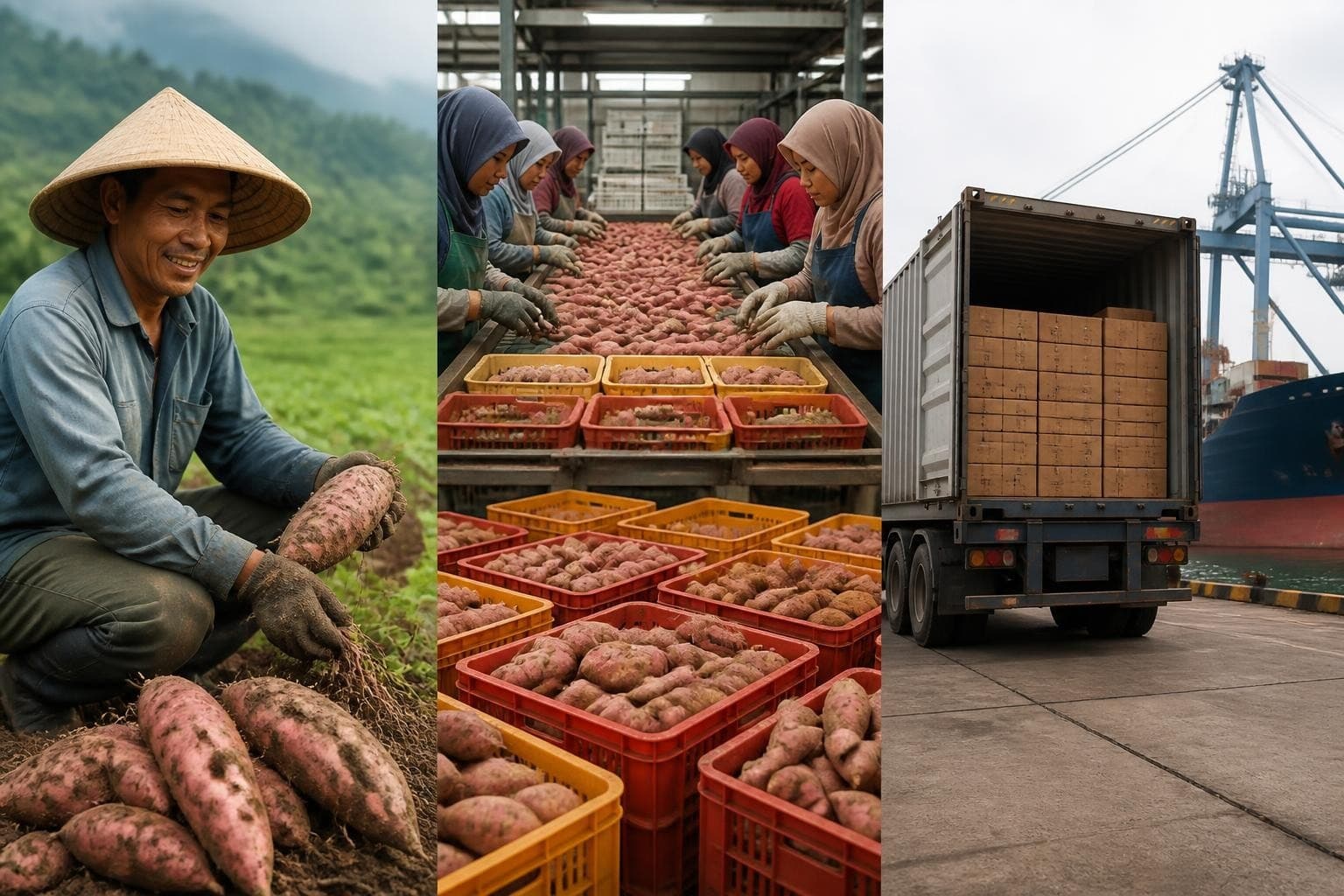
Wholesale Sweet Potatoes Indonesia: B2B Export Guide 2026
Source premium wholesale sweet potatoes Indonesia for import. Quality standards, export logistics, varieties, pricing & supplier partnerships.
Read article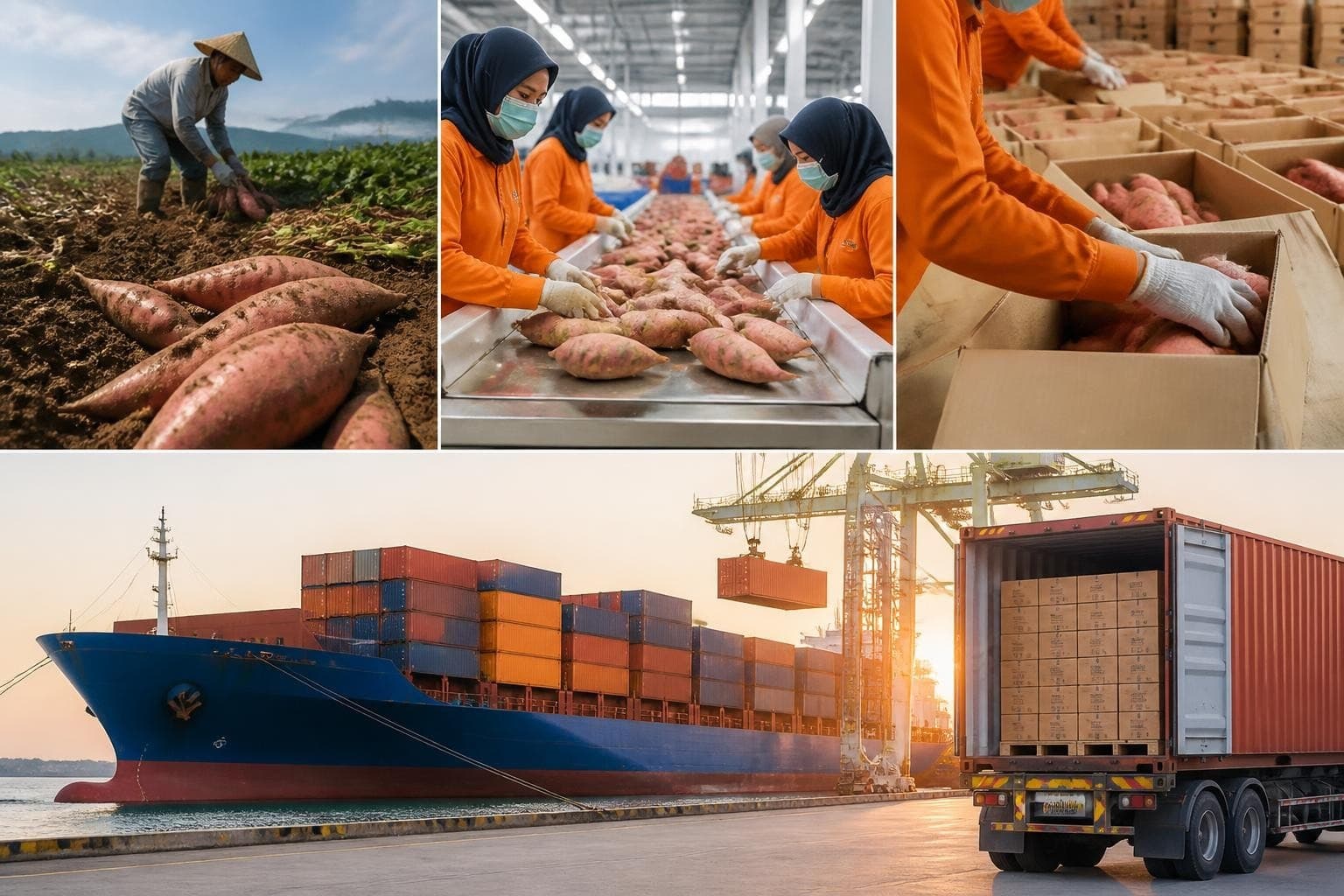
Sweet Potatoes Supplier Indonesia: Quality & Export Guide
Find reliable sweet potatoes supplier Indonesia offering premium export quality. Learn about sourcing, grading, logistics, and partnerships.
Read article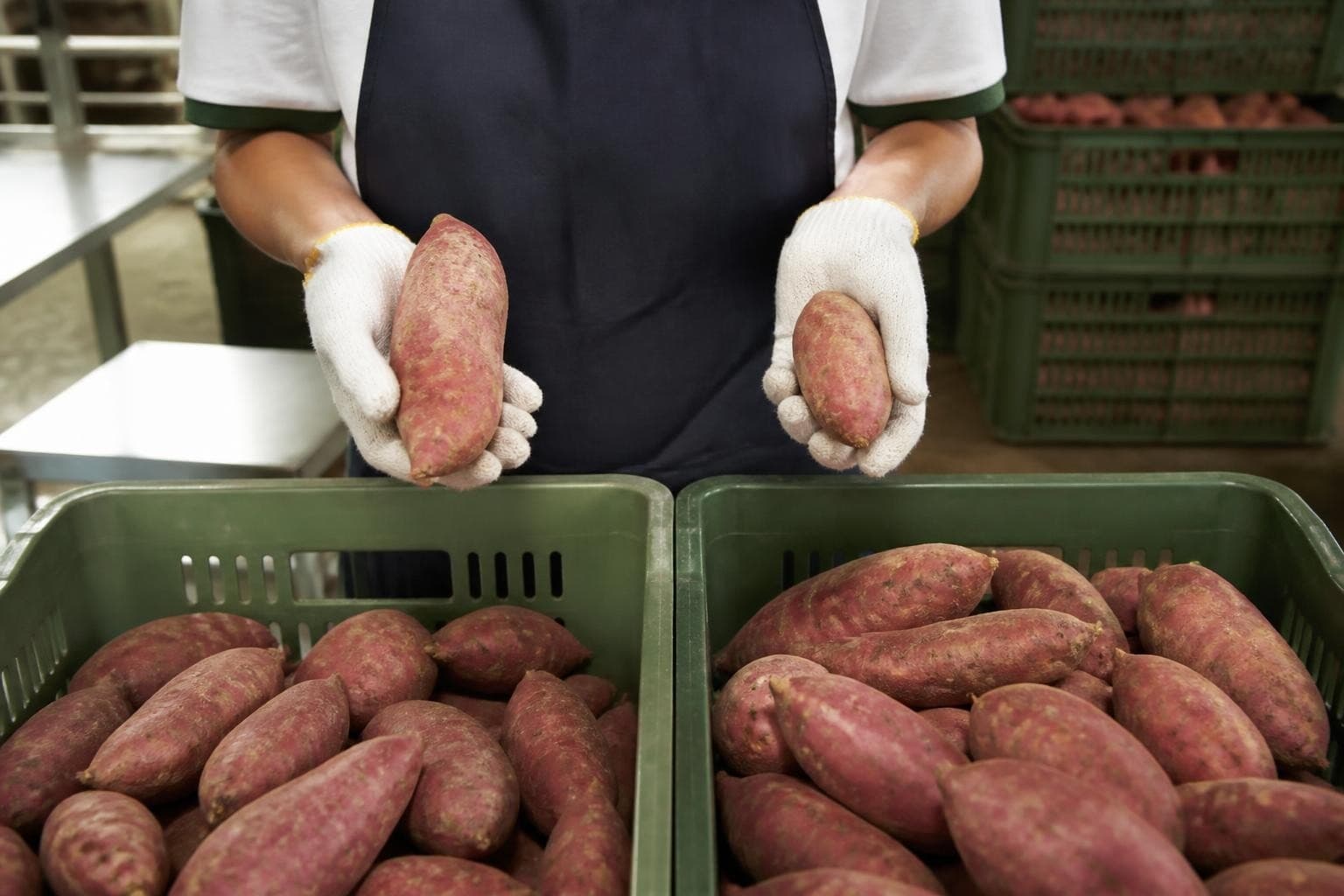
Sweet Potatoes Grading Guide for International Buyers
Comprehensive sweet potatoes grading guide for exporters and importers. Learn USDA standards, size classification, defect tolerance, and quality control.
Read article