
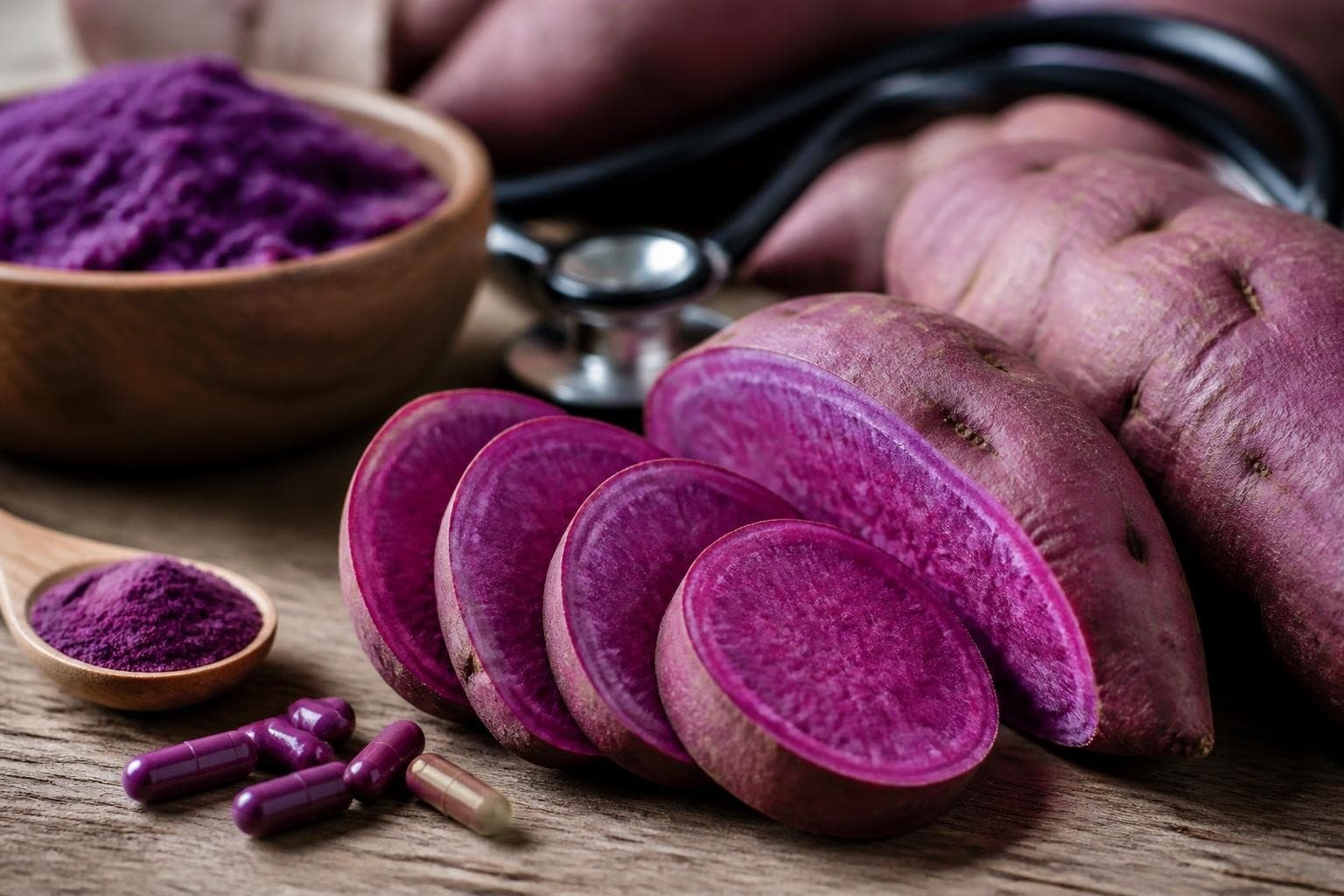
Discover the proven health benefits of purple sweet potatoes and why international buyers are sourcing premium varieties from Indonesia's exporters.
Purple sweet potatoes have emerged as a strategic commodity for international buyers seeking to meet rising consumer demand for functional foods with documented health benefits. The benefit of purple sweet potatoes extends beyond their distinctive appearance, encompassing a range of bioactive compounds that position these tubers as premium ingredients for health-conscious markets. For importers, distributors, and food manufacturers, understanding these advantages is essential when evaluating suppliers and sourcing decisions from major production regions like Indonesia.
Nutritional Profile and Bioactive Compounds
Purple sweet potatoes distinguish themselves through exceptionally high concentrations of anthocyanins, the pigments responsible for their deep purple coloration. These water-soluble flavonoids serve dual functions: providing visual appeal and delivering measurable health outcomes.
The anthocyanin content in purple varieties typically ranges from 20 to 600 mg per 100 grams of fresh weight, significantly exceeding levels found in orange or white sweet potato cultivars. This variation depends on specific cultivar genetics, growing conditions, and post-harvest handling practices.
Key Nutritional Components
Beyond anthocyanins, purple sweet potatoes provide:
- Dietary fiber: 2.5-3.5 grams per 100 grams, supporting digestive health
- Vitamin C: 15-20 mg per 100 grams, maintaining antioxidant capacity during storage
- Potassium: 300-400 mg per 100 grams, essential for cardiovascular function
- Beta-carotene: Present in moderate amounts even in purple-fleshed varieties
- Polyphenolic compounds: Including chlorogenic acid and caffeic acid derivatives
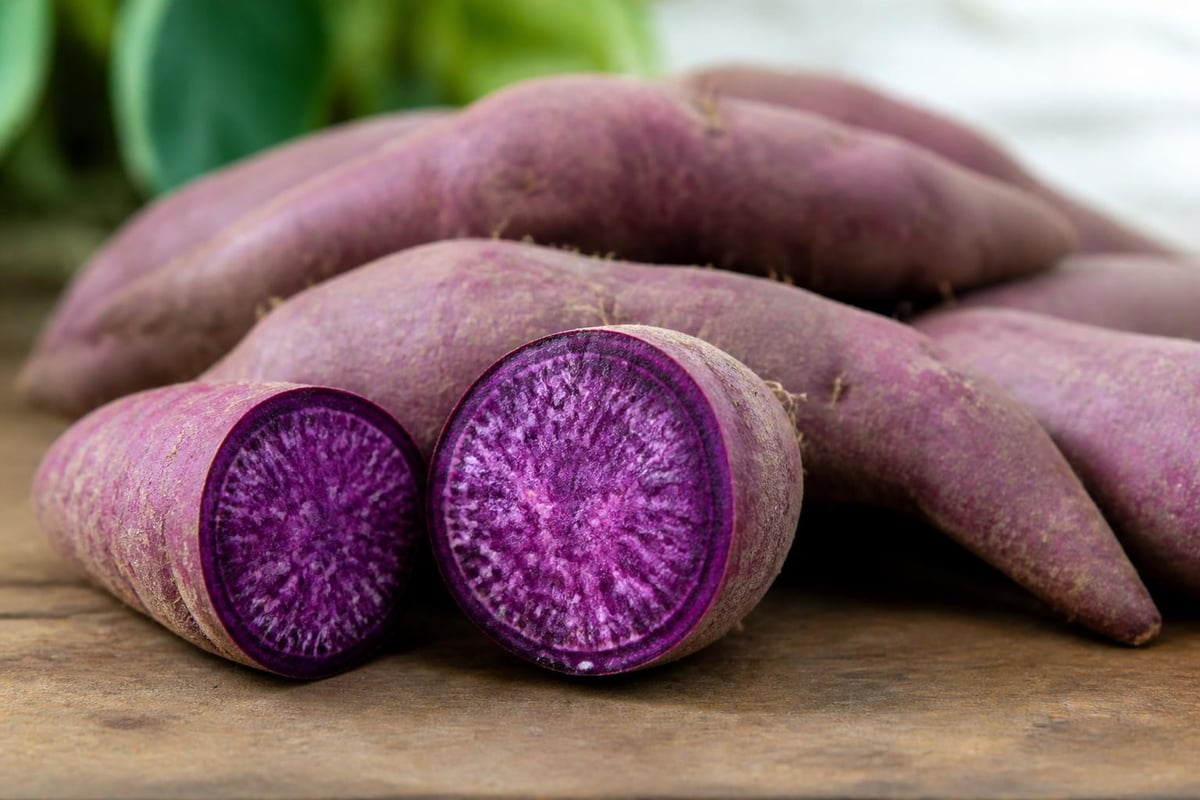
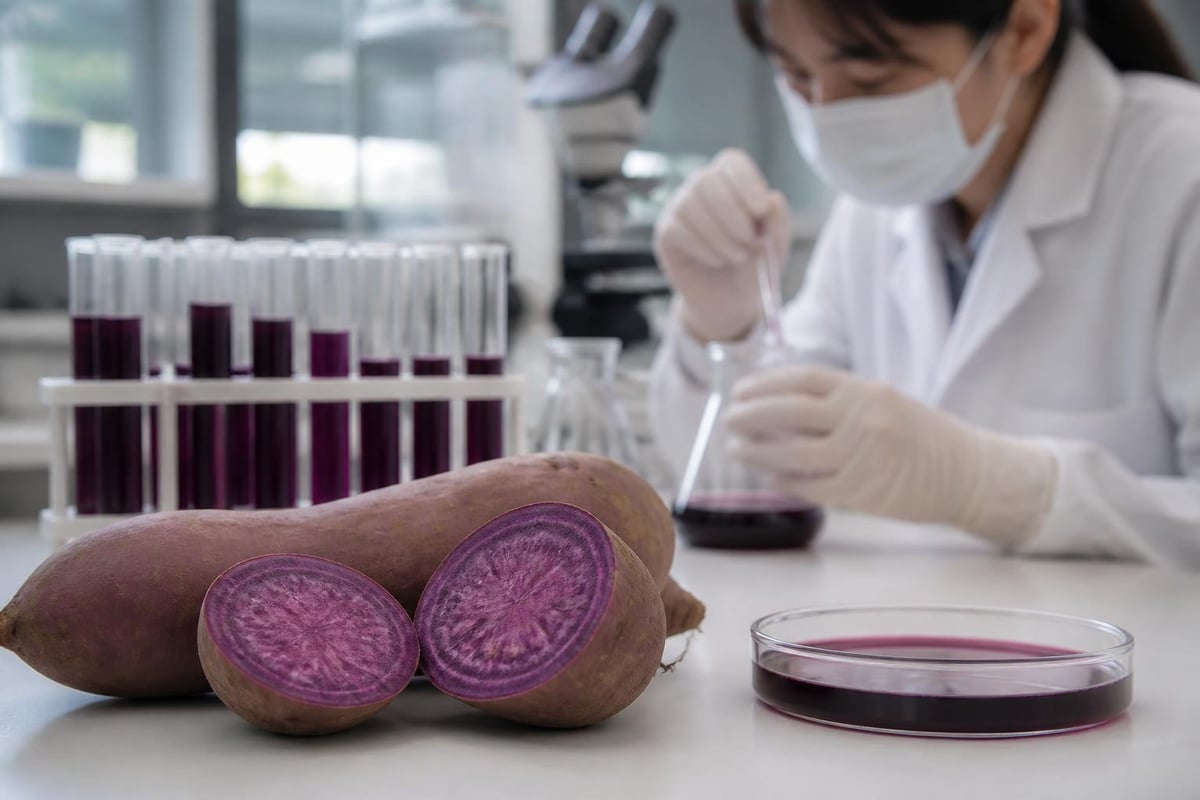
For food manufacturers developing functional products, these compounds remain relatively stable during processing. Research conducted by the USDA Agricultural Research Service confirms that purple sweet potato anthocyanins demonstrate antioxidant, anti-inflammatory, and metabolic regulation effects, supporting their use in value-added applications.
Cardiovascular Health Benefits
The benefit of purple sweet potatoes for cardiovascular wellness has gained attention from food industry professionals targeting health-focused consumer segments. Multiple clinical pathways contribute to these outcomes.
A 2026 meta-analysis examining dietary anthocyanin intake documented improvements in cardiometabolic health markers among healthy participants, including reductions in blood pressure, favorable lipid profile modifications, and decreased inflammation markers. These findings directly support product positioning claims for retail and institutional food service applications.
Mechanisms Supporting Heart Health
| Cardiovascular Benefit | Mechanism | Buyer Relevance |
|---|---|---|
| Blood pressure reduction | Nitric oxide pathway enhancement | Clean-label functional foods |
| LDL cholesterol lowering | Antioxidant protection of lipoproteins | Heart-health product lines |
| Inflammation reduction | Cytokine modulation | Medical nutrition applications |
| Endothelial function | Improved vascular reactivity | Premium ingredient positioning |
The anthocyanins in purple sweet potatoes work through multiple pathways simultaneously. They scavenge reactive oxygen species, reduce oxidative modification of LDL cholesterol, and support endothelial nitric oxide production. For distributors serving health food retailers, these mechanisms provide scientifically grounded marketing narratives.
When considering sweet potato glycemic index values, purple varieties typically demonstrate lower glycemic responses compared to some orange cultivars, adding another cardiovascular advantage through improved glucose management.
Anti-Inflammatory and Antioxidant Properties
Chronic inflammation underlies numerous health conditions, making anti-inflammatory ingredients increasingly valuable to food manufacturers. The benefit of purple sweet potatoes in this domain stems from their exceptional antioxidant capacity.
Purple sweet potato extracts demonstrate ORAC (Oxygen Radical Absorbance Capacity) values ranging from 6,000 to 10,000 μmol TE/100g, placing them among the highest-scoring vegetables. This translates to practical oxidative stress reduction in human systems.
Research on purple sweet potato varieties from Thailand revealed that extracts, particularly from the peel, suppress pro-inflammatory cytokines including TNF-α, IL-6, and IL-1β. These findings support applications in functional beverage formulations and dietary supplements targeting inflammatory conditions.
Practical Applications for Food Manufacturers
Anthocyanin stability during processing requires careful parameter control:
- Temperature management: Maintain processing below 90°C when possible
- pH optimization: Slightly acidic conditions (pH 3-4) preserve color and activity
- Light protection: Opaque packaging materials prevent photodegradation
- Oxygen exclusion: Modified atmosphere or vacuum packaging extends shelf life
A systematic review of animal studies documented purple sweet potato's antioxidant, anti-inflammatory, and immunomodulatory effects, providing mechanistic understanding valuable for technical documentation required by international buyers.
For importers sourcing from Indonesia, understanding how premium Indonesian sweet potatoes are cultivated and handled directly impacts these bioactive compound levels at destination markets.
Weight Management and Metabolic Health
The benefit of purple sweet potatoes for weight management applications has attracted attention from manufacturers developing obesity-intervention products and sports nutrition lines. Multiple mechanisms contribute to these effects.
Animal model research demonstrates that purple sweet potato consumption reduces visceral fat accumulation under high-fat diet conditions by attenuating inflammation and promoting adipocyte browning. While human clinical trials continue, these preclinical findings support product development positioning.
Metabolic Advantages
Purple sweet potatoes influence metabolism through several pathways:
- Satiety enhancement: High fiber content increases fullness signals
- Glucose regulation: Anthocyanins improve insulin sensitivity
- Fat oxidation: Bioactive compounds may enhance lipid metabolism
- Gut microbiota: Resistant starch feeds beneficial bacteria
For distributors serving weight loss market segments, purple varieties offer differentiation from conventional orange sweet potatoes through higher anthocyanin content and documented metabolic effects.
The fiber content in purple sweet potatoes, particularly when skin is retained, provides additional metabolic benefits. Food service buyers developing menu items should note that preparation methods significantly impact these outcomes.
Export Quality Considerations for International Buyers
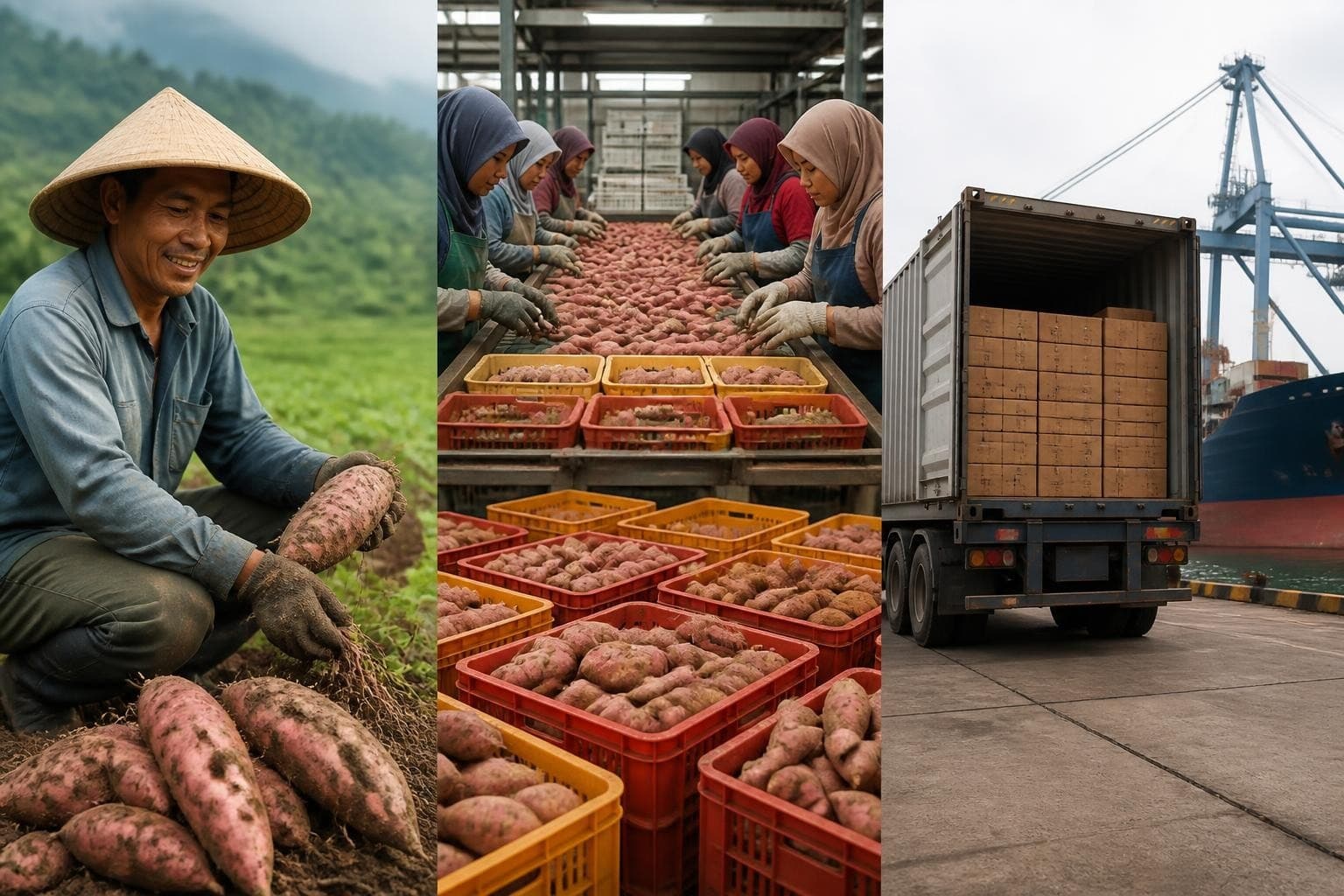
Maximizing the benefit of purple sweet potatoes requires careful attention to export quality standards, post-harvest handling, and supply chain management. For international buyers, sourcing from established Indonesian exporters ensures bioactive compound preservation.
Quality Parameters Affecting Health Benefits
| Quality Factor | Impact on Benefits | Buyer Verification |
|---|---|---|
| Harvest maturity | Anthocyanin concentration | Supplier certification |
| Curing protocols | Storage life and nutrient retention | Process documentation |
| Temperature control | Enzyme activity and degradation rates | Cold chain monitoring |
| Transit duration | Antioxidant capacity preservation | Logistics planning |
Indonesian production regions, particularly West Java, benefit from volcanic soils rich in minerals that enhance phytonutrient accumulation. Buyers should inquire about farming practices in Indonesia that preserve these quality attributes.
When evaluating suppliers, request information about:
- Cultivar selection: Specific purple varieties and their documented anthocyanin profiles
- Harvest timing: Protocols ensuring optimal maturity for maximum bioactive content
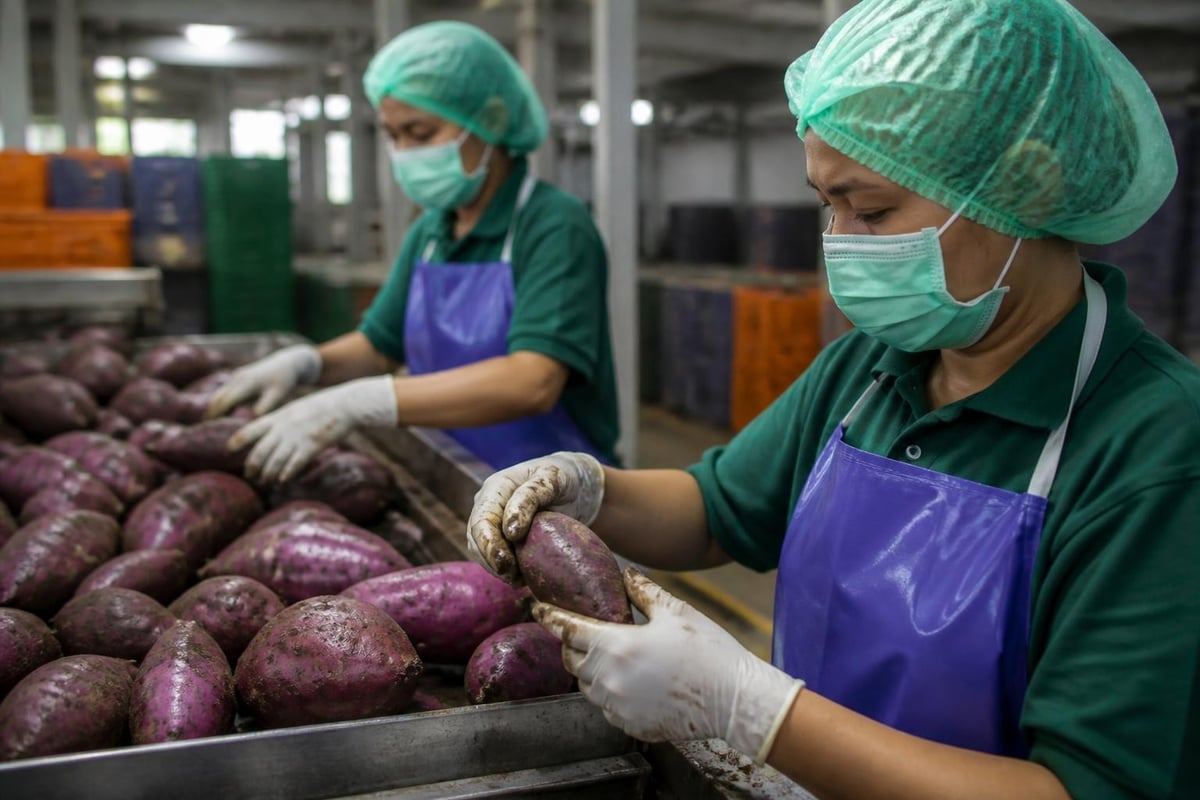
- Post-harvest handling: Curing, cleaning, and grading procedures
- Export packaging: Materials and methods protecting tuber integrity during international shipping
- Documentation: Certificates of analysis confirming nutritional specifications
Sourcing Strategies for International Markets
Successful commercialization of the benefit of purple sweet potatoes requires strategic sourcing relationships with reliable Indonesian exporters. Market dynamics in 2026 favor buyers who establish direct partnerships with origin suppliers.
Procurement Best Practices
Volume planning should account for seasonal production cycles in Indonesia. The harvest calendar influences availability and pricing throughout the year. Peak harvest periods typically offer optimal quality-to-cost ratios.
Specification development must clearly define:
- Minimum anthocyanin content (if targeting functional food applications)
- Size grading requirements (typically 150-250g or 250-400g categories)
- Defect tolerances (surface blemishes, internal discoloration)
- Packaging formats (bulk cartons, consumer-ready bags)
- Labeling and certification needs (organic, GlobalGAP, food safety)
For buyers new to sweet potato imports, reviewing import requirements for destination markets prevents costly compliance issues. Phytosanitary certificates, fumigation protocols, and inspection procedures vary significantly by country.
Building Supplier Relationships
Direct relationships with Indonesian exporters provide several advantages over intermediary brokers:
- Traceability: Direct farm-to-buyer documentation for food safety compliance
- Customization: Tailored grading, sizing, and packaging specifications
- Consistency: Season-to-season supply continuity through contracted volumes
- Technical support: Agronomic insights on variety characteristics and handling requirements
- Price stability: Reduced intermediary margins and more predictable cost structures
Working with established exporters like those specializing in bulk sweet potato supply ensures infrastructure capacity for container-load shipments and consistent quality systems.
Market Positioning and Consumer Trends
Understanding how end consumers perceive the benefit of purple sweet potatoes helps B2B buyers make informed sourcing decisions. Several trends drive demand across international markets in 2026.
Clean label movement: Consumers increasingly seek recognizable ingredients with inherent nutritional value rather than fortified products. Purple sweet potatoes deliver color and function without artificial additives, aligning perfectly with this trend.
Plant-based eating: As flexitarian and vegetarian diets expand, nutrient-dense vegetables like purple sweet potatoes fill nutritional gaps previously met by animal products. Their protein content, while modest, complements plant-based meal frameworks.
Functional foods: The nutraceutical sector continues robust growth, with anthocyanin-rich ingredients commanding premium positioning. Food manufacturers can leverage clinical research linking purple sweet potato consumption to specific health outcomes.
Ethnic cuisine: Growing interest in Asian flavors creates opportunities for purple sweet potato ingredients in Japanese, Korean, and Southeast Asian prepared foods. Japanese purple varieties particularly resonate with consumers familiar with traditional preparations.
Retail and Food Service Applications
| Market Segment | Application Examples | Key Benefits Emphasized |
|---|---|---|
| Retail grocery | Fresh produce, frozen cubes, chips | Antioxidants, heart health |
| Food service | Restaurant sides, bakery items | Visual appeal, nutrient density |
| Food manufacturing | Purees, powders, extracts | Anthocyanin standardization |
| Dietary supplements | Encapsulated extracts, blends | Anti-inflammatory properties |
The benefit of purple sweet potatoes extends to color-stable natural pigments for food applications, reducing reliance on synthetic dyes. This dual functionality increases their value proposition for product developers.
Technical Specifications for Different Applications
International buyers should align technical specifications with intended end-uses to maximize the benefit of purple sweet potatoes. Different applications prioritize different quality attributes.
Fresh Market vs. Processing
Fresh market buyers prioritize:
- Uniform sizing for retail packaging efficiency
- Unblemished skin for consumer appeal
- Extended shelf life through proper curing
- Consistent varietal characteristics
Processing buyers emphasize:
- Dry matter content (typically 25-35% for optimal processing)
- Anthocyanin concentration (measurable via spectrophotometry)
- Low reducing sugar levels (preventing excessive browning)
- Consistent flesh color intensity
For manufacturers developing dried products, chip lines, or purees, working with Indonesian exporters who understand these processing parameters prevents costly trial-and-error during product development.
Quality Assurance Documentation
Importers should request:
- Pre-shipment inspection reports: Third-party verification of grade standards
- Laboratory analysis: Nutritional composition, including anthocyanin quantification
- Phytosanitary certificates: Government-issued export clearance
- Traceability documentation: Farm origin, harvest date, handling history
- Food safety compliance: HACCP, GMP, or equivalent certifications
Companies like PT Cakra Baja Niaga working directly with partner farms in West Java maintain comprehensive quality systems addressing these requirements, providing buyers with confidence in supply chain integrity.
Competitive Advantages of Indonesian Purple Sweet Potatoes
Indonesia's purple sweet potato production offers specific advantages for international buyers compared to alternative origins. Understanding these benefits informs strategic sourcing decisions.
Year-round production: Equatorial climate enables multiple cropping cycles annually, reducing seasonal supply gaps that affect temperate-zone producers. This consistency supports continuous retail programs without inventory disruptions.
Labor cost competitiveness: Indonesian production economics allow competitive pricing while maintaining quality standards, important for buyers balancing cost targets with premium positioning.
Varietal diversity: Indonesian farms cultivate multiple purple sweet potato varieties, including local landraces and improved cultivars, offering buyers options for different flavor profiles, textures, and anthocyanin concentrations.
Established export infrastructure: Decades of agricultural export experience have created robust logistics networks, cold chain facilities, and trade documentation systems supporting efficient container shipments to global destinations.
Proximity to Asian markets: Geographic location reduces transit time and shipping costs for buyers in East Asia, Southeast Asia, and Australia, preserving freshness and reducing carbon footprint.
For buyers comparing Indonesian suppliers against alternatives from China, Japan, or the Americas, these structural advantages warrant serious consideration. Evaluating Asian sweet potato suppliers should include total landed cost analysis, not just FOB pricing.
Practical Considerations for First-Time Importers
Buyers new to purple sweet potato imports benefit from understanding common challenges and solutions. The benefit of purple sweet potatoes justifies the learning curve, but avoiding early mistakes accelerates program success.
Common Import Challenges
Transit damage: Sweet potatoes are living organisms that continue respiring during shipment. Improper ventilation, temperature fluctuations, or rough handling causes quality deterioration. Solution: Specify ventilated containers, temperature monitoring, and experienced logistics partners.
Regulatory compliance: Different countries maintain varying import restrictions for fresh produce. Solution: Engage customs brokers familiar with agricultural imports and verify all requirements before first shipment.
Specification misalignment: Expectations formed from domestic market experience may not translate internationally. Solution: Request samples before placing commercial orders and establish clear, measurable specifications.
Payment and credit terms: International agricultural trade typically requires letters of credit or advance payment for new buyer relationships. Solution: Budget for these financial instruments and establish banking relationships supporting trade finance.
Building Sustainable Programs
Successful purple sweet potato programs share common characteristics:
- Long-term supplier partnerships: Multi-year relationships enable suppliers to invest in quality improvements and volume expansion
- Regular communication: Proactive dialogue about market feedback, specification adjustments, and production planning
- Realistic volume commitments: Starting with achievable quantities and scaling based on demonstrated market acceptance
- Quality investment: Allocating budget for proper cold storage, handling equipment, and staff training
- Market development: Educating sales teams, retail partners, and consumers about unique benefits
Purple sweet potatoes deliver measurable cardiovascular, metabolic, and anti-inflammatory benefits supported by expanding clinical research, positioning them as premium ingredients for health-conscious international markets. For importers, distributors, and food manufacturers seeking reliable sources of premium purple sweet potatoes, PT Cakra Baja Niaga offers direct access to Indonesian production through established farm partnerships in West Java, ensuring consistent quality, transparent supply chains, and comprehensive export support. Contact our team today for quotations, technical specifications, and sample shipments tailored to your market requirements.
Looking to source premium Indonesian sweet potatoes?
PT Cakra Baja Niaga supplies export-grade Cilembu, Purple, and Murasaki varieties to buyers worldwide.
Continue reading
Wholesale Sweet Potatoes Indonesia: B2B Export Guide 2026
Source premium wholesale sweet potatoes Indonesia for import. Quality standards, export logistics, varieties, pricing & supplier partnerships.
Read article
Sweet Potatoes Supplier Indonesia: Quality & Export Guide
Find reliable sweet potatoes supplier Indonesia offering premium export quality. Learn about sourcing, grading, logistics, and partnerships.
Read article
Sweet Potatoes Grading Guide for International Buyers
Comprehensive sweet potatoes grading guide for exporters and importers. Learn USDA standards, size classification, defect tolerance, and quality control.
Read article