
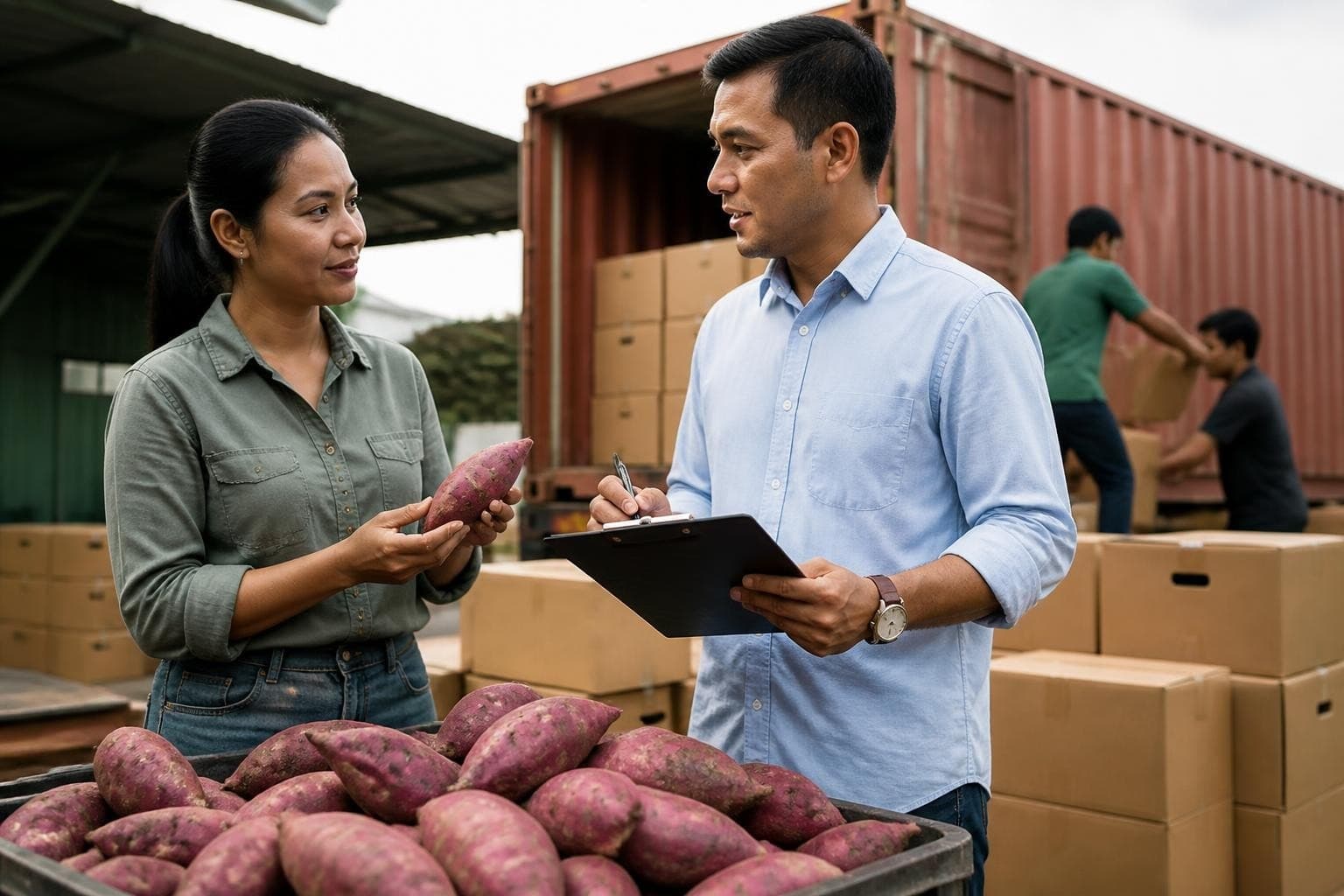
Partner with a reliable sweet potatoes export company for consistent quality & supply. Learn what to look for in sourcing, compliance & logistics.
Selecting the right sweet potatoes export company determines whether your import operations run smoothly or encounter costly disruptions. International buyers seeking reliable suppliers must evaluate multiple factors beyond price, including farming partnerships, quality control systems, regulatory compliance capabilities, and logistics expertise. For importers, distributors, and food manufacturers sourcing from Indonesia, understanding what distinguishes a professional export partner from a transactional supplier creates the foundation for sustainable business relationships and consistent product quality across shipments.
What Defines a Professional Sweet Potatoes Export Company
A credible sweet potatoes export company operates as more than a commodity broker. Professional exporters maintain direct relationships with farming partners, implement systematic quality control protocols, and demonstrate comprehensive knowledge of international trade regulations. These companies invest in postharvest infrastructure, employ trained quality inspectors, and maintain transparent communication channels throughout the supply chain.
Direct Farm Partnerships vs Spot Market Sourcing
Export companies working directly with contracted farms deliver superior consistency compared to those purchasing from spot markets. Direct partnerships enable exporters to specify cultivation practices, monitor crop development, and schedule harvests aligned with buyer requirements. This approach minimizes variability in size, color, and flavor profiles across shipments.
Key advantages of farm-direct sourcing include:
- Traceability to specific growing regions and grower groups
- Ability to implement food safety protocols at farm level
- Predictable supply volumes aligned with planting calendars
- Control over varietal selection and quality standards
- Reduced risk of mixing product from unverified sources
Companies like PT Cakra Baja Niaga maintain partnerships with farms in West Java, allowing them to ensure consistent supply and quality for international buyers. This regional focus creates expertise in specific varietals and growing conditions that benefit importers seeking reliable specifications.
Quality Control Infrastructure and Protocols
Systematic quality management separates professional exporters from opportunistic traders. Effective sweet potatoes export companies operate dedicated packing facilities equipped with washing, grading, and sorting equipment. These facilities implement documented procedures for quality assessment, size classification, and defect removal before packaging.
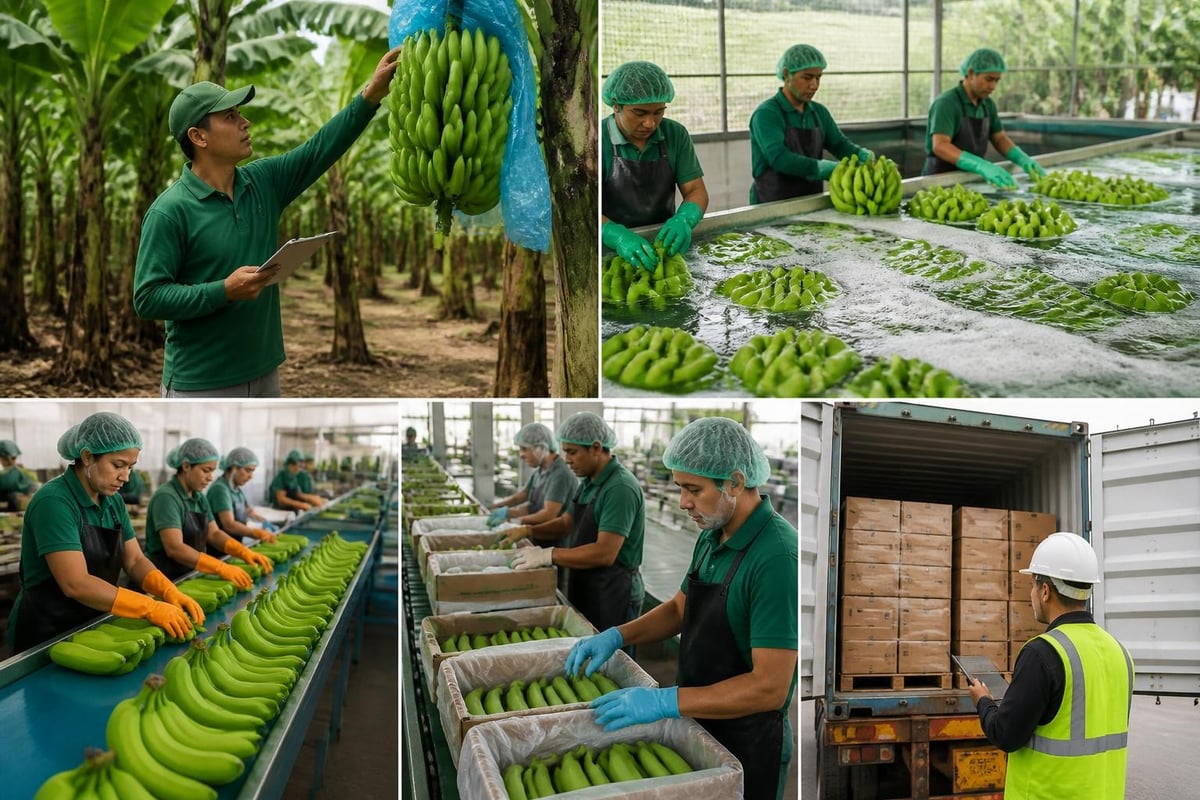
Temperature-controlled storage capacity represents another critical infrastructure element. According to research from NC State Extension on postharvest handling, proper curing at 85-90°F and 85-90% relative humidity for 5-7 days followed by storage at 55-60°F extends shelf life and maintains quality during the export cycle.
Regulatory Compliance and Certification Capabilities
International sweet potato trade requires navigating complex phytosanitary regulations, food safety standards, and documentation requirements. A competent sweet potatoes export company maintains current knowledge of importing country requirements and implements systems to ensure compliance.
Phytosanitary Certification and Pest Management
Most destination markets mandate phytosanitary certificates verifying freedom from quarantine pests and compliance with plant health standards. Export companies must coordinate with national plant protection organizations to obtain these certificates and maintain pest-free production environments.
For buyers targeting European markets, understanding plant health rules for imports into the EU proves essential. Exporters serving these markets implement integrated pest management programs and maintain documentation systems that satisfy EU inspectors.
Food Safety Standards and Third-Party Certifications
International buyers increasingly require third-party certification demonstrating food safety compliance. GLOBALG.A.P. Produce Handling Assurance provides a recognized framework covering postharvest handling, traceability, and hygiene practices relevant to fresh produce export.
| Certification Type | Primary Focus | Key Buyer Categories |
|---|---|---|
| GLOBALG.A.P. | Farm-level practices, traceability | European retailers, major chains |
| HACCP | Food safety hazard control | Food manufacturers, processors |
| Organic (EU/USDA) | Production method verification | Specialty importers, organic retailers |
| ISO 22000 | Food safety management systems | Large-scale buyers, institutional |
Professional exporters maintain current certifications and provide documentation to buyers during qualification processes. Understanding export quality sweet potatoes standards helps importers evaluate whether potential suppliers meet their market requirements.
Export Packaging and Container Loading Expertise
Proper packaging directly impacts product condition upon arrival and determines whether shipments meet buyer specifications. A qualified sweet potatoes export company employs packaging solutions designed for the specific transportation mode, destination climate, and handling conditions.
Packaging Materials and Ventilation Design
Sweet potatoes require packaging that balances protection against mechanical damage with adequate ventilation for respiration. Common export packaging includes:
- Corrugated cartons with ventilation holes (10-15kg capacity)
- Mesh bags for bulk shipments (15-25kg capacity)
- Wooden crates for premium grades (specialized markets)
- Modified atmosphere packaging for extended shelf life
Ventilation design prevents heat buildup during transport, particularly critical in tropical and subtropical shipping lanes. Properly designed packages allow air circulation while providing structural support during stacking and handling. Detailed guidance on sweet potatoes export packaging helps buyers specify appropriate formats for their distribution systems.
Container Loading Optimization and Temperature Management
Efficient container utilization reduces per-unit shipping costs while maintaining product integrity. Professional exporters calculate optimal pallet configurations, allowing adequate airflow around packages while maximizing space utilization. Standard 40-foot refrigerated containers typically accommodate 20-26 pallets depending on package dimensions and stacking patterns.
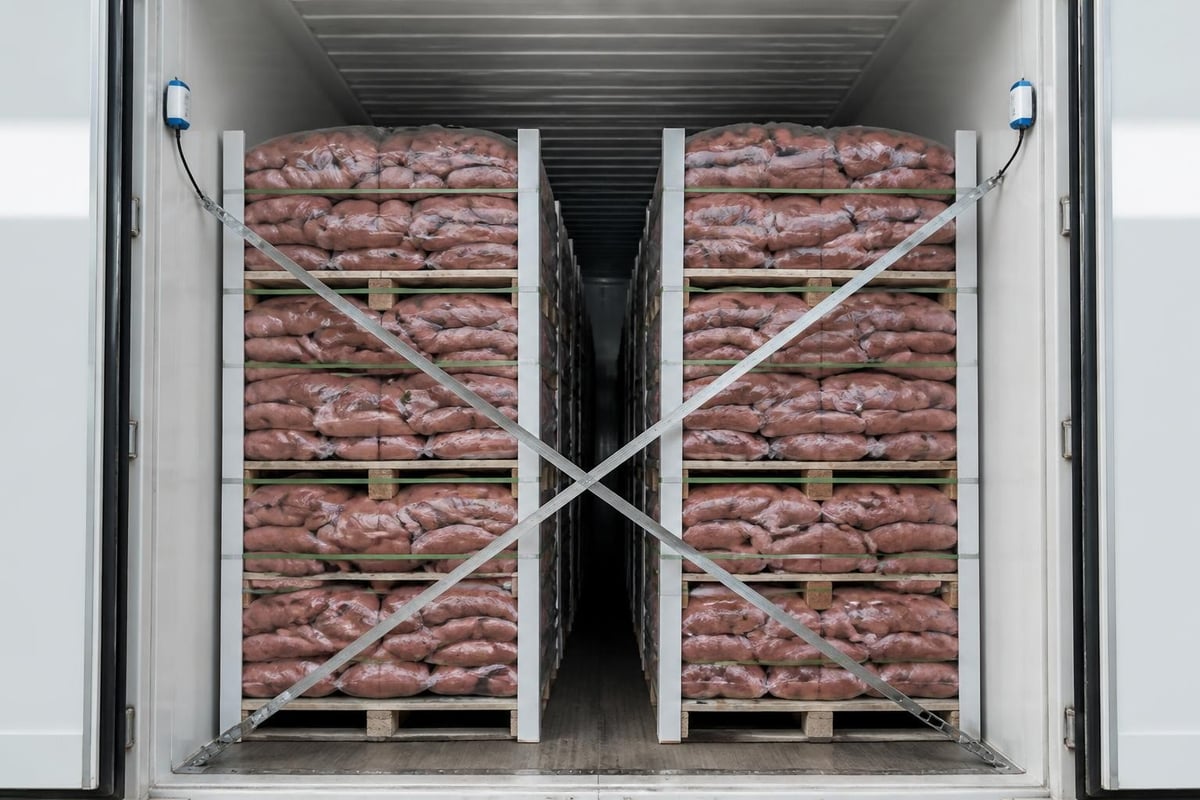
Temperature control throughout the cold chain prevents quality deterioration. The World Bank's practical guide on sustainable cold chain systems emphasizes continuous temperature monitoring and proper precooling before loading. Sweet potatoes ship best at 13-16°C to prevent chilling injury while controlling sprouting and decay.
Supply Chain Transparency and Communication
Reliable exporters maintain transparent communication systems providing buyers with real-time information on crop status, order progress, and shipment tracking. This visibility enables importers to coordinate receiving operations, manage inventory, and communicate accurate availability to their customers.
Production Planning and Harvest Forecasting
Professional sweet potatoes export companies provide buyers with advance notice of harvest schedules, estimated volumes, and quality expectations. This forward visibility allows importers to plan promotional activities, coordinate warehouse space, and manage customer commitments.
Effective production planning communication includes:
- Seasonal planting calendars with estimated harvest windows
- Weekly crop updates during growing season
- Pre-harvest quality assessments and size profiles
- Confirmed booking allocations with delivery timelines
- Real-time updates on weather impacts or yield variations
Understanding sweet potatoes harvest in Indonesia timing helps buyers align purchasing with peak quality periods and plan promotional activities around consistent supply.
Order Processing and Documentation Management
Streamlined order processing reduces lead times and minimizes errors in specifications, quantities, and shipping instructions. Professional exporters employ order management systems that track buyer preferences, generate accurate proforma invoices, and prepare export documentation efficiently.
Critical documentation for international sweet potato shipments includes commercial invoices, packing lists, phytosanitary certificates, certificates of origin, and bills of lading. Export companies must coordinate with customs brokers, freight forwarders, and inspection agencies to ensure documents align perfectly with physical shipments.
Market Intelligence and Varietal Expertise
A knowledgeable sweet potatoes export company provides buyers with market intelligence on production trends, competitor activities, and emerging opportunities. This expertise helps importers make informed sourcing decisions and identify products aligned with consumer preferences in their markets.
Varietal Selection for Target Markets
Different sweet potato varieties suit specific market segments based on flesh color, flavor profile, and culinary applications. Indonesian production includes several commercially significant varieties:
| Variety Type | Characteristics | Primary Markets | Typical Applications |
|---|---|---|---|
| Orange-flesh | High beta-carotene, sweet | North America, Europe | Baking, fries, baby food |
| Purple-flesh | Anthocyanin-rich, nutty | Japan, Korea, specialty markets | Premium retail, health food |
| White/cream | Mild flavor, dry texture | Southeast Asia, Middle East | Savory dishes, snacks |
| Japanese types | Chestnut-like, dense | Japan, premium segments | Whole roasted, confections |
Professional exporters understand which varieties align with buyer requirements and can source accordingly. Buyers interested in specialty varieties can explore options like purple sweet potatoes for health-conscious consumers or premium market segments.
Trade Statistics and Market Access Intelligence
Understanding market dynamics helps buyers identify growth opportunities and competitive pricing levels. Resources like the International Trade Centre's Market Analysis tools provide authoritative data on global sweet potato trade flows, import volumes by country, and tariff structures.
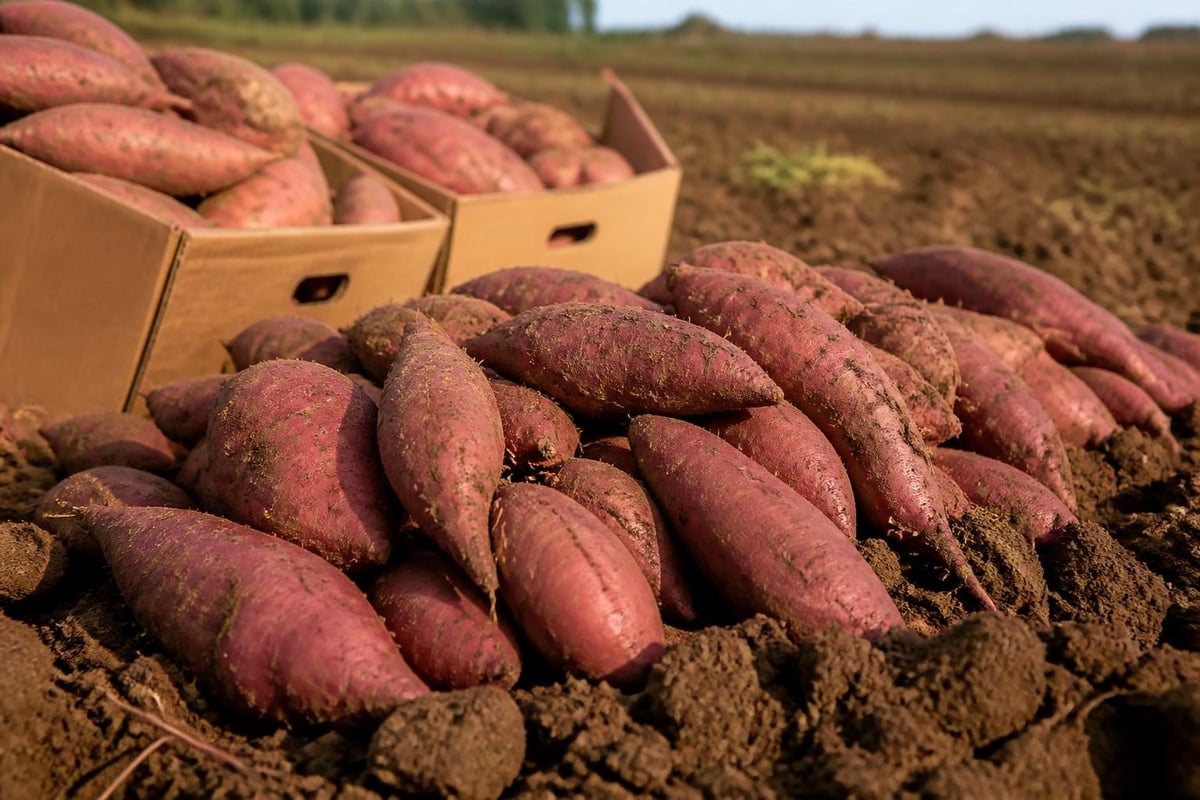
Export companies that monitor these data sources provide buyers with context for pricing discussions and help identify optimal timing for container bookings. Knowledge of sweet potatoes import requirements by destination country helps buyers navigate regulatory complexities efficiently.
Evaluating Potential Export Partners
Selecting a sweet potatoes export company requires systematic evaluation across multiple dimensions. Buyers should conduct thorough due diligence before committing to significant purchase volumes or long-term supply agreements.
Supplier Assessment Criteria
Operational Capabilities:
- Years in export business with verifiable references
- Annual export volumes and number of active customers
- Range of varieties and grades offered
- Minimum order quantities and ordering flexibility
- Lead times from order confirmation to shipment
Quality Systems:
- Certifications held and audit reports available
- Quality control procedures and inspection protocols
- Claims resolution process and quality guarantees
- Traceability systems and documentation practices
- Sample program for product evaluation
Financial Stability:
- Company registration and ownership structure
- Payment terms offered and trade credit availability
- Banking relationships and trade finance capabilities
- Insurance coverage for shipments
- Financial references from existing customers
Reference Checks and Trial Orders
Conducting reference checks with current customers provides insights into an exporter's reliability, communication quality, and problem-solving capabilities. Buyers should inquire specifically about order accuracy, product consistency across shipments, and responsiveness to quality concerns.
Starting with trial orders allows buyers to evaluate product quality, packaging standards, and documentation accuracy before scaling up volumes. Trial shipments should be treated as serious business transactions with clear specifications, payment terms, and quality acceptance criteria established in advance.
Indonesian Sweet Potato Export Advantages
Indonesia offers several competitive advantages for sweet potato sourcing that benefit international buyers. Understanding these factors helps importers evaluate Indonesian suppliers within the context of global sourcing strategies.
Year-Round Production Capability
Indonesia's tropical climate enables continuous planting and harvesting cycles, providing buyers with consistent supply availability throughout the year. This contrasts with temperate production regions where seasonal gaps create supply interruptions and price volatility.
West Java, in particular, has emerged as a premium production region with ideal growing conditions for several commercially important varieties. The region's volcanic soils, moderate temperatures, and adequate rainfall support high-quality production with minimal irrigation requirements.
Cost Competitiveness and Proximity to Asian Markets
Indonesian production costs remain competitive with other Asian origins while quality standards continue improving through technology adoption and better farming practices. For buyers serving Asian markets, Indonesia's geographic position reduces shipping times and freight costs compared to sourcing from distant origins.
Container transit times from Indonesian ports to major Asian destinations typically range from 3-10 days, enabling buyers to maintain fresher product and reduce cold chain costs. This proximity advantage particularly benefits buyers requiring fresh sweet potatoes export with extended shelf life upon arrival.
Growing Focus on Sustainable Production
Indonesian sweet potato farmers increasingly adopt sustainable farming practices that align with buyer sustainability requirements. These practices include integrated pest management, soil conservation techniques, and reduced chemical inputs that appeal to environmentally conscious importers and retailers.
Professional export companies support these transitions by providing farmers with technical assistance, linking sustainable practices to quality premiums, and documenting environmental performance for buyer reporting requirements. Understanding sweet potatoes farming in Indonesia practices helps buyers evaluate sustainability credentials of potential suppliers.
Building Long-Term Export Partnerships
Successful sweet potato sourcing relationships evolve from transactional purchases to strategic partnerships characterized by mutual benefit, transparent communication, and collaborative problem-solving.
Aligned Expectations and Performance Metrics
Establishing clear performance expectations from the outset prevents misunderstandings and creates accountability. Buyers and exporters should document agreed specifications, quality tolerances, delivery timelines, and communication protocols in writing.
Key performance indicators for export partnerships:
- On-time shipment percentage (target: >95%)
- Quality acceptance rate upon arrival (target: >98%)
- Order accuracy (correct varieties, sizes, quantities)
- Documentation completeness and accuracy
- Response time to buyer inquiries and concerns
- Continuous improvement initiatives and innovation
Collaborative Forecasting and Capacity Planning
Sharing demand forecasts with export partners enables them to plan production, secure farming capacity, and manage logistics resources efficiently. This collaboration reduces rush orders, minimizes out-of-stock situations, and creates cost efficiencies that benefit both parties.
Buyers providing seasonal demand patterns, promotional calendars, and new product development timelines help exporters allocate resources strategically. For example, understanding that a buyer needs increased purple sweet potato volumes for a health food promotion six months in advance allows the exporter to contract additional farming capacity.
Investment in Relationship Development
Strong export relationships require investment from both parties in relationship development, mutual understanding, and trust building. This includes facility visits, participation in trade events, regular business reviews, and social relationship building beyond commercial transactions.
Buyers visiting supplier operations gain firsthand understanding of farming practices, processing capabilities, and quality systems. These visits create personal connections that facilitate problem-solving during inevitable challenges and demonstrate commitment to the partnership. Exploring resources like galleries of farming and processing operations provides preliminary insights before arranging site visits.
Partnering with a professional sweet potatoes export company creates the foundation for reliable sourcing, consistent quality, and sustainable business growth. Success requires evaluating suppliers across operational capabilities, regulatory compliance, logistics expertise, and relationship orientation beyond simple price comparison. PT Cakra Baja Niaga offers international buyers direct access to premium Indonesian sweet potatoes backed by farm partnerships in West Java, systematic quality control, and transparent export operations designed for long-term collaboration.
Looking to source premium Indonesian sweet potatoes?
PT Cakra Baja Niaga supplies export-grade Cilembu, Purple, and Murasaki varieties to buyers worldwide.
Continue reading
Wholesale Sweet Potatoes Indonesia: B2B Export Guide 2026
Source premium wholesale sweet potatoes Indonesia for import. Quality standards, export logistics, varieties, pricing & supplier partnerships.
Read article
Sweet Potatoes Supplier Indonesia: Quality & Export Guide
Find reliable sweet potatoes supplier Indonesia offering premium export quality. Learn about sourcing, grading, logistics, and partnerships.
Read article
Sweet Potatoes Grading Guide for International Buyers
Comprehensive sweet potatoes grading guide for exporters and importers. Learn USDA standards, size classification, defect tolerance, and quality control.
Read article