
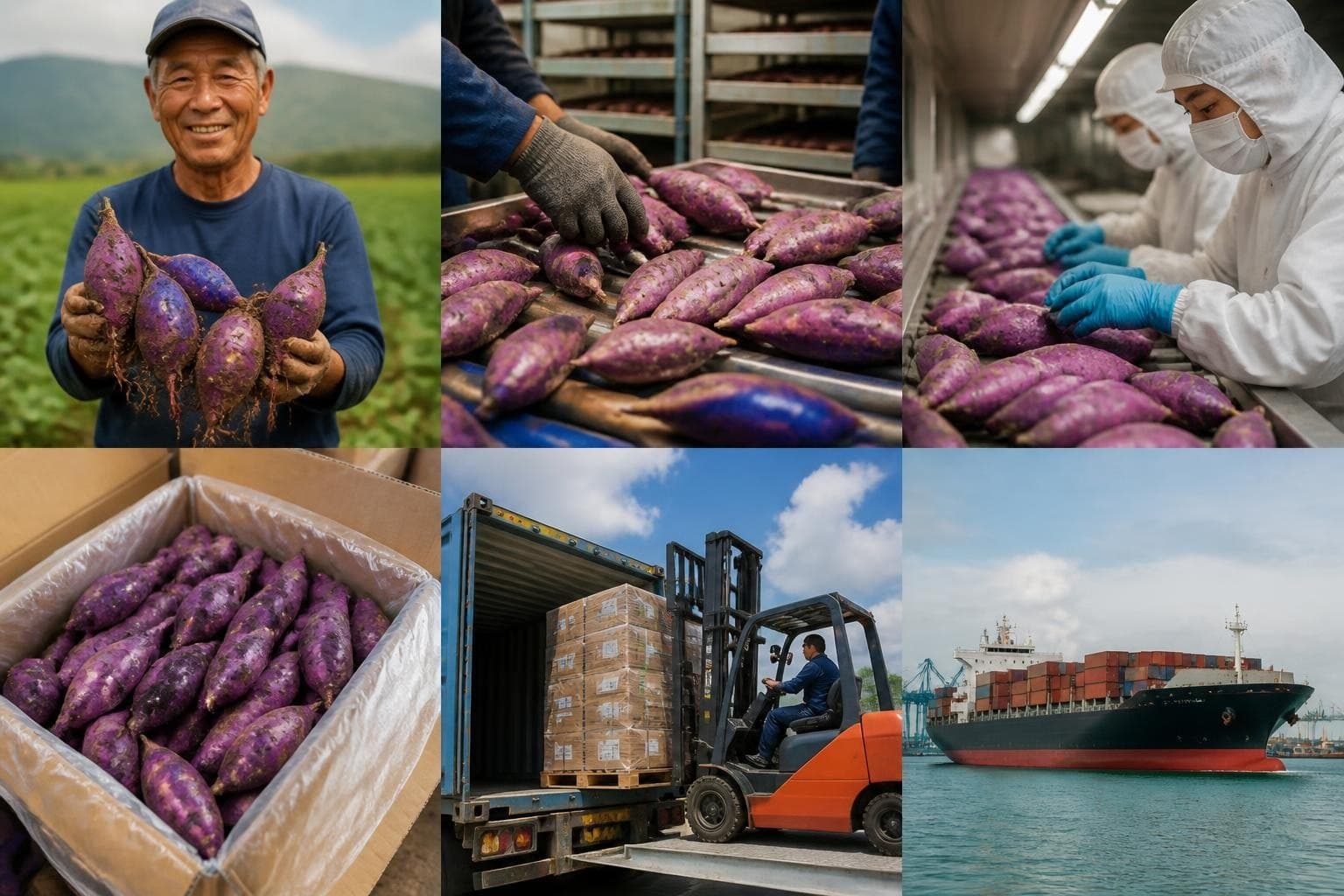
Taiwan Purple Sweet Potatoes: Market Guide for Exporters
Discover why Taiwan purple sweet potatoes command premium prices in international markets. Learn about nutritional benefits, sourcing, and export strategies.
The global sweet potato market has experienced remarkable growth over the past decade, with taiwan purple sweet potatoes emerging as a premium category that commands significant attention from international buyers. These vibrant tubers, distinguished by their deep purple flesh and exceptional nutritional profile, represent a lucrative opportunity for exporters and importers seeking to meet rising consumer demand for functional foods. Understanding the unique characteristics, market positioning, and export considerations for these specialty sweet potatoes enables trading companies to build sustainable supply chains and capture value in competitive international markets.
Nutritional Profile and Market Differentiation
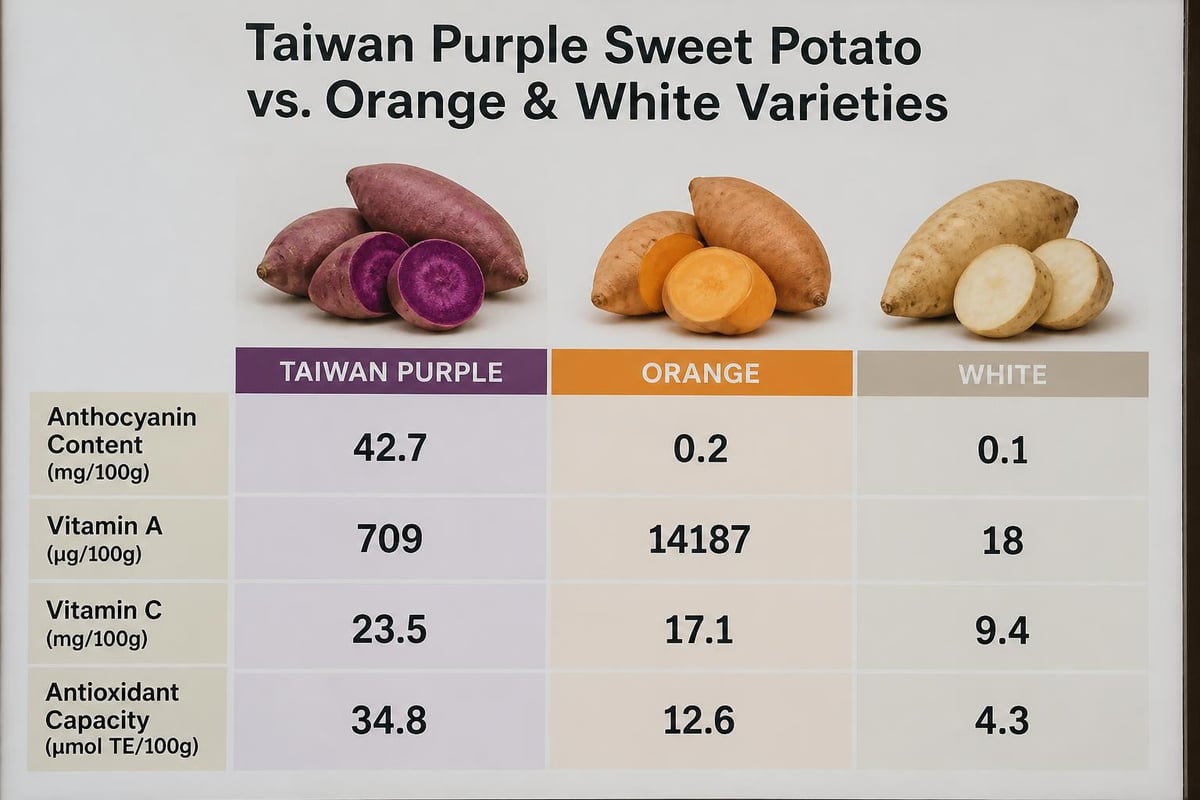
Taiwan purple sweet potatoes stand apart from conventional orange-fleshed varieties due to their remarkable anthocyanin content, the same powerful antioxidants found in blueberries and red cabbage. This distinctive purple pigmentation signals a concentration of bioactive compounds that health-conscious consumers actively seek.
Antioxidant Powerhouse
The deep purple color indicates exceptionally high levels of anthocyanins, which research has shown possess anti-inflammatory and anticancer properties specific to Taiwanese varieties. These compounds provide measurable health benefits that justify premium pricing in international markets.
- Superior antioxidant capacity compared to orange and white varieties
- Anthocyanin levels reaching 200-300 mg per 100g fresh weight
- Stable pigmentation that withstands cooking and processing
- Enhanced phytonutrient diversity including polyphenols and flavonoids
Recent studies have also demonstrated that these purple-fleshed varieties can help reduce visceral fat accumulation when incorporated into regular diets, making them attractive to the health and wellness market segment.
Complete Nutritional Package
Beyond anthocyanins, taiwan purple sweet potatoes deliver comprehensive nutritional value that appeals to diverse consumer demographics. Each 100-gram serving provides approximately 90 calories while offering substantial vitamins, minerals, and dietary fiber.
| Nutrient | Amount per 100g | Daily Value % |
|---|---|---|
| Dietary Fiber | 3.3g | 13% |
| Vitamin A | 14,187 IU | 284% |
| Vitamin C | 20mg | 33% |
| Potassium | 475mg | 14% |
| Manganese | 0.5mg | 25% |
The comprehensive health benefits of sweet potatoes extend to immune system support, vision protection, and digestive health, creating multiple marketing angles for importers targeting different consumer segments.
Cultivation Regions and Quality Standards
Taiwan's sweet potato production benefits from the island's subtropical climate, volcanic soil composition, and advanced agricultural practices developed over generations. The primary cultivation areas span the central and southern regions, where temperature ranges and rainfall patterns create ideal growing conditions.
Geographic Advantages
Taiwan's mountainous terrain and coastal plains provide microclimates that producers leverage to optimize flavor development and nutritional content. The combination of well-drained volcanic soils, consistent temperatures between 20-30°C (68-86°F), and controlled irrigation systems enables year-round production capacity.
Premium taiwan purple sweet potatoes typically come from established growing regions including Yunlin County, Tainan, and Chiayi, where farmers have specialized in cultivar selection and sustainable farming methods. These regions maintain strict quality protocols that international buyers increasingly demand.
Varietal Selection and Characteristics
Multiple purple-fleshed cultivars originate from Taiwan, each offering distinct characteristics that suit different market applications:
- Tainong 73: Deep purple flesh, excellent sweetness, ideal for fresh market sales
- Tainong 66: Firm texture, moderate sweetness, preferred for processing and freezing
- Simon 1: Intense purple coloration, higher dry matter content, premium baking applications
Companies like K K Orchard have established global distribution networks specifically for Taiwanese sweet potato varieties, demonstrating the international viability of these products.
Export Considerations for Trading Companies
Successfully exporting taiwan purple sweet potatoes requires careful attention to post-harvest handling, logistics coordination, and quality maintenance throughout the supply chain. Trading companies must establish robust systems that preserve product integrity from farm to final destination.
Post-Harvest Management
The critical period immediately following harvest determines ultimate product quality and shelf life. Taiwan purple sweet potatoes require curing at 28-32°C (82-90°F) with 85-95% relative humidity for 5-7 days to heal minor wounds and enhance storage potential.
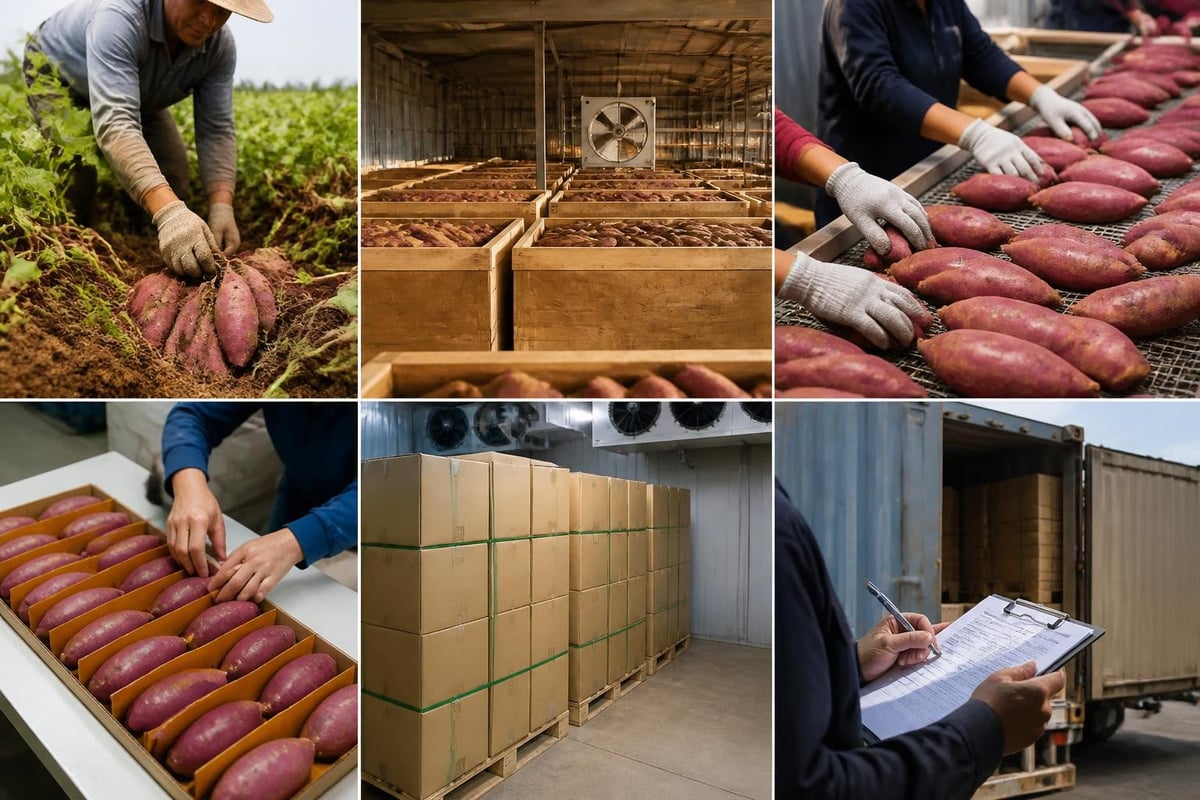
Essential handling protocols include:
- Harvest timing coordination with international shipping schedules
- Temperature-controlled curing facilities meeting export specifications
- Gentle handling systems to minimize bruising and skin damage
- Size grading and sorting according to destination market requirements
- Sanitary washing procedures using food-grade sanitizing agents
- Moisture management to prevent condensation during transit
Packaging and Transportation
Proper packaging protects product quality while meeting international phytosanitary requirements. Most importers specify ventilated cartons weighing 10-15 kilograms, with internal padding to prevent movement during transport.
| Packaging Component | Specification | Purpose |
|---|---|---|
| Outer Carton | Double-wall corrugated, ventilated | Structural protection, air circulation |
| Inner Liner | Perforated PE film | Moisture control, contamination barrier |
| Cushioning Material | Shredded paper or foam | Impact absorption |
| Unit Weight | 10-15kg | Handling efficiency |
| Labeling | Origin, variety, grade, weight | Traceability, compliance |
Ocean freight remains the primary transportation mode for bulk shipments, with controlled atmosphere containers maintaining 13-16°C (55-61°F) and 85-90% relative humidity throughout the 14-30 day transit period to major international ports.
Market Positioning and Pricing Strategy
Taiwan purple sweet potatoes command premium pricing in international markets due to their perceived health benefits, visual appeal, and limited availability compared to conventional varieties. Successful exporters develop differentiation strategies that justify price premiums while building long-term buyer relationships.
Target Market Segments
Identifying the most profitable market segments enables trading companies to optimize their marketing investments and inventory allocation:
Health-conscious consumers seeking functional foods with documented benefits represent the primary demographic. These buyers actively research purple potato health advantages and willingly pay premium prices for superior nutritional profiles.
Asian diaspora communities maintain cultural connections to traditional foods and often prefer authentic Taiwanese varieties over locally-grown substitutes. This segment values authenticity and consistent quality above price considerations.
Premium restaurant and hospitality operations use these distinctive purple sweet potatoes to create visually striking dishes that command higher menu prices. Chefs appreciate the consistent color retention, creamy texture, and naturally sweet flavor profile.
Competitive Pricing Analysis
Export pricing must account for multiple cost components while remaining competitive against alternative origins. Taiwan purple sweet potatoes typically achieve FOB prices 40-80% higher than conventional orange varieties, reflecting their specialty status.
| Cost Component | Percentage of FOB Price | Optimization Opportunity |
|---|---|---|
| Farm Gate Purchase | 35-45% | Direct farm partnerships |
| Processing & Packing | 15-20% | Efficiency improvements |
| Domestic Logistics | 8-12% | Consolidated shipments |
| Export Documentation | 3-5% | Digital systems |
| Marketing & Sales | 5-8% | Buyer education programs |
| Profit Margin | 15-25% | Value-added services |
Quality Assurance and Certification Requirements
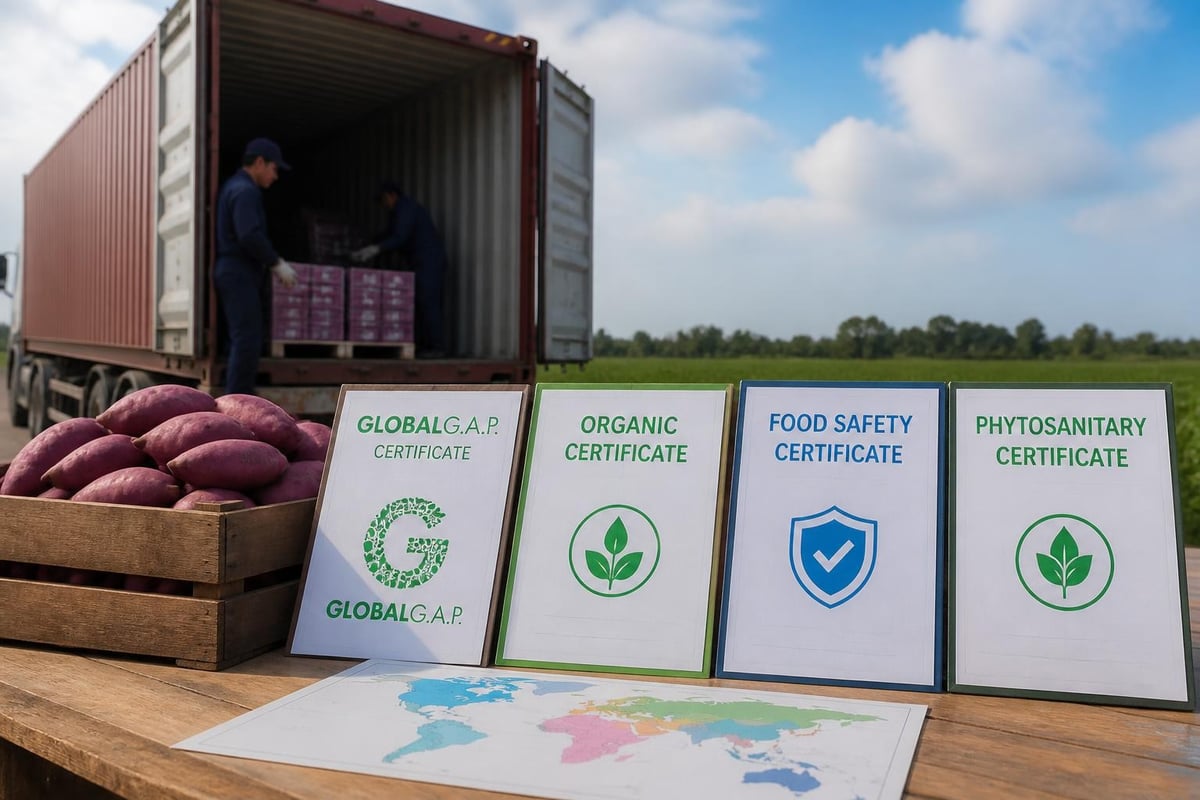
International buyers increasingly demand third-party verification of quality standards, food safety protocols, and sustainable production practices. Trading companies that proactively obtain relevant certifications gain competitive advantages in premium market segments.
Essential Certifications for Export Markets
GLOBALG.A.P. certification demonstrates compliance with good agricultural practices covering food safety, environmental sustainability, and worker welfare. This certification has become virtually mandatory for European Union and major North American retailers.
Organic certification through recognized bodies enables access to rapidly growing organic food channels where taiwan purple sweet potatoes can command even higher premiums. The certification process requires three-year transition periods and comprehensive documentation.
ISO 22000 food safety management certification proves systematic control over food safety hazards throughout the supply chain. Many international buyers specify this certification as a minimum requirement for supplier approval.
Traceability Systems
Modern importers demand complete traceability from specific farm plots through processing facilities to final packaging. Implementing digital traceability systems enables rapid response to any quality concerns while demonstrating professionalism to international buyers.
Effective traceability captures:
- Farm identification and geographic coordinates
- Planting dates and cultivar information
- Fertilizer and crop protection applications
- Harvest dates and worker identification
- Processing facility and equipment records
- Packaging materials and batch numbers
- Storage conditions and duration
- Transportation details and temperature logs
Building Sustainable Export Partnerships
Long-term success in taiwan purple sweet potato exports depends on developing mutually beneficial relationships with both upstream suppliers and downstream buyers. Trading companies that invest in partnership development create stable supply chains resistant to market volatility.
Farm Partnership Development
Direct relationships with dedicated growers provide quality consistency and supply reliability that large importers require. Successful trading companies often implement contract farming arrangements that specify:
- Cultivar requirements and seed/slip sources
- Growing protocols aligned with certification standards
- Harvest scheduling coordinated with shipping windows
- Quality specifications with clear acceptance criteria
- Pricing mechanisms providing fair compensation and predictability
- Technical support for continuous improvement
Importer Relationship Management
Understanding buyer requirements beyond basic product specifications enables trading companies to deliver complete solutions. Premium sweet potato importers seek partners who provide consistent communication, flexible problem-solving, and market intelligence.
Value-added services that strengthen buyer relationships:
- Regular crop updates and harvest forecasts
- Customized packaging and labeling services
- Sample shipments for product testing
- Market price intelligence and trend analysis
- Promotional material and product specifications
- Responsive customer service across time zones
The diverse health benefits of sweet potatoes, particularly purple varieties, provide powerful marketing messages that trading companies can develop into comprehensive promotional campaigns supporting their buyer partners.
Emerging Opportunities in Processing and Value Addition
While fresh export markets remain important, processed taiwan purple sweet potato products represent growing opportunities for trading companies seeking higher margins and reduced perishability challenges. These value-added products extend shelf life while opening new distribution channels.
Frozen Product Lines
IQF (individually quick frozen) diced or sliced taiwan purple sweet potatoes maintain excellent color and nutritional properties while eliminating fresh produce logistics challenges. This format suits foodservice operators, meal kit companies, and retail frozen vegetable sections.
Powder and Ingredient Applications
Spray-dried or freeze-dried purple sweet potato powder serves multiple industrial applications including natural food coloring, nutritional supplementation, and bakery ingredients. The intense purple pigmentation provides manufacturers with clean-label alternatives to synthetic colorants.
Retail-Ready Packaging
Pre-washed, pre-packaged taiwan purple sweet potatoes in modified atmosphere packaging extend shelf life to 14-21 days while meeting consumer convenience expectations. This format captures premium retail pricing while reducing handling requirements for importers.
| Product Format | Target Channel | Shelf Life | Relative Margin |
|---|---|---|---|
| Fresh Bulk | Foodservice, Wholesale | 30-60 days | Baseline |
| Retail Packaged | Supermarket Produce | 14-21 days | 25-35% higher |
| IQF Frozen | Foodservice, Retail Frozen | 18-24 months | 40-60% higher |
| Dried Powder | Food Manufacturing | 24+ months | 80-120% higher |
Regional Market Insights and Export Destinations
Taiwan purple sweet potatoes find receptive markets across diverse regions, each with distinct preferences, regulatory requirements, and competitive dynamics. Strategic market selection enables trading companies to optimize their export portfolios and reduce concentration risk.
Asian Markets
Japan, South Korea, and Singapore represent premium markets where taiwan purple sweet potatoes command strong pricing due to established consumer awareness and appreciation for specialty produce. These markets emphasize appearance quality, uniform sizing, and reliable supply.
Japanese importers particularly value authentic Taiwanese varieties and maintain long-term supplier relationships based on trust and consistent quality. The market supports premium pricing for certified organic production and specific cultivar identification.
North American Opportunities
Health-conscious consumers in the United States and Canada increasingly seek functional foods with documented nutritional benefits. Taiwan purple sweet potatoes appeal to this demographic through their distinctive appearance and proven antioxidant properties.
Distribution typically flows through specialized Asian grocery chains, natural food retailers, and premium supermarket chains willing to support specialty produce programs. Building relationships with produce buyers at these retail formats requires consistent supply and marketing support.
European Union Considerations
EU markets present significant opportunity but require careful attention to phytosanitary regulations, pesticide residue standards, and organic certification requirements. Germany, Netherlands, and United Kingdom lead European demand for specialty sweet potato varieties.
The EU's strict maximum residue limits (MRLs) for agricultural chemicals necessitate rigorous testing and documentation. Trading companies must work closely with farm partners to ensure compliance with these requirements.
Taiwan purple sweet potatoes represent a premium market segment where quality, consistency, and expertise create sustainable competitive advantages for well-positioned exporters. The combination of exceptional nutritional properties, growing consumer awareness, and limited global supply enables trading companies to build profitable businesses while meeting international demand for functional foods. PT Cakra Baja Niaga specializes in connecting international buyers with premium Indonesian sweet potato suppliers through transparent partnerships, reliable quality systems, and comprehensive export support that ensures your success in this dynamic market.
Looking to source premium Indonesian sweet potatoes?
PT Cakra Baja Niaga supplies export-grade Cilembu, Purple, and Murasaki varieties to buyers worldwide.
Continue reading
Sweet Potatoes Import Singapore Market Report
Explore Singapore’s sweet potato imports, leading suppliers, SFA requirements, pricing factors, and sourcing opportunities for Indonesian exporters.
Read article
Wholesale Sweet Potatoes Indonesia: B2B Export Guide 2026
Source premium wholesale sweet potatoes Indonesia for import. Quality standards, export logistics, varieties, pricing & supplier partnerships.
Read article
Sweet Potatoes Supplier Indonesia: Quality & Export Guide
Find reliable sweet potatoes supplier Indonesia offering premium export quality. Learn about sourcing, grading, logistics, and partnerships.
Read article