
Sweet Potato Fiber Without Skin: Complete Nutritional Guide
Discover sweet potato fiber without skin content, nutritional benefits, and commercial considerations for importers and distributors in 2026.
Sweet potatoes have become a cornerstone of global produce markets, valued for their nutritional density, versatility, and growing consumer demand across multiple continents. For importers, distributors, and retailers working with international suppliers, understanding the specific nutritional attributes of sweet potatoes matters tremendously when communicating value propositions to end consumers. One frequently discussed aspect involves sweet potato fiber without skin, a specification that affects nutritional labeling, product positioning, and customer purchasing decisions. Whether you're sourcing from Indonesian farms or distributing to health-conscious markets, understanding how preparation methods affect fiber content helps you deliver accurate information and meet buyer expectations.
Understanding Fiber Content in Peeled Sweet Potatoes
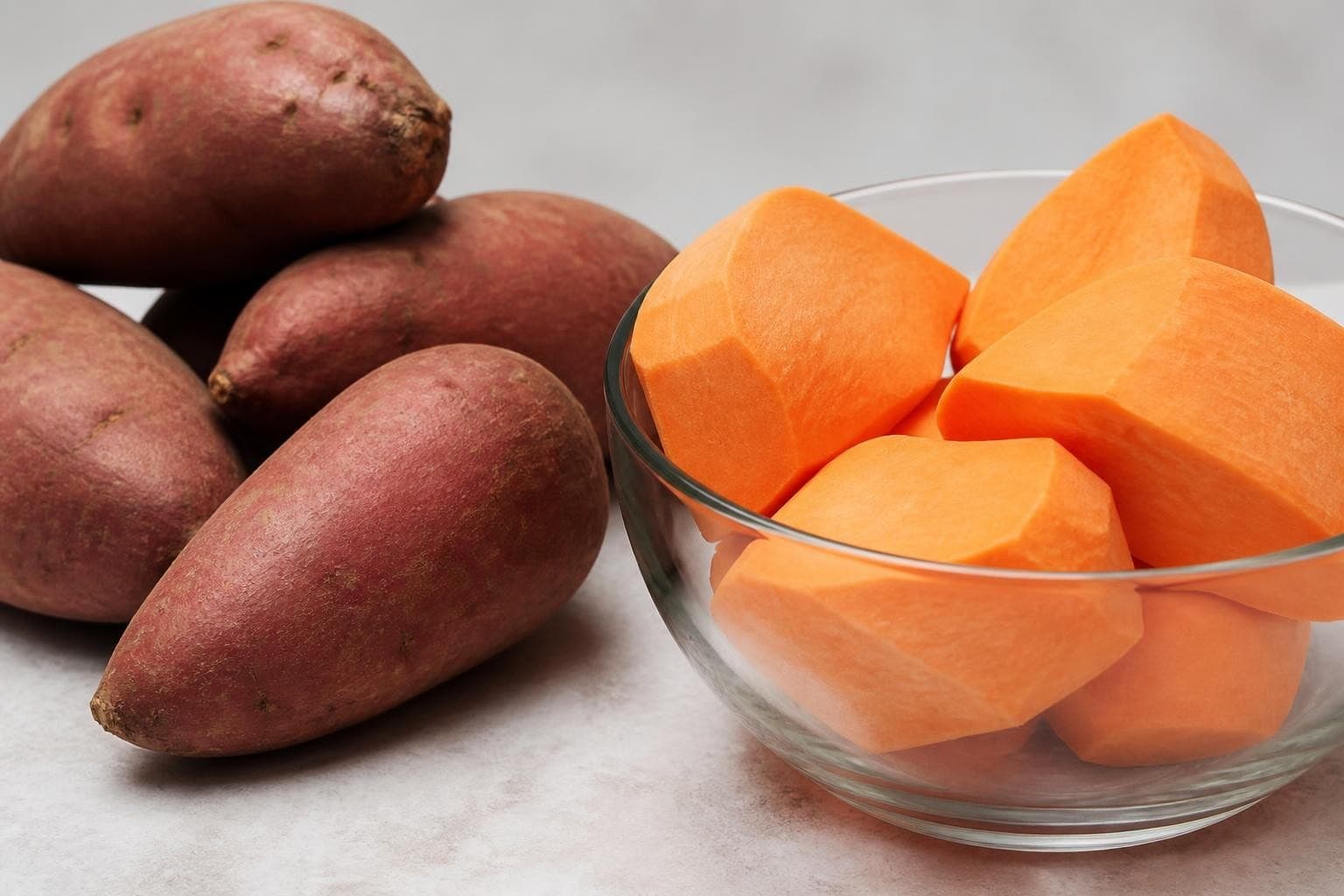
The nutritional composition of sweet potatoes changes noticeably when the skin is removed during processing or preparation. Sweet potato fiber without skin typically ranges from 2.4 to 3.3 grams per 100-gram serving, depending on the variety, growing conditions, and preparation method. This represents a reduction of approximately 15-20% compared to sweet potatoes consumed with their skin intact.
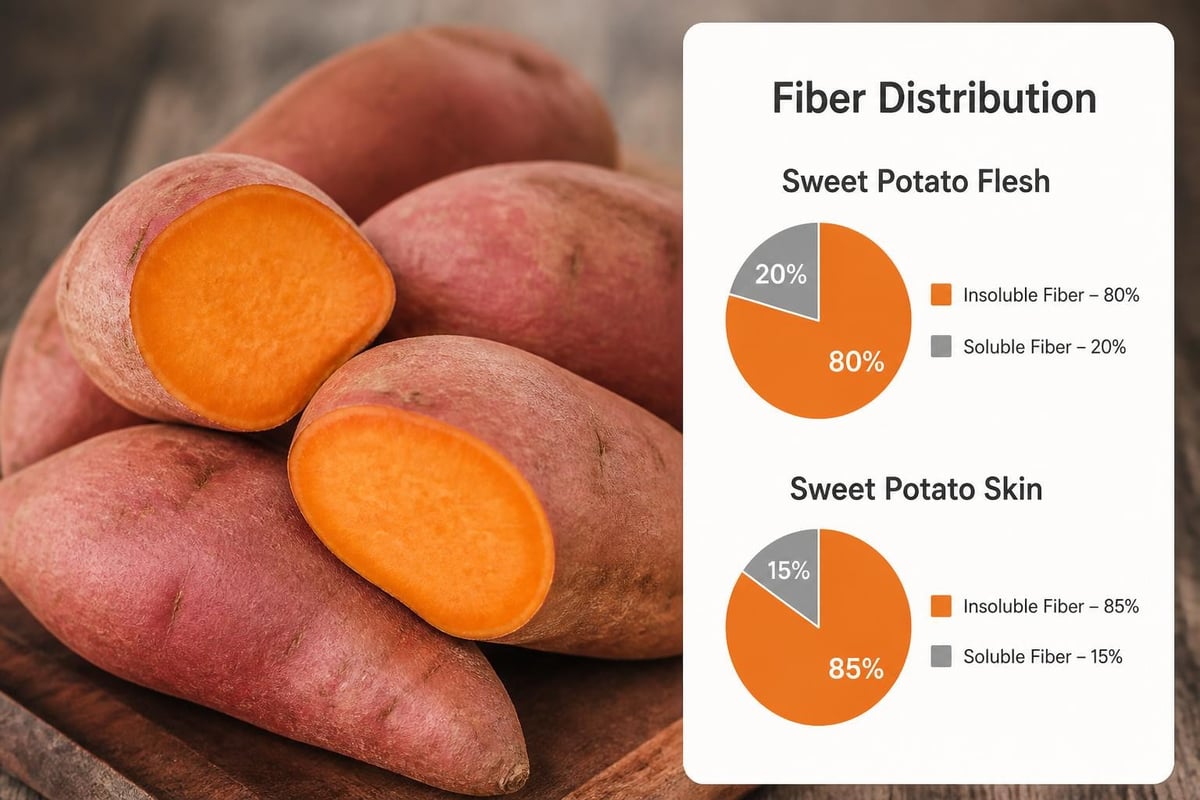
The fiber that remains after peeling consists primarily of soluble fiber found within the flesh itself. This soluble fiber includes pectin and other polysaccharides that contribute to digestive health, blood sugar regulation, and satiety. While the skin does contain a significant concentration of insoluble fiber, the flesh alone still provides substantial dietary fiber benefits.
Nutritional Profile Beyond Fiber
When evaluating sweet potato fiber without skin for commercial applications, buyers should also consider the complete nutritional package. Peeled sweet potatoes maintain their vitamin A content, providing approximately 14,000-19,000 IU per 100 grams depending on the variety's beta-carotene concentration. They also retain substantial amounts of vitamin C, potassium, and manganese.
The comprehensive nutritional profile of sweet potatoes demonstrates why they remain valuable even without skin. For processors creating baby food, institutional meal components, or ready-to-eat products, peeled sweet potatoes offer consistent texture, appearance, and flavor while maintaining significant nutritional benefits.
Commercial Implications for International Buyers
Importers and distributors must navigate several practical considerations when dealing with sweet potato fiber without skin specifications. Product labeling requirements vary by jurisdiction, and accurate fiber content declaration affects compliance, marketing claims, and consumer trust.
Quality Standards and Specifications
Premium sweet potato suppliers work with partner farms to ensure consistent fiber content across shipments. Factors affecting fiber levels include:
- Variety selection: Orange-fleshed varieties typically contain higher total fiber than white-fleshed types
- Growing conditions: Soil composition, water availability, and growing season length influence fiber development
- Harvest timing: Mature sweet potatoes contain more developed fiber structures than younger tubers
- Storage duration: Properly cured sweet potatoes maintain stable fiber content for extended periods
For businesses sourcing from regions like West Java, understanding these agricultural variables helps establish realistic quality expectations and consistent product specifications.
Processing and Preparation Methods
The method used to remove sweet potato skin affects the final fiber content in measurable ways. Mechanical peeling removes a thinner layer than hand peeling, preserving more of the outer flesh where fiber concentration is highest. Steam peeling and lye peeling represent industrial methods that create different yield percentages and nutritional outcomes.
According to detailed nutritional data for boiled sweet potatoes without skin, cooking method also impacts fiber availability and digestibility. Boiled sweet potatoes without skin retain their fiber structure effectively, while baking concentrates nutrients through moisture loss.
| Processing Method | Fiber Retention | Texture Impact | Commercial Applications |
|---|---|---|---|
| Mechanical Peeling | 85-90% | Firm, uniform | Food service, retail fresh |
| Steam Peeling | 80-85% | Slightly softer | Canning, processing |
| Hand Peeling | 75-85% | Variable | Premium products, specialty markets |
| Lye Peeling | 70-80% | Very uniform | Large-scale processing |
Variety Selection and Fiber Optimization
Different sweet potato varieties exhibit distinct fiber characteristics when peeled. For exporters and importers building product portfolios, variety selection becomes a strategic decision based on target market preferences and nutritional positioning.
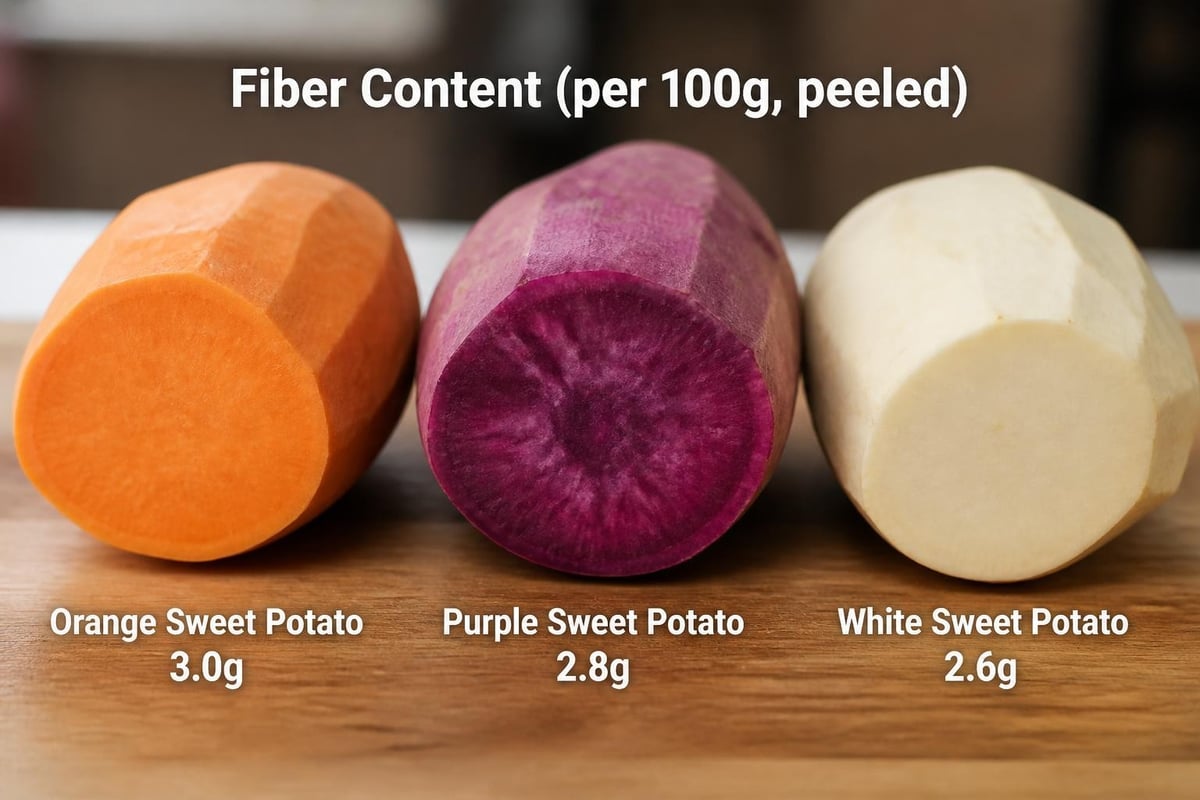
Orange-fleshed varieties popular in international markets typically contain 2.8-3.3 grams of fiber per 100 grams without skin. Purple-fleshed varieties, increasingly sought after for their anthocyanin content, often show similar fiber levels while offering additional antioxidant benefits. White and cream-fleshed varieties generally contain slightly lower fiber concentrations, ranging from 2.4-2.9 grams per 100 grams.
Genetic Factors Influencing Fiber Content
Recent research on genetic factors affecting sweet potato fiber has identified specific genes and single nucleotide polymorphisms associated with fiber development. This scientific understanding helps agricultural partners select breeding lines that optimize fiber content while maintaining other desirable commercial traits like yield, storage quality, and disease resistance.
For trading companies working with Indonesian farms, this genetic knowledge informs variety selection strategies. Premium suppliers can document their variety choices and expected nutritional ranges, providing buyers with greater confidence in product consistency across seasonal shipments.
Maximizing Nutritional Value in Peeled Sweet Potatoes
Importers and distributors can help their customers optimize the nutritional benefits of sweet potato fiber without skin through proper handling, storage, and preparation guidance. While peeled sweet potatoes contain less total fiber than skin-on varieties, several strategies maximize their nutritional contribution.
Storage and Handling Protocols
Proper curing and storage maintain fiber integrity throughout the supply chain. Sweet potatoes should be cured at 29-32°C with 85-90% humidity for 5-7 days after harvest, then stored at 13-16°C for optimal quality retention. These conditions preserve the cellular structure that contains soluble fiber and prevents degradation of nutritional components.
For businesses managing inventory across international logistics chains, temperature monitoring becomes critical. Detailed information on fiber content optimization emphasizes that improper storage reduces not only fiber availability but also overall product quality and shelf life.
Preparation Recommendations for End Users
Retailers and distributors can differentiate their offerings by providing preparation guidance that maximizes sweet potato fiber without skin benefits:
- Cooking methods: Steaming and boiling preserve fiber structure better than high-heat roasting
- Portion sizes: A medium sweet potato (150g without skin) provides approximately 4-5 grams of dietary fiber
- Pairing strategies: Combining sweet potatoes with healthy fats improves nutrient absorption
- Minimal processing: Less cutting and processing preserves fiber matrix integrity
Market Positioning and Consumer Communication
The distinction between sweet potato fiber without skin and skin-on products creates opportunities for targeted marketing and product differentiation. Different consumer segments prioritize different attributes, and understanding these preferences helps businesses position their sweet potato offerings effectively.
Target Market Segments
Health-conscious consumers seek products with transparent nutritional information. Clear labeling of fiber content in peeled sweet potatoes appeals to this demographic, especially when paired with preparation tips that maximize nutritional benefits. These consumers often prefer organic certification and sustainable sourcing practices.
Food service operators prioritize consistency, ease of preparation, and food safety. Peeled sweet potatoes reduce labor costs and preparation time while maintaining substantial nutritional value. Fiber content specifications help food service buyers meet nutritional requirements for institutional feeding programs.
Processors and manufacturers require precise nutritional specifications for product formulation and labeling compliance. Sweet potato fiber without skin data enables accurate finished product nutrition panels for baby food, frozen meals, and snack products.
| Market Segment | Primary Concern | Fiber Content Priority | Preferred Specifications |
|---|---|---|---|
| Retail Consumers | Nutrition, convenience | Medium | General ranges acceptable |
| Food Service | Consistency, safety | Medium-High | Tight specification windows |
| Processors | Formulation accuracy | High | Detailed testing required |
| Export Markets | Compliance, quality | High | Certification documentation |
Agricultural Partnerships and Quality Assurance
For trading companies like those operating in Indonesia's sweet potato export sector, maintaining consistent sweet potato fiber without skin specifications requires robust agricultural partnerships and quality control systems. Working directly with partner farms in productive regions enables better oversight of growing practices, harvest timing, and post-harvest handling.
Farm-Level Quality Controls
Quality assurance begins at the farm level with variety selection, soil management, and harvest protocols. Partner farms should implement standardized practices that promote consistent fiber development:
- Soil testing and amendment programs to ensure optimal nutrient availability
- Irrigation scheduling that supports proper tuber development without excess water stress
- Pest and disease management that protects plant health without compromising nutritional quality
- Harvest maturity standards based on days after planting and visual indicators
These agricultural practices directly influence the fiber content that remains after peeling and processing. Exporters working with established Indonesian sweet potato suppliers benefit from documented quality systems and traceability protocols that verify growing practices and nutritional outcomes.

Testing and Verification Protocols
Regular laboratory testing confirms sweet potato fiber without skin content and ensures compliance with buyer specifications. Standard testing methods include:
- AOAC Official Methods: Industry-standard protocols for dietary fiber determination
- Near-infrared spectroscopy: Rapid screening for fiber content in production settings
- Third-party certification: Independent verification for premium market segments
- Batch sampling protocols: Statistical approaches ensuring representative testing
Documentation of test results supports transparency in international trade and builds buyer confidence. Progressive exporters maintain comprehensive testing records accessible through buyer portals, demonstrating commitment to quality consistency.
Regulatory Considerations and Labeling Compliance
International sweet potato trade involves navigating diverse regulatory frameworks governing nutritional labeling and health claims. Understanding how sweet potato fiber without skin fits within various jurisdictions' requirements protects importers from compliance issues and supports accurate market positioning.
Regional Regulatory Variations
European Union markets require specific nutritional declaration formats under Regulation (EU) No 1169/2011. Fiber content must be declared per 100 grams or 100 milliliters, allowing consumers to compare products directly. Claims such as "source of fiber" require minimum thresholds that peeled sweet potatoes typically meet.
North American markets follow FDA nutritional labeling requirements in the United States and Health Canada regulations in Canada. These jurisdictions recognize the nutritional significance of fiber content and permit structure-function claims when supported by adequate nutritional content.
Asian markets present varied requirements, with some jurisdictions requiring minimal nutritional information and others implementing comprehensive labeling systems similar to Western markets. Exporters must understand destination market requirements and prepare documentation accordingly.
Supply Chain Optimization for Fiber-Focused Markets
Businesses targeting health-conscious markets or specific nutritional positioning can optimize their supply chains around sweet potato fiber without skin specifications. This strategic approach differentiates products in competitive markets and justifies premium positioning.
Seasonal Considerations and Supply Planning
Sweet potato fiber content varies slightly across growing seasons based on temperature, rainfall, and growing degree days. Sophisticated suppliers track these seasonal patterns and communicate expected ranges to buyers, enabling more accurate product planning and inventory management.
West Java's growing conditions support year-round sweet potato production with two primary planting seasons. Understanding how these seasons affect fiber content helps importers plan product launches, promotional campaigns, and inventory rotation to maintain consistent quality standards.
Logistics and Quality Preservation
Maintaining sweet potato fiber without skin integrity throughout international logistics requires temperature-controlled transport and rapid transit times. Optimal shipping conditions preserve the cellular structure containing soluble fiber and prevent quality degradation that could affect nutritional testing results.
Modern exporters implement cold chain monitoring with real-time temperature tracking, ensuring products maintain quality from farm to final destination. This infrastructure investment supports premium market positioning and reduces rejection risk at destination ports.
Innovation Opportunities in Sweet Potato Products
The specific characteristics of sweet potato fiber without skin create opportunities for product innovation and market development. Forward-thinking businesses can leverage these nutritional attributes to develop new product categories and enter emerging market segments.
Value-added processing creates premium products while utilizing the full sweet potato harvest. Peeled sweet potatoes can be processed into:
- Flash-frozen products: Pre-cut sweet potatoes for convenience markets
- Dehydrated ingredients: Fiber-rich components for food manufacturing
- Purees and pastes: Baby food and institutional food service applications
- Snack products: Baked chips and other health-focused snacks
Each application requires specific sweet potato fiber without skin specifications, creating opportunities for suppliers to develop targeted product lines serving distinct market niches. Businesses exploring these opportunities can review product galleries showcasing Indonesian sweet potato quality and versatility.
Building Transparent Buyer Relationships
Success in international sweet potato trade depends on transparent communication about product specifications, including precise information about sweet potato fiber without skin content. Buyers increasingly demand detailed nutritional data, quality documentation, and traceability information that demonstrates supplier reliability and product consistency.
Progressive exporters provide comprehensive product documentation including:
- Variety-specific nutritional profiles with fiber content ranges
- Laboratory test results from accredited facilities
- Growing region information and seasonal considerations
- Processing method descriptions and quality control protocols
- Certifications and third-party verification documentation
This transparency builds long-term buyer relationships and positions suppliers as partners rather than transactional vendors. Companies can explore additional resources through supplier blog content that demonstrates expertise and market knowledge.
Understanding sweet potato fiber without skin specifications enables importers, distributors, and retailers to make informed sourcing decisions and communicate accurate nutritional information to their customers. The 2.4-3.3 grams of fiber per 100-gram serving found in peeled sweet potatoes represents significant nutritional value that supports various commercial applications and consumer preferences. For businesses seeking consistent quality and transparent partnerships in Indonesian sweet potato sourcing, PT Cakra Baja Niaga works directly with partner farms in West Java to deliver premium sweet potatoes with documented quality standards, reliable supply, and comprehensive nutritional specifications that meet international buyer requirements.
Looking to source premium Indonesian sweet potatoes?
PT Cakra Baja Niaga supplies export-grade Cilembu, Purple, and Murasaki varieties to buyers worldwide.
Continue reading
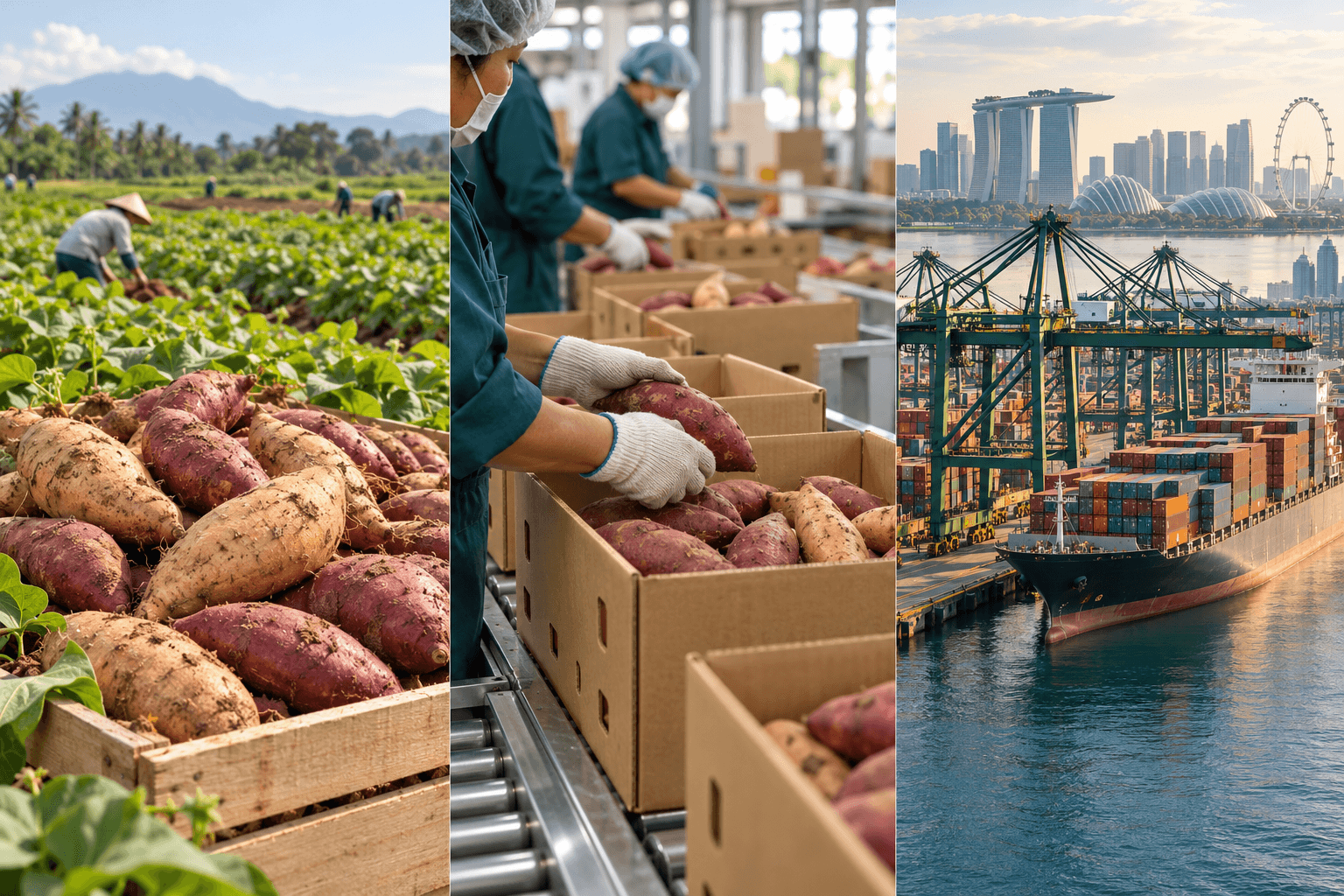
Sweet Potatoes Import Singapore Market Report
Explore Singapore’s sweet potato imports, leading suppliers, SFA requirements, pricing factors, and sourcing opportunities for Indonesian exporters.
Read article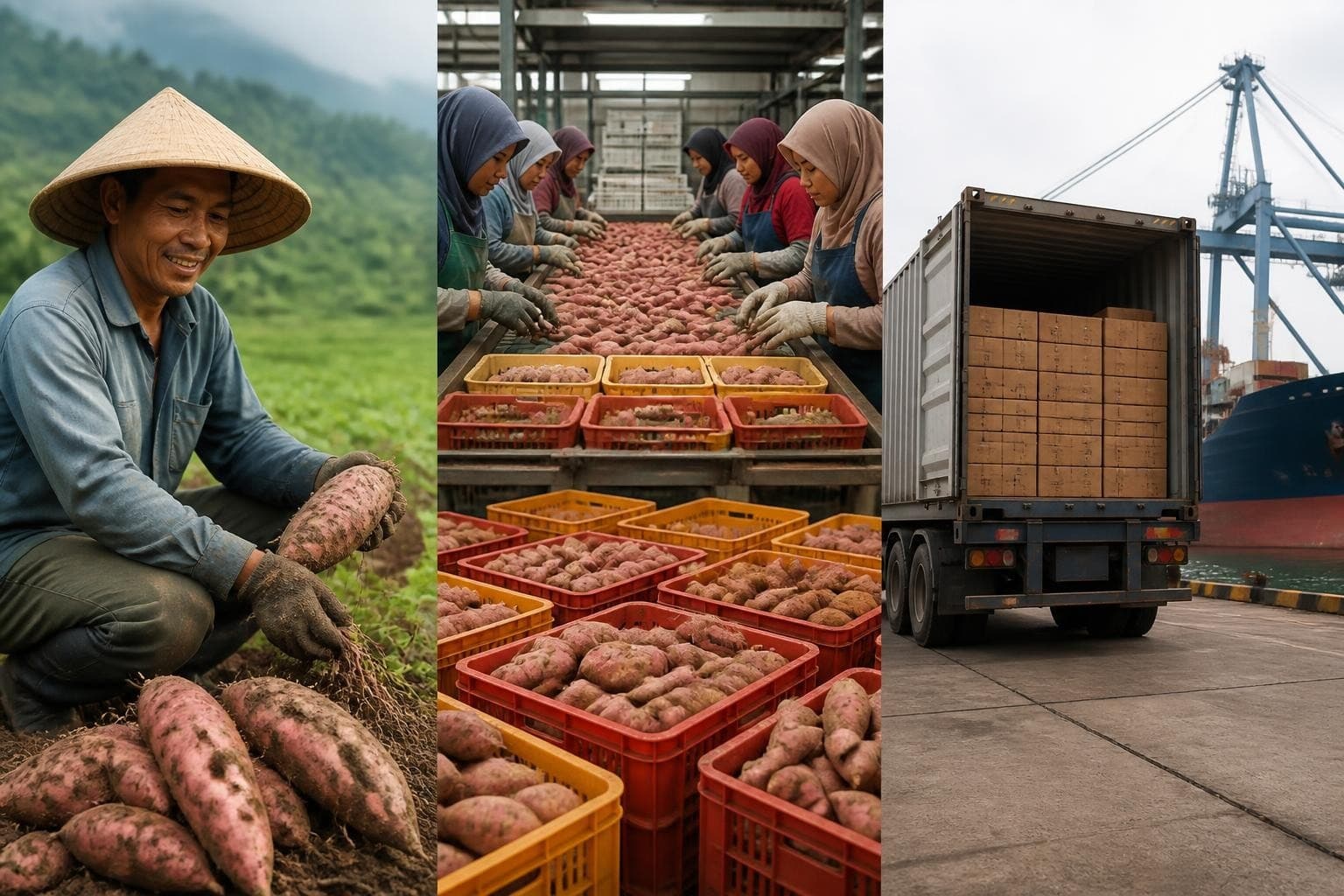
Wholesale Sweet Potatoes Indonesia: B2B Export Guide 2026
Source premium wholesale sweet potatoes Indonesia for import. Quality standards, export logistics, varieties, pricing & supplier partnerships.
Read article
Sweet Potatoes Supplier Indonesia: Quality & Export Guide
Find reliable sweet potatoes supplier Indonesia offering premium export quality. Learn about sourcing, grading, logistics, and partnerships.
Read article