
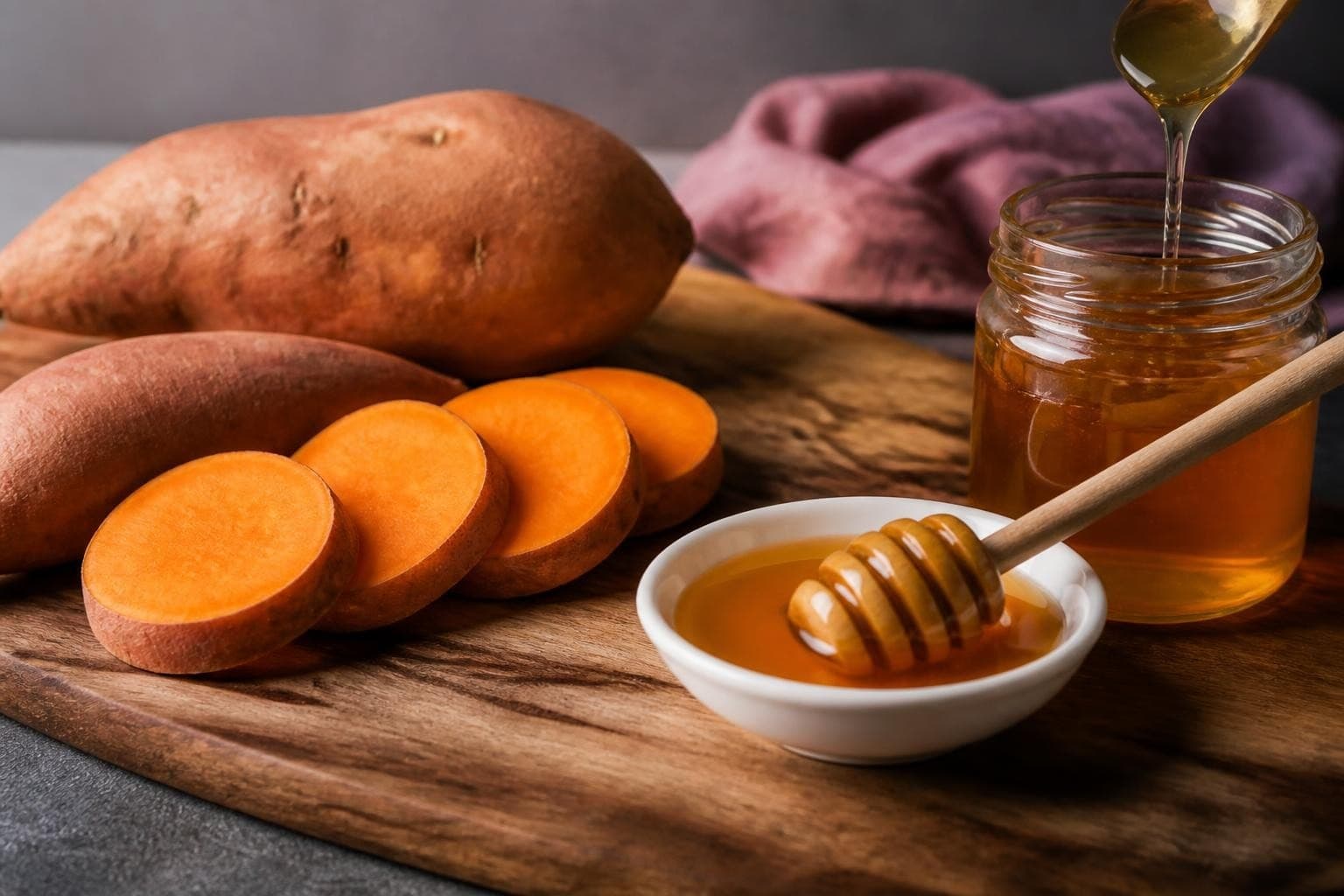
Discover the nutritional benefits of sweet potato and honey, their culinary applications, and why this combination matters for global markets.
The pairing of sweet potato and honey represents far more than a simple culinary combination. These two natural ingredients create a nutritional partnership that has captured attention across international markets, from health-conscious consumers to innovative food manufacturers. For exporters and distributors working with premium produce, understanding the science, market potential, and consumer appeal of this combination provides strategic advantages in positioning products for global buyers. The sweet potato and honey pairing bridges traditional cooking methods with modern nutritional awareness, creating opportunities across multiple market segments.
The Nutritional Foundation of Sweet Potato and Honey
Understanding the individual nutritional profiles of these ingredients reveals why their combination resonates with health-focused consumers. Sweet potatoes deliver exceptional nutritional density, offering high levels of vitamin A, fiber, and complex carbohydrates that support various bodily functions. Their orange flesh contains beta-carotene, a powerful antioxidant that converts to vitamin A in the body, supporting immune function and vision health.
Honey contributes its own nutritional advantages. As a natural sweetener, honey contains antioxidants and trace minerals that processed sugars lack. The combination of sweet potato and honey creates a nutrient-rich pairing where complex carbohydrates meet natural simple sugars, providing both immediate and sustained energy.
Complementary Macronutrient Profiles
The macronutrient composition of these ingredients works synergistically:
- Sweet potatoes: Primarily complex carbohydrates with moderate fiber content
- Honey: Simple carbohydrates with quick absorption rates
- Combined effect: Balanced energy release over extended periods
- Protein content: Minimal in both, requiring complementary protein sources
- Fat content: Virtually none, making them suitable for low-fat dietary patterns

Micronutrient Synergy
Beyond macronutrients, the micronutrient profiles of sweet potato and honey offer distinct advantages. Sweet potatoes excel in vitamin A, vitamin C, potassium, and manganese content. Honey provides smaller quantities of B vitamins, calcium, iron, and zinc. Together, they create a more complete micronutrient package than either ingredient alone.
| Nutrient Category | Sweet Potato Contribution | Honey Contribution | Combined Benefit |
|---|---|---|---|
| Antioxidants | Beta-carotene, anthocyanins | Flavonoids, phenolic acids | Enhanced cellular protection |
| Minerals | Potassium, manganese | Trace minerals, calcium | Broader mineral spectrum |
| Vitamins | A, C, B6 | B-complex vitamins | Improved metabolic support |
| Fiber | High dietary fiber | None | Digestive health maintenance |
Market Applications for Sweet Potato and Honey Products
The commercial potential of sweet potato and honey extends across multiple product categories and market segments. International buyers increasingly seek ingredients that combine traditional appeal with documented health benefits, creating opportunities for exporters who can guarantee quality and consistency.
Retail Food Products
Consumer packaged goods incorporating sweet potato and honey have gained substantial market traction. Ready-to-eat products, snack items, and meal components featuring this combination appeal to convenience-oriented consumers seeking nutritious options. Baby food manufacturers particularly value the natural sweetness and nutritional density that sweet potato and honey provide, though honey usage requires age-appropriate formulation.
Bakery applications represent another significant market segment. Sweet potato and honey work exceptionally well in bread products, muffins, and pastries, where they contribute moisture, natural sweetness, and nutritional enhancement. Commercial bakeries appreciate how these ingredients improve shelf life while meeting clean-label requirements.
Food Service and Hospitality
Restaurants and hotel chains have embraced sweet potato and honey in side dishes, glazes, and signature preparations. The combination's versatility allows chefs to create dishes ranging from casual to upscale, with the natural ingredients supporting farm-to-table and sustainable cuisine narratives that resonate with diners.
Key food service applications include:
- Glazed sweet potato sides with honey-butter finishes
- Sweet potato and honey purees as plate components
- Roasted sweet potato wedges with honey drizzle
- Sweet potato salads incorporating honey-based dressings
- Breakfast items featuring sweet potato hash with honey accents
Health Benefits Driving Consumer Demand
Consumer awareness of sweet potato health benefits continues expanding, particularly regarding their role in blood sugar management, inflammation reduction, and immune support. When combined with honey's antimicrobial and antioxidant properties, the sweet potato and honey pairing addresses multiple consumer health priorities simultaneously.
Glycemic Response Considerations
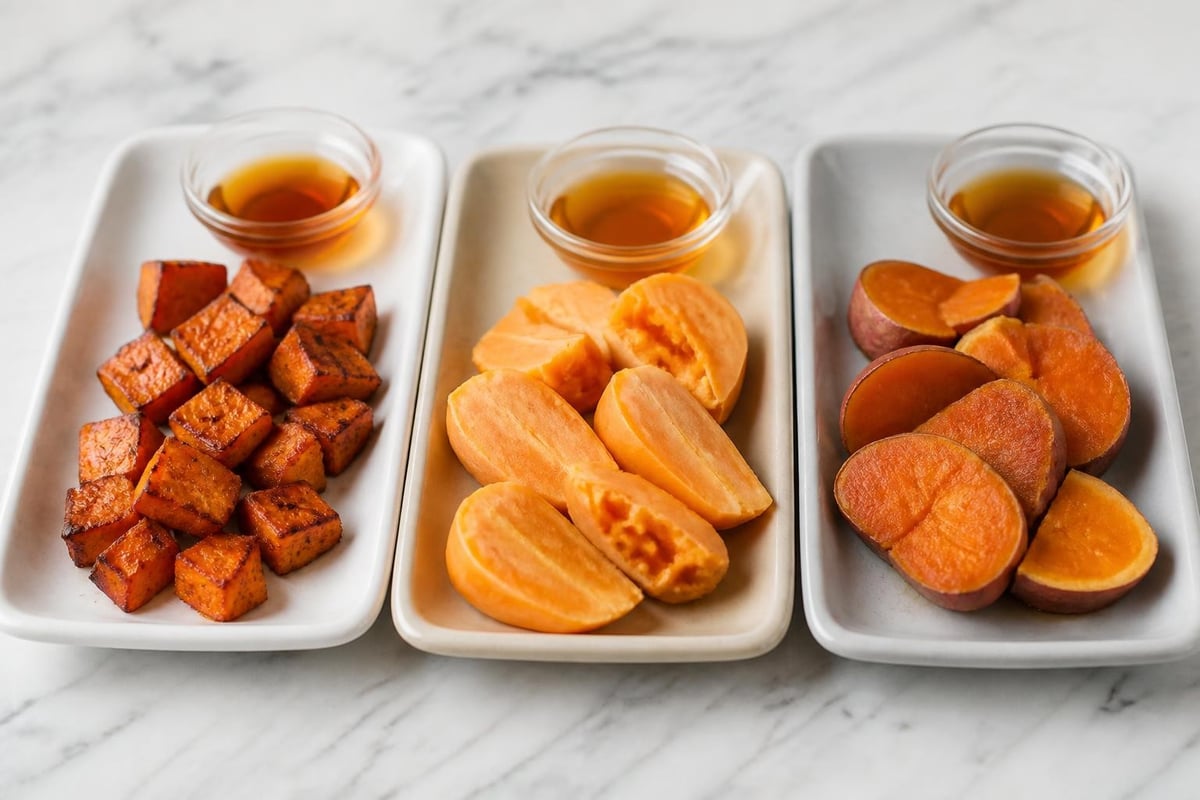
Despite containing natural sugars, properly prepared sweet potato and honey combinations can fit within blood sugar management strategies. Research examining sweet potato and honey consumption has explored their combined effects on glycemic response, revealing that preparation methods and portion control play crucial roles in their metabolic impact.
The fiber content in sweet potatoes moderates the glycemic impact of both ingredients. When consumed together, the complex carbohydrates slow the absorption of honey's simple sugars, creating a more gradual blood glucose elevation compared to refined sugar alternatives.
Immune System Support
Both ingredients contribute to immune function through distinct mechanisms. Sweet potatoes provide vitamin A, essential for maintaining mucosal barriers and supporting immune cell production. Honey offers antimicrobial compounds and antioxidants that combat oxidative stress and support the body's defense systems.
For international markets, positioning sweet potato and honey products around immune support has proven particularly effective during health-conscious consumer trends. This messaging resonates across demographic groups, from young families to aging populations seeking preventive nutrition.
Quality Specifications for Export Markets
International buyers require consistent quality standards when sourcing sweet potatoes for honey-paired applications. The variety, size, moisture content, and sugar composition of sweet potatoes significantly impact final product performance and consumer acceptance.
Varietal Selection for Honey Pairing
Different sweet potato varieties offer distinct characteristics when combined with honey:
| Variety Type | Flesh Color | Natural Sweetness | Best Honey Pairing Applications |
|---|---|---|---|
| Orange-fleshed | Deep orange | High | Glazes, roasted preparations |
| Purple-fleshed | Purple | Moderate | Specialty products, premium markets |
| White-fleshed | Pale yellow | Lower | Savory-sweet balance dishes |
| Japanese varieties | Pale yellow | Very high | Minimal honey needed, delicate preparations |
Post-Harvest Handling Impact
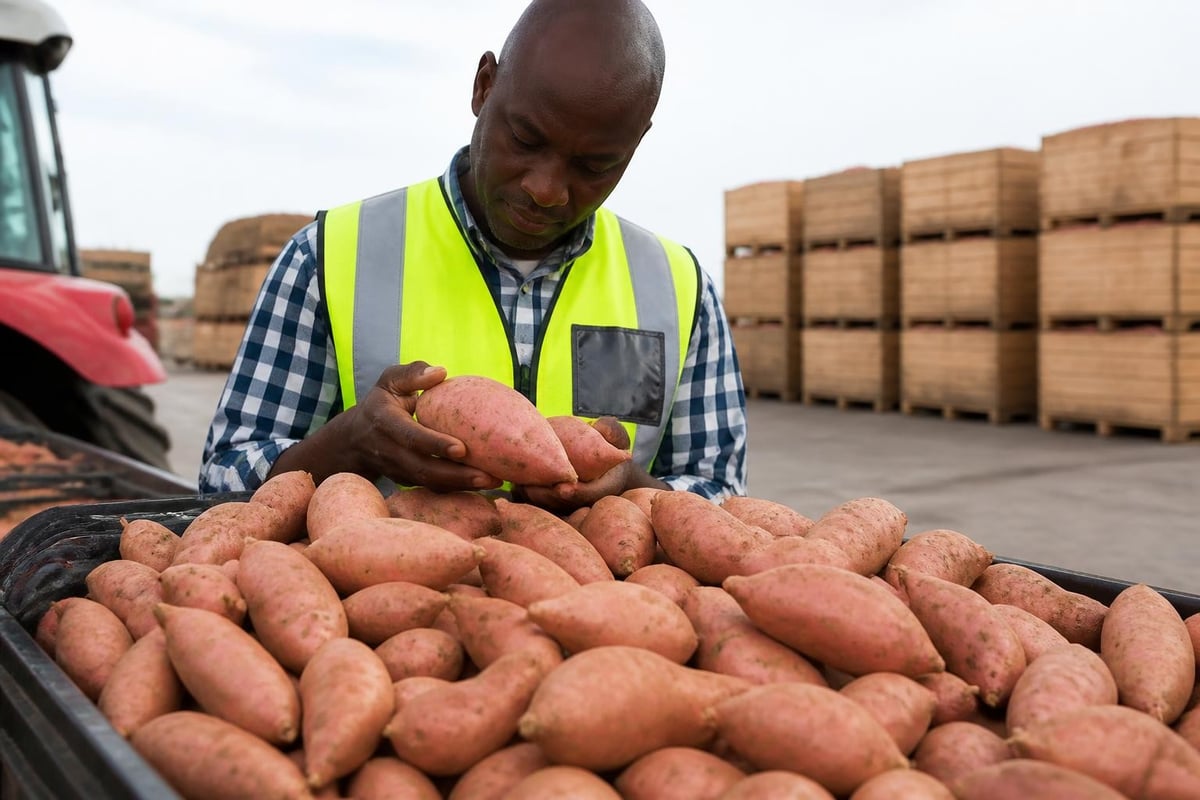
Proper post-harvest handling directly influences the success of sweet potato and honey preparations. Curing processes that develop sweetness, storage conditions that maintain firmness, and transportation methods that prevent damage all determine final product quality. Export operations must maintain cold chain integrity while managing humidity levels that preserve sweet potato quality without promoting spoilage.
For suppliers working with international buyers, documentation of handling procedures, traceability systems, and quality control measures provides competitive advantages. Buyers increasingly demand transparency throughout the supply chain, from farm partnerships to container loading.
Culinary Techniques and Product Development
The versatility of sweet potato and honey enables diverse culinary applications across global cuisines. Understanding regional preferences and cooking traditions helps exporters position products for specific markets while supporting buyer innovation.
Traditional Preparation Methods
Classic preparations have stood the test of time for good reason. Roasting sweet potatoes with honey creates caramelization that enhances both flavor and visual appeal. The Maillard reaction between amino acids and sugars produces complex flavors that simple boiling cannot achieve.
Essential preparation techniques include:
- Roasting: High heat caramelizes honey while concentrating sweet potato flavors
- Glazing: Honey coats sweet potato surfaces, creating glossy finishes
- Mashing: Incorporating honey into mashed sweet potatoes adds smoothness
- Baking: Whole sweet potatoes with honey filling create convenient serving portions
Modern Innovation Applications
Product developers continue finding new applications for sweet potato and honey combinations. Plant-based protein bars, natural energy gels for athletes, and clean-label snack products represent growing market segments. The natural compatibility of these ingredients simplifies formulation while meeting consumer demands for recognizable ingredients.
Frozen food manufacturers have successfully incorporated sweet potato and honey into ready-to-heat sides, creating convenience products that maintain nutritional integrity. These products appeal to time-pressed consumers seeking healthy options without extensive preparation requirements.
Export Considerations and Market Positioning
Successfully supplying sweet potatoes for honey-paired applications requires understanding buyer specifications, regulatory requirements, and competitive positioning. International markets present distinct challenges and opportunities depending on regional preferences, import regulations, and distribution channels.
Regulatory Compliance Across Markets
Different countries maintain specific import standards for sweet potatoes. Phytosanitary certificates, pesticide residue limits, and size specifications vary by destination market. Exporters must maintain comprehensive knowledge of these requirements while ensuring production practices meet or exceed international standards.
For processed products containing both sweet potato and honey, additional regulations regarding labeling, nutritional claims, and ingredient sourcing apply. Buyers seek suppliers who understand these complexities and can provide necessary documentation without delays or complications.
Sustainable Sourcing and Certifications
Environmental and social certifications increasingly influence buyer decisions. Certifications demonstrating sustainable farming practices, fair labor conditions, and environmental stewardship provide market differentiation. For premium sweet potato suppliers, these credentials justify higher price points while accessing sustainability-focused retail channels.
Partnership approaches that connect exporters directly with farming communities create compelling narratives for buyers. Transparency regarding growing practices, harvest methods, and farmer relationships supports marketing efforts while ensuring supply chain integrity.
Nutritional Research Supporting Market Growth
Scientific investigation into sweet potato nutritional composition continues validating traditional knowledge while uncovering new benefits. Academic research provides credibility for marketing claims and supports product positioning in health-focused market segments. Similarly, studies examining honey's antioxidant properties demonstrate measurable health contributions beyond simple sweetening.
Evidence-Based Marketing Support
Research-backed marketing messages resonate more effectively with educated consumers and institutional buyers. Clinical studies, nutritional analyses, and comparative research provide foundations for product claims that withstand regulatory scrutiny while building consumer trust.
International buyers, particularly those serving institutional markets like healthcare facilities, schools, and corporate dining, require substantiation for nutritional claims. Suppliers who provide access to relevant research and technical support differentiate themselves from competitors offering commoditized products without value-added services.
Strategic Advantages for Indonesian Exports
Indonesia's tropical climate and agricultural expertise create ideal conditions for premium sweet potato production. The country's geographic position enables efficient shipping to major Asian markets while maintaining competitive access to Middle Eastern and European buyers. For companies like those featured on the PT Cakra Baja Niaga blog, leveraging these natural advantages while building quality-focused partnerships creates sustainable competitive positioning.
Regional Production Advantages
West Java's volcanic soils and climate patterns produce sweet potatoes with excellent flavor profiles and nutritional content. Consistent growing conditions enable reliable year-round supply, addressing buyer concerns about seasonal availability that plague some origin countries. This consistency proves particularly valuable for buyers requiring uninterrupted supply chains for manufacturing operations.
The proximity to major ports reduces transportation time and costs while minimizing handling steps that can compromise quality. For sweet potatoes destined for fresh market sales or minimal processing before honey pairing, reduced transit time directly improves final product quality and shelf life.
The combination of sweet potato and honey offers compelling nutritional, culinary, and commercial advantages for international markets. Understanding quality specifications, preparation methods, and market applications enables exporters to position products effectively while supporting buyer success across diverse channels. For importers, distributors, and retailers seeking reliable sources of premium sweet potatoes suitable for honey-paired applications, PT Cakra Baja Niaga provides direct access to carefully selected Indonesian sweet potatoes from trusted West Java farming partners, ensuring consistent quality and dependable supply for your market requirements.
Looking to source premium Indonesian sweet potatoes?
PT Cakra Baja Niaga supplies export-grade Cilembu, Purple, and Murasaki varieties to buyers worldwide.
Continue reading
Sweet Potatoes Import Singapore Market Report
Explore Singapore’s sweet potato imports, leading suppliers, SFA requirements, pricing factors, and sourcing opportunities for Indonesian exporters.
Read article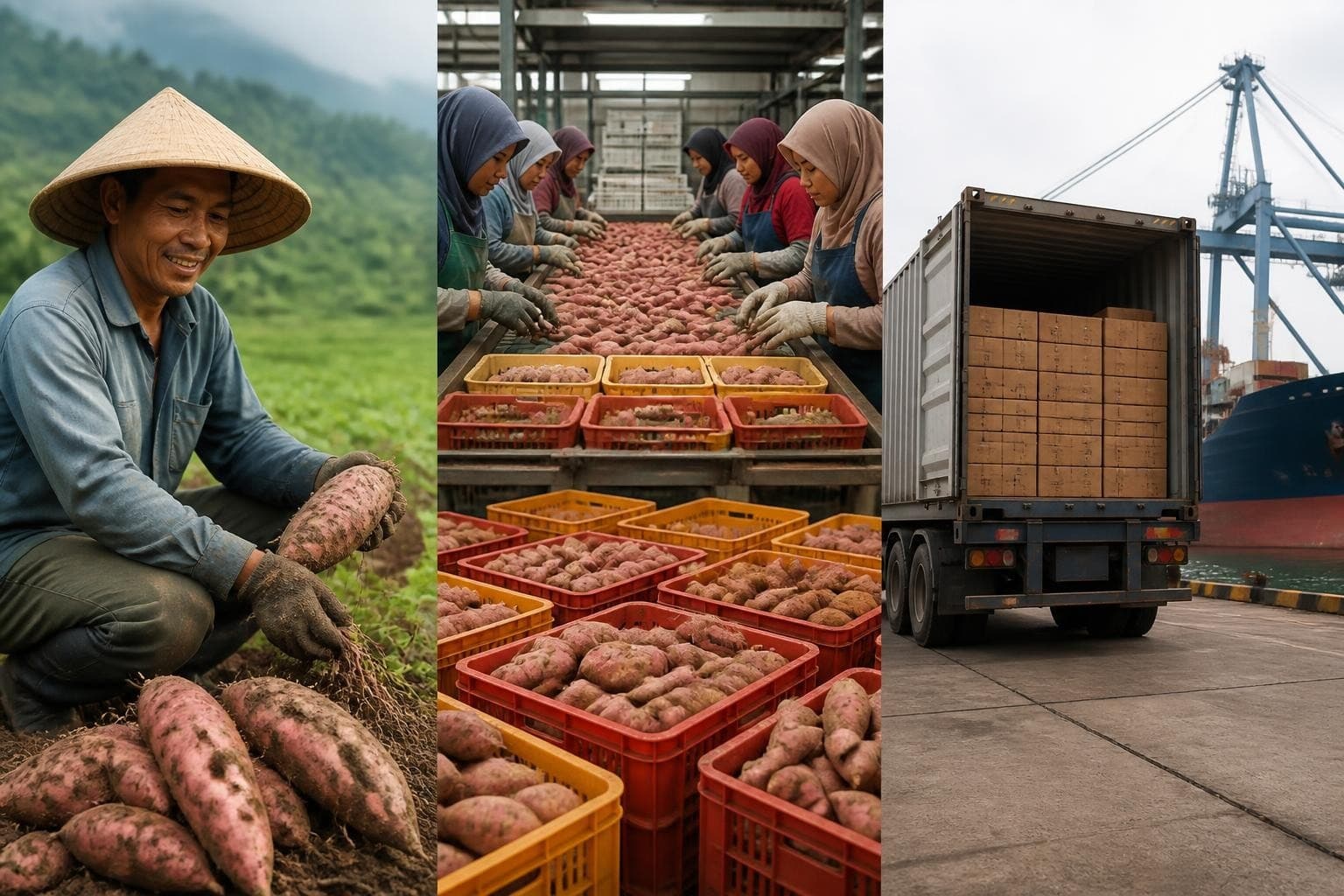
Wholesale Sweet Potatoes Indonesia: B2B Export Guide 2026
Source premium wholesale sweet potatoes Indonesia for import. Quality standards, export logistics, varieties, pricing & supplier partnerships.
Read article
Sweet Potatoes Supplier Indonesia: Quality & Export Guide
Find reliable sweet potatoes supplier Indonesia offering premium export quality. Learn about sourcing, grading, logistics, and partnerships.
Read article