

Discover how to source premium purple yams for your business. Expert insights on quality, suppliers, and international sourcing strategies.
Searching for "purple yams near me" has become increasingly common as global demand for this vibrant tuber continues to rise across international markets. Whether you're a distributor, retailer, or food service operator, understanding the sourcing landscape for purple sweet potatoes is essential for building a reliable supply chain. This comprehensive guide explores how international buyers can navigate the purple yam market, identify quality suppliers, and establish sustainable partnerships that ensure consistent product availability throughout the year.
Understanding the Purple Yam Market Landscape
The global appetite for purple yams has surged dramatically over the past five years, driven by consumer interest in nutrient-dense, visually striking ingredients. International markets, particularly in North America, Europe, and Asia, have witnessed exponential growth in demand for these colorful tubers.
Key market drivers include:
- Growing awareness of the nutritional profile and health benefits of purple yams
- Rising popularity of plant-based and functional foods
- Social media influence showcasing vibrant purple dishes
- Increased availability in specialty grocery chains
- Expansion of Asian cuisine in Western markets
Southeast Asia, particularly Indonesia and the Philippines, dominates global production. Indonesia's West Java region has emerged as a premier growing area, where volcanic soil and tropical climate create ideal conditions for cultivating sweet potatoes with deep purple flesh and superior flavor profiles.
Quality Indicators for Premium Purple Yams
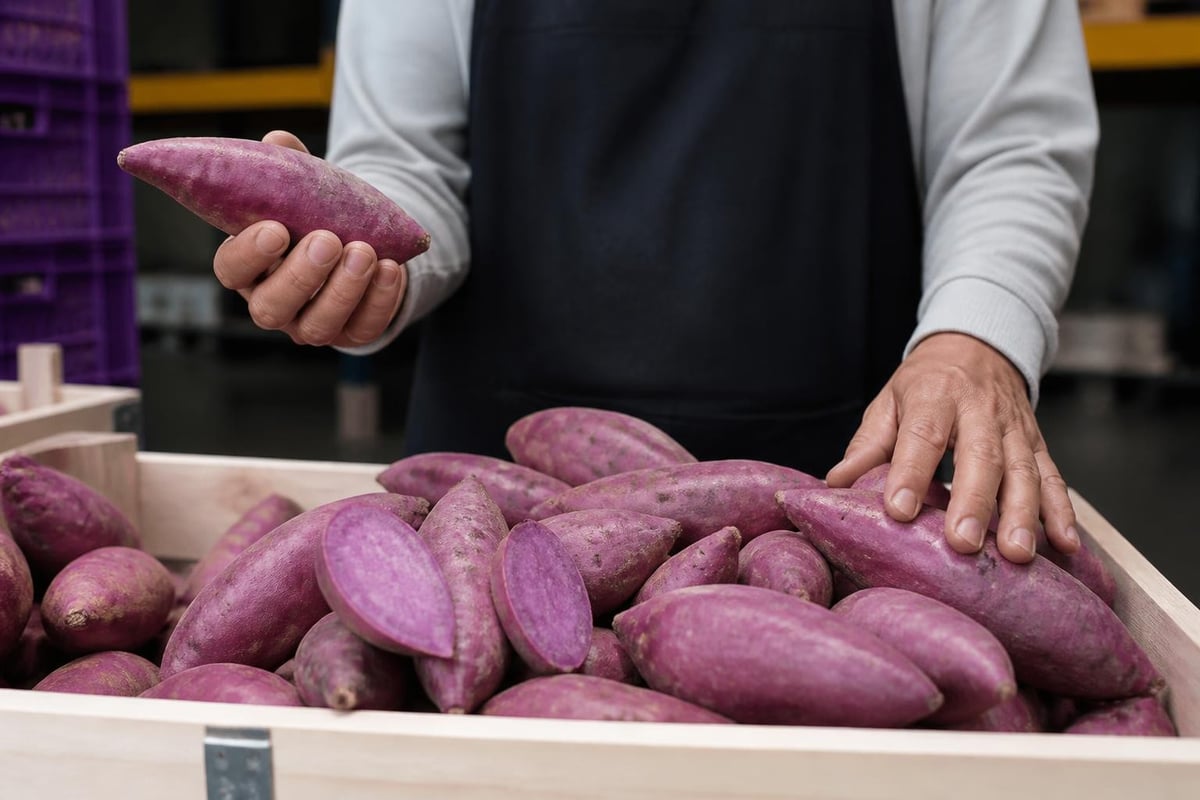
When evaluating potential suppliers for purple yams near me searches, understanding quality markers separates exceptional products from mediocre offerings. Premium purple sweet potatoes exhibit specific characteristics that impact shelf life, flavor, and customer satisfaction.
| Quality Factor | Premium Grade | Standard Grade |
|---|---|---|
| Skin Texture | Smooth, unblemished | Minor surface imperfections |
| Flesh Color | Deep, uniform purple | Lighter or uneven coloring |
| Firmness | Dense, no soft spots | Slight give when pressed |
| Size Consistency | 150-300g range | Variable sizing |
| Storage Life | 3-4 weeks refrigerated | 2-3 weeks refrigerated |
The internal flesh color intensity directly correlates with anthocyanin content, the powerful antioxidant compound that gives purple yams their distinctive hue and health properties. Suppliers who implement rigorous sorting and grading protocols ensure that every shipment meets international quality standards.
Sourcing Strategies for International Buyers
Finding reliable purple yams near me requires a strategic approach that goes beyond simple internet searches. International buyers must evaluate multiple factors when establishing supplier relationships that can withstand market fluctuations and seasonal variations.
Direct Farm Partnerships vs. Trading Companies
Two primary sourcing models dominate the purple yam export industry, each offering distinct advantages for different business requirements.
Direct farm partnerships provide maximum control over growing practices and harvest timing. Buyers work directly with agricultural cooperatives or individual farms, negotiating prices and quality specifications without intermediaries. However, this approach demands significant time investment, local market knowledge, and often requires managing logistics independently.
Trading companies with established farm networks offer streamlined access to consistent supply chains. These intermediaries maintain relationships with multiple growing regions, enabling year-round availability and quality assurance protocols. At PT Cakra Baja Niaga, our direct partnerships with West Java farms combine the quality control of direct relationships with the reliability of professional export operations.
Geographic Considerations for Sourcing
Indonesia's diverse growing regions produce purple yams with varying characteristics based on altitude, soil composition, and microclimate conditions. West Java provinces such as Garut, Cianjur, and Bandung have become renowned for producing sweet potatoes with exceptional flavor density and vibrant coloration.
Regional characteristics include:
- Garut District: Known for naturally sweet varieties with high dry matter content
- Cianjur Region: Produces tubers with superior storage qualities and firm texture
- Bandung Highlands: Yields purple yams with intense color saturation
- Tasikmalaya Area: Specializes in organic and sustainable cultivation methods
Climate patterns influence harvest cycles, with Indonesia's tropical seasons creating two distinct growing periods annually. Understanding these cycles enables buyers to plan procurement schedules that maintain consistent inventory levels.
Evaluating Supplier Credentials and Certifications
When your search for purple yams near me extends to international suppliers, verification of credentials becomes paramount. Legitimate exporters possess specific certifications that demonstrate compliance with food safety standards and export regulations.
Essential Certifications and Documentation
International purple yam suppliers should provide comprehensive documentation proving their operational legitimacy and product quality assurance. These credentials protect buyers from supply chain disruptions and ensure products meet import requirements in destination countries.
- Phytosanitary certificates confirming products are pest-free and meet plant health requirements
- Export licenses issued by Indonesian trade authorities
- Good Agricultural Practices (GAP) certification demonstrating sustainable farming methods
- HACCP compliance for food safety management systems
- Cold chain certifications ensuring proper temperature control during transportation
Beyond official certifications, examining supplier portfolios and case studies provides insight into their operational capabilities and experience serving international markets. Established exporters maintain transparent communication channels and readily share documentation upon request.

Nutritional Value and Market Positioning
Understanding the health benefits that make purple yams marketable helps importers position products effectively for their target demographics. The distinctive nutritional profile sets purple sweet potatoes apart from standard varieties, creating premium pricing opportunities.
Research published on health benefits of yams demonstrates that purple varieties contain significantly higher antioxidant levels compared to orange or white sweet potatoes. The anthocyanin compounds responsible for their purple hue provide anti-inflammatory properties and may support cardiovascular health.
Nutritional Comparison Table
| Nutrient (per 100g) | Purple Yam | Orange Sweet Potato | White Potato |
|---|---|---|---|
| Calories | 116 | 86 | 77 |
| Fiber | 3.3g | 3.0g | 2.2g |
| Vitamin A | 0 IU | 14187 IU | 0 IU |
| Anthocyanins | High | None | None |
| Potassium | 816mg | 337mg | 421mg |
| Glycemic Index | Low (44) | Medium (70) | High (85) |
The ten health benefits of purple yam include improved blood sugar regulation, enhanced digestive health, and potential cancer-protective properties. These attributes resonate with health-conscious consumers willing to pay premium prices for functional foods.
Logistics and Supply Chain Management
Successful procurement of purple yams near me for international distribution requires sophisticated logistics planning. The perishable nature of fresh sweet potatoes demands careful attention to transportation methods, temperature control, and timing.
Shipping Methods and Timeline Considerations
Air freight offers the fastest delivery option, typically taking 3-5 days from Indonesian farms to major international airports. This method preserves maximum freshness but commands premium pricing, making it suitable for high-value orders or urgent replenishment needs.
Sea freight provides cost-effective transportation for large volumes, with transit times ranging from 14-30 days depending on destination ports. Proper refrigerated container management maintains product quality throughout extended journeys, though buyers must account for longer lead times in inventory planning.
Consolidation strategies combine orders from multiple buyers to optimize container utilization and reduce per-unit shipping costs. Experienced exporters coordinate shipment schedules to ensure consistent delivery frequencies that align with buyer requirements.
Quality Preservation During Transit
- Pre-cooling immediately after harvest reduces field heat and extends storage life
- Temperature maintenance at 13-15°C prevents chilling injury while inhibiting sprouting
- Humidity control between 85-90% minimizes moisture loss and shriveling
- Packaging materials using ventilated cardboard boxes allow air circulation
- Inspection protocols at origin and destination verify condition throughout the journey
Building Long-Term Supplier Relationships
Moving beyond transactional purple yams near me searches to establish strategic partnerships creates competitive advantages in volatile commodity markets. Sustainable supplier relationships provide price stability, priority allocation during shortage periods, and collaborative problem-solving when challenges arise.
Communication and Transparency Best Practices
Effective partnerships require clear communication protocols that address quality expectations, delivery schedules, and payment terms. Weekly updates during growing seasons keep buyers informed about crop conditions, harvest projections, and potential supply fluctuations.
Key relationship elements:
- Regular video calls to discuss market trends and forecast requirements
- Shared quality control standards with photographic documentation
- Transparent pricing structures that reflect input costs and market conditions
- Collaborative planning for seasonal variations and promotional campaigns
- Joint participation in trade shows and industry networking events
The antioxidant benefits of purple yams continue attracting new market segments, creating opportunities for suppliers and buyers to grow together. Successful partnerships adapt to changing consumer preferences while maintaining product consistency.

Pricing Dynamics and Contract Negotiation
Understanding the factors that influence purple yam pricing enables buyers to negotiate favorable terms while ensuring supplier sustainability. Market prices fluctuate based on harvest yields, input costs, currency exchange rates, and international demand patterns.
Price Components Breakdown
Farm gate costs include labor for planting and harvesting, soil amendments, irrigation expenses, and pest management. Indonesian farms benefit from favorable climate conditions that reduce input requirements compared to temperate growing regions.
Processing and packaging expenses cover sorting, grading, washing, and preparing tubers for export. Premium packaging materials that protect products during international shipping add approximately 8-12% to base costs.
Export logistics encompass documentation fees, domestic transportation to ports, cold storage, customs clearance, and international freight. These components typically represent 30-40% of landed costs for distant markets.
| Cost Component | Percentage of Total | Optimization Opportunity |
|---|---|---|
| Farm Production | 35-40% | Volume commitments, seasonal planning |
| Processing | 10-15% | Standardized specifications, bulk ordering |
| Domestic Logistics | 8-12% | Consolidated shipments, efficient routing |
| International Freight | 20-25% | Container optimization, flexible timing |
| Compliance/Documentation | 5-8% | Long-term partnerships, streamlined processes |
| Supplier Margin | 10-15% | Multi-year agreements, payment terms |
Seasonal Pricing Patterns
Purple yam prices typically follow predictable seasonal patterns aligned with Indonesian harvest cycles. Peak harvest periods in May-July and November-January create supply abundance that moderates pricing, while transition months see tighter availability and corresponding price increases.
Forward contracts that lock in pricing for 3-6 month periods protect buyers from short-term volatility while providing farmers with guaranteed purchase commitments. These arrangements benefit both parties through reduced risk and improved planning capabilities.
Quality Assurance and Product Testing
Implementing rigorous quality assurance protocols ensures that purple yams near me searches result in products that meet or exceed specifications. International buyers should establish clear acceptance criteria and verification procedures before finalizing supplier agreements.
Pre-Shipment Inspection Protocols
Third-party inspection services provide independent verification of product quality, packaging standards, and quantity accuracy. These inspections typically occur at supplier facilities 24-48 hours before scheduled shipments, allowing time to address any discrepancies.
Standard inspection elements include:
- Random sampling from production lots to verify size distribution
- Internal flesh examination for color consistency and defect presence
- Firmness testing using calibrated penetrometers
- Photographic documentation of representative samples
- Verification of packaging materials and labeling accuracy
- Temperature monitoring of storage facilities
The health aspects of purple yams extend beyond basic nutrition to include specific bioactive compounds that deteriorate with improper handling. Quality assurance systems protect these valuable properties throughout the supply chain.
Market Trends and Future Outlook
The purple yam category continues evolving as consumer preferences shift toward functional foods with distinct nutritional benefits. Understanding emerging trends helps buyers position inventory strategically and anticipate demand fluctuations.
Consumer Preference Shifts
Millennial and Gen Z consumers demonstrate particular affinity for visually striking ingredients that photograph well for social media sharing. Purple yams satisfy this preference while delivering substantive health benefits that align with wellness-focused purchasing decisions.
Emerging applications include:
- Ready-to-eat purple yam products in refrigerated sections
- Frozen purple yam preparations for food service operators
- Purple yam flour for gluten-free baking applications
- Dehydrated purple yam chips as healthy snack alternatives
- Purple yam purees for baby food and specialty nutrition products
Retailers seeking to capitalize on these trends require suppliers capable of delivering consistent quality across product formats. The diverse recipe applications demonstrate versatility that appeals to both traditional and innovative culinary uses.
Sustainability and Ethical Sourcing Considerations
Modern consumers increasingly prioritize sustainability credentials when making purchasing decisions. Purple yam suppliers who demonstrate environmental stewardship and fair labor practices gain competitive advantages in premium market segments.
Sustainable Farming Practices
Indonesian sweet potato farms have adopted various sustainable agriculture methods that reduce environmental impact while maintaining productivity. These practices include crop rotation systems that preserve soil fertility, integrated pest management reducing chemical inputs, and water conservation techniques appropriate for tropical climates.
Certification programs verifying sustainable practices:
- Rainforest Alliance certification for biodiversity protection
- Organic certification through international accreditation bodies
- Fair Trade certification ensuring equitable farmer compensation
- Sustainable Agriculture Network standards compliance
Buyers can visit supplier resources and documentation to verify sustainability commitments and review third-party audit results. Transparent suppliers welcome buyer inquiries about farming practices and readily provide evidence of environmental compliance.
Technical Specifications for Commercial Buyers
Professional buyers require detailed technical specifications when sourcing purple yams near me for commercial applications. Standardized grading systems ensure consistency across shipments and facilitate quality-based pricing structures.
Size and Grade Classifications
Grade A (Premium): Uniform size 200-300g, smooth skin, no visible defects, deep purple flesh throughout, ideal for retail display and premium food service applications.
Grade B (Standard): Size range 150-350g, minor surface blemishes acceptable, consistent internal color, suitable for processing and general food service use.
Grade C (Processing): Variable sizes, cosmetic imperfections, appropriate for value-added products, purees, and ingredient applications where appearance is secondary.
Moisture and Dry Matter Content
Purple yams with 65-70% moisture content and 30-35% dry matter deliver optimal texture and flavor profiles. Higher dry matter percentages indicate superior cooking quality, creating creamier textures and more concentrated flavors after preparation.
Testing protocols should verify these parameters through representative sampling, ensuring shipments meet agreed specifications. Suppliers equipped with laboratory testing capabilities provide analytical certificates documenting moisture content, sugar levels, and starch composition.
Regulatory Compliance and Import Requirements
International purple yam trade requires navigation of complex regulatory frameworks governing food imports. Buyers must understand destination country requirements and ensure suppliers provide necessary documentation for customs clearance.
Common Import Requirements by Region
North America requires USDA phytosanitary certificates, country of origin declarations, and compliance with FDA food safety regulations. Some jurisdictions mandate fumigation treatments or specific pest control protocols.
European Union enforces strict pesticide residue limits, traceability requirements, and packaging material regulations. Suppliers must demonstrate compliance with EU food safety directives and provide comprehensive product specifications.
Asia-Pacific markets vary significantly by country, with some requiring pre-shipment inspections and others accepting documentation-based clearance. Understanding specific requirements prevents costly delays and rejected shipments.
Working with experienced exporters who maintain current knowledge of international regulations simplifies compliance management and reduces import risks.
Technology Integration in Supply Chain Management
Modern purple yam sourcing increasingly leverages technology platforms that enhance visibility, streamline communication, and improve forecasting accuracy. Digital tools transform traditional procurement processes into data-driven operations.
Digital Platform Benefits
Cloud-based supply chain management systems provide real-time visibility into order status, shipment tracking, and inventory levels. These platforms enable buyers to monitor purple yam shipments from farm harvest through final delivery, identifying potential delays before they impact operations.
Technology applications include:
- Blockchain-based traceability systems documenting product journey
- IoT sensors monitoring temperature and humidity during transit
- Automated reordering based on inventory thresholds
- Predictive analytics forecasting demand patterns
- Digital quality control documentation with photographic evidence
Forward-thinking suppliers invest in these technologies to differentiate their services and provide value beyond commodity product delivery. Integration capabilities with buyer systems create seamless information flow that reduces administrative burden.
Securing reliable sources of premium purple yams requires strategic planning, supplier verification, and attention to quality assurance throughout the supply chain. Whether you're expanding product offerings or seeking to improve existing supply relationships, partnering with experienced exporters ensures consistent access to this increasingly popular superfood. PT Cakra Baja Niaga specializes in connecting international buyers with premium Indonesian sweet potatoes through transparent partnerships, rigorous quality control, and dependable year-round supply from our West Java farm network. Contact us to discuss how we can support your purple yam sourcing requirements with tailored solutions for your business.
Looking to source premium Indonesian sweet potatoes?
PT Cakra Baja Niaga supplies export-grade Cilembu, Purple, and Murasaki varieties to buyers worldwide.
Continue reading
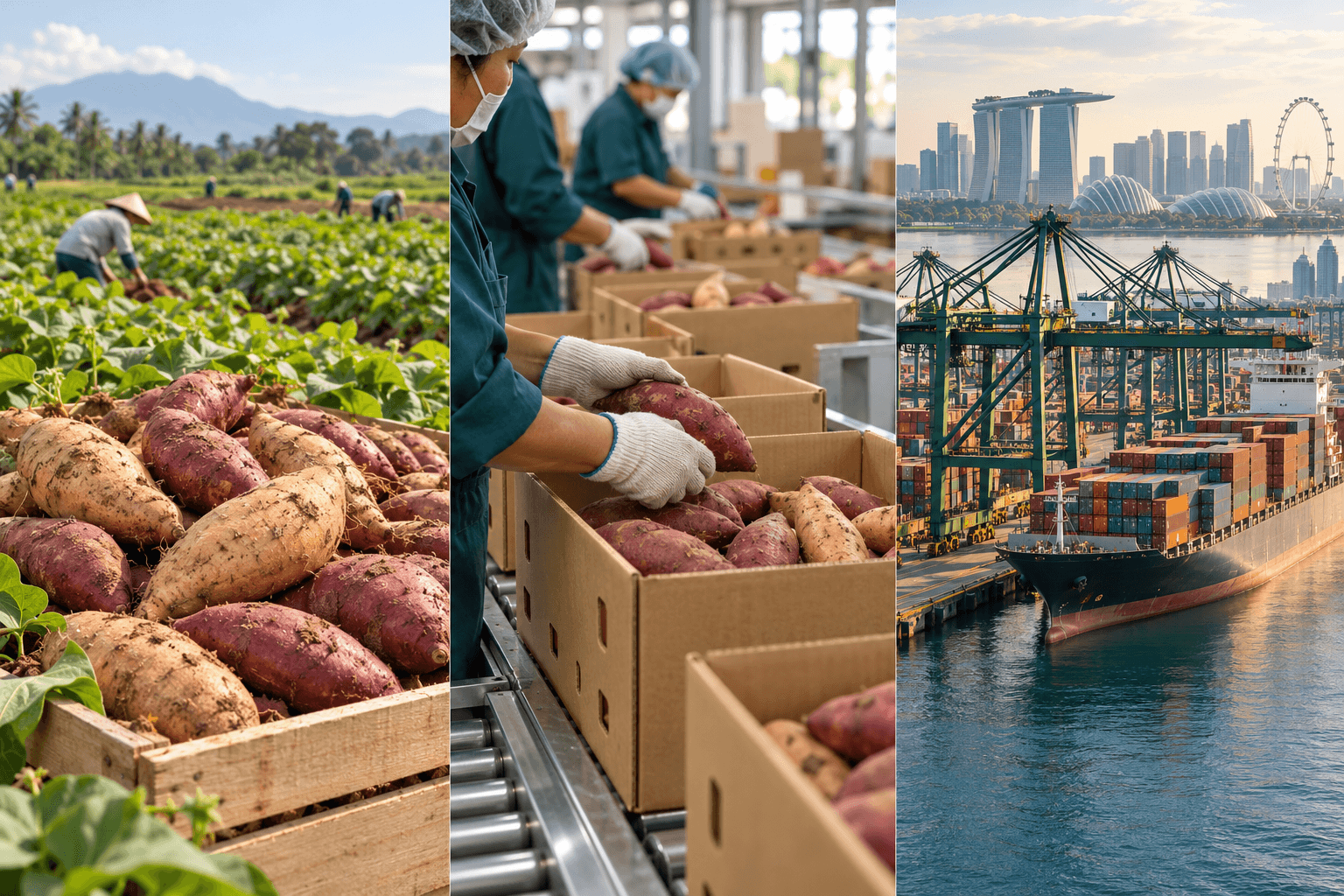
Sweet Potatoes Import Singapore Market Report
Explore Singapore’s sweet potato imports, leading suppliers, SFA requirements, pricing factors, and sourcing opportunities for Indonesian exporters.
Read article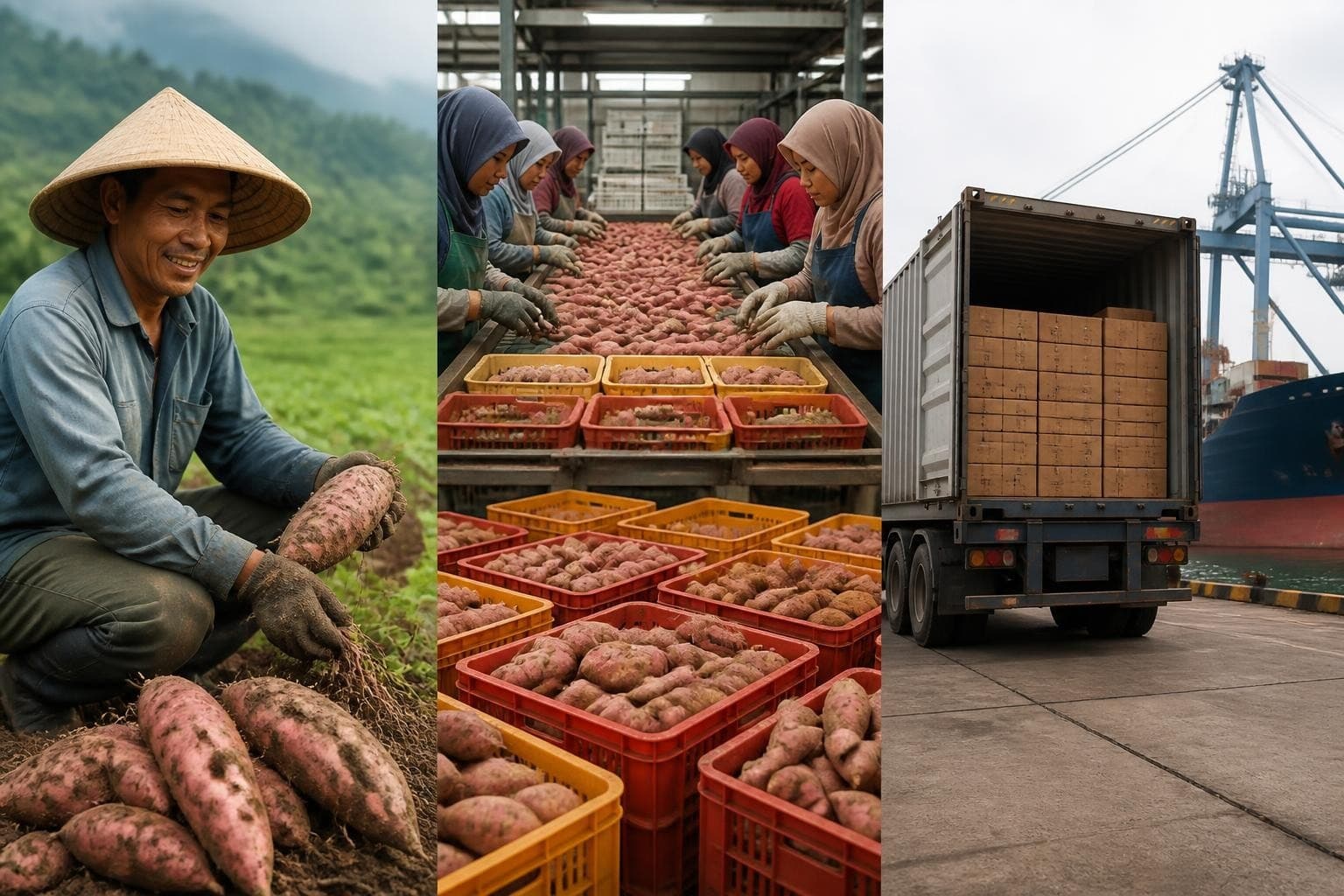
Wholesale Sweet Potatoes Indonesia: B2B Export Guide 2026
Source premium wholesale sweet potatoes Indonesia for import. Quality standards, export logistics, varieties, pricing & supplier partnerships.
Read article
Sweet Potatoes Supplier Indonesia: Quality & Export Guide
Find reliable sweet potatoes supplier Indonesia offering premium export quality. Learn about sourcing, grading, logistics, and partnerships.
Read article