
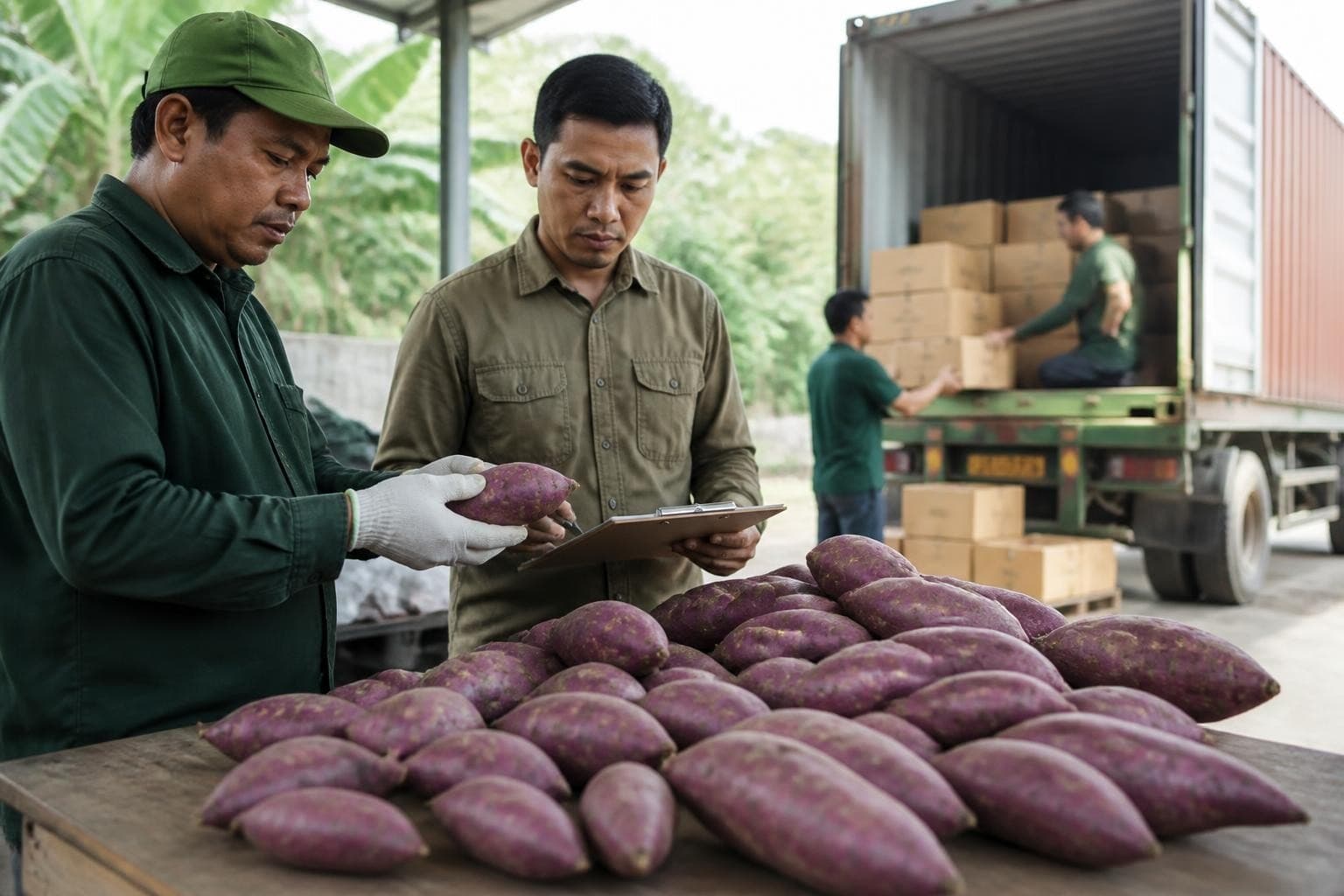
Comprehensive guide for importers looking to buy Okinawan sweet potatoes. Learn quality standards, sourcing strategies, and supply chain solutions.
The global demand for Okinawan sweet potatoes has surged dramatically as health-conscious consumers and culinary professionals discover this vibrant purple root vegetable. For importers, distributors, and retailers seeking to capitalize on this growing market, understanding how to successfully execute an okinawan sweet potato buy requires navigating quality specifications, supply chain logistics, and reliable sourcing partnerships. This comprehensive guide addresses the critical considerations that procurement professionals face when establishing sustainable supply relationships for this premium specialty crop.
Understanding the Okinawan Sweet Potato Market Landscape
The distinctive purple-fleshed sweet potato from Okinawa has transformed from a regional specialty into a globally recognized superfood. Unlike standard orange sweet potatoes, the Okinawan variety contains exceptional levels of anthocyanins, the same antioxidant compounds found in blueberries and red wine. This nutritional profile has positioned it as a premium product commanding higher price points across international markets.
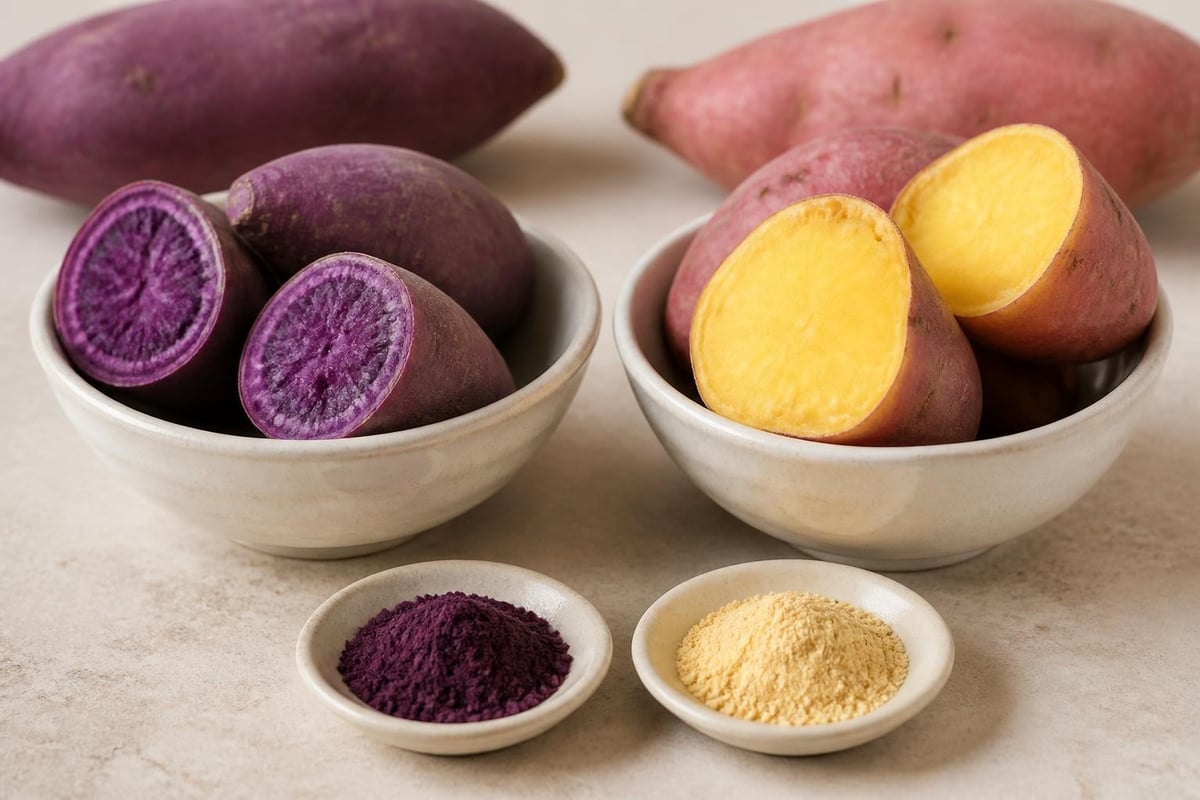
Market research indicates that demand has grown consistently across North America, Europe, and Asia-Pacific regions. Retail buyers appreciate the product's versatility, spanning applications from traditional roasting to contemporary uses in smoothie bowls, baked goods, and plant-based food products. The comprehensive nutritional profile of Okinawan sweet potatoes reveals why this variety has captured consumer attention, offering superior antioxidant content compared to conventional alternatives.
Key Market Drivers Influencing Purchase Decisions
Several factors have accelerated international interest in securing reliable sources for this specialty crop:
- Health and wellness trends emphasizing nutrient-dense, colorful vegetables
- Plant-based food movement requiring versatile ingredients with visual appeal
- Longevity research linking Okinawan dietary patterns to exceptional health outcomes
- Social media influence driving demand through visually striking purple-hued dishes
- Premium positioning allowing retailers to differentiate their produce offerings
The price premium for Okinawan sweet potatoes typically ranges from 40-80% above standard sweet potato varieties, reflecting both cultivation requirements and market positioning. When planning an okinawan sweet potato buy, procurement teams must balance this premium against the product's ability to command higher retail prices and attract specific customer demographics.
Quality Specifications and Grading Standards
Establishing clear quality parameters before initiating purchase agreements prevents costly disputes and ensures product consistency. Professional buyers evaluate Okinawan sweet potatoes across multiple dimensions that directly impact shelf life, culinary performance, and customer satisfaction.
Physical Characteristics and Appearance
The exterior skin should display a uniform beige to light purple color without significant blemishes, cuts, or soft spots. Internal flesh color serves as a critical quality indicator-premium grades exhibit deep, vibrant purple throughout, while lower grades may show color variation or pale sections. Size consistency matters significantly for commercial buyers, as uniform dimensions facilitate standardized packaging and pricing.
| Grade Level | Size Range (grams) | Blemish Tolerance | Color Uniformity | Typical Use Case |
|---|---|---|---|---|
| Premium A | 200-350 | <5% surface area | Deep purple, consistent | High-end retail, restaurants |
| Standard B | 150-400 | <10% surface area | Good purple, minor variation | General retail, food service |
| Processing C | 100-500 | <20% surface area | Acceptable purple | Prepared foods, chips, powder |
Firmness testing using penetrometer measurements provides objective quality data. Premium okinawan sweet potato buy orders typically specify minimum firmness thresholds to ensure adequate shelf life during international shipping and distribution.
Sourcing Strategies for International Buyers
Building dependable supply relationships requires strategic planning that extends beyond simple transactional purchasing. Successful importers develop comprehensive sourcing frameworks that address seasonality, volume requirements, and quality assurance protocols.
Direct Farm Partnerships Versus Trading Companies
Buyers face a fundamental choice between establishing direct relationships with cultivation operations or working through experienced trading intermediaries. Direct partnerships offer potentially lower per-unit costs and greater transparency into growing practices, but require significant investment in relationship development, quality monitoring, and logistics coordination.
Trading companies specializing in sweet potato export provide valuable services that streamline the okinawan sweet potato buy process:
- Aggregation capabilities combining production from multiple farms to meet volume requirements
- Quality standardization through consistent grading, sorting, and inspection protocols
- Export documentation handling phytosanitary certificates, customs paperwork, and compliance requirements
- Logistics optimization managing container booking, cold chain coordination, and delivery scheduling
- Risk mitigation through diversified sourcing that protects against crop failures or regional disruptions
Indonesian production regions, particularly West Java, have emerged as reliable alternative sources for Okinawan-type purple sweet potatoes. The tropical climate supports year-round cultivation with strategic planting schedules, addressing the seasonality challenges that limit sourcing from temperate regions.
Geographic Considerations and Supply Availability
Traditional Okinawan sweet potato production remains concentrated in Japan's southernmost prefecture, but expanding global demand has driven cultivation adoption across Southeast Asia, parts of the United States, and select tropical regions. When evaluating where to execute an okinawan sweet potato buy, procurement professionals assess multiple geographic factors.

Climate suitability determines production success-the crop thrives in warm, tropical to subtropical conditions with well-drained soils. Indonesian growing regions offer comparable or superior growing conditions to traditional Okinawan cultivation areas, producing comparable quality at competitive pricing. The nutritional benefits and uses of Okinawan sweet potatoes remain consistent across properly managed cultivation sites regardless of geographic location.
Transportation distance impacts both cost structure and carbon footprint considerations. Asian production sources provide logistical advantages for buyers throughout the Asia-Pacific region, while creating competitive shipping routes to North American West Coast markets.
Quality Assurance and Certification Requirements
Professional procurement demands verifiable quality systems that protect buyer interests and ensure regulatory compliance. Before finalizing any okinawan sweet potato buy agreement, establish clear quality assurance protocols with measurable standards and documented verification processes.
Pre-Shipment Inspection Protocols
Independent third-party inspection services provide objective quality verification before products leave origin. Comprehensive inspection programs evaluate:
- Size distribution confirming adherence to specified diameter or weight ranges
- Visual quality assessing skin condition, uniformity, and absence of defects
- Internal quality through sample cutting to verify flesh color and texture
- Packaging integrity ensuring proper materials, labeling, and container condition
- Documentation accuracy verifying quantities match purchase orders and shipping documents
Many buyers implement statistical sampling plans based on internationally recognized standards like ANSI/ASQ Z1.4, providing mathematical confidence in lot quality while maintaining cost-effective inspection protocols.
Certification and Compliance Documentation
International sweet potato trade requires navigation of complex regulatory frameworks varying by destination market. Essential documentation typically includes:
| Document Type | Purpose | Issuing Authority | Validity Period |
|---|---|---|---|
| Phytosanitary Certificate | Confirms pest/disease freedom | National plant protection organization | Per shipment |
| Certificate of Origin | Verifies production country | Chamber of commerce or customs | Per shipment |
| Quality Certificate | Attests to grade specifications | Inspection agency or exporter | Per shipment |
| Health Certificate | Confirms food safety compliance | Health ministry or authorized body | Per shipment |
Additional certifications like organic, GlobalGAP, or HACCP may be required depending on buyer specifications and target market requirements. When structuring an okinawan sweet potato buy through established trading companies, verify their certification capabilities align with your market's regulatory requirements.
Pricing Structures and Contract Terms
Understanding market pricing dynamics and negotiating favorable contract terms directly impacts profitability for both buyers and sellers. Okinawan sweet potato markets demonstrate greater price volatility than commodity vegetables due to specialty market positioning and limited production volumes.
Price Determinants and Market Factors
Multiple variables influence the price points buyers encounter when preparing to okinawan sweet potato buy:
Supply-side factors include seasonal production cycles, weather impacts on yield and quality, cultivation area expansion or contraction, and labor cost trends in growing regions. Demand-side factors encompass consumer health trends, competitive product availability, retail promotional activities, and food service menu integration.
Transportation costs represent a significant price component for international trade. Container shipping rates, fuel surcharges, and cold chain requirements add layers of cost that fluctuate based on global logistics conditions. Smart buyers track freight rate trends and may time large purchases to coincide with favorable shipping conditions.
Currency exchange rates create additional pricing complexity for cross-border transactions. Contracts denominated in US dollars protect buyers from seller-country currency depreciation but expose them to their own currency's fluctuation against the dollar. Forward contracts and currency hedging instruments help manage this risk for large-volume buyers.
Volume Commitments and Long-Term Agreements
Single-shipment spot purchases offer maximum flexibility but typically command premium pricing and provide no supply security. Strategic buyers increasingly adopt structured supply agreements that balance commitment with competitive pricing.
Seasonal contracts commit buyers to specific volumes over a 3-6 month growing season, providing supply security while maintaining some flexibility. Pricing may be fixed at contract signing or adjusted based on agreed-upon index formulas tied to production costs or market benchmarks.
Annual agreements extend commitment timelines to 12 months, typically structured with quarterly or monthly delivery schedules. These arrangements often include volume tiers where per-unit pricing decreases as total annual volume increases, rewarding larger commitments with better economics.
Multi-year partnerships represent the deepest collaboration level, sometimes including buyer investment in cultivation capacity or infrastructure improvements. These relationships work best when both parties commit to transparent communication and shared risk/reward frameworks.
Logistics and Cold Chain Management
Successful okinawan sweet potato buy transactions require meticulous attention to post-harvest handling and transportation conditions. Sweet potatoes are living organisms that continue metabolic processes after harvest, making proper environmental control essential for maintaining quality through extended supply chains.
Temperature and Humidity Control Requirements
Okinawan sweet potatoes require careful climate management distinct from standard potato storage protocols. Optimal storage conditions maintain 55-60°F (13-16°C) with 85-90% relative humidity. Temperatures below 50°F cause chilling injury, resulting in hard cores and poor cooking quality, while temperatures above 65°F accelerate sprouting and respiration that shortens shelf life.
Container specifications for ocean freight should include:
- Refrigerated (reefer) containers set to specified temperature range
- Ventilation settings allowing adequate air exchange
- Humidity monitoring to prevent condensation or excessive drying
- Temperature logging devices providing continuous data records
- Proper loading patterns ensuring air circulation throughout the container
International shipping typically ranges from 14-30 days depending on origin and destination ports. The cooking methods and nutrition facts for Okinawan sweet potatoes remain optimal only when proper cold chain integrity is maintained throughout this journey.
Packaging Solutions for International Shipping
Packaging serves multiple functions: physical protection, moisture management, portion control, and marketing appeal. B2B okinawan sweet potato buy orders typically utilize different packaging approaches than retail-ready configurations.
Bulk packaging in 10-20 kilogram cartons with ventilation holes allows efficient palletization and handling while protecting products from crushing. Net bags provide excellent ventilation and visual inspection capability but offer less physical protection. Waxed cardboard boxes with moisture-resistant properties help maintain optimal humidity while preventing condensation accumulation.
Retail-ready packaging adds costs but eliminates repacking labor at distribution centers. Smaller 1-3 kilogram units with product information, nutritional labeling, and branding create shelf appeal while meeting consumer preferences for manageable quantities.
Building Supplier Relationships for Consistent Quality
Long-term success in specialty produce importing depends on cultivating strong, transparent relationships with reliable suppliers. The okinawan sweet potato buy process becomes significantly more efficient and predictable when both parties invest in partnership development beyond transactional exchanges.
Supplier Evaluation Criteria
Professional procurement teams assess potential suppliers across multiple dimensions before committing to significant volume agreements. Critical evaluation areas include:
- Production capacity and ability to scale with demand growth
- Quality management systems with documented procedures and accountability
- Financial stability ensuring supplier viability through market fluctuations
- Communication responsiveness and language capabilities for international coordination
- Export experience demonstrating regulatory knowledge and documentation proficiency
- Infrastructure capabilities including cold storage, grading facilities, and logistics coordination
On-site supplier audits provide invaluable insights that documentation alone cannot reveal. Visiting cultivation areas, packing facilities, and storage operations allows buyers to verify capabilities and identify potential risk factors before establishing supply relationships.
Communication Protocols and Issue Resolution
Clear communication frameworks prevent misunderstandings and facilitate rapid problem resolution when challenges inevitably arise. Successful buyer-supplier relationships establish:
Regular update schedules providing visibility into crop development, expected harvest timing, and quality projections well before shipment dates. Specification documents with visual references, measurement criteria, and tolerance ranges that eliminate subjective interpretation. Escalation procedures defining how to address quality disputes, delivery delays, or documentation issues through structured processes.
When quality issues occur, both parties benefit from collaborative problem-solving rather than adversarial blame assignment. Root cause analysis identifies systemic improvements that prevent recurrence, strengthening the partnership and improving future okinawan sweet potato buy outcomes.
Market Trends and Future Outlook
The specialty sweet potato market continues evolving as consumer preferences shift and production capabilities expand globally. Buyers planning multi-year sourcing strategies must consider emerging trends that will shape availability, pricing, and quality expectations.
Consumer Demand Evolution
Health consciousness continues driving interest in nutrient-dense vegetables with documented benefits. The Okinawan sweet potato's association with the longevity of Okinawan populations creates compelling marketing narratives that resonate with wellness-focused consumers. Food manufacturers increasingly incorporate purple sweet potato into processed products ranging from chips and fries to baked goods and beverages, expanding market channels beyond fresh produce.
The visual appeal of purple foods maintains strong momentum on social media platforms, particularly among younger demographics valuing both nutrition and aesthetics. This trend supports premium pricing and creates differentiation opportunities for retailers and food service operators who successfully integrate these products into their offerings.
Production and Supply Development
Cultivation expertise for Okinawan-type purple sweet potatoes continues spreading beyond traditional growing regions. Southeast Asian production, particularly in Indonesia, has matured significantly over recent years. Farmers in West Java and other regions have developed specialized cultivation techniques optimized for this variety, producing consistent quality that meets international buyer requirements.
Investment in post-harvest infrastructure, including modern cold storage facilities and export-oriented packing operations, has reduced quality losses and extended viable shipping ranges. These improvements make sourcing from emerging production regions increasingly competitive with traditional supply sources.
Practical Steps for Your First Purchase
For buyers preparing to execute their initial okinawan sweet potato buy, a systematic approach minimizes risk while establishing foundations for ongoing supply relationships. Follow these structured steps to navigate the process successfully:
Step 1: Define your requirements with specificity around quality grade, size specifications, volume needs, delivery timing, and budget parameters. Document these requirements in clear written specifications that can be shared with potential suppliers.
Step 2: Identify and evaluate suppliers through industry networks, trade associations, or platforms connecting international agricultural traders. For those exploring reliable sweet potato export partners, visit the PT Cakra Baja Niaga blog for insights into Indonesian sweet potato sourcing and export capabilities. Request references and verify supplier credentials before proceeding to price negotiations.
Step 3: Request samples to verify that supplier quality meets your specifications before committing to commercial volumes. Small air-shipped samples allow evaluation of appearance, internal color, taste, and cooking characteristics. Sample costs represent valuable insurance against larger-scale disappointments.
Step 4: Negotiate terms covering not just price but also quality specifications, inspection procedures, shipping methods, payment terms, and dispute resolution mechanisms. Document all agreements in detailed purchase contracts that protect both parties' interests.
Step 5: Establish quality assurance protocols including pre-shipment inspection, documentation requirements, and acceptance criteria at destination. Clear quality standards prevent disputes and establish accountability throughout the supply chain.
Step 6: Monitor and evaluate performance after initial shipments arrive, documenting quality outcomes, timing accuracy, and communication effectiveness. Use this data to refine specifications and strengthen supplier relationships for future purchases.
Regional Sourcing Advantages in Southeast Asia
Indonesian sweet potato production offers compelling advantages for international buyers seeking reliable, cost-effective sourcing for okinawan sweet potato buy requirements. The tropical climate supports year-round cultivation with multiple planting cycles, eliminating the seasonal supply gaps that challenge temperate-region production.
West Java has emerged as a particularly strong production region, combining favorable growing conditions with developing export infrastructure and experienced farming communities. Partnerships with established trading companies in this region provide access to aggregated supply from multiple farms, ensuring volume consistency and quality standardization.
Transportation logistics from Indonesian ports to major Asian markets offer competitive shipping times and costs compared to alternative origins. Container shipping to Singapore, Hong Kong, or other regional hubs typically requires 5-10 days, maintaining excellent cold chain integrity while minimizing logistics expenses.
Understanding the complexities of international sweet potato sourcing empowers importers, distributors, and retailers to make informed decisions that balance quality, cost, and supply reliability. Successful procurement requires attention to quality specifications, logistics management, and supplier relationship development that extends beyond simple transactional purchasing. For businesses seeking a dependable partner for premium sweet potato exports, PT Cakra Baja Niaga works directly with partner farms in West Java to deliver consistent quality, transparent partnerships, and reliable supply solutions tailored to the specific requirements of international buyers.
Looking to source premium Indonesian sweet potatoes?
PT Cakra Baja Niaga supplies export-grade Cilembu, Purple, and Murasaki varieties to buyers worldwide.
Continue reading
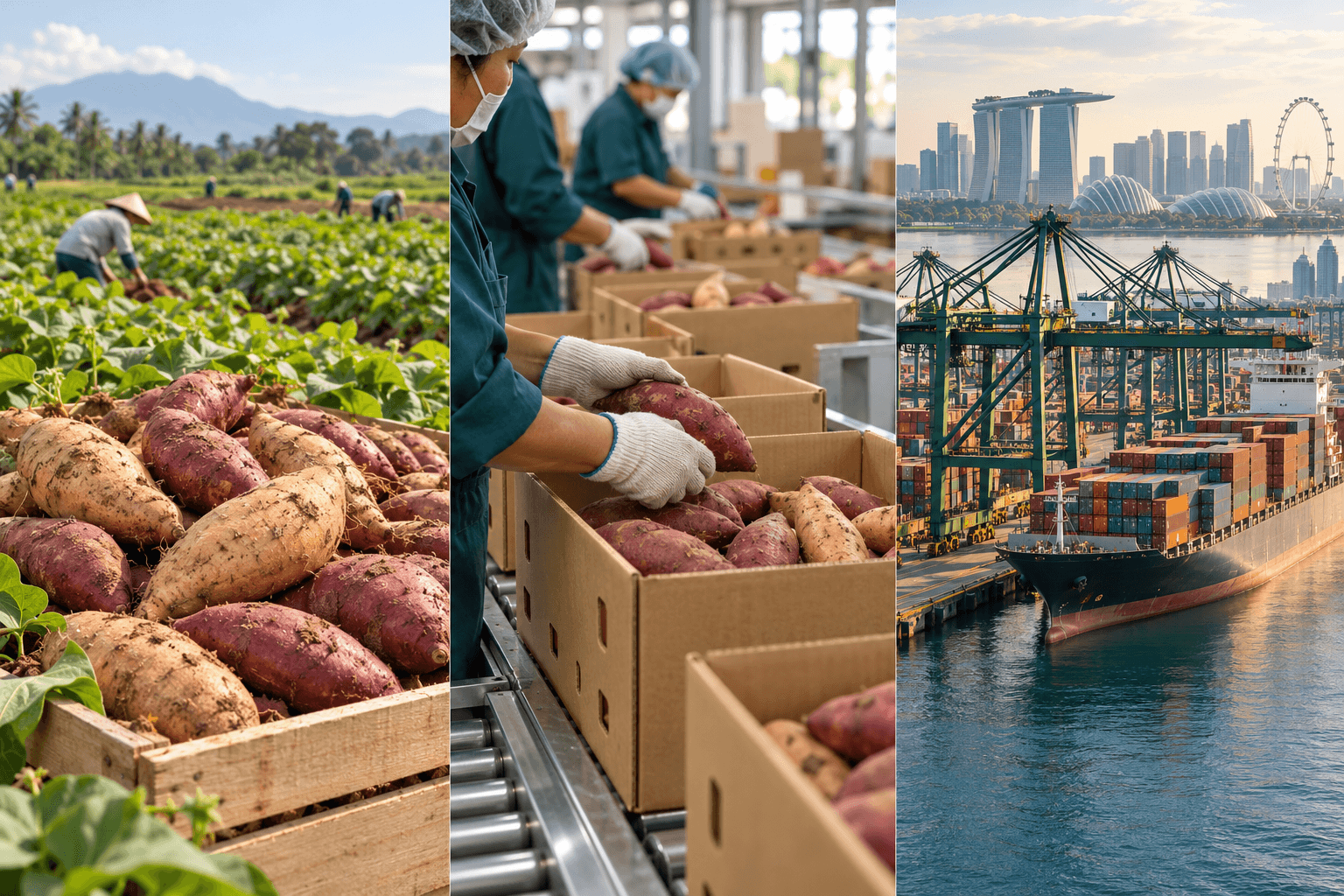
Sweet Potatoes Import Singapore Market Report
Explore Singapore’s sweet potato imports, leading suppliers, SFA requirements, pricing factors, and sourcing opportunities for Indonesian exporters.
Read article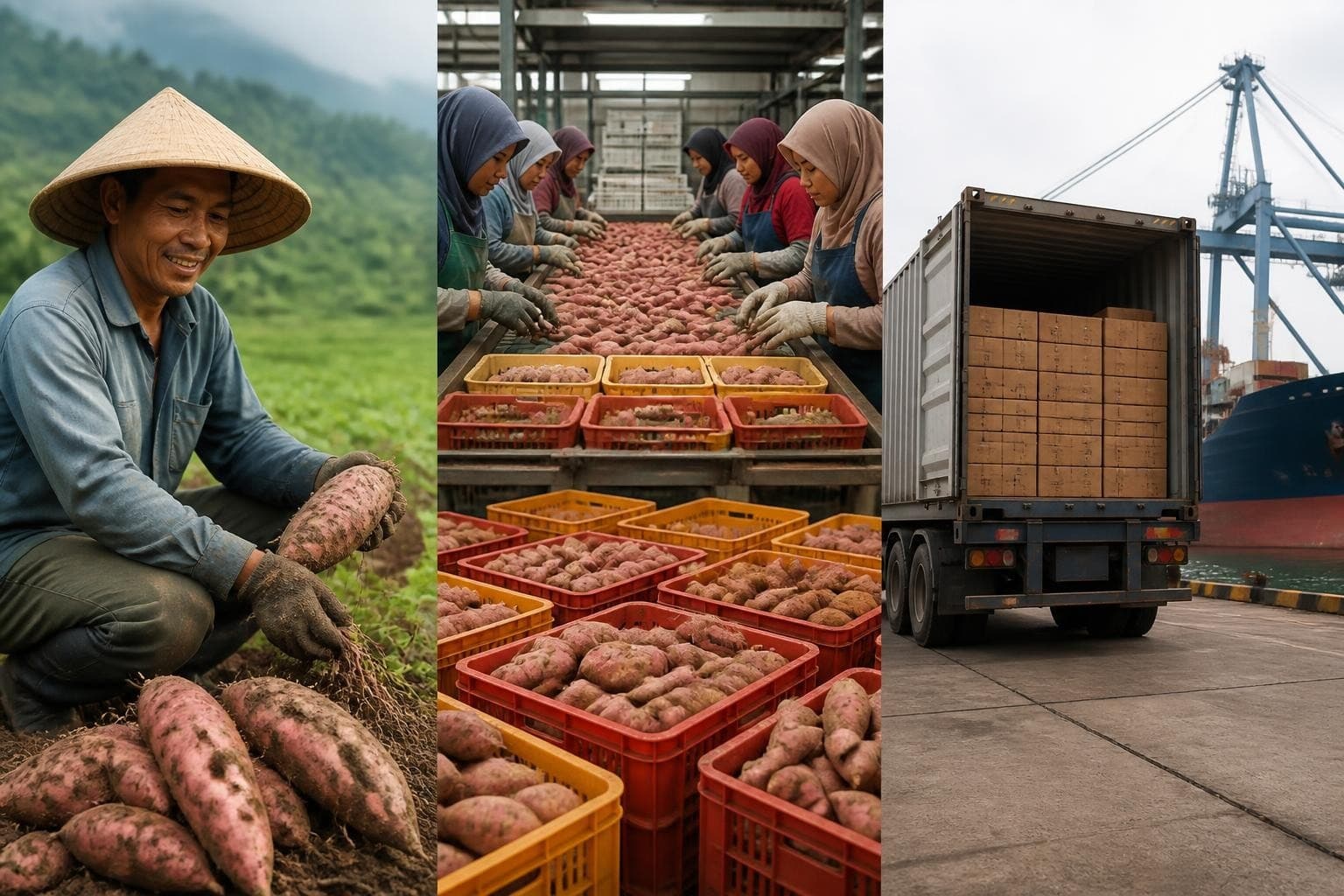
Wholesale Sweet Potatoes Indonesia: B2B Export Guide 2026
Source premium wholesale sweet potatoes Indonesia for import. Quality standards, export logistics, varieties, pricing & supplier partnerships.
Read article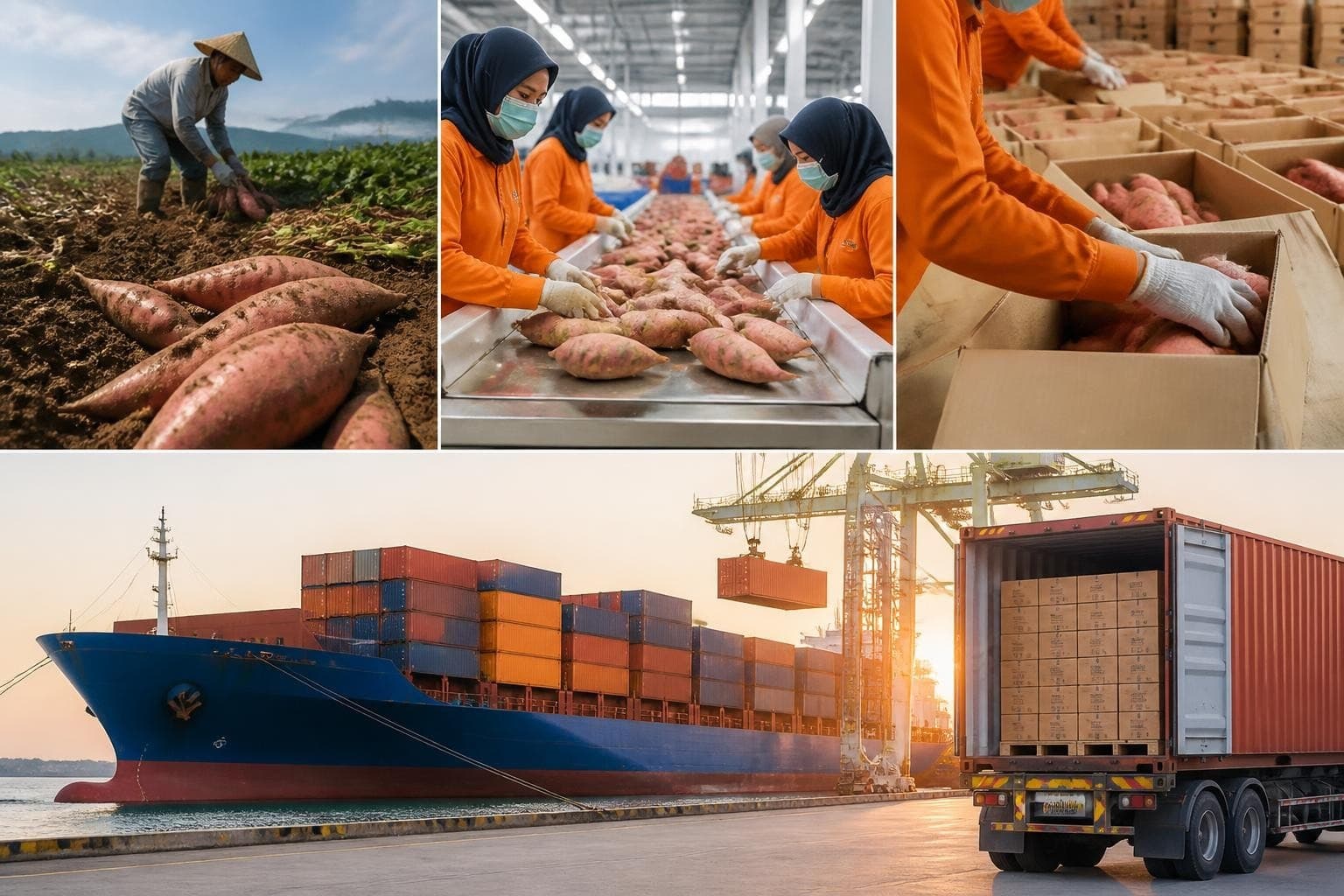
Sweet Potatoes Supplier Indonesia: Quality & Export Guide
Find reliable sweet potatoes supplier Indonesia offering premium export quality. Learn about sourcing, grading, logistics, and partnerships.
Read article