
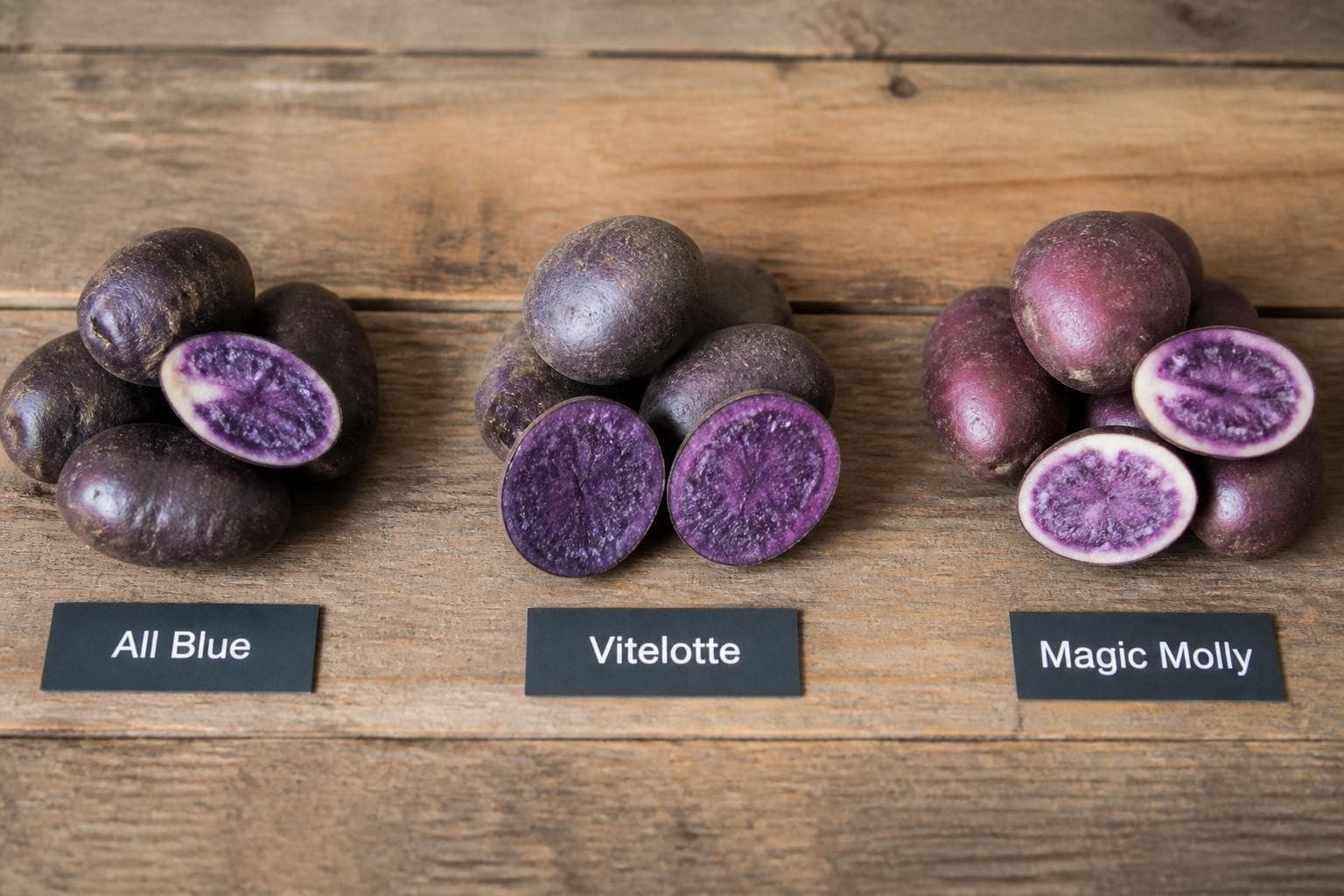
Discover the name of purple potato varieties essential for export markets. Learn characteristics, health benefits, and sourcing strategies.
The global demand for specialty produce continues to expand, with purple potatoes representing one of the most sought-after premium products in international markets. For exporters, distributors, and retailers, understanding the specific name of purple potato varieties is essential for accurate product identification, quality control, and successful market positioning. These vibrant tubers offer not only striking visual appeal but also significant nutritional advantages that resonate with health-conscious consumers worldwide. This comprehensive guide examines the most commercially important purple potato varieties, their distinguishing characteristics, and critical considerations for businesses involved in international sweet potato trade.
Understanding Purple Potato Nomenclature in Commercial Markets
The name of purple potato varieties varies significantly across regions, agricultural systems, and commercial channels. Unlike standardized industrial products, potato cultivars carry distinct names that reflect their breeding origins, geographic associations, or unique characteristics. For export businesses, precise variety identification ensures compliance with phytosanitary requirements, facilitates accurate documentation, and builds trust with international buyers.
Why Variety Names Matter for Exporters
In the export industry, the specific name of purple potato cultivars directly impacts pricing, market access, and customer satisfaction. Different varieties possess distinct storage characteristics, shipping resilience, and shelf-life parameters that influence logistics planning.
Key considerations for variety identification include:
- Official cultivar registration names versus common market names
- Regional naming variations across different countries
- Trademark or branded variety names requiring licensing
- Scientific nomenclature for phytosanitary documentation
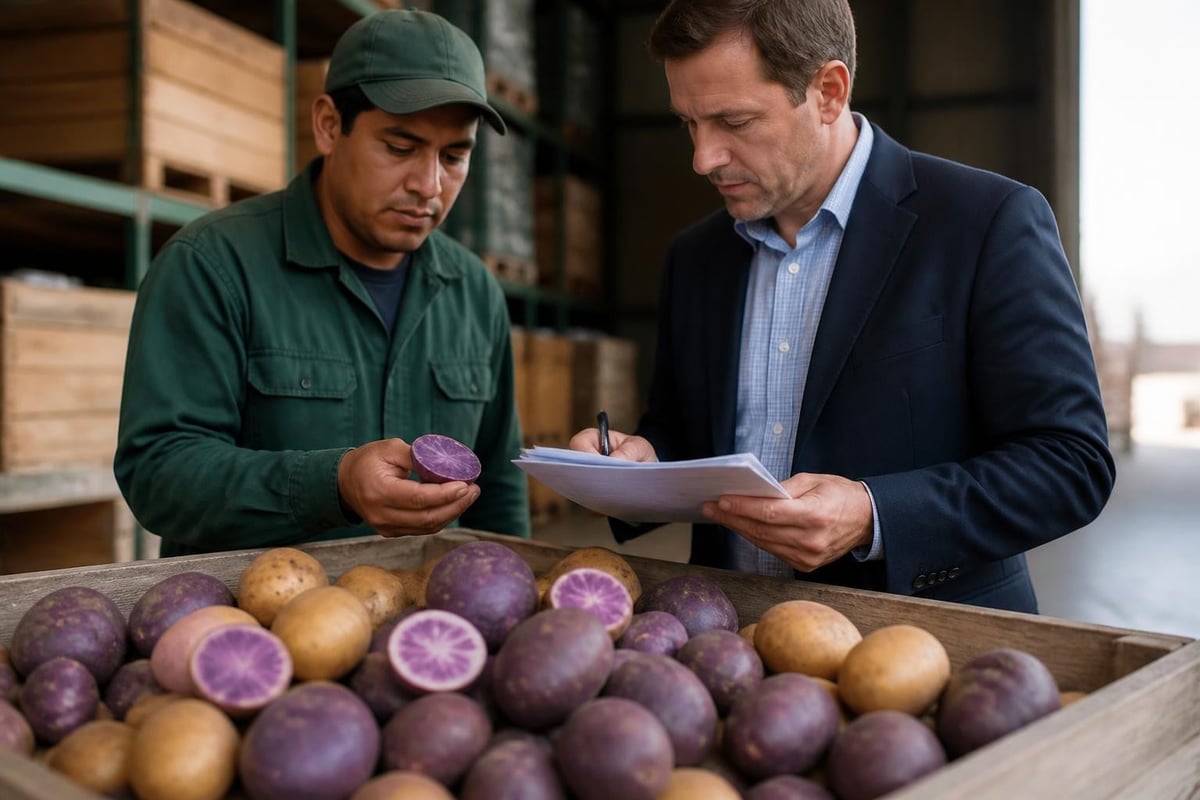
International buyers increasingly request specific varieties based on their culinary applications, nutritional profiles, and consumer preferences in target markets. Exporters who can reliably source and identify particular cultivars gain competitive advantages in premium market segments.
Major Purple Potato Varieties in Global Commerce
Several purple potato varieties dominate international markets, each carrying a distinct name of purple potato that signals specific quality attributes. Understanding these varieties enables exporters to match product offerings with buyer requirements and market demands.
Purple Majesty
Purple Majesty represents one of the most commercially significant purple potato varieties in North American and European markets. Developed by Colorado State University, this cultivar features deep purple skin and flesh that maintains its color through cooking. The variety demonstrates excellent storage characteristics and consistent size distribution, making it ideal for export operations.
| Characteristic | Purple Majesty | All Blue | Purple Peruvian |
|---|---|---|---|
| Flesh Color | Deep purple | Blue-purple | Dark purple with white marbling |
| Size Range | Medium to large | Small to medium | Small fingerling |
| Storage Life | Excellent (6+ months) | Good (4-5 months) | Moderate (3-4 months) |
| Cooking Method | Versatile | Roasting, boiling | Specialty preparations |
All Blue Potato
The All Blue potato, sometimes listed under the name of purple potato varieties as "Blue Potato" or "All Blue Fingerling," originated in the United States and remains popular in specialty markets. This cultivar produces medium-sized tubers with blue-purple skin and interior flesh. The variety's consistent coloration and reliable yields make it attractive for export programs targeting gourmet and specialty food channels.
Importers particularly value All Blue for its antioxidant content and health benefits, which support premium positioning in health-conscious market segments. The variety performs well in organic production systems, expanding opportunities in certified organic export markets.
Purple Peruvian
Among fingerling-type varieties, Purple Peruvian stands out as a name of purple potato that commands premium prices in international markets. This heirloom variety features elongated tubers with deep purple skin and vibrant purple flesh streaked with white. The unique appearance and nutty flavor profile appeal to high-end restaurants and specialty retailers.
However, exporters should note that Purple Peruvian's irregular shapes and smaller sizes require specialized grading and packaging systems. The variety's shorter storage life necessitates careful logistics planning for international shipments.
Additional Commercial Purple Potato Varieties
Beyond the major cultivars, several other varieties contribute to the diverse landscape of purple potato exports. Each name of purple potato variety represents specific market opportunities and production considerations.
Notable commercial varieties include:
- Purple Viking: A French cultivar with purple skin and white flesh, offering visual appeal with familiar cooking characteristics
- Purple Passion: An American variety featuring moderate purple coloration and excellent disease resistance
- Bora Valley: A German cultivar known for consistent production and attractive appearance
- Vitilette: A French fingerling with intense purple coloration throughout
Different purple potato varieties offer distinct characteristics that match specific buyer requirements and culinary applications. Exporters benefit from maintaining relationships with farms that can produce multiple varieties, enabling flexible responses to changing market demands.
Health Benefits Driving Purple Potato Demand
The growing international market for purple potatoes stems partly from consumer awareness of their exceptional nutritional properties. Understanding these health benefits helps exporters communicate value propositions to buyers and position products effectively in premium market segments.
Anthocyanin Content and Antioxidant Properties
The distinctive color that defines each name of purple potato results from high anthocyanin concentrations, the same antioxidants found in blueberries and red wine. These compounds provide significant health benefits that resonate with wellness-focused consumers in developed markets.
Research demonstrates that purple potatoes possess strong antioxidant properties that may support cardiovascular health, reduce inflammation, and potentially lower chronic disease risk. For exporters, these scientifically validated benefits justify premium pricing and support marketing efforts in health-conscious markets.
Nutritional Profile for Market Positioning
Purple potatoes contain substantial amounts of vitamin C, potassium, and fiber while maintaining moderate calorie content. This nutritional profile aligns with contemporary dietary trends emphasizing nutrient density and functional foods.
Nutritional advantages for market positioning:
- Higher antioxidant levels compared to white or yellow potatoes
- Resistant starch content supporting digestive health
- Lower glycemic impact than conventional potato varieties
- Natural source of beneficial phytochemicals
Exporters can leverage these nutritional characteristics when developing marketing materials for international buyers, particularly in markets where health claims influence purchasing decisions.
Quality Standards for Purple Potato Export
Regardless of the specific name of purple potato variety being exported, maintaining consistent quality standards proves essential for long-term business success. International buyers expect reliable product specifications, proper handling, and accurate documentation throughout the supply chain.
Physical Quality Parameters
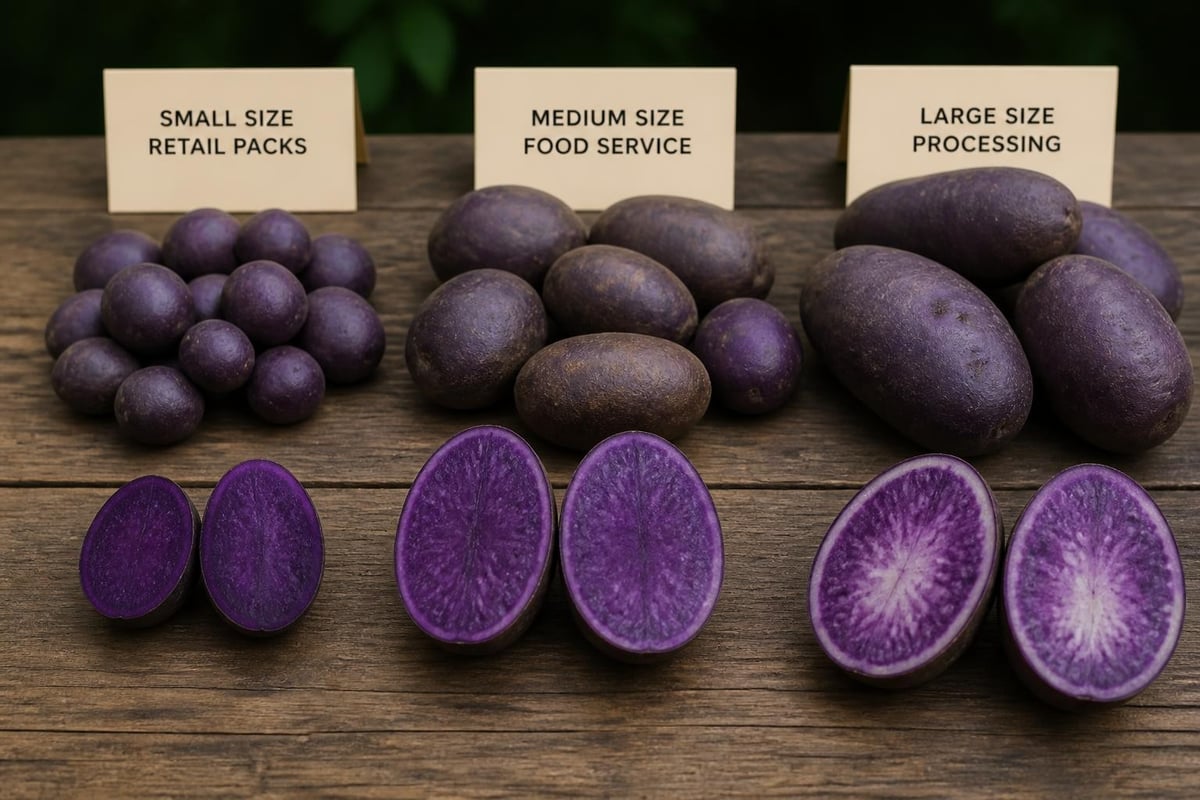
Export-grade purple potatoes must meet specific physical criteria to ensure customer satisfaction and minimize rejection rates at destination ports. These standards vary somewhat based on variety characteristics but generally include common parameters across all purple potato types.
| Quality Parameter | Export Standard | Inspection Method |
|---|---|---|
| Size uniformity | 90%+ within specified range | Mechanical grading |
| Defect-free surface | 95%+ free from cuts, bruises | Visual inspection |
| Firmness | No soft spots or sprouting | Tactile assessment |
| Color consistency | Matches variety standards | Color matching |
Premium buyers in developed markets often impose stricter standards than minimum regulatory requirements. Exporters serving these segments must implement rigorous quality control systems that exceed baseline specifications.
Post-Harvest Handling Protocols
The name of purple potato varieties may differ, but all require careful post-harvest handling to maintain quality during international shipment. Proper curing, temperature management, and humidity control protect product integrity from farm to final destination.
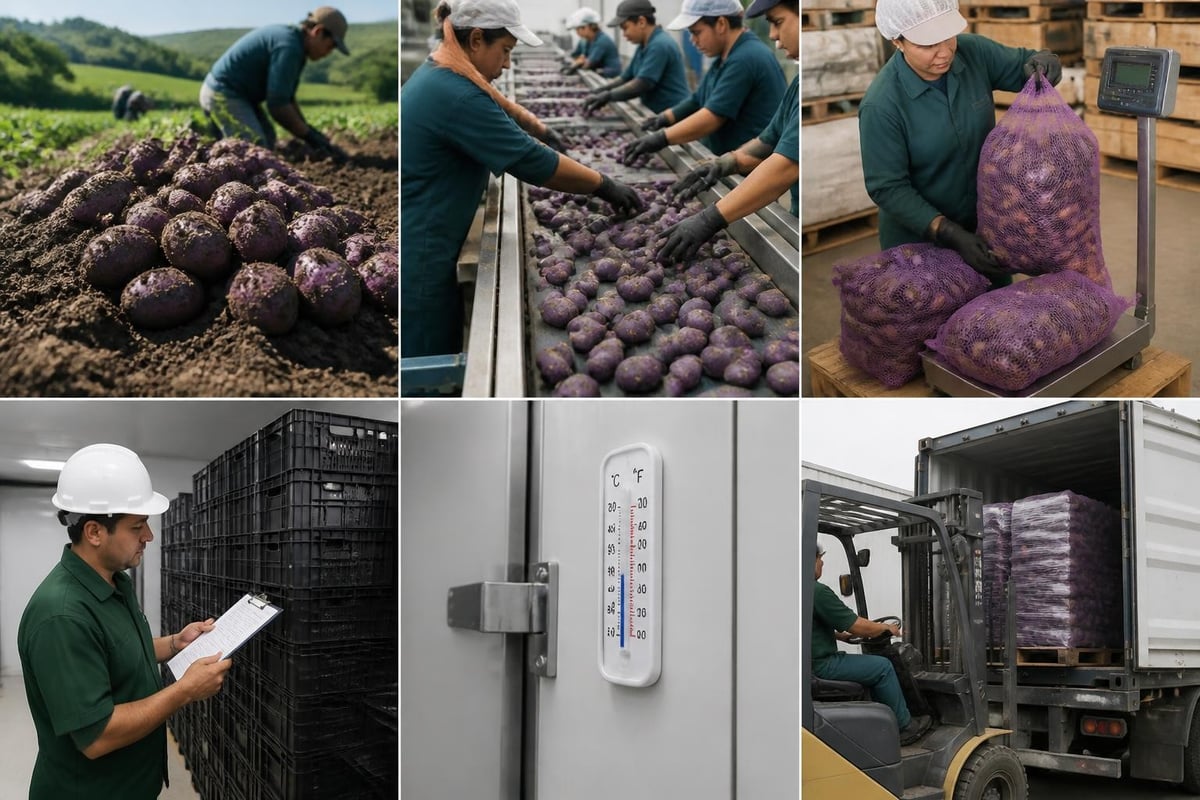
Successful exporters implement comprehensive handling protocols covering:
- Curing processes: Controlled temperature and humidity exposure to heal minor skin damage and prepare tubers for storage
- Temperature management: Consistent cool storage between 7-10°C to prevent sprouting while avoiding cold-induced sweetening
- Humidity control: Maintaining 90-95% relative humidity to prevent moisture loss and shriveling
- Ventilation systems: Adequate air circulation to prevent condensation and fungal development
These protocols become particularly critical for longer-duration shipments to distant markets, where transit times may extend beyond two weeks.
Sourcing Strategies for Export Operations
Building reliable supply chains for purple potato exports requires strategic sourcing approaches that ensure consistent quality, adequate volumes, and variety authenticity. The specific name of purple potato being sourced influences both production planning and grower relationships.
Direct Farm Partnerships
Leading export operations establish direct partnerships with specialized farms capable of producing premium purple potato varieties. These relationships provide greater control over cultivation practices, harvest timing, and post-harvest handling compared to spot market purchasing.
Effective farm partnerships typically include:
- Multi-year supply agreements specifying varieties, volumes, and quality standards
- Technical support for optimal cultivation practices
- Joint investment in variety-specific equipment or infrastructure
- Transparent pricing mechanisms reflecting quality premiums
PT Cakra Baja Niaga exemplifies this approach through direct collaboration with partner farms in West Java, ensuring consistent supply and quality standards for international buyers.
Geographic Considerations for Purple Potato Production
The success of specific purple potato varieties depends significantly on growing conditions, making geographic sourcing decisions critical for export quality. Different regions offer distinct advantages based on climate, soil types, and agricultural infrastructure.
Indonesia's volcanic soils and tropical highland climates provide excellent conditions for purple potato cultivation, particularly in West Java's elevated regions. These areas combine favorable growing conditions with proximity to major export ports, reducing logistics costs and transit times to key Asian markets.
Market Trends Shaping Purple Potato Exports
Understanding current market trends helps exporters align their variety selection and business strategies with evolving buyer preferences. The name of purple potato varieties gaining market traction often reflects broader consumer trends in target markets.
Premium and Specialty Market Growth
Purple potatoes increasingly occupy premium positions in international produce markets, commanding price premiums of 30-100% over conventional varieties. This trend reflects consumer willingness to pay for unique products offering both visual appeal and health benefits.
Factors driving premium market expansion:
- Growing restaurant demand for visually distinctive ingredients
- Consumer interest in functional foods and nutritional optimization
- Social media influence promoting colorful, photogenic produce
- Expansion of specialty retail channels focused on unique products
Exporters can capitalize on these trends by emphasizing quality, consistency, and the specific characteristics of each name of purple potato variety they offer.
Organic and Sustainable Production
International buyers increasingly request organically certified or sustainably produced purple potatoes, particularly in European and North American markets. The diverse types of purple potatoes often perform well in organic systems due to their natural disease resistance and adaptability.
Exporters pursuing organic certification must navigate complex regulatory requirements across different markets while maintaining production economics that justify premium pricing. The investment typically proves worthwhile for businesses targeting high-value market segments.
Documentation and Regulatory Compliance
Every name of purple potato variety requires proper documentation for international trade, including variety certification, phytosanitary certificates, and quality inspection reports. Compliance with destination country requirements prevents costly delays and rejections.
Essential Export Documentation
Successful purple potato exports depend on accurate, complete documentation that satisfies both origin country and destination country authorities. Missing or incorrect paperwork represents one of the most common causes of shipment delays and financial losses.
Required documentation typically includes:
- Commercial invoice with precise variety identification
- Phytosanitary certificate from authorized inspection agency
- Certificate of origin demonstrating product source
- Quality inspection report confirming grade standards
- Bill of lading or airway bill for shipment tracking
The specific name of purple potato must appear consistently across all documentation to avoid questions from customs officials or buyers. Discrepancies between variety names on different documents may trigger inspections or rejections.
Variety Authentication and Traceability
As purple potato markets mature, buyers increasingly demand variety authentication to ensure they receive the specific cultivars they ordered. Traceability systems that track products from specific farms through the entire export chain provide competitive advantages.
Modern traceability approaches include:
- Field-level production records linking batches to specific farms and planting dates
- Photographic documentation of products at key handling stages
- Digital systems connecting physical products to electronic records
- Third-party verification of variety authenticity
These systems protect both exporters and buyers from variety substitution fraud while enabling rapid response to any quality issues that emerge in destination markets.
Packaging and Presentation for Different Varieties
The presentation of purple potatoes significantly influences buyer perception and market success. Each name of purple potato variety may benefit from specific packaging approaches that highlight its unique characteristics while protecting product quality during shipment.
Packaging Materials and Formats
Export packaging must balance protection, presentation, and cost-effectiveness. Purple potatoes require packaging that prevents light exposure, which can cause greening, while allowing adequate ventilation to prevent moisture accumulation.
| Package Type | Best Applications | Advantages | Considerations |
|---|---|---|---|
| Mesh bags | Bulk retail, food service | Low cost, good ventilation | Limited protection, basic appearance |
| Cartons with vents | Premium retail | Professional appearance, stacking strength | Higher cost, requires careful filling |
| Clamshell containers | Specialty retail | Maximum product visibility, protection | Highest cost, limited to small quantities |
| Vacuum bags | Extended shelf-life | Maximum freshness preservation | Processing requirements, equipment investment |
Premium varieties commanding higher prices often justify more sophisticated packaging that enhances product presentation and protects quality premiums.
Labeling Requirements for International Markets
Clear, accurate labeling helps buyers and consumers understand the specific name of purple potato they're purchasing while ensuring regulatory compliance. Labels must communicate essential information without creating confusion about variety identity or origin.
Effective export labels include variety name, size grade, net weight, origin country, and handling instructions. Some markets require additional information such as organic certification logos, nutritional facts, or specific regulatory statements.
Building Long-Term Buyer Relationships
Sustainable export success depends on developing strong relationships with repeat buyers rather than constantly seeking new customers. Understanding buyer preferences for specific purple potato varieties enables customized service that builds loyalty and supports premium pricing.
Buyer Education and Support
Many international buyers possess limited knowledge about the various purple potato varieties available, relying on suppliers for guidance about which name of purple potato best suits their specific needs. Exporters who provide educational support and product expertise create value beyond the physical product.
Effective buyer support includes providing cooking suggestions, nutritional information, storage guidelines, and market trend insights. These services position the exporter as a knowledgeable partner rather than merely a commodity supplier.
Consistency and Reliability as Competitive Advantages
In export markets characterized by numerous suppliers and similar products, consistency and reliability emerge as critical differentiators. Buyers value suppliers who consistently deliver the specified variety, quality grade, and shipment timing regardless of seasonal variations or production challenges.
Building this reputation requires investment in production planning, quality systems, and supply chain management that many smaller exporters cannot match. For those who achieve it, the resulting buyer loyalty supports premium pricing and preferential treatment during supply constraints.
Future Developments in Purple Potato Markets
The purple potato sector continues evolving with new variety development, changing consumer preferences, and emerging market opportunities. Staying informed about these developments helps exporters anticipate changes and adjust strategies accordingly.
New Variety Introduction
Plant breeders worldwide continue developing new purple potato varieties combining desirable characteristics such as disease resistance, storage life, and nutritional content. Each new introduction potentially offers advantages over existing varieties, though establishing market acceptance requires time and consistent promotion.
Exporters should monitor variety trials and new releases from major breeding programs, evaluating whether emerging varieties offer sufficient advantages to justify introducing them to international buyers. The decision to add a new name of purple potato to product offerings requires careful consideration of production requirements, buyer interest, and market positioning.
Expanding Applications and Market Segments
Purple potatoes increasingly appear in processed products such as chips, frozen items, and dehydrated ingredients. These value-added applications create new market opportunities beyond fresh produce exports, though they require different processing capabilities and quality specifications.
The health benefits of purple potatoes support their incorporation into functional food products targeting specific health outcomes. Exporters with processing capabilities can capture additional value by supplying these emerging market segments.
Understanding the specific name of purple potato varieties, their characteristics, and market requirements provides essential foundations for successful export operations in this growing specialty produce segment. Whether working with established varieties like Purple Majesty and All Blue or exploring emerging cultivars, exporters who prioritize quality, consistency, and buyer relationships position themselves for long-term success. PT Cakra Baja Niaga partners with international buyers seeking reliable supplies of premium purple potatoes sourced from West Java's partner farms, offering transparent partnerships, consistent quality standards, and dependable logistics for importers, distributors, and retailers worldwide.
Looking to source premium Indonesian sweet potatoes?
PT Cakra Baja Niaga supplies export-grade Cilembu, Purple, and Murasaki varieties to buyers worldwide.
Continue reading
Sweet Potatoes Import Singapore Market Report
Explore Singapore’s sweet potato imports, leading suppliers, SFA requirements, pricing factors, and sourcing opportunities for Indonesian exporters.
Read article
Wholesale Sweet Potatoes Indonesia: B2B Export Guide 2026
Source premium wholesale sweet potatoes Indonesia for import. Quality standards, export logistics, varieties, pricing & supplier partnerships.
Read article
Sweet Potatoes Supplier Indonesia: Quality & Export Guide
Find reliable sweet potatoes supplier Indonesia offering premium export quality. Learn about sourcing, grading, logistics, and partnerships.
Read article