
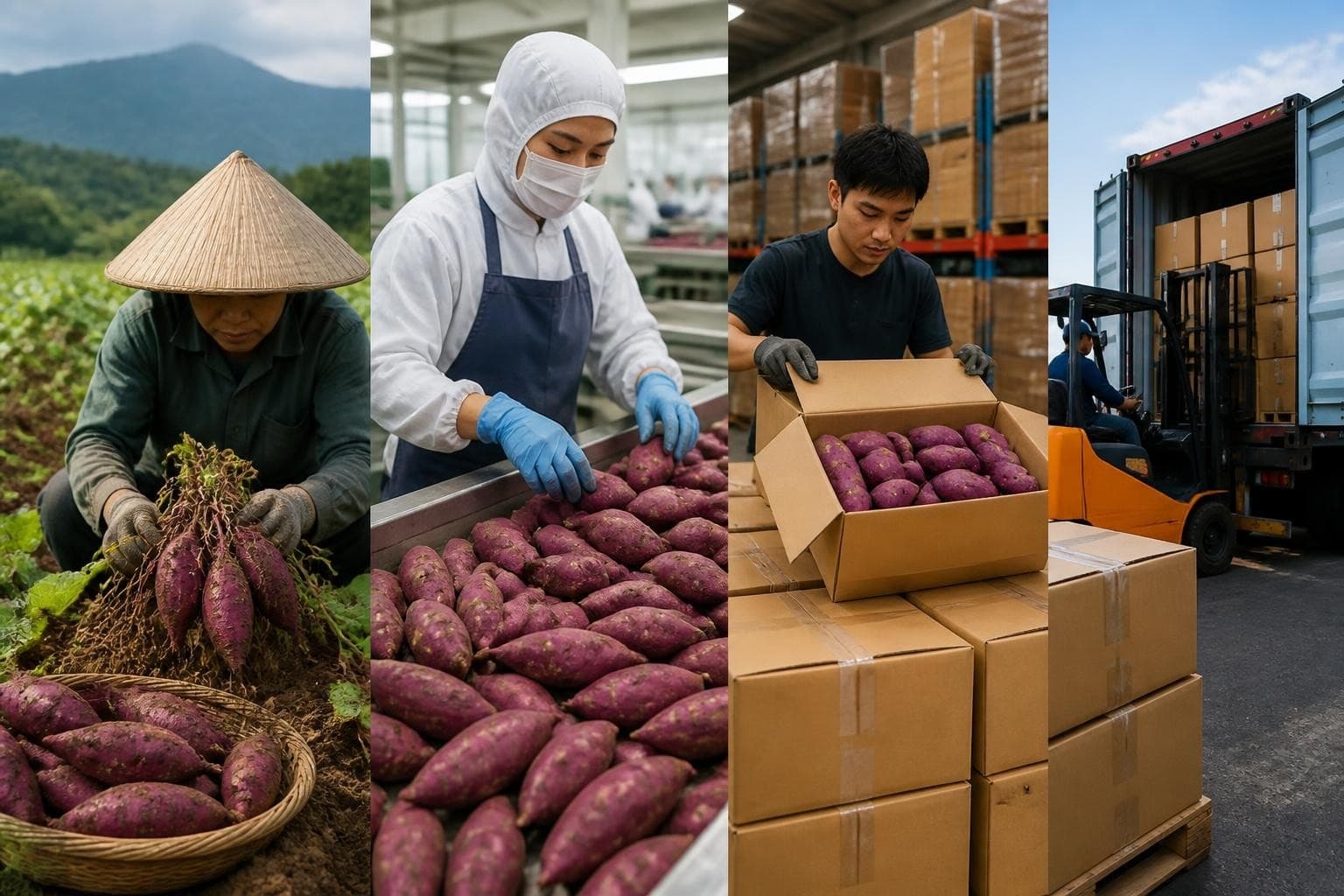
Japanese Murasaki Sweet Potato: Complete Export Guide 2026
Discover the Japanese murasaki sweet potato's unique qualities, market demand, and export potential. Essential insights for international buyers.
The Japanese murasaki sweet potato has emerged as one of the most sought-after specialty produce items in international markets, commanding premium prices and steady demand from discerning buyers worldwide. With its distinctive purple skin, cream-colored flesh, and remarkable nutritional profile, this variety represents a significant opportunity for exporters and importers looking to differentiate their product offerings. As global consumers increasingly prioritize health-conscious food choices and exotic varieties, understanding the commercial potential of this unique tuber becomes essential for businesses in the sweet potato trade.
Understanding the Japanese Murasaki Sweet Potato
The Japanese murasaki sweet potato, also known as Satsuma-imo in Japan, originated in the Kagoshima region and has become a staple in Asian cuisines while gaining traction in Western markets. This variety distinguishes itself through several key characteristics that appeal to both consumers and commercial buyers.
Physical and Sensory Characteristics
Unlike orange-fleshed sweet potatoes common in most markets, the japanese murasaki sweet potato features a striking purple or burgundy skin with pale yellow to cream-colored flesh. When cooked, the texture transforms into a fluffy, chestnut-like consistency that sets it apart from denser varieties.
The flavor profile offers subtle sweetness with nutty undertones, making it versatile for both savory and sweet preparations. This balanced taste appeals to diverse culinary traditions and consumer preferences across different regions.
Key identifying features include:
- Purple to burgundy exterior skin
- Cream to pale yellow interior flesh
- Oblong to cylindrical shape
- Smooth skin texture with minimal blemishes
- Average weight ranging from 150 to 400 grams per tuber
Nutritional Composition and Health Benefits
The nutritional density of this variety makes it particularly attractive to health-conscious consumers and specialty markets. According to research on sweet potato benefits, these tubers provide exceptional vitamin and mineral content while remaining low in calories.
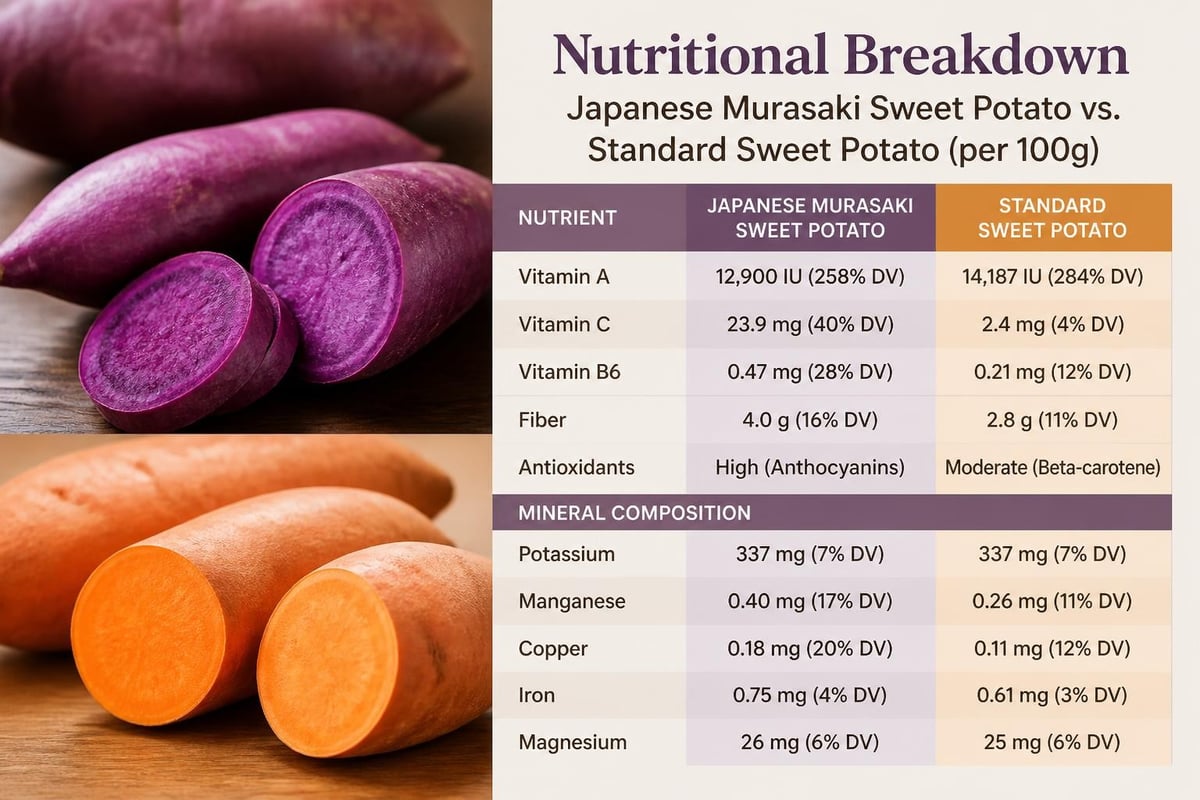
Each serving delivers substantial amounts of dietary fiber, vitamin C, and vitamin B6, supporting digestive health, immune function, and metabolic processes. The comprehensive health profile of murasaki sweet potatoes demonstrates their value in supporting cardiovascular health, maintaining healthy blood sugar levels, and providing sustained energy.
| Nutrient | Per 100g Serving | Daily Value % |
|---|---|---|
| Calories | 86 kcal | 4% |
| Dietary Fiber | 3.3g | 13% |
| Vitamin C | 19.6mg | 33% |
| Vitamin B6 | 0.3mg | 15% |
| Potassium | 475mg | 14% |
| Manganese | 0.5mg | 25% |
The antioxidant compounds present in japanese murasaki sweet potatoes contribute to their health-promoting properties, though the concentration differs from purple-fleshed varieties due to the cream-colored interior.
Commercial Cultivation and Supply Chain Considerations
For export businesses, understanding the cultivation requirements and supply chain logistics proves critical to maintaining consistent quality and meeting buyer specifications. The japanese murasaki sweet potato demands specific growing conditions that influence both yield and quality outcomes.
Optimal Growing Conditions
This variety thrives in warm climates with well-drained, loose soil containing high organic matter content. West Java's volcanic soil and tropical climate create ideal conditions for producing premium-quality tubers that meet international standards.
Temperature requirements range from 21 to 29 degrees Celsius throughout the growing season, with consistent moisture levels during tuber development. According to cultivation best practices for murasaki sweet potatoes, proper slip preparation and soil management significantly impact final product quality.
Critical cultivation factors:
- Soil pH between 5.5 and 6.5
- Full sun exposure (minimum 6 hours daily)
- Consistent irrigation without waterlogging
- 90 to 120-day growing cycle depending on variety
- Proper curing period post-harvest
Harvest Timing and Quality Standards
Harvest timing directly affects the commercial value of japanese murasaki sweet potatoes. Premature harvesting results in smaller tubers with underdeveloped flavor, while delayed harvest increases the risk of pest damage and quality degradation.
Professional growers monitor vine condition, days from planting, and sample tuber development to determine optimal harvest windows. For export markets, tubers should reach minimum size specifications while maintaining firm texture and unblemished skin.
The curing process following harvest becomes essential for export quality. This involves storing freshly harvested tubers at 28-30 degrees Celsius with 85-90% humidity for 5-7 days, allowing skin to toughen and minor wounds to heal before long-distance transport.
Market Positioning and Export Opportunities
The global market for specialty sweet potatoes continues expanding, with the japanese murasaki sweet potato capturing increasing market share in premium segments. Understanding buyer preferences and market dynamics enables exporters to position their products effectively.
Target Markets and Consumer Demographics
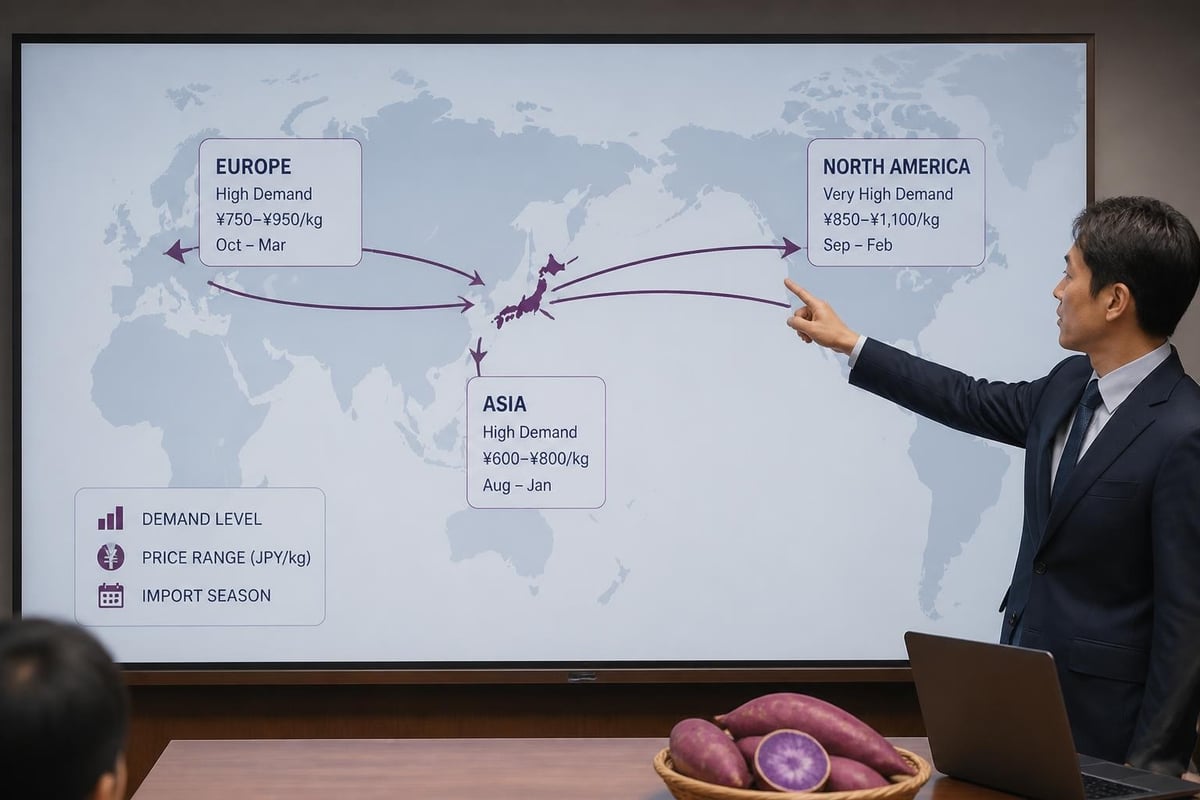
Primary export markets for this variety include North America, Europe, and East Asia, where consumers demonstrate willingness to pay premium prices for specialty produce. Each region presents distinct opportunities and preferences.
North American buyers, particularly in metropolitan areas with diverse populations, seek japanese murasaki sweet potatoes for their unique flavor profile and perceived health benefits. Our galleries showcase the quality standards that discerning international buyers expect.
European markets emphasize organic certification and sustainable farming practices, creating opportunities for exporters who can provide appropriate documentation and traceability. Asian markets, especially Japan and South Korea, maintain strong cultural connections to this variety and demand consistent quality year-round.
| Market Region | Primary Buyers | Price Premium | Key Requirements |
|---|---|---|---|
| North America | Specialty retailers, restaurants | 40-60% above standard | Size consistency, minimal blemishes |
| Europe | Organic stores, high-end grocers | 50-75% above standard | Organic certification, sustainability documentation |
| East Asia | Mainstream distributors, food processors | 30-50% above standard | Consistent supply, specific variety authentication |
| Middle East | Luxury retailers, hotels | 60-80% above standard | Extended shelf life, premium packaging |
Competitive Advantages for Indonesian Exporters
Indonesian producers possess several competitive advantages in the japanese murasaki sweet potato export market. Year-round growing conditions eliminate seasonal supply gaps that affect temperate-climate competitors.
Lower production costs compared to Japanese or Korean producers enable competitive pricing while maintaining quality standards. Geographic proximity to major Asian markets reduces shipping time and costs, preserving product freshness and reducing carbon footprint.
Established relationships between Indonesian exporters and international buyers create reliability that importers value highly. PT Cakra Baja Niaga exemplifies this approach through direct partnerships with West Java farms, ensuring quality control from field to port.
Quality Control and Export Logistics
Maintaining product quality throughout the export process requires systematic quality control measures and optimized logistics. The japanese murasaki sweet potato's relatively delicate nature demands careful handling at every stage.
Post-Harvest Handling Protocols
Immediately following harvest, proper handling prevents damage that reduces export value. Workers trained in gentle handling techniques minimize bruising and skin breaks that create entry points for decay organisms.
Critical handling steps include:
- Careful removal from soil to prevent skin abrasions
- Immediate removal of excess soil without washing
- Sorting by size and quality grade within 24 hours
- Proper curing in controlled environment facilities
- Storage at 13-15 degrees Celsius post-curing
- Regular quality inspections during storage period
Temperature and humidity control during storage prevents both dehydration and condensation-related decay. Modern storage facilities equipped with climate control systems maintain optimal conditions, extending shelf life and preserving the characteristics that make murasaki sweet potatoes healthy and appealing.
Packaging and Transportation Standards
Export packaging must balance protection, ventilation, and presentation requirements. Corrugated cardboard cartons with ventilation holes provide adequate protection during shipping while allowing air circulation that prevents moisture buildup.
Individual tubers may require wrapping in tissue paper for premium markets expecting pristine presentation. Net weights typically range from 5 to 10 kilograms per carton, sized for efficient palletization and container loading.
Container shipping requires careful temperature management, particularly for long-haul routes. Refrigerated containers set at 13-15 degrees Celsius with 85-90% relative humidity preserve quality during 2-4 week ocean transit periods.
Documentation requirements vary by destination country but typically include phytosanitary certificates, certificates of origin, and commercial invoices with detailed product descriptions. Some markets require additional certifications for organic or sustainable production claims.
Pricing Strategies and Value Communication
Establishing appropriate pricing for japanese murasaki sweet potatoes requires understanding cost structures, market positioning, and value perception. This specialty variety commands premium pricing, but exporters must justify higher costs through clear value communication.
Cost Analysis Framework
Production costs for japanese murasaki sweet potatoes exceed standard varieties due to specific cultivation requirements, longer curing periods, and more careful handling protocols. Accurate cost tracking enables realistic pricing while maintaining profitability.
Major cost components include:
- Specialized seed stock or slips
- Extended growing period labor
- Quality control and grading personnel
- Curing facility operations
- Premium packaging materials
- Cold chain logistics
- Certification and documentation fees
Export margins typically range from 25% to 40% above production costs, depending on market conditions and buyer relationships. Long-term contracts with established buyers often accept lower margins in exchange for volume commitments and payment reliability.
Communicating Premium Value to Buyers
Successful exporters clearly articulate the factors justifying premium pricing. Quality consistency, reliable supply, and comprehensive support differentiate professional suppliers from opportunistic sellers.
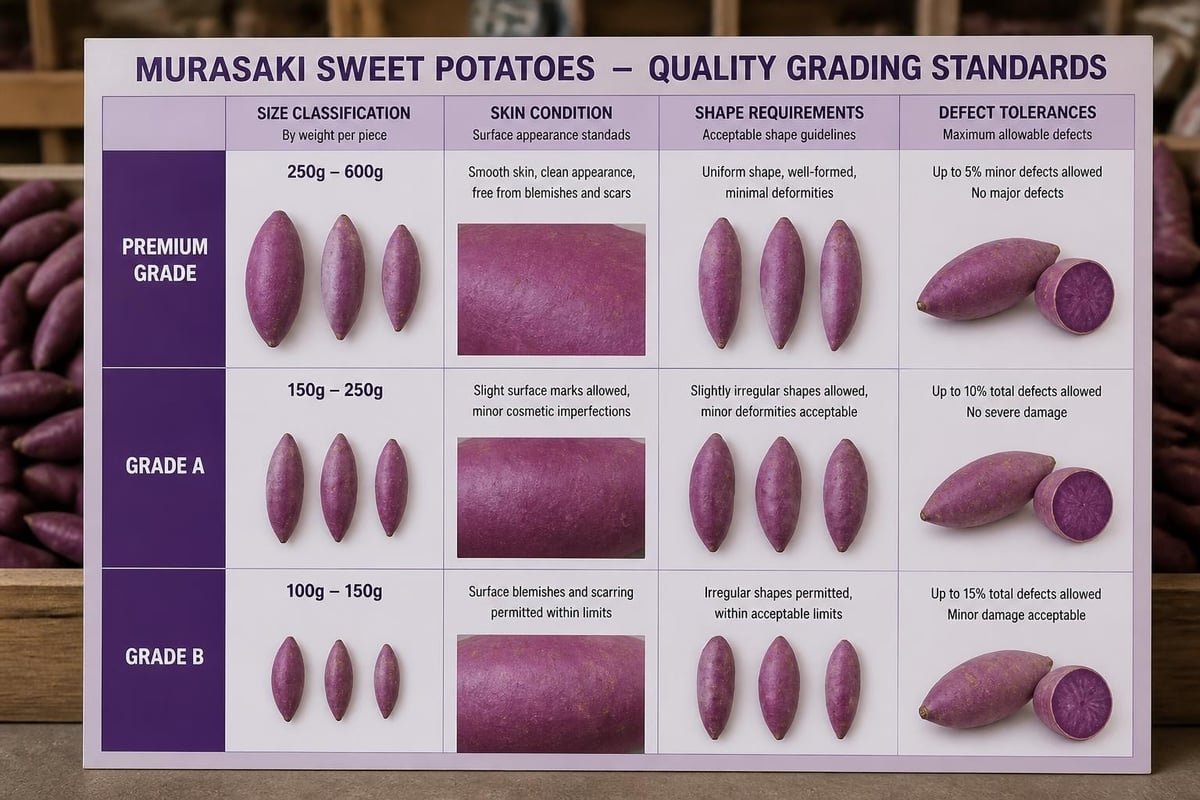
Buyers appreciate transparent communication about growing practices, harvest timing, and post-harvest handling. Providing detailed specifications, quality certifications, and traceability documentation builds confidence that justifies higher prices. According to information on murasaki sweet potato characteristics, proper storage and preparation knowledge also adds value for end consumers.
Volume discounts, flexible payment terms, and technical support services create additional value beyond the product itself. Exporters who position themselves as partners rather than mere suppliers build lasting relationships that withstand market fluctuations.
Culinary Applications and Market Education
End-user applications significantly influence demand for japanese murasaki sweet potatoes. Educating buyers and their customers about preparation methods and culinary versatility expands market potential.
Traditional and Contemporary Uses
In Japanese cuisine, this variety appears in both traditional and modern preparations. Classic applications include yakiimo (roasted sweet potato), tempura, and incorporation into wagashi (traditional confections). The unique flavor profile of murasaki sweet potatoes makes them particularly suitable for roasting and caramelization techniques.
Contemporary chefs incorporate japanese murasaki sweet potatoes into fusion dishes, leveraging their distinctive texture and subtle sweetness. Applications range from sweet potato gnocchi to purees served alongside proteins, demonstrating versatility that appeals to professional kitchens.
Home cooking applications continue expanding as consumers discover this variety through specialty retailers and farmers markets. Simple preparation methods like oven roasting or steaming showcase the natural flavor without requiring complex techniques or ingredients.
Recipe Development and Promotional Support
Forward-thinking exporters provide recipe suggestions and preparation guides to distribution partners, facilitating consumer adoption. Simple recipe cards, digital content, and cooking demonstrations at retail locations help overcome unfamiliarity barriers.
Highlighting the nutritional advantages of sweet potatoes in marketing materials appeals to health-conscious consumers. Emphasizing specific benefits like digestive support, sustained energy, and vitamin content aligns with current wellness trends.
Collaboration with food bloggers, nutritionists, and chefs generates authentic content that reaches target demographics more effectively than traditional advertising. User-generated content showcasing creative preparations builds community engagement and brand awareness.
Regulatory Compliance and Documentation
International trade in agricultural products requires comprehensive understanding of regulatory requirements across different jurisdictions. Japanese murasaki sweet potato exporters must navigate complex compliance landscapes to access target markets.
Phytosanitary Requirements
All export destinations require phytosanitary certification confirming products meet plant health standards and are free from quarantine pests. Indonesian agricultural authorities conduct inspections and issue certificates based on international standards.
Specific requirements vary by destination country, with some markets maintaining stricter protocols than others. Understanding these variations prevents shipment delays or rejections at destination ports.
Common phytosanitary requirements include:
- Field inspection during growing season
- Post-harvest facility audit
- Sample testing for specific pest organisms
- Treatment protocols for identified concerns
- Chain of custody documentation
- Official government certification
Maintaining pest-free production areas and implementing integrated pest management programs reduces rejection risk and streamlines certification processes.
Quality and Safety Standards
Beyond phytosanitary requirements, importers often specify additional quality and safety standards. Maximum residue limits for pesticides, heavy metal content, and microbiological safety all factor into export compliance.
Third-party certifications like GlobalGAP, HACCP, or organic standards provide additional assurance to buyers and may open premium market segments. While certification involves costs and administrative effort, the market access and price premiums often justify the investment.
Traceability systems tracking products from specific fields through processing and export enable rapid response to any quality concerns. Sophisticated exporters maintain detailed records exceeding minimum regulatory requirements, demonstrating commitment to quality and transparency.
Building Sustainable Export Partnerships
Long-term success in japanese murasaki sweet potato exports depends on building sustainable partnerships across the supply chain. From farm-level relationships to end-buyer connections, each partnership requires attention and cultivation.
Farm Partnership Development
Direct relationships with producing farms ensure consistent supply and quality standards. Rather than sourcing from spot markets, professional exporters develop multi-year partnerships with reliable growers.
These partnerships often include technical support, input supply arrangements, and guaranteed purchase agreements that provide farmers with planning certainty. In return, exporters gain priority access to quality product and influence over production practices.
Contract farming arrangements specify quality requirements, growing practices, and pricing mechanisms. Well-structured contracts align incentives between farmers and exporters, creating mutual benefit and long-term stability.
Buyer Relationship Management
International buyers value reliability above nearly all other factors. Consistent quality, dependable supply, and responsive communication build the trust necessary for lasting business relationships.
Regular communication keeping buyers informed about crop conditions, harvest timing, and market developments demonstrates professionalism and partnership orientation. Proactive problem-solving when challenges arise builds confidence and loyalty.
Understanding buyer needs beyond immediate product specifications enables exporters to provide superior value. Some buyers prioritize sustainability documentation, others focus on organic certification, while still others emphasize price competitiveness. Tailoring service to specific buyer priorities strengthens relationships.
Exploring our blog provides additional insights into building successful export partnerships and understanding market dynamics in the specialty produce trade.
Future Trends and Market Outlook
The market for japanese murasaki sweet potatoes shows strong growth potential through 2026 and beyond, driven by multiple converging trends. Understanding these trends helps exporters position themselves advantageously.
Health and Wellness Movement
Consumer focus on functional foods and nutritional density continues intensifying across developed markets. The anti-inflammatory and digestive benefits of sweet potatoes align perfectly with current wellness priorities.
As consumers increasingly seek alternatives to refined carbohydrates and processed foods, nutrient-dense whole foods like japanese murasaki sweet potatoes gain market share. This trend appears structural rather than cyclical, suggesting sustained long-term demand growth.
Culinary Exploration and Ethnic Cuisine
Growing interest in Japanese cuisine and Asian flavors generally creates awareness and demand for authentic ingredients. As japanese murasaki sweet potatoes gain recognition through restaurant menus and cooking shows, retail demand follows.
Food tourism and cultural exchange expose more consumers to varieties they previously never encountered. These experiences create lasting preference changes that drive sustained market demand.
Sustainability and Local/Regional Sourcing
While "local" sourcing dominates sustainability discussions in some markets, regional sourcing from trusted partners also appeals to environmentally conscious buyers. Indonesian exporters can position themselves as sustainable regional suppliers to Asian markets, offering shorter supply chains than intercontinental alternatives.
Transparent farming practices, fair labor standards, and environmental stewardship increasingly influence buyer decisions. Exporters documenting and communicating these practices differentiate themselves in competitive markets.
The japanese murasaki sweet potato represents a compelling opportunity for exporters who understand quality standards, market dynamics, and buyer requirements in this premium specialty segment. Success requires attention to cultivation practices, post-harvest handling, and relationship building across the supply chain. For international buyers seeking reliable suppliers of premium japanese murasaki sweet potatoes, PT Cakra Baja Niaga offers direct farm partnerships in West Java, consistent quality control, and the transparent communication that builds lasting trade relationships.
Looking to source premium Indonesian sweet potatoes?
PT Cakra Baja Niaga supplies export-grade Cilembu, Purple, and Murasaki varieties to buyers worldwide.
Continue reading
Sweet Potatoes Import Singapore Market Report
Explore Singapore’s sweet potato imports, leading suppliers, SFA requirements, pricing factors, and sourcing opportunities for Indonesian exporters.
Read article
Wholesale Sweet Potatoes Indonesia: B2B Export Guide 2026
Source premium wholesale sweet potatoes Indonesia for import. Quality standards, export logistics, varieties, pricing & supplier partnerships.
Read article
Sweet Potatoes Supplier Indonesia: Quality & Export Guide
Find reliable sweet potatoes supplier Indonesia offering premium export quality. Learn about sourcing, grading, logistics, and partnerships.
Read article